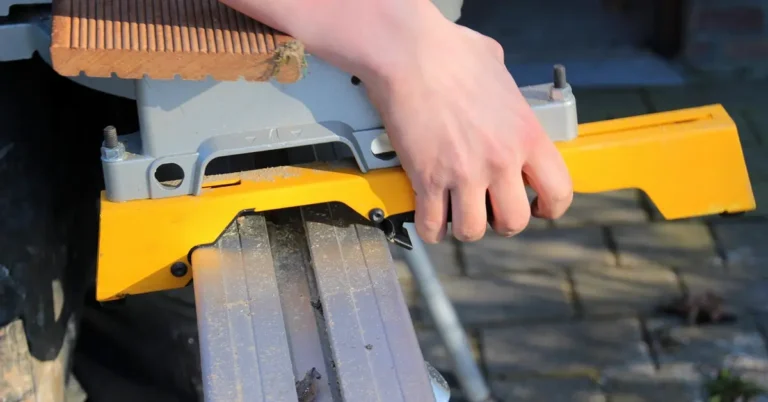
Left-Handed vs Right-Handed Circular Saw: The Sawdust Myth
A left-handed (blade-left) circular saw gives right-handed users a clearer sightline to the cut line — but contrary to popular belief, it also throws more sawdust across your line of sight on rip cuts, not less. A blade-right saw does the opposite: better sightline for left-handed users, less sawdust in a right-hander’s face. Neither wins on kickback risk or dust collection overall. This guide covers what blade side actually changes, when it stops mattering, and how to pick between them.
Introduction To Circular Saws
Best Blade-Left Circular Saw Pick
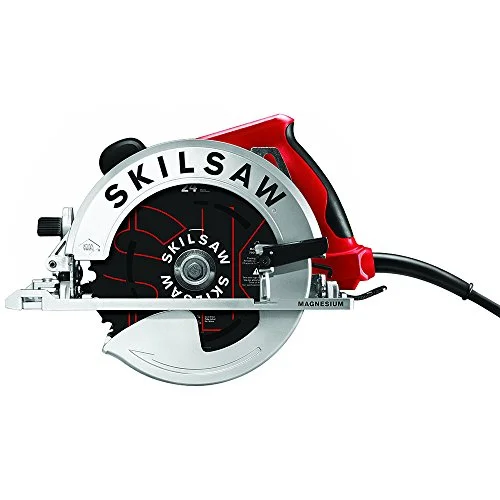 |
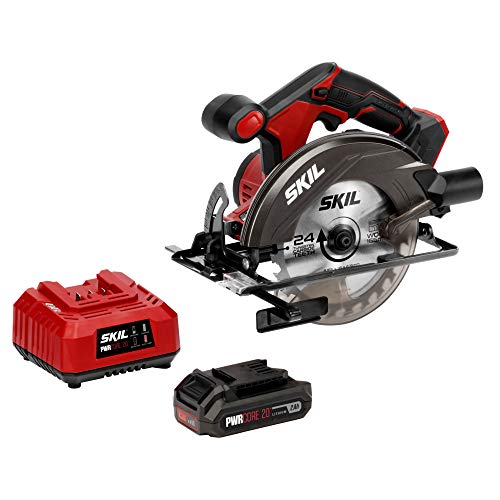
SKIL 7-1/4″ Magnesium Left-Blade Sidewinder – $138.99 A blade-left sidewinder gives most right-handed users — the majority of buyers — the sightline edge this guide covers, in a lighter package than a full worm-drive saw.
|
As an Amazon Associate we earn from qualifying purchases.
In the world of woodworking and construction, circular saws are essential tools that help professionals and DIY enthusiasts make precise and efficient cuts. Circular saws are versatile and can be used for various applications, such as cutting lumber, plywood, and other materials. They are available in different types, sizes, and configurations, including left-handed and right-handed models.
The Basics Of Circular Saws
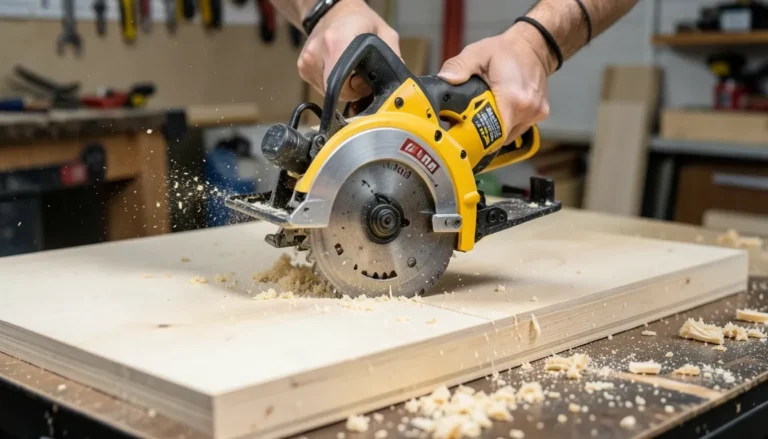
Circular saws consist of a motor, a round blade with sharp teeth, and a handle for control. The blade rotates rapidly, allowing it to cut through different materials. Circular saws can be handheld or mounted on a table or miter saw stand for stability.
These powerful tools are known for their ability to make straight cuts with precision. The blade’s diameter determines the depth of the cut, and the number of teeth affects the speed and smoothness of the cut. Different blades are designed for specific materials, such as wood, metal, or concrete.
Left Vs. Right: A Primer
When it comes to circular saws, one important factor to consider is whether the blade is positioned on the left or right side of the motor. This distinction determines whether the saw is left-handed or right-handed.
Left-handed circular saws have the blade positioned on the left side of the motor, while right-handed circular saws have the blade on the right side. This placement affects the line of sight and the direction of the sawdust discharge during operation.
There is often a debate among professionals and DIYers about which type of circular saw is better. Both left-handed and right-handed circular saws have their advantages and disadvantages, and the choice ultimately depends on personal preference and the specific task at hand.
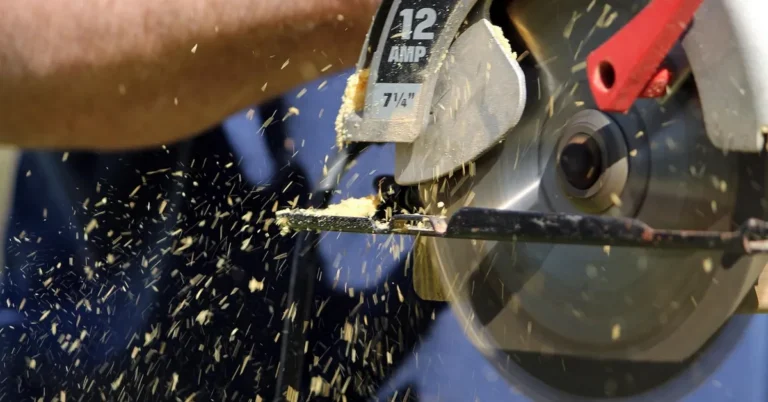
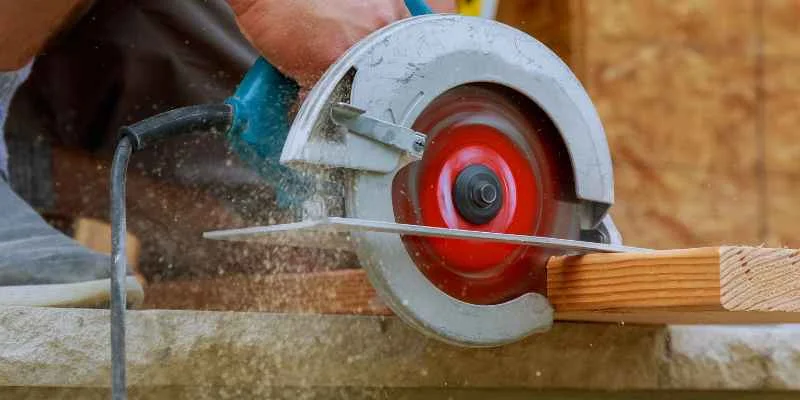
Left-handed circular saws are commonly favored by right-handed individuals because the blade’s position on the left side keeps the cutting line visible past the motor housing, especially on rip cuts along the length of a board. One common myth: that this also throws sawdust away from the user. In practice it’s the opposite on a rip cut — a blade-left saw tends to blow more dust back across a right-handed user’s line of sight, not less, so eye protection matters at least as much on a blade-left saw as a blade-right one.
Left-handed individuals, meanwhile, tend to prefer right-handed circular saws. The blade’s position on the right side allows for better control and stability, as the dominant hand is closer to the motor and blade. This positioning may also feel more natural and comfortable for left-handed users.
In conclusion, both left-handed and right-handed circular saws have their merits, and the choice depends on the user’s hand dominance and personal preference. It’s essential to consider factors such as line of sight, control, and comfort when selecting a circular saw for your woodworking or construction projects.
📊 Blade-left saws throw more sawdust across a right-handed user’s line of sight on rip cuts, not less — the opposite of the common claim that blade-left keeps dust away from the user. Source: Pro Tool Reviews, 2026
Anatomy Of Circular Saws
The anatomy of circular saws is crucial to understand for both professional woodworkers and DIY enthusiasts. Whether it’s a left-handed circular saw or a right-handed one, knowing the key components and blade positioning can significantly impact the efficiency and safety of your cutting projects.
Key Components
When it comes to circular saws, understanding the key components is essential for making informed decisions. The major components of a circular saw include the motor, blade guard, handle, depth adjustment, and base plate. The motor powers the blade, while the blade guard protects the user from the sharp edges of the blade. The handle provides a comfortable grip, and the depth adjustment allows for precise cutting depth. The base plate, also known as the shoe, provides stability and support during cutting operations.
Blade Positioning Explained
The positioning of the blade in a circular saw can vary between left-handed and right-handed models. In a left-handed circular saw, the blade is positioned on the left side of the motor, while in a right-handed saw, the blade is located on the right side of the motor. This positioning affects the line of sight, as well as the direction of wood chip ejection. It’s important to choose the appropriate blade positioning based on your dominant hand and cutting preferences.
Ergonomics And Handling
Ergonomics and Handling play a crucial role in the comparison between left-handed circular saws and right-handed circular saws. Let’s delve into how the grip and control, as well as the impact on user fatigue, differ between the two.
Grip And Control
Left-handed circular saws are designed to be more comfortable for left-handed users, providing improved control and precision due to the natural alignment of the blade with the user’s dominant hand. Conversely, right-handed circular saws are tailored for right-handed individuals, offering a similar advantage in terms of control and precision.
Impact On User Fatigue
The ergonomic design of left-handed circular saws reduces strain on the user’s wrist and arm, potentially minimizing fatigue during prolonged use. Similarly, right-handed circular saws are ergonomically optimized to alleviate fatigue and enhance user comfort, especially for right-handed individuals.
Visibility And Precision
The sightline advantage on either blade side only holds up under one specific condition: one-handed cutting. The moment you brace the saw with your off hand on the front handle — standard practice for control on anything but the lightest cuts — that hand and forearm can block the same sightline the blade position was supposed to protect. Blade side matters most on quick, light, one-handed trim cuts, and matters far less on full two-handed rips through thick stock.
Sidewinder Vs. Worm Drive Weight Balance
Blade-right sidewinder saws put the motor weight over the offcut side of the board on an end-cut, which on some cuts saws off its own support and forces the sole plate to shift as it finishes. Blade-left worm-drive saws avoid this by keeping the motor over the supported (keeper) side of the cut — a practical accuracy edge separate from sightline alone.
Safety Factors
When it comes to safety factors, it is important to consider the difference between left-handed and right-handed circular saws. Choosing the correct hand orientation for your circular saw can affect visibility and comfort, ultimately impacting safety during operation.
Kickback Risks
When it comes to using a circular saw, one of the biggest safety concerns is the risk of kickback. Kickback occurs when the blade catches on the material being cut, causing the saw to jerk back towards the user. This can result in serious injury, particularly if the user is not holding the saw properly or is not wearing appropriate safety gear.
In terms of left-handed vs right-handed circular saws, there is no clear winner when it comes to kickback risks. Both types of saws can be prone to kickback if not used correctly, and it ultimately comes down to the skill and experience of the user.
That being said, there are a few things you can do to minimize the risk of kickback when using a circular saw, regardless of whether it is left or right-handed. These include:
- Using a sharp blade
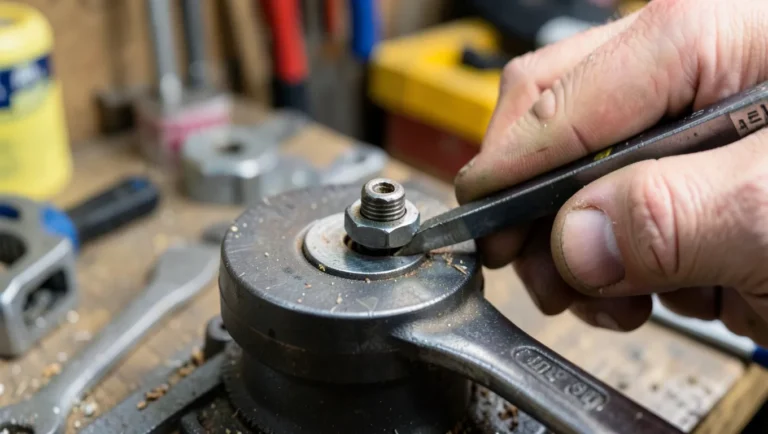
- Ensuring the blade is installed correctly and tightened securely
- Using the saw at the appropriate speed for the material being cut
- Keeping the saw blade clean and free from debris
- Wearing appropriate safety gear, including eye and ear protection and gloves
Dust And Debris Management
Another safety concern when using a circular saw is the management of dust and debris. As the saw cuts through the material, it generates a significant amount of dust and debris, which can be hazardous to inhale.
Again, there is no clear winner when it comes to left-handed vs right-handed circular saws in terms of dust and debris management. Both types of saws can produce a large amount of dust and debris, particularly when cutting certain materials such as MDF or particleboard.
To minimize the risk of inhaling dust and debris when using a circular saw, it is important to wear appropriate safety gear such as a dust mask or respirator. You should also ensure that the saw is equipped with a dust collection system or attach a vacuum to the saw to capture the dust and debris as it is generated.
In conclusion, while left-handed vs right-handed circular saws may have some differences in terms of ergonomics and user preference, when it comes to safety factors such as kickback risks and dust and debris management, there is no clear winner. Ultimately, it is up to the user to take appropriate safety precautions and use the saw correctly to minimize the risk of injury.
Application Specifics
When it comes to left-handed circular saws vs right-handed circular saws, there are pros and cons to consider. Left-handed saws may provide better line-of-sight to the cut line, while right-handed saws are more commonly used and may be more comfortable for right-handed individuals.
Ultimately, the choice depends on personal preference and the specific application.
Material Types
When it comes to choosing between a left-handed and a right-handed circular saw, it is important to consider the material you will be working with. Certain materials require specific types of saws to ensure a clean, precise cut. For example, if you are cutting through plywood, a right-handed saw may be more suitable as the blade is on the right side of the saw, allowing for better visibility of the cut line. On the other hand, if you are cutting through metal, a left-handed saw may be more appropriate as the blade is on the left side, allowing for more stability and control during the cut.
Cutting Techniques
In addition to the material type, the cutting technique is another important factor to consider when choosing between a left-handed and a right-handed saw. Different techniques may require different types of saws to achieve the desired results. For example, if you are making rip cuts, a left-handed saw may be more suitable as it allows for a more natural cutting motion for right-handed individuals. However, if you are making cross cuts, a right-handed saw may be more appropriate as the blade is on the right side, providing better visibility of the cut line.
In conclusion, when deciding between a left-handed and a right-handed circular saw, it is important to take into account the specific application and cutting technique. Consider the material type and the type of cut you will be making to determine which saw is best suited for your needs. By choosing the right saw, you can ensure a clean, precise cut and achieve the desired results.
Pros And Cons
When it comes to circular saws, one of the key considerations is whether to go for a left-handed or right-handed model. Each option comes with its own set of pros and cons, and it’s important to weigh them carefully to make the best choice for your specific needs. Let’s take a closer look at the advantages and benefits of left-handed and right-handed saws.
Advantages Of Left Handed Saws
Left-handed circular saws offer several advantages that make them appealing to certain users. Firstly, they provide better visibility of the cutting line for right-handed individuals, allowing for more precise and accurate cuts. Additionally, left-handed saws are generally considered to be safer for left-handed users, as the blade is positioned away from the body, reducing the risk of accidental contact.
- Improved visibility of the cutting line
- Safer for left-handed users
- Enhanced precision for right-handed individuals
Benefits Of Right Handed Saws
Right-handed circular saws bring their own distinct benefits, too. They are often more ergonomic for right-handed users, allowing for better control and maneuverability during cutting tasks. Additionally, the blade placement of right-handed saws can provide improved stability and support when cutting through materials, resulting in smoother and more controlled cuts.
- Enhanced ergonomics for right-handed users
- Improved stability and support during cutting
- Better control and maneuverability
User Preferences And Adaptability
When it comes to choosing between a left-handed circular saw and a right-handed one, user preferences and adaptability play a crucial role. The comfort level and learning curve associated with each type of saw determine which one suits individual users best. Let’s delve into the specifics of personal comfort and the learning curve to understand how users adapt to left-handed and right-handed circular saws.
Personal Comfort
Personal comfort is a significant factor when selecting a circular saw. Left-handed individuals may find a left-handed circular saw more comfortable due to the positioning of the blade, which allows for better visibility of the cutting line. On the other hand, right-handed users might prefer a right-handed saw for its familiarity and ease of use.
Learning Curve
The learning curve for using a circular saw differs based on the user’s dominant hand and prior experience. Left-handed individuals may need to adapt to using a right-handed saw, while right-handed users may face a similar challenge when using a left-handed saw. However, with practice and perseverance, users can overcome the learning curve and become proficient with either type of circular saw.
What The Trade Actually Uses
Historically, worm-drive saws (favored on framing crews for their gearing and durability) were built blade-left, and direct-drive sidewinders were built blade-right — so the “trade standard” was really just which drive type a given trade preferred, not a deliberate handedness choice. That line has blurred: cordless 7-1/4-inch saws have leaned blade-right and 6-1/2-inch cordless models blade-left, though most major brands now sell both configurations in each size.
When Blade Side Should Actually Decide Your Purchase
Blade side is worth prioritizing if you do a lot of one-handed trim or crosscuts where sightline matters most. If most of your work is two-handed ripping through full sheets, prioritize weight, power, and drive type (worm drive vs. sidewinder) over blade side — the sightline gap narrows a lot once both hands are on the saw.
Making The Right Choice
Choosing between a left-handed and right-handed circular saw can make a big difference in your woodworking experience. Left-handed saws are more ergonomic for right-handed people, but right-handed saws have better line-of-sight to the cut line. Consider your personal preference and the type of work you’ll be doing before making your choice.
Assessing Your Needs
When it comes to choosing between a left-handed circular saw and a right-handed circular saw, it’s important to assess your specific needs. Both options have their own advantages and considerations, so understanding your requirements will help you make the right choice.
If you are left-handed, using a left-handed circular saw may provide a more comfortable and natural grip. This can result in better control and accuracy during your cutting tasks. Right-handed individuals may simply feel more at home with a right-handed circular saw.
Another factor to consider is the line of sight. Left-handed circular saws, with the blade positioned on the left side, offer better visibility of the cut line for right-handed individuals. Conversely, right-handed circular saws, with the blade on the right side, may provide better visibility for left-handed individuals.
It’s also worth noting that many manufacturers produce circular saws with blades on the left side, as they are believed to offer better line-of-sight to the cut line. However, this doesn’t mean that right-handed circular saws are inferior. It ultimately depends on your personal preference and comfort level.
Final Thoughts
Choosing between a left-handed circular saw and a right-handed circular saw ultimately boils down to your comfort and preferences. Assessing your needs, considering your dominant hand, and evaluating the line of sight can help you make an informed decision.
Remember, there is no right or wrong choice when it comes to selecting a circular saw. Both options can get the job done effectively. It’s all about finding the tool that feels right in your hand and allows you to work with confidence.
Whether you go for a left-handed circular saw or a right-handed one, what matters most is your ability to handle the tool comfortably and achieve precise cuts. So, take your time, try out different options if possible, and trust your instincts when making the final decision.
Frequently Asked Questions
How Do You Know If A Circular Saw Is Left Or Right Handed?
To determine if a circular saw is left or right handed, check the position of the blade in relation to the motor. If the blade is on the left side of the motor, it’s a left-handed saw. If the blade is on the right side of the motor, it’s a right-handed saw.
Why Are Most Circular Saws Left-handed?
Most circular saws are left-handed because they provide better line-of-sight to the cut line. Blade-left saws, like worm-drive saws, offer improved visibility compared to blade-right saws. Manufacturers don’t label them as “left-handed” or “right-handed” because it ultimately depends on personal preference and comfort.
Different applications may require both types of saws.
Do Left-Handed Circular Saws Throw Sawdust Away From The User?
No — this is a common myth. On a rip cut, a blade-left saw tends to throw more sawdust across a right-handed user’s line of sight, not less. Wear eye protection regardless of blade side.
Do They Make Left And Right Hand Circular Saws?
Yes, left and right hand circular saws are available. Manufacturers offer both types to cater to different user preferences and comfort levels. It’s not about being labeled “right-handed” or “left-handed,” but rather about what users are accustomed to and find more comfortable.
What Is The Difference Between A Left Hand And Right Hand Table Saw?
The main difference between a left hand and right hand table saw is the placement of the blade. In a left hand table saw, the blade is positioned on the left side of the table, while in a right hand table saw, the blade is on the right side.
This affects the direction of the cuts and the positioning of the fence. It ultimately comes down to personal preference and comfort.
Conclusion
To conclude, choosing between a left-handed circular saw and a right-handed circular saw depends on your personal preference and comfort. Both types of saws have their advantages and disadvantages, such as better line-of-sight with left-handed saws and easier maneuverability with right-handed saws.
Ultimately, it’s important to consider your dominant hand and the tasks you’ll be performing to make the best decision. Whether you’re a lefty or a righty, selecting the right circular saw will help you achieve accurate and efficient cuts in your woodworking projects.
Sponsored / affiliate links. As an Amazon Associate I earn from qualifying purchases. I may earn additional commission from eligible campaigns.