Clear Redwood vs Construction Heart Redwood: Which Grade to Buy?
Buy Construction Heart Redwood for posts, framing, fences, and other hidden or rough outdoor parts; buy Clear Redwood when the piece is visible, closely detailed, or must take a clean finish. If you mix those up, you often pay too much on one side and accept knots, checking, or rework on the other. This guide compares price, appearance, durability, fastener holding, and the best use for decking, trim, fascia, and fence parts.
| Decision factor | Clear Redwood | Construction Heart Redwood | Winner |
|---|---|---|---|
| Appearance | Knot-free visible-grade material with a cleaner face and tighter color matching potential. | Utility-focused look with more natural variation, so face quality is less consistent. | Clear Redwood |
| Knot level | Still knot-free. | Often chosen with utility use in mind, so knots are less of a concern than on clear stock. | Clear Redwood |
| Sapwood and color consistency | May contain limited sapwood, but is selected for visible work where a cleaner look matters. | Heartwood-rich, with more variation acceptable for hidden or rough parts. | Clear Redwood |
| Typical use | Siding, paneling, fascia, trim, and other visible outdoor parts. | Posts, framing, rails, and hidden structure where appearance matters less. | Depends on project |
| Expected waste risk | Lower waste in visible work because fewer boards need sorting out for face defects. | Higher waste risk if you need a clean face, because knots and color variation can force you to reject or cut around pieces. | Clear Redwood |
| When to upgrade from Construction Heart Redwood | Already the upgrade choice when the board will stay in view, line up with other finish materials, or take a fine finish. | Upgrade when the project has long sightlines, close viewing distance, or a stain/clear-coat finish that will expose every board face. | Clear Redwood |
What is the difference between clear redwood and construction heart redwood?

The main difference is selection, not a magic jump in performance. Clear Redwood is the premium visible-grade choice, knot-free, fit for visible applications, and picked for a cleaner face. Construction Heart Redwood is a heartwood-rich utility grade for posts, framing, and other parts where appearance is secondary.
What the labels mean at the yard
Grade names can vary by mill and yard, so the stamp or tag matters more than a sales counter shorthand. A buyer should verify the exact label on the bundle, because one supplier’s “construction heart” stock may be sorted or described differently from another supplier’s inventory.
That is why the safest comparison is practical: clear stock is picked for looks, while construction heart stock is picked for utility value. Both can be redwood. They are not interchangeable once the board faces are meant to stay exposed.
Redwood grade decision table
Use this table to match grade to the part of the project that people will actually see. The important question is not whether redwood can go outdoors. It is whether you can tolerate knots, sapwood, and color changes on the finished face.
| Grade | Appearance | Knot level | Sapwood | Typical use | Expected waste risk | When to upgrade from Construction Heart Redwood |
|---|---|---|---|---|---|---|
| Clear Redwood | Premium visible-grade material | Knot-free | May contain limited sapwood | Siding, paneling, fascia, trim, visible decking | Low | Already the better pick when the board face will stay visible |
| Construction Heart Redwood | Utility-focused, less appearance-driven | More natural defect tolerance than clear stock | Heartwood-rich | Posts, framing, hidden structure, rough outdoor parts | Moderate to higher if the project needs a clean face | Upgrade for finish-grade fascia, trim, or any long, uninterrupted sightline |
| B Grade Redwood | Midgrade, practical appearance | Occasional tight knots | Mix of heartwood and sapwood | Decking boards and fencing | Moderate | Upgrade when you want a cleaner face or tighter color match than B grade usually gives |
| Construction Common / Deck Common Redwood | Most utility-focused in this group | Larger knots | More sapwood and greater color variation | Structural posts and retaining walls | Higher for visible work | Upgrade for exposed fence sections, visible rail caps, or finish work where sorting matters |
| Clear All Heart Redwood | Highest appearance tier with deep, consistent reddish-brown color | Virtually knot-free | All heartwood | High-end architectural siding and fine decking | Low, but purchase waste still rises if you overbuy for hidden work | Use this only when top appearance and color consistency justify the premium |
Appearance and knot level
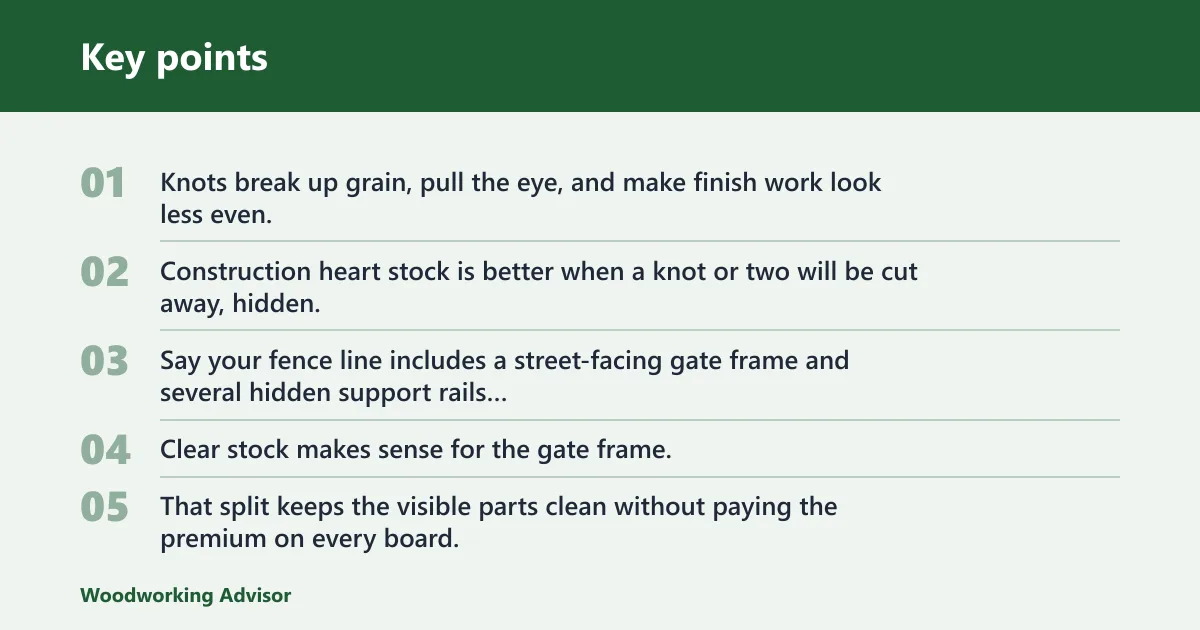
Clear stock wins when a clean face matters. Knots break up grain, pull the eye, and make finish work look less even. Construction heart stock is better when a knot or two will be cut away, hidden, or simply not noticed from normal viewing distance.
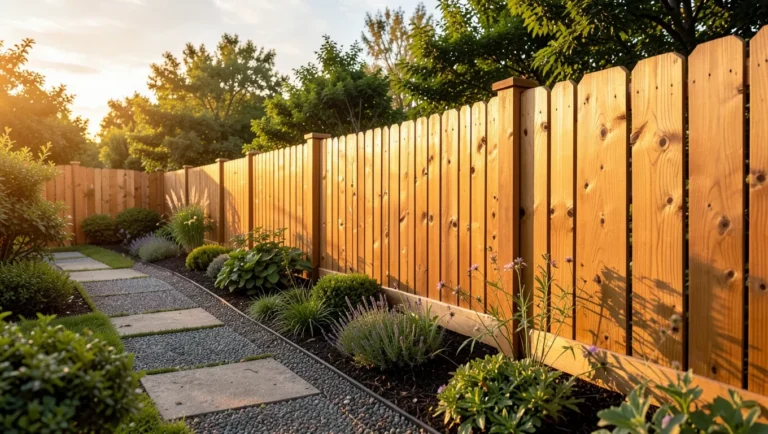
Say your fence line includes a street-facing gate frame and several hidden support rails behind it. Clear stock makes sense for the gate frame, while construction heart stock is often the practical buy for the hidden rails. That split keeps the visible parts clean without paying the premium on every board.
Sapwood and color consistency
Clear Redwood may contain limited sapwood, but it is still selected for visible use and sold as knot-free. Construction heart stock is more likely to show the color variation that comes with utility grading, especially when boards are mixed across bundles.
That matters most on stained or natural-finish work. If a project needs matching faces on adjacent pieces, you spend more time sorting with construction heart stock and more money on waste. If the finish will be painted, that sorting problem drops.
Typical use and waste risk
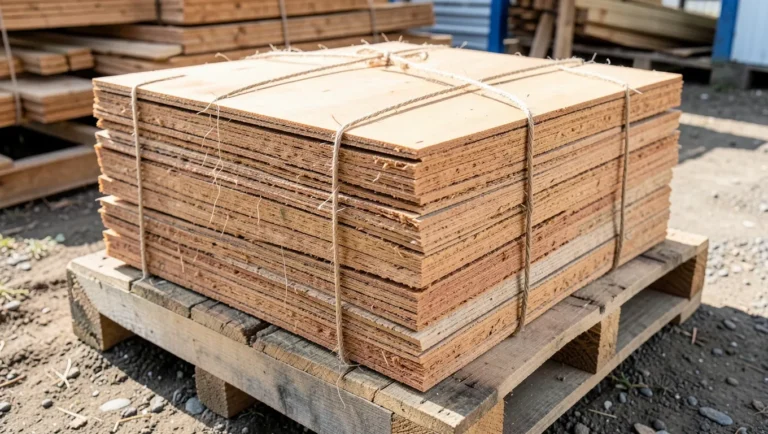
Construction heart redwood is often the better buy when the part will be trimmed down, covered, or placed where people will not inspect every face. Deck supports, backing members, fence posts, and hidden framing are the common examples. Waste risk rises when you try to force utility-grade stock into a finish job.
Clear stock reduces that risk because fewer boards need to be culled for appearance. That does not make it universally better. It makes it better when visible quality is the constraint.
How the grades differ in use
Redwood works well outdoors because it is a durable softwood with natural rot resistance. That general advantage does not decide the grade choice for you. The real decision is whether the board will stay in view and whether the project can absorb knots, sapwood, and color variation.
Decking and fence boards
B Grade Redwood often fits decking and fencing when you want a practical middle ground. It carries a mix of heartwood and sapwood with occasional tight knots, so it is less expensive than clear stock and cleaner than common utility grades. For many yards, that is the best balance for boards that people will see but not inspect at cabinet-level distance.
Construction Heart Redwood can still work for decking or fencing parts that are secondary, hidden, or cut short. Use it where the finish is forgiving. Do not expect the same visual consistency as clear stock.
Construction Heart Redwood is the smarter buy for posts, framing, and hidden structure where appearance matters less. It keeps the budget under control and makes sense when only part of the piece will remain visible after installation. For structural use, though, grade name alone does not establish code compliance or load rating.
Construction Common / Deck Common Redwood is the most economical redwood grade in many yard inventories, with larger knots and more sapwood. It is a utility choice, not a finish choice. If the part will be buried, blocked in, or hidden behind a face board, it can be a sensible buy.
Fascia, trim, siding, and paneling
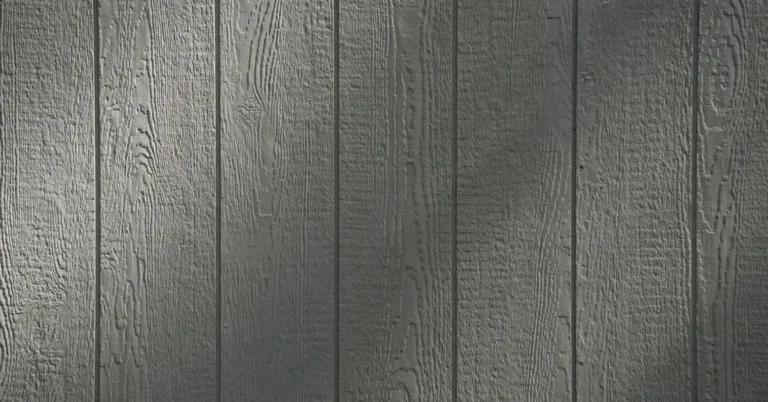
This is where clear stock earns its premium. Fascia and trim sit at eye level, and siding or paneling can run across long visible spans. A knot-free face is easier to finish and easier to keep visually consistent from board to board.
Clear All Heart Redwood sits at the top of that stack. It is the premium grade, virtually knot-free, all heartwood, and used for high-end architectural siding and fine decking. It is also the most expensive grade and makes up a small percentage of each log’s yield.
When construction heart redwood is enough
Construction heart redwood is enough when the piece will not be the visual focus, when knots will be cut away, or when the finish can hide variation. It is a practical buy for utility outdoor parts. The bigger the hidden portion of the project, the stronger the case for this grade.
Projects where knots will be cut away
If you are cutting a long board into shorter fence rails, post caps, or blocking, many face defects stop mattering. You can work around a knot or a rough patch by changing the cut plan. That lowers the need to pay for a clear face across the whole board length.
Areas that will be painted or stained
Paint covers more than stain does. If the project will be painted, the visual penalty of construction heart stock drops. If the finish will be a light stain or clear coat, the grain and color variation stay visible, and clear stock becomes more attractive.
Buyers who want utility value
A common first-timer mistake is paying for clear stock on parts that are later hidden by hardware, overhangs, or adjacent framing. The cleaner grade does not buy extra performance in those spots. It only buys cleaner appearance, which the project may never show.
Clear redwood is worth the premium when the board will be seen up close, when matching matters across multiple pieces, or when the finish is unforgiving. The price premium buys cleaner selection and less sorting. That helps only when appearance is part of the job, not after the fact.
Visible boards with long sightlines
Long sightlines expose every knot and color shift. A pergola beam, front porch trim, or street-facing fascia line can look busy fast if the boards vary too much. Clear stock keeps those lines calmer and easier to finish.
Color matching across multiple pieces
If you are building a run of trim or a set of panels, consistency matters. Clear stock gives you a better shot at a cohesive result. Construction heart stock may still work, but expect more sorting and a higher chance that one board stands out.
Projects with tight finish expectations
Clear stock is the safer choice for a natural finish, a high-visibility stain, or a detail that sits beside other premium materials. The cleaner the result needs to look, the less appealing it is to spend time sanding around knots or replacing boards that do not match.
Suppose you are building a 12-foot entry fascia that runs straight across the front of a house. If the boards are visible from the driveway, clear stock is the better call. If the same board is being installed behind a gutter line, construction heart stock usually makes more sense.
Source and grade availability
Second-growth redwood is commonly the main commercial supply today, and that supply mix can influence what local yards stock and how much they can sort into cleaner grades. Old-growth reclaimed redwood is a different market entirely. It is salvaged from dismantled structures, scarce, and often priced for character rather than standard grading.
Second-growth stock and local yard supply
Because second-growth is the normal supply stream, many buyers will see more utility grades than ultra-clean stock. That is one reason clear grades cost more and why the best pieces may be limited in the pile. The practical move is to inspect the actual bundle, not assume all redwood on a rack has the same face quality.
Old-growth reclaimed redwood
Old-growth reclaimed redwood is not a normal replacement for fresh yard stock. It tends to have tight growth rings and a distinct look, and it is sold for character as much as for lumber grade. Buyers seeking uniform project boards should not assume reclaimed stock behaves like a standard grade run.
What to check on the stamp or tag before buying
- Confirm the exact grade name on the tag, not just the salesperson’s shorthand.
- Check whether the bundle is clear, heartwood-rich, or utility-focused.
- Inspect the face for knots, pitch pockets, and color variation.
- Look at end grain for sapwood content and consistency across boards.
- Separate boards for visible faces from boards that will be hidden or cut down.
Choose Clear Redwood if… / Choose Construction Heart Redwood if…
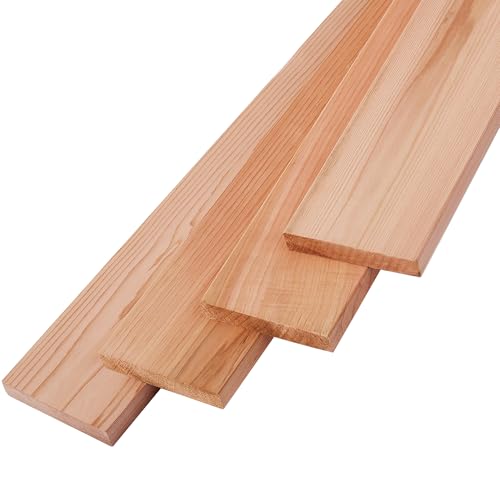
Choose Clear Redwood if… the boards will stay visible, the project needs a clean finish, the faces must match across a run of trim or siding, or the cost of rework would be higher than the premium you pay up front. It is the safer choice for fascia, paneling, and high-visibility decking.
Choose Construction Heart Redwood if… the parts are posts, framing, rails, or other hidden outdoor pieces; the boards will be cut down or covered; or you care more about utility value than perfect face quality. It is the practical buy when appearance is secondary and waste from defects would not change the finished look.

Frequently asked questions
Is construction heart redwood good enough for decking or fencing?
Yes, for many parts of those projects it is. It works best where the board will be cut, hidden, painted, or used as a support member rather than the main visual surface. For the most visible deck boards or fence faces, clear stock or B Grade is usually the better look-driven choice.
When should I pay extra for clear redwood?
Pay extra when the board will stay in view, when color and grain need to match across several pieces, or when the finish will expose every knot and patch of variation. That is common on fascia, trim, siding, and front-facing fence elements. It is less useful on hidden supports.
Does clear redwood have knots or sapwood?
Clear Redwood is knot-free, and it may contain limited sapwood. That means it is selected for a cleaner face, but it is not the same as Clear All Heart Redwood. If you need all heartwood and virtually knot-free stock, the higher tier is Clear All Heart Redwood.
How much stronger or longer lasting is clear redwood than construction heart?
Do not buy clear redwood expecting a meaningful strength upgrade by grade alone. The practical difference is appearance, selection consistency, and how much waste you accept when sorting boards. For outdoor use, redwood’s natural rot resistance matters more than the clear-versus-heart label on its own.
What does construction common redwood mean at the lumber yard?
Construction Common / Deck Common Redwood is a utility-focused grade with larger knots, more sapwood, and greater color variation. Verify the exact yard label, because grade names can vary by supplier.
Which redwood grade is best for visible outdoor projects?
Clear Redwood is the best fit for visible outdoor projects when you want a clean face without knots. If you want an even higher appearance tier and can justify the cost, Clear All Heart Redwood is the premium option. For a midrange visible project, B Grade is often the practical compromise.
Sponsored / affiliate links. As an Amazon Associate I earn from qualifying purchases. I may earn additional commission from eligible campaigns.