Thompson’s WaterSeal for Cedar Review: Is It Worth It?
Thompson’s WaterSeal can work on cedar if you want short-term water repellency and an easy recoat, but it is a weak choice for long UV exposure and usually needs renewal about every 1–2 years outdoors. If you apply it over dirty, damp, or failing finish, cedar can gray unevenly, soak up water, and need earlier sanding or stripping. This guide compares appearance, water protection, UV resistance, durability, and maintenance for cedar fences, decks, and furniture.
Thompson’s WaterSeal on cedar: quick verdict


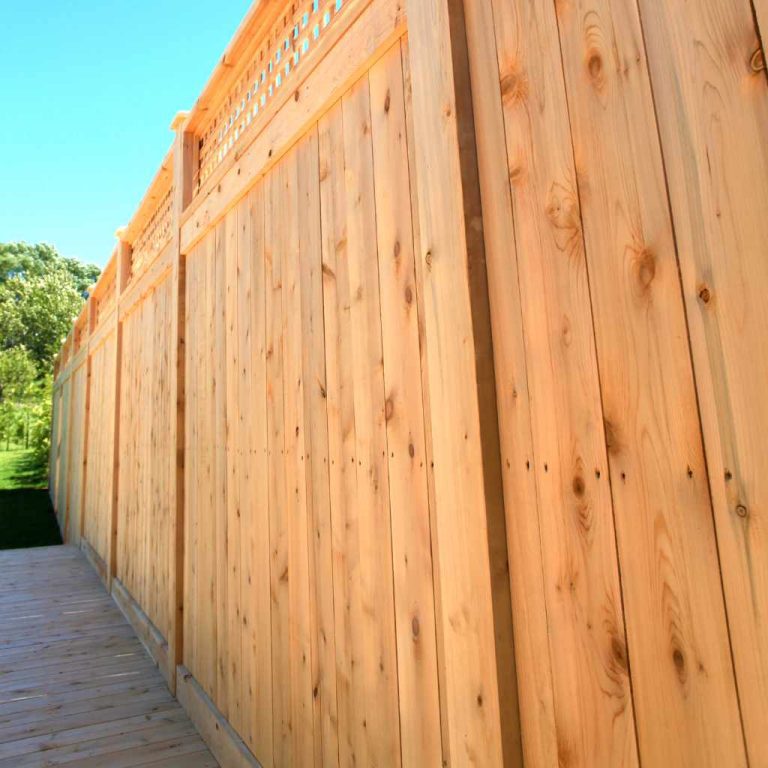
Thompson’s WaterSeal is acceptable on cedar when your main goal is water shedding on a fence, trim, or lightly exposed furniture, and you are fine with regular maintenance. It is a poorer fit when you need strong color retention, long sun resistance, or a finish that stays attractive with minimal upkeep.
Cedar is a porous softwood with attractive grain, but it can blotch, darken unevenly, and gray under outdoor UV exposure. That matters because water repellency and color retention are different jobs, and Thompson’s WaterSeal does better at the first than the second.
Cedar vs Thompson’s WaterSeal decision table
| Use case | Exposure level | Variant | Expected appearance on cedar | Recoat urgency | Better alternative trigger conditions |
|---|---|---|---|---|---|
| Fence | Moderate sun, rain, and wind | Transparent Waterproofing Wood Stain and Sealer, Natural Cedar | Warmer tone than clear; grain stays visible; color shift is more noticeable than on pine | Medium to high; inspect yearly | If you want slower graying or more even color on large faces |
| Deck | High wear, high weather exposure | Stain & Sealer, transparent or semi-transparent | More even tone than clear, but cedar can still blotch where porosity changes | High; check after one sunny season | If the deck gets strong sun or you want longer UV protection |
| Patio boards | High foot traffic and standing moisture risk | Stain & Sealer, semi-transparent preferred over clear | Better color control than clear; still not a long-life color finish | High | If puddling, mildew, or heavy traffic are common |
| Shed trim | Low to moderate exposure | Clear Wood Sealer | Least color change; natural cedar look stays close to raw wood | Medium | If trim faces direct sun or you want graying resistance |
| Outdoor furniture | Variable shade and rain | Transparent Waterproofing Wood Stain and Sealer, Natural Cedar | Soft cedar tint with visible grain; better than clear for cosmetic control | Medium | If furniture gets full sun or you want less frequent renewal |
Which Thompson’s WaterSeal version fits cedar?
The best version depends on whether you want the least color change or the most balanced look. The clear sealer keeps cedar closest to raw wood, while the tinted transparent product adds more color control. The Stain & Sealer line gives you the most practical middle ground for outdoor cedar that needs some appearance control with water protection.
Clear Wood Sealer on cedar
Consumer Reports lists Thompson’s WaterSeal Clear Wood Sealer as a clear sealer wood stain with 100 grams/liter VOCs, 200-400 square feet coverage, and one coating. It is the most natural-looking option on cedar, but it gives you the least help with graying and long-term appearance retention. (Consumerreports)
This is the version to consider for cedar trim, sheltered fence sections, or furniture where you want the grain to stay visually quiet. It is not the best pick for a bright, fully exposed deck, because water repellency does not equal UV protection.
Transparent waterproofing wood stain and sealer in Natural cedar
This version is the better fit when you want a cedar-toned finish rather than a nearly clear one. It is a transparent finish marketed for exterior wood use, and the Natural Cedar color can make the surface look more intentional than a clear sealer on weathered cedar.
Use it when you want the wood to read as cedar, not as raw wood with a wet look. It still needs maintenance, and it does not erase the risk of uneven color on porous areas.
Stain & Sealer transparent and semi-transparent options
The Stain & Sealer line matters because it gives you two appearance paths: transparent and semi-transparent. Thompson’s WaterSeal says these water-based formulas clean up with soap and water, with one- or two-coat directions and a dry time of about 2 hours.
For cedar, semi-transparent usually gives more visual control than clear. Transparent is the safer pick if you want less color buildup on furniture or trim.
How does it look on cedar?
On cedar, Thompson’s WaterSeal can range from nearly invisible to lightly tinted, depending on the variant. The key issue is that cedar’s porous softwood structure absorbs finish unevenly, so the same product can look smooth on one board and patchy on the next. Clear formulas preserve grain best but offer the least color control.
Grain visibility and color shift
Cedar’s grain usually stays visible under Thompson’s WaterSeal, especially with clear and transparent versions. The trade-off is that the surface can deepen in tone unevenly, especially on boards with sapwood, knots, or varied density.
If a cedar fence panel has both tight and open grain in the same board, the wetter-absorbing strip can read darker right away, then the difference may become more obvious as the wood dries and ages.
Blotching risk on porous cedar
Blotching is a real concern on cedar because the wood is porous and not uniform. Clear products tend to expose that variation more, while tinted transparent versions can disguise it a little, though they do not eliminate it.
A common first-timer mistake is applying a clear sealer to weathered cedar that still has uneven moisture. The finish may look acceptable at first, then turn patchy as the board dries at different rates.
Clear sealer vs tinted stain appearance
The clear sealer gives the least visible finish change and the least help against graying. The Natural Cedar transparent stain adds more warmth and usually reads more finished on fences and furniture. The Stain & Sealer semi-transparent option gives the strongest visual shift of the group, which can be useful on older cedar that needs color correction.
Does Thompson’s WaterSeal protect cedar outdoors?
It can protect cedar from water intrusion for a time, but water shedding is only one part of outdoor performance. On cedar, sun exposure, dampness, and wear matter just as much as beading. The product can help with runoff and moisture shedding, but it is not a strong long-term shield against graying or color loss.
Water repellency and runoff
Thompson’s WaterSeal is a water-based waterproofing product for exterior wood. That means its basic value on cedar is water repellency, not deep UV defense. The same source lists the Clear Wood Sealer with one coat and 200-400 square feet coverage, which makes it practical for smaller or lower-risk cedar areas.
DeckStainHelp reports the Clear Waterproofer scored 6.1 out of 10 after two years, with water repellency failing within 6 to 12 months. That tells you the water-shedding phase can end well before the wood itself looks fully worn out.
UV protection and graying resistance
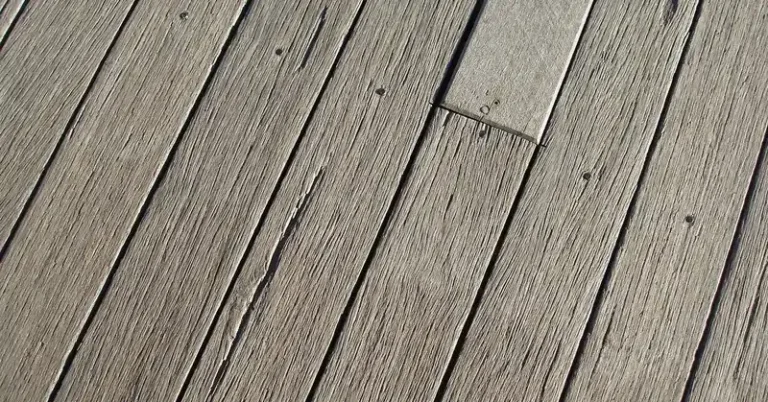
UV protection is where Thompson’s WaterSeal falls short on cedar. DeckStainHelp found no UV protection from Thompson’s WaterSeal Clear Waterproofer, so it should not be chosen if your main goal is stopping gray color change on a sunny deck or fence.
For cedar, that means a product can still bead water and yet allow the wood to gray. If graying resistance matters, choose a finish made for stronger color retention, not just water beading.
Mold and mildew concerns in damp areas
Cedar does not automatically stay clean in wet shade or along the base of a fence. Neglected cedar surfaces can collect grime, stay damp, and support black mold growth. Thompson’s WaterSeal may slow water entry, but it is not a cure for poor drainage or long-term moisture exposure.
Use extra caution on boards near soil, planters, or shaded north-facing walls. Those spots need cleaning and inspection more often than exposed upper rails or dry trim.
How long does it last on cedar?
On cedar, longevity depends more on exposure than on the label claim. Strong sun shortens the useful life fastest, followed by standing moisture and wear. For many outdoor cedar surfaces, the practical maintenance window is closer to an annual check than to a set-and-forget finish.
Sun exposure versus shade
Sunny cedar usually needs attention sooner than shaded cedar because UV light breaks down the surface and drives graying. A shaded fence panel may keep its look longer, but damp shade can create its own maintenance problem by holding moisture and encouraging mildew.
Picture a cedar bench under a porch roof and the same bench in an open yard. The open-yard piece will usually need earlier renewal because UV exposure is higher, even if both were coated on the same day.
Rain exposure and maintenance timing
Deck boards, rail caps, and fence tops get the hardest water exposure because they collect rain and dry repeatedly. On those surfaces, recoat urgency is higher, and waiting until the finish fails completely often means more prep work later.
DeckStainHelp’s 6 to 12 month water-repellency window is a useful warning for cedar. If water stops beading, or the surface starts to look dry and chalky, it is time to inspect for recoat before the wood starts to gray unevenly.
Signs that a recoat is due
- Water no longer beads and starts soaking in quickly.
- Cedar color turns flat, dry, or patchy.
- Sun-facing boards gray faster than shaded boards.
- Dark mildew spots appear in joints, end grain, or shaded corners.
- The old coating wears thin on edges, rail tops, or walking surfaces.
Good results on cedar start with prep, not with the applicator. Clean, dry wood accepts finish more evenly, and old failing coating should be removed before new product goes on. If the cedar is damp or contaminated, the finish can look uneven and wear out sooner.
Prep and moisture check
- Remove dirt, mildew, dust, and loose fibers from the cedar surface.
- Strip or sand off failing coating before recoating.
- Let the wood dry fully before application.
- Check end grain, joints, and shaded areas for lingering moisture.
- Test a small hidden area first if the cedar is uneven or older.
Brush, roller, and sprayer options
Thompson’s WaterSeal can be applied with a brush, roller, pump sprayer, or airless sprayer. A brush gives the most control on fence pickets, trim, and furniture edges. A roller is useful for broad deck boards. A sprayer is faster on large fence runs, but it needs more care to avoid missed spots.
Back brushing and cleanup
Back brushing matters on cedar because it pushes finish into open grain and helps reduce lap marks. After spraying or rolling, brush across the wet film to even it out. For the water-based Stain & Sealer products, soap and water cleanup is the practical cleanup method.
Choose Thompson’s WaterSeal if… / Choose an alternative if…
Choose Thompson’s WaterSeal if you want a water-shedding finish on cedar and you are willing to recheck it often. It fits fences with moderate exposure, shaded shed trim, and outdoor furniture that does not need a long-lasting, high-build appearance layer.
Choose an alternative if your cedar gets strong sun, repeated rain, or you want better control over graying and color uniformity. A penetrating cedar stain or a different brand with stronger UV performance is the better call for decks, open fences, and exposed patio boards.
- Choose Thompson’s WaterSeal for a sheltered cedar fence, trim, or furniture project where you want easy recoat and modest water repellency.
- Choose Thompson’s WaterSeal if you prefer a clear or lightly tinted look and can inspect the surface yearly.
- Choose an alternative if the cedar is on a sunny deck or exposed patio board that needs better graying resistance.
- Choose an alternative if the cedar already has blotchy color, hidden moisture, or a failing old coating that keeps returning.
Where to buy matters less than matching the variant to the job. Look for the exact product name, not just the Thompson’s WaterSeal label, because the Clear Wood Sealer, the Natural Cedar transparent stain, and the Stain & Sealer line behave differently on cedar.
Frequently asked questions
Is Thompson water seal good for cedar?
It can be good for cedar when you need short-term water repellency and do not expect long UV protection. It is better for sheltered or lower-exposure projects than for sunny decks or exposed fence faces. Cedar still needs clean, dry prep and regular inspection.
How good is Thompson WaterSeal on cedar outdoors?
Outdoors, it is a mixed fit. It sheds water at first, but cedar in sun and rain needs more than beading to stay attractive. For outdoor cedar, the better versions are the tinted transparent products, while the clear sealer is the least protective against graying.
Which Thompson’s WaterSeal version works best on cedar?
The best version depends on the look you want. Clear Wood Sealer keeps cedar closest to raw wood. The Natural Cedar transparent stain is better if you want a warmer tone. For decks and more exposed surfaces, the Stain & Sealer line is usually the more practical choice.
How long does Thompson’s WaterSeal last on cedar?
Expect maintenance sooner on cedar that gets full sun or repeated wetting. The same source reports water repellency failing within 6 to 12 months on the Clear Waterproofer, and the product scored 6.1 out of 10 after two years. That makes yearly inspection a sensible baseline.
Does Thompson’s WaterSeal prevent cedar from graying?
Not reliably. Water repellency does not equal UV protection, and DeckStainHelp found no UV protection from Thompson’s WaterSeal Clear Waterproofer. If graying resistance matters, choose a finish made to hold color better on outdoor cedar instead of relying on a clear sealer.
Does Thompson’s WaterSeal cause blotching or peeling on cedar?
It can look blotchy on cedar because cedar absorbs finish unevenly, especially if the wood is porous or not fully dry. Peeling is more likely when old coatings fail, prep is weak, or the surface gets heavy exposure. Proper cleaning and removal of failing finish reduce that risk.
Sponsored / affiliate links. As an Amazon Associate I earn from qualifying purchases. I may earn additional commission from eligible campaigns.