Best Nozzles for Deck Cleaning (2026): we compared
For most wood and composite decks, start with a 40-degree nozzle; use a narrower spray only on heavily soiled, durable surfaces and keep the wand moving. The wrong nozzle can raise wood grain, etch soft composite, and strip stain or sealer. This guide shows how to choose nozzle angle by deck material and condition, plus how to clean without damage.
Quick comparison
| Product | Badge | Best for | Price | ||
|---|---|---|---|---|---|
 |
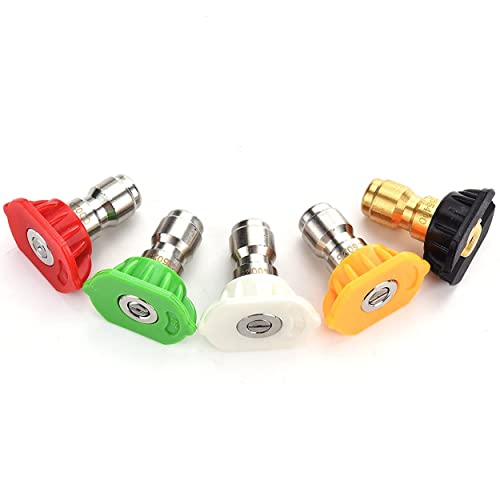
Simpson 3600 PSI 1/4" Quick Connect Pressure Washer NozzleSIMPSON | Our pick | 5-pack, 3600 PSI, quick-connect nozzle set | $17.66
Price as of 14 Oct 2026
|
View |
 |
Tool Daily Pressure Washer Nozzle Tips Multiple Degrees,Tool Daily | Budget pick | 5-pack, 4000 PSI, 2.5 GPM tips | $6.98
Price as of 14 Oct 2026
|
View |
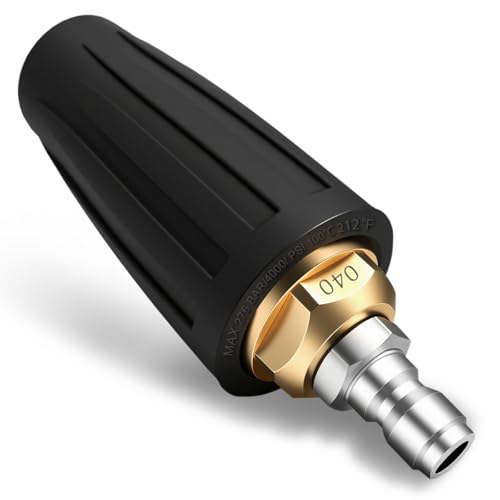 |
Xaxuqtu Turbo Nozzle Pressure Washer Tips, Max 4000 PSI,Xaxuqtu | Upgrade pick | Turbo nozzle, 4000 PSI, 4.0 GPM | $7.99
Price as of 14 Oct 2026
|
View |
 |
METALLIXITY Pressure Washer Nozzle Tips (1/4", 1.6mm/1/16")METALLIXITY | Also great | 2-pack, 25-degree, 4000 PSI tips | $7.22
Price as of 14 Oct 2026
|
View |
 |
Kärcher Universal 5 Piece Spray Nozzle Kit for PressureKärcher | Pair with it | Kärcher 5-piece kit, 4000 PSI, quick-connect | $24.05
Price as of 14 Oct 2026
|
View |
Use the table to match deck material, stain condition, and washer output before you buy a tip. The safest pick is usually the widest angle that still removes dirt at a steady pace.
📊 One featured turbo nozzle is rated at a maximum of 4000 PSI. Source: Pressurewashered.
How we chose
The picks and guidance here are built around four checks: deck material, finish condition, washer PSI and GPM compatibility, and real cleaning limits around grooves, fasteners, and edges. That matters because nozzle angle changes spray concentration, and nozzle orifice size has to match the washer’s output.
We also weighed quick-connect fit, since a 1/4-inch quick-connect fitting is common on consumer tips, and looked at where each tool makes sense on a deck. A faster tip is not automatically a better tip.
Consumer pressure washer nozzles are often rated for 2000 to 4000 PSI, but deck safety depends on surface sensitivity, not just the top number. Wider fan angles are gentler, turbo nozzles clean faster but can be too aggressive.
40-degree fan nozzle: best for most wood and composite decks
The 40-degree fan nozzle is a safe starting point for many deck cleaning jobs, especially on softer or more worn surfaces. Its wider spray spreads force over more surface area, which lowers the chance of furring, splintering, and finish loss.
This nozzle set is rated for a moderate-to-high pressure washer range, uses a quick-connect, and the wider spray option is the gentler choice in the lineup. That makes it a practical fit when you need cleaning power without a narrow, cutting stream.
The drawback is speed. A 40-degree tip removes grime more slowly than a 25-degree or turbo nozzle, so heavy mildew or ground-in dirt may need more passes and a detergent step first.
Start about 12 to 18 inches from the board and make one light pass. If dirt remains, move closer in small steps, not in a leap to a tighter nozzle. Stop if the wood starts to look fuzzy or the composite surface starts to dull.
Say your deck is cedar with a weathered clear coat. A 40-degree tip at a higher starting distance can lift gray surface dirt without tearing fibers; a 25-degree tip started too close can leave a striped look and raised grain in one section.
What degree nozzle is best for deck cleaning?
A 40-degree nozzle is the best starting point for deck cleaning because it spreads pressure over a wider fan and is less likely to damage wood fibers or composite facing. Move to a narrower angle only if the surface is durable and the dirt will not lift with gentler spray.
Nozzle angle controls spray concentration. A 15-degree tip hits harder than a 40-degree tip, and a 0-degree tip is far too aggressive for decks. For most deck work, choose the widest angle that still removes the soil you are trying to clean.
If the deck is heavily soiled but sound, you can step down cautiously from 40-degree to 25-degree for isolated spots. Do not use that narrower tip as your default across the whole deck.
Can you use a turbo nozzle on a deck?
You can use a turbo nozzle on a deck only in limited cases, such as stubborn grime on dense, durable boards that already have a worn finish and no visible softness. Its rotating spray pattern gives stronger cleaning, but it is often too aggressive for delicate surfaces.
This turbo nozzle is rated for a high-pressure setting, uses a quick connector, and is built around a rotating spray. Those features make it better for stubborn soil than a standard fan tip, but not better for fragile wood.
The drawback is obvious: turbo action can cut into soft grain, strip remaining stain, and leave etching on composite boards. On decks, that risk rises fast on pine, cedar, older pressure-treated lumber, and weathered finish.
Use a turbo nozzle only for spot cleaning on hard, sound boards, and keep the wand moving. Start farther back than you would with a fan tip, then stop as soon as the grime lifts. If the surface lightens unevenly or fibers stand up, switch back immediately.
Surface cleaner attachment: best for large flat areas
A surface cleaner attachment makes sense on large, flat deck sections when you want even coverage and faster progress. A 14-inch surface cleaner is promoted for cleaning large areas efficiently, and wheel-mounted versions can help keep the head steady on open boards.
It is not a good tool for rails, stairs, corners, seams, or spaces around fasteners. Those areas need a wand and a wider fan nozzle so you can control distance and direction.
The drawback is that surface cleaners can miss board edges and leave a cleaner center with dirt at the perimeter. On older decks, that difference can make the surface look uneven if you do not follow up with a wand.
Use a surface cleaner only after checking that the deck is flat enough and the finish is intact enough to tolerate uniform coverage. Around rail posts and tight corners, switch back to a fan nozzle.
What nozzle to pressure wash deck
For most deck cleaning, choose a 40-degree fan nozzle first, then move only if the deck material and condition justify it. That answer changes if the boards are soft pine, weathered cedar, sealed hardwood, or composite with a thin cap layer.
Matching nozzle choice to material matters more than chasing maximum cleaning power. A soft deck needs a wider spray and more distance; a dense, heavily soiled surface can tolerate a narrower tip, but only within the washer’s rated PSI and GPM.
| Deck material and condition | Washer PSI | Recommended nozzle angle | Starting distance | Do-not-use warning |
|---|---|---|---|---|
| Soft wood, light soil, sound finish | 2000 to 2500 | 40-degree | 18 to 24 inches | Do not start with 25-degree or turbo; both can raise grain fast. |
| Pine or cedar with weathered stain | 2000 to 3000 | 40-degree, then cautious 25-degree on spots only | 12 to 18 inches | Do not hold the wand still; stop if fibers look fuzzy or the stain strips unevenly. |
| Harder wood with heavy dirt, intact finish | 2500 to 3000 | 25-degree for isolated spots, 40-degree for general cleaning | 12 to 18 inches | Do not use a turbo nozzle across the whole board field. |
| Old wood with lifted grain or worn sealer | 2000 to 2500 | 40-degree only | 18 inches or more | Do not use narrow tips; they can worsen raised fibers and strip what finish remains. |
| Composite boards, light soil | 2000 to 2500 | 40-degree | 18 to 24 inches | Do not use turbo or close-range narrow spray; composite can etch and dull. |
| Composite boards, stubborn grime in grooves | 2500 to 3000 | 40-degree, then soap and repeat passes | 18 inches | Do not chase stains with higher pressure first; that can scar the cap layer. |
Matching nozzle orifice size to washer output matters too. Nozzle sizing depends on both GPM and PSI, and a tip that is too small can overload the pressure washer. Use the orifice size chart that matches your machine, not just the spray angle you want.
One 40-degree example uses a 4.0 orifice, which shows how spray angle and orifice size are separate choices. The angle controls spread; the orifice must fit the washer’s flow and pressure.
How do you avoid furring or splintering when pressure washing a deck?
Keep the pressure low enough for the material, start with a 40-degree fan, and hold the wand well back from the surface. Move in smooth passes with the grain, and stop if the wood starts to look fuzzy, rough, or striped. That is the early sign of furring.
Furring happens when the spray lifts soft fibers instead of just removing dirt. To reduce that risk, begin on the least visible board, work in one direction, and let cleaner and dwell time do more of the work before you narrow the nozzle.
A common first-timer mistake is chasing one dark spot with a 25-degree tip from a few inches away. The spot may lighten, but the board can also end up with torn fibers and a patch that catches light differently from the rest of the deck.
What PSI is safe for cleaning a wood deck?
For most wood decks, the safer range is the lower to middle part of a consumer washer’s output, not the maximum setting. Many household pressure washers fall in a mid-range PSI and GPM range, but wood condition matters more than the number on the machine.
Soft woods like pine and cedar usually need more caution than harder wood. Older boards, thin stain, and lifted grain need a wider fan, more distance, and less pressure. If the deck is already damaged, more PSI is usually the wrong answer.
Use the least pressure that clears the soil. If you need to stand close or make many passes, the deck is telling you to slow down, use detergent, or choose a different cleaning method.
Which nozzle angle is safest for soft wood decks?
The safest nozzle angle for soft wood decks is 40 degrees. It spreads the force over a wider area, which lowers the chance of cutting into pine or cedar grain. That makes it the best starting point when the wood is dry, aged, or partly weathered.
If the deck is exceptionally dirty, you can test a 25-degree nozzle on a small hidden area, but only with a longer starting distance and the wand in motion. A turbo nozzle is rarely the right first choice on soft wood.
Look for fuzzing after the first pass. If you see it, stop and return to a wider angle before the damage becomes widespread.
Deck-safe nozzle decision table
This table turns the main variables into a practical choice. Use the deck material, finish condition, and washer output together, then set the starting distance before you begin. The goal is to clean the surface without tearing fibers or etching the board face.
| Deck type | Finish condition | Washer PSI and GPM | Recommended nozzle angle | Starting distance | Do-not-use warning |
|---|---|---|---|---|---|
| Pine | Fresh stain or sealer | 2000 to 2500 PSI, moderate flow | 40-degree | 18 to 24 inches | Do not use turbo or 25-degree on a full pass; stain can strip quickly. |
| Cedar | Weathered, gray, lightly checked | 2000 to 3000 PSI, 2.5 to 3 GPM | 40-degree | 18 inches | Do not start close; cedar fibers lift fast under narrow spray. |
| Harder wood | Intact stain with heavy dirt | 2500 to 3000 PSI, adequate GPM | 25-degree for spot work, 40-degree for broad areas | 12 to 18 inches | Do not keep the tip parked over one board or fastener. |
| Old wood | Raised grain, thin sealer, aged boards | 2000 to 2500 PSI, lower flow | 40-degree only | 18 inches or more | Do not use a turbo nozzle; it can worsen furring and strip weak finish. |
| Composite | Light soil, intact cap layer | 2000 to 2500 PSI, moderate flow | 40-degree | 18 to 24 inches | Do not use narrow tips; the cap layer can dull or etch. |
| Composite | Grooved board, trapped grime | Up to the washer’s rated deck-safe range | 40-degree with detergent and repeated passes | 18 inches | Do not use a turbo nozzle in the groove line; it can scar edges. |
Orifice size still matters here. Nozzle sizing depends on both GPM and PSI, so a tip that matches one washer may be wrong for another. Check the orifice size chart before you buy.
Which one should you buy?
Choose the 40-degree fan nozzle if you clean a mix of wood and composite decks, especially if the boards are soft, weathered, or only lightly dirty. That is the safest all-around starting point because it gives useful cleaning action without pushing the spray into a damage-prone range.
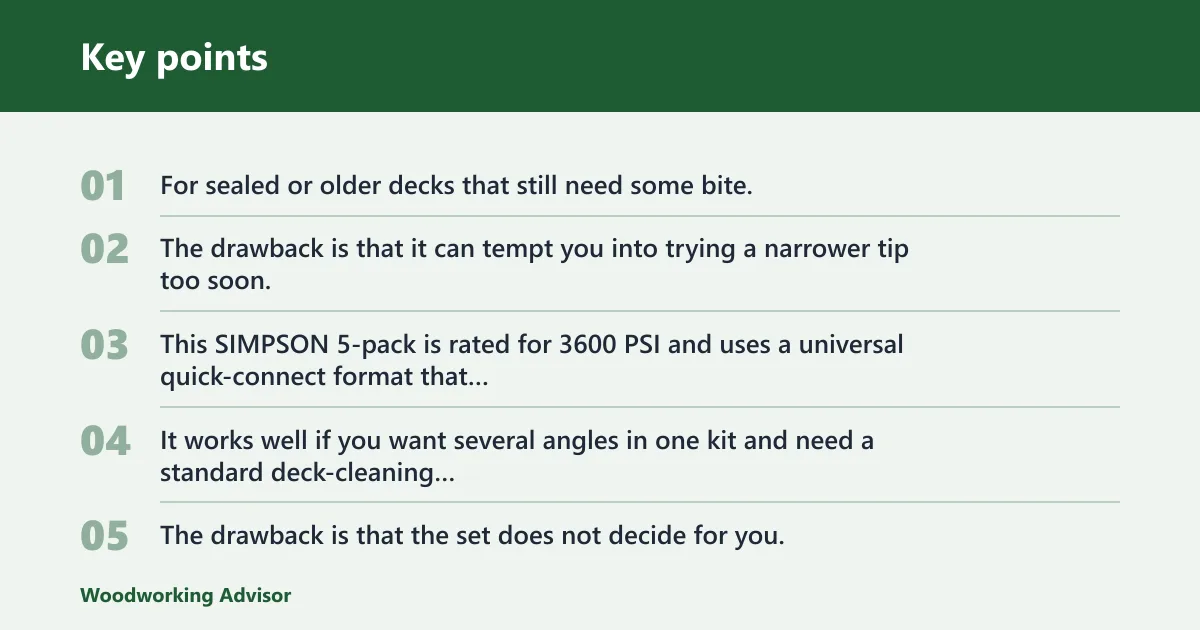
For sealed or older decks that still need some bite, the Simpson 3600 PSI 1/4″ Quick Connect Pressure Washer Nozzle Set is a practical option because it includes multiple tips and uses a universal quick-connect fit. The drawback is that it can tempt you into trying a narrower tip too soon.
This SIMPSON 5-pack is rated for 3600 PSI and uses a universal quick-connect format that suits many wands. It works well if you want several angles in one kit and need a standard deck-cleaning setup with easy swapping.
The drawback is that the set does not decide for you. On soft wood, the included narrower tips still carry the same risk if you move too close or stay in one place too long.
For composite decks, the safest buy is still a 40-degree fan tip, not a turbo nozzle. If the deck is large and flat, add a surface cleaner later; if it has rails, stairs, or tight seams, keep a wand tip as your main tool.
For large decks with heavy soil, a surface cleaner is useful after you have checked the boards for stability and finish condition. It speeds coverage on open areas, but it is not the right tool for edges, grooves, or fasteners.
Do not buy a turbo nozzle first unless you already know the deck is dense, durable, and dirty enough to need spot treatment. Even then, use it as a limited option, not as the default for the whole job.
This Kärcher 5-piece kit is rated up to 4000 PSI and uses a quick-connect fitting, so it covers a wide range of washer setups. The included soap nozzle can help with grime before rinsing, which is useful on larger deck jobs.
The drawback is that the kit is broad rather than deck-specific. You still need to choose the right tip for pine, cedar, or composite, and the wrong one can be too aggressive for worn boards.
This METALLIXITY 25-degree pair is a more focused option for durable surfaces that need extra cleaning power in small sections. The stainless steel build is a plus for corrosion resistance, and the one-piece installation is simple.
The drawback is that 25 degrees is not the safest starting point for most decks. It is better for targeted cleaning than for broad passes across soft wood or older finishes.
The Xaxuqtu turbo nozzle is a better fit for stubborn grime on hard, resilient surfaces than for routine deck washing. The 360° rotating spray and 1/4-inch quick connector make it handy when spot cleaning becomes necessary.
The drawback is the same one that matters most on decks: the rotating spray can be too aggressive on soft wood, worn stain, and composite boards. Use it only when a fan nozzle has already proven too slow.
This Tool Daily tip set is the best value pick if you want a general deck-cleaning kit with a 40-degree option, a quick-connect fit, and specs that line up with common consumer washers. It is the most flexible starting point for mixed wood-and-composite work.
The drawback is that a broader kit still requires judgment. If you grab the wrong degree for the board condition, the set will not protect the deck on its own.
Sponsored / affiliate links. As an Amazon Associate I earn from qualifying purchases. I may earn additional commission from eligible campaigns.