Is Fiberboard Waterproof? No, and What the Standards Say
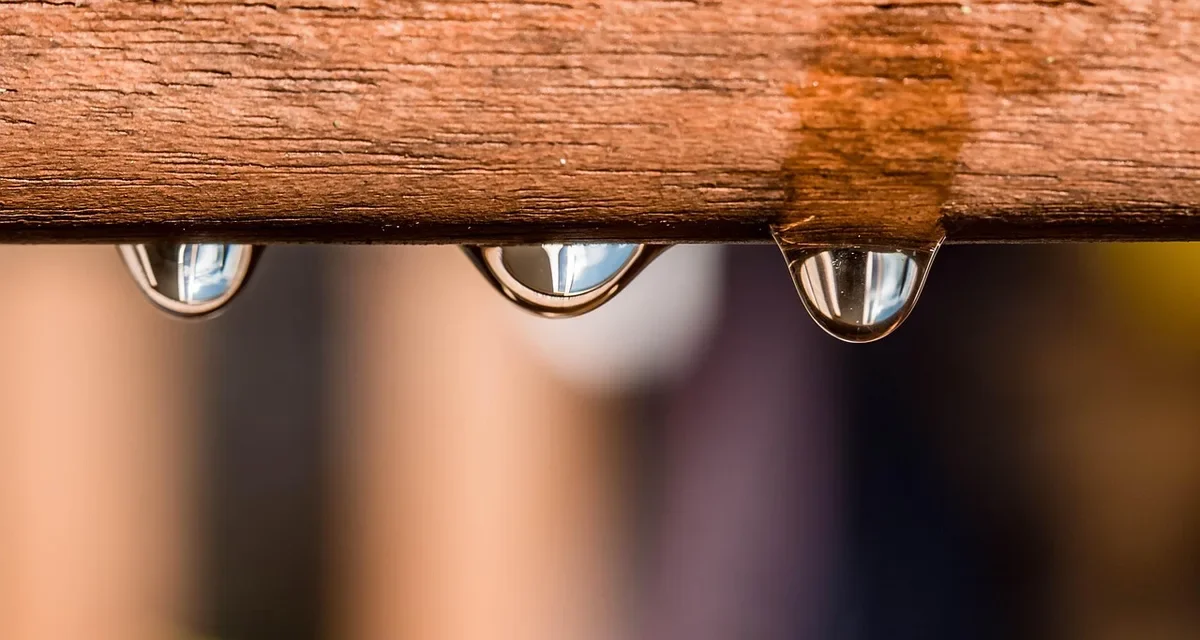
No, fiberboard is not waterproof. Every common type, from insulation board to MDF to hardboard, is wood fiber held together with resin, and water soaks into those fibers and makes the board swell. What changes from type to type is how much and how fast, and that difference is worth knowing before you put a panel near a sink, a bathroom wall or a garden shed.
Most articles on this question treat fiberboard as one material. It is really a family of boards with different densities and different water limits, and the published standards spell those limits out. This guide uses the numbers from the hardboard and MDF standards to show what "water-resistant" actually promises, where fiberboard fails first, and how to protect it when you have no choice but to use it in a damp spot.
What Actually Protects Fiberboard From Water
Best Edge-Sealing Primer Pick
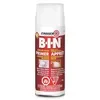 |
Zinsser B-I-N Shellac-Base Primer-Sealer (369 g spray can) – $23.13 A shellac-based primer-sealer in a spray can, handy for getting a first barrier coat onto the cut edges and end faces of fiberboard, which are the places water gets in first.
|
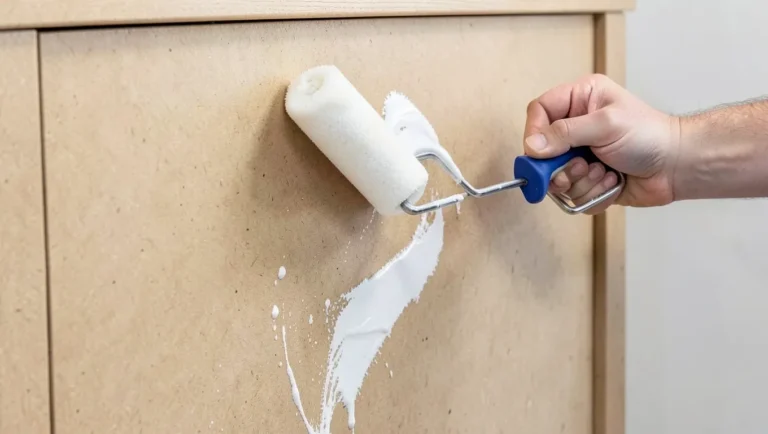
A sealed edge does more for fiberboard than any label on the board. The flat faces of a panel are pressed dense, while a saw cut opens up the less dense core inside. Seal the cut edges, end faces, cutouts and screw holes with a stain-blocking primer before assembly, then paint every face. The full ranked list of sealing methods is in our guide to how to make MDF waterproof.
Fiberboard Is a Family, Not One Material
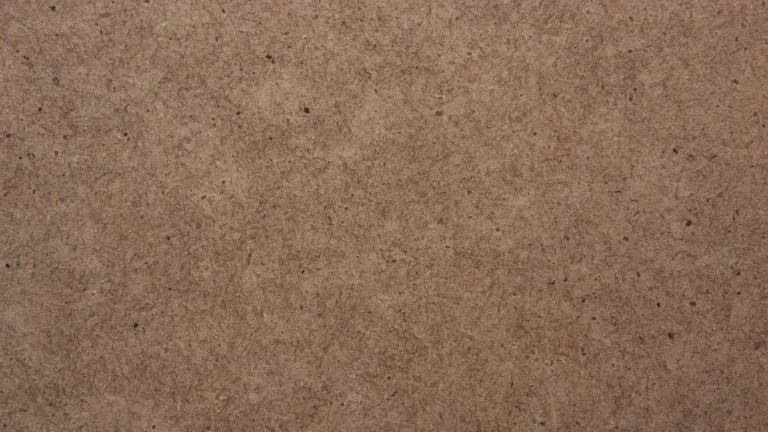
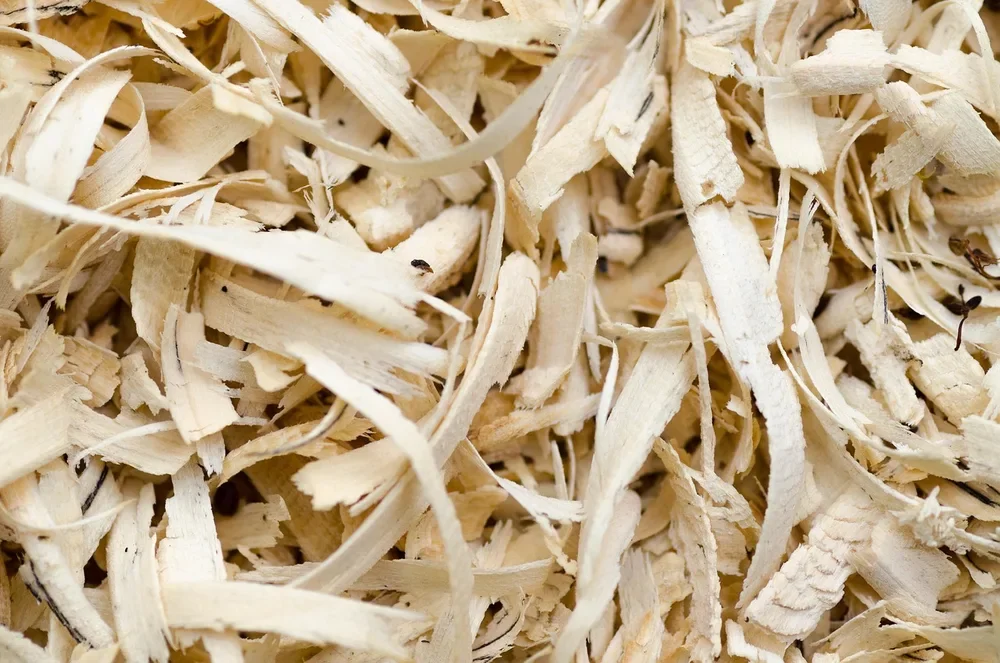
Fiberboard is made by breaking wood down into fibers, mixing in resin or wax and pressing the mat under heat. The three common grades are usually listed in order of increasing density: low-density (insulation or softboard) fiberboard, medium-density fiberboard (MDF) and high-density fiberboard, which includes hardboard. Denser boards take up water more slowly, but the numbers below show that none of them gets close to waterproof.
| Type | Density (published figure) | Typical water behavior |
|---|---|---|
| Hardboard (basic) | 500 kg/m3 (31 lb/ft3) or greater under ANSI A135.4 | Standard and tempered classes have set limits on water absorption and swelling (see next table) |
| MDF, ANSI Grade 130 | 700 to 745 kg/m3 | Not moisture-resistant unless made and labeled to a moisture-resistant (MR) tier |
| MDF, ANSI Grade 155 | 740 to 770 kg/m3 | Same: standard grade swells when wet; MR50 versions are tested for water submersion and aging |
What the Hardboard Standard Really Allows
The North American hardboard standard, ANSI A135.4, is a rare case where a fiberboard standard prints its water limits in public. It sets a maximum average water absorption (by weight) and a maximum thickness swell for each class and each panel thickness, using test methods from ASTM D 1037. The table shows a few of the values for the classes most people run into.
| Hardboard class | Panel thickness | Max water absorption (by weight) | Max thickness swell |
|---|---|---|---|
| Class 1 Tempered | 1/8 in. (3.2 mm) | 25 percent | 20 percent |
| Class 1 Tempered | 1/4 in. (6.4 mm) | 20 percent | 15 percent |
| Class 2 Standard | 1/8 in. (3.2 mm) | 35 percent | 25 percent |
| Class 2 Standard | 1/4 in. (6.4 mm) | 25 percent | 20 percent |
| Class 4 Service | 1/8 in. (3.2 mm) | 45 percent | 35 percent |
| Class 4 Service | 1/4 in. (6.4 mm) | 40 percent | 30 percent |
Read those numbers as a ceiling on how bad a passing panel can be. A 1/4 inch tempered panel, the best class shown, can still gain up to a fifth of its own weight in water and grow 15 percent thicker in the test and meet the standard. That is a board that resists water better than the others, not a board that ignores it. The tempered class also runs 5 to 10 points lower than standard hardboard at the same thickness, which is the measurable payoff of the tempering treatment.
Corrected Myth: Water-Resistant Does Not Mean Waterproof
Product pages sometimes call MDF or hardboard "moisture-proof" or "waterproof." Neither ANSI standard defines a waterproof class. The classes exist to measure how much a board swells, and every class is allowed to swell. If a listing says waterproof fiberboard, treat it as marketing language and look for the actual tier, such as an MR rating on MDF or a tempered class on hardboard.
MDF Moisture-Resistant Grades
For MDF, the ANSI A208.2 standard sets moisture-resistance tiers labeled MR10, MR30 and MR50. Manufacturers such as Uniboard describe their MR50 panel as one that passes both the six-cycle accelerated aging test and the 24-hour water submersion test. That is a real step up from ordinary MDF, and it is why moisture-resistant MDF is the sensible choice for a bathroom vanity carcass or a laundry cabinet. It is still tested for swelling, not for staying dry, so it still needs its edges sealed. Our comparison of MDF and moisture-resistant MDF shows how to tell them apart at the lumberyard, and MDF versus hardboard covers how the two compare on strength and use.
Where Fiberboard Fails First
Water rarely attacks a fiberboard panel evenly. It gets in through a few weak points, and you can protect against each one.
- Cut edges and end faces: sawing exposes the fibers inside the panel. This is where swelling starts, so seal these first and seal them twice.
- Screw holes and dadoes: every fastener opening is a channel into the core. Brush or spray sealer into holes and grooves before assembling.
- Bottom edges near the floor: a cabinet base sitting in a puddle or on a damp slab soaks up water from below. Raise the panel or add a sealed toe kick.
- Scratches through the paint: a chip that reaches bare fiberboard gives water a way in. Touch up damage quickly.
- Standing water and steam: a splash wiped up in minutes is a very different exposure than a leak that keeps a panel wet for hours. Constant humidity, as in a shower enclosure, is the worst case.
If you need help after a panel has already been soaked, see what happens if MDF gets wet and how to fix MDF water damage. For the most common fiberboard in that question, our answer on whether MDF is waterproof covers that one board in detail.
Which Fiberboard for Which Job
| Situation | Suggested choice | Why |
|---|---|---|
| Dry indoor shelving or furniture | Standard MDF or hardboard | Water exposure is minimal, so the cheapest grade works |
| Bathroom or laundry cabinet | MR-rated MDF, edges sealed and painted | Tested to resist swelling; sealing covers the cut edges the test does not |
| Thin panel that may get damp (cabinet backs, drawer bottoms) | Tempered hardboard, painted | Tempered class has lower absorption and swell limits than standard |
| Outdoor build or constant wet exposure | Skip fiberboard | Plywood made for exterior use or rot-resistant solid wood is safer |
A related material comes up often in these searches. Melamine panels are usually a fiberboard or particleboard core wrapped in a resin-saturated paper surface, which changes where water can enter. We cover that separately in is melamine waterproof.
How to Seal Fiberboard for a Damp Location
- Cut and drill every piece first, so all raw edges exist before you seal anything.
- Sand cut edges lightly and dust them off, then apply a stain-blocking primer to each edge, end face and hole. Let it dry fully.
- Apply a second coat to edges, since they absorb the most.
- Assemble with the sealed parts, then prime and paint all visible faces.
- Caulk joints that face water, such as where a countertop meets a wall.
- Recheck the finish every year or so in a bathroom or laundry room and touch up chips.
Sealing slows water down, it does not stop a determined leak. That is the honest limit of any coating on fiberboard, and it is why the material choice above matters as much as the coating.
Frequently Asked Questions
Is fiberboard waterproof?
No. Fiberboard is made of wood fibers bonded with resin, and none of the standard grades is waterproof. Tempered hardboard and moisture-resistant MDF swell less than ordinary panels, but they still absorb water through cut edges and any unsealed surface.
Is tempered hardboard waterproof?
No. Tempered hardboard is standard hardboard given a curing treatment that improves water resistance. Under ANSI A135.4, a 1/4 inch tempered panel is still allowed to absorb up to 20 percent of its weight in water and swell up to 15 percent in thickness in the standard’s test.
Can fiberboard be used outdoors?
Bare fiberboard should not be left outdoors. Water reaching cut edges, fasteners or a scratched finish will make it swell and weaken. If a project must sit outside, plywood rated for exterior use or a rot-resistant solid wood is a safer starting material.
What happens if fiberboard gets wet?
Fiberboard absorbs water and swells, most visibly along the edges. Once a panel has swollen and dried, the fibers do not return to their original position, so the thickness gain and rough edge are usually permanent. Sealed panels that stay dry for the rest of their life may be repaired with filler and paint.
How do you make fiberboard more water-resistant?
Seal every face, and above all every cut edge and screw hole, with a stain-blocking primer such as a shellac-based or oil-based primer, then finish with paint. Seal edges before assembly, because edges take on water far faster than the flat faces.
Conclusion
Fiberboard is not waterproof, and the standards that govern it say so in numbers: even tempered 1/4 inch hardboard is allowed to gain up to 20 percent of its weight in water and swell 15 percent, and MDF needs an MR rating to earn any moisture claim at all. Pick the grade that matches the exposure, seal every cut edge before you assemble, paint all faces, and keep constant wet conditions away from fiberboard entirely.
Sponsored / affiliate links. As an Amazon Associate I earn from qualifying purchases. I may earn additional commission from eligible campaigns.