DIY Wood Desk Top: Transform Your Workspace with Style
A DIY wood desk top project can be a fun and rewarding experience. It allows you to create a personalized workspace that fits your style and needs.
Crafting your own desk top offers a unique blend of creativity and practicality. Whether you’re setting up a home office or a crafting space, a custom desk top can make all the difference. You can choose the type of wood, the finish, and the size to perfectly suit your space.
Plus, building it yourself can save money while providing a sense of accomplishment. In this blog, we’ll explore the essentials of creating your own wood desk top, from selecting materials to adding the finishing touches. Let’s dive into the world of DIY and start your next project!
Credit: angelamariemade.com
Choosing The Right Wood
Selecting the right wood for a DIY wood desk top is essential. Consider durability, grain pattern, and finish options. Choose quality wood for a long-lasting and beautiful desk.
Types Of Wood
Choosing the right wood is key for a strong desk top. Hardwoods like oak, maple, and walnut are good choices. These woods are durable and look good. Softwoods like pine are cheaper and lighter. But they are less durable. Think about your needs and budget.
Wood Quality And Durability
High-quality wood lasts longer and looks better. Look for wood that is free from knots and cracks. Durability depends on the type of wood and how it is treated. Proper finishing can make even softwoods last longer. Always check the wood quality before buying.
Essential Tools And Materials
You will need a saw to cut the wood. A drill is essential for making holes. Use a sander to smooth the wood. A tape measure helps in accurate measuring. A clamp will hold the wood steady. A screwdriver is necessary for assembling. Lastly, keep safety goggles to protect your eyes.
Gather wood planks for the desk surface. You will need wood screws for joining parts. Wood glue provides extra strength. Sandpaper smoothens the wood. Wood stain or paint gives a nice finish. Brushes help in applying paint or stain. Protective gloves keep your hands safe.
Measuring And Cutting
Using a tape measure ensures precise measurements. Always measure twice to avoid mistakes. Mark the wood clearly with a pencil. This helps in cutting.
Use a saw that suits the wood type. A hand saw is good for small cuts. A circular saw is better for long, straight cuts. Always cut slowly and steadily. This prevents mistakes and injuries.
Assembling The Desk Top
Creating a DIY wood desk top involves selecting quality wood and ensuring precise measurements. Sanding and finishing bring out the natural beauty of the wood. The result is a custom, functional workspace.
Joining Wood Pieces
Pick quality wood pieces. Check for smooth surfaces. Align the pieces carefully. Use wood glue to stick them. Press them together. Wait for the glue to dry. Sand the edges. Make sure they are even. This ensures a flat desk top.
Securing The Structure
Use clamps to hold the wood. This keeps them in place. Drill holes for screws. Put screws in each hole. Tighten them well. This makes the desk strong. Check if the desk top is stable. If not, adjust the screws. Your desk is now ready for use.
Sanding And Smoothing
Start with coarse grit. Use 60 or 80 grit sandpaper. This removes rough spots. Next, move to medium grit, like 120 grit. It smooths the surface more. Finish with fine grit. Use 220 grit or higher for a smooth finish.
Sand along the wood grain. This avoids scratches. Use even pressure. Keep the sander moving. Do not stay in one spot too long. Check the surface often. Feel for smoothness. Remove dust between sandings.
Staining And Finishing
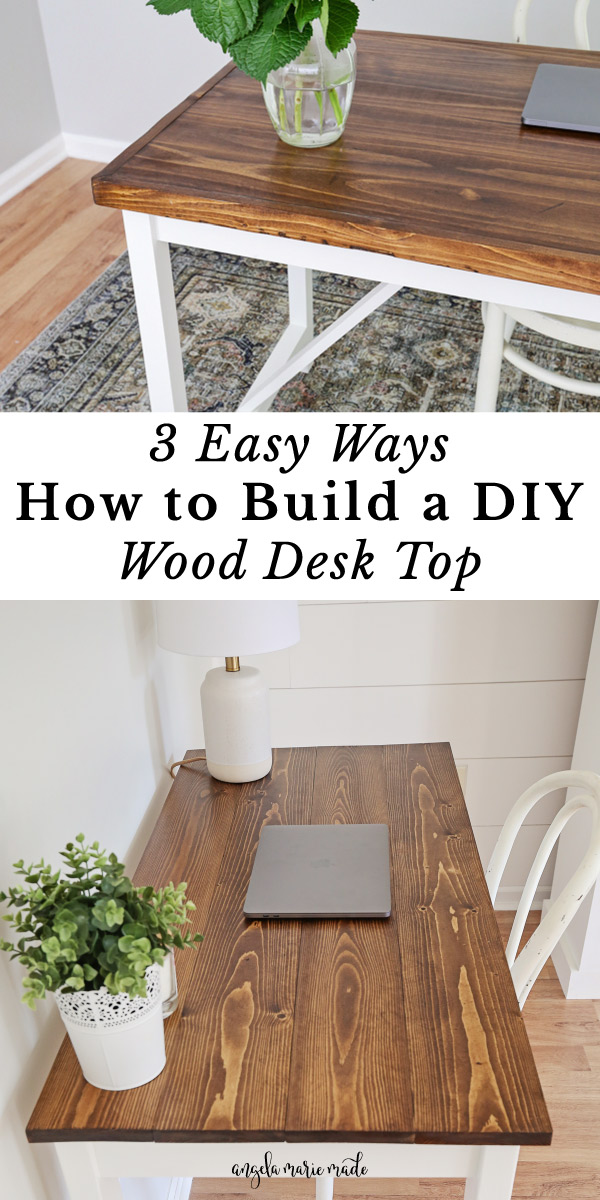
Choosing the right stain color is important. Think about the room’s style. Dark stains can make wood look rich. Light stains can show wood’s natural beauty. Test different stains on small pieces of wood. Compare them to find the best color. It’s good to consider the light in the room. Bright rooms may need darker stains. Dim rooms might look better with lighter stains.
Start by sanding the wood. Use fine sandpaper. This makes the wood smooth. Clean the dust with a cloth. Apply the stain with a brush or cloth. Wipe off extra stain. Let it dry. After staining, apply a clear finish. This protects the wood. Use a brush to spread the finish. Let it dry completely. You may need a second coat. Sand lightly between coats.
Mounting The Desk Top
First, place the desk top on the base. Make sure it is centered. Mark the spots where you will screw it in. Use a drill to make pilot holes. This keeps the wood from splitting. Next, screw the desk top to the base. Use strong screws for a firm hold.
Check that the desk does not wobble. If it does, tighten the screws. Add corner braces if needed. These will make the desk more stable. Test the desk by gently pushing on it. Make sure it stays firm.

Credit: www.youtube.com
Adding Personal Touches
Choose decorative edges to make your desk unique. Rounded edges give a soft look. Beveled edges add a classic touch. Router tools can create detailed designs. Patterns like waves or floral shapes look beautiful. Simple tools can help you achieve these designs.
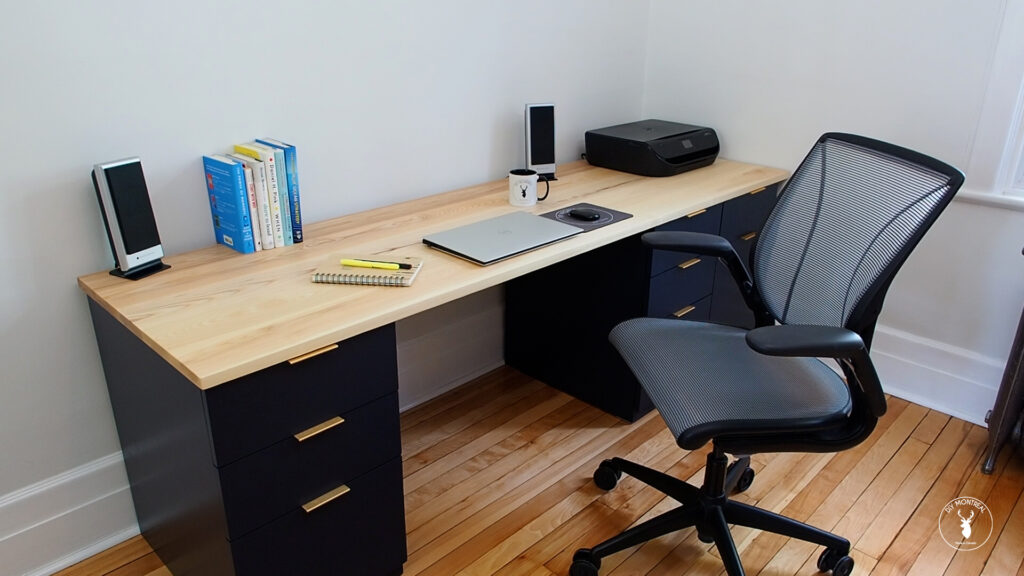
Custom features enhance the desk’s functionality. Add a built-in cable management system. This keeps wires tidy. Install drawers for extra storage. Shelves can hold books and accessories. Consider adding a space for charging devices.
Maintenance Tips
Clean your wood desk top often. Use a soft cloth to wipe dust. Avoid using harsh chemicals. They can damage the wood. A mild soap and water mix is best. Dry it with a clean cloth. This keeps your desk looking great.
Use coasters for drinks. This prevents water rings. Avoid placing hot items directly on the desk. Use a mat or trivet instead. Sharp objects can scratch the wood. Be careful with pens and tools. Always use a cutting board when working with knives.
Credit: www.diymontreal.com
Frequently Asked Questions
What Type Of Wood Is Good For A Desk Top?
Solid wood like oak, walnut, and maple are excellent for desk tops. They offer durability, elegance, and a timeless look.
How Thick Should Wood Be For A Desk Top?
A desk top should be 1 to 1. 5 inches thick. This thickness ensures durability and stability.
Is Plywood Strong Enough For A Desk?
Yes, plywood is strong enough for a desk. It offers durability, stability, and a smooth surface for work.
Is Mdf Better Than Plywood For Desktop?
Plywood is generally better for desktops due to its strength and durability. MDF is cheaper but less sturdy.
Conclusion
Creating your own DIY wood desk top is rewarding and fun. It adds a personal touch to your workspace. Plus, it’s cost-effective and customizable. You can choose the wood type and finish. This project boosts your skills and creativity. Try it and enjoy a unique, handmade desk.
Happy crafting!