Do I Need a Jointer for Woodworking? Unlock Precision!
A jointer is essential for achieving flat, straight edges on lumber. It helps in preparing wood for precise joints and finishes.
Woodworking requires precision and attention to detail. A jointer plays a crucial role in this process. It flattens and straightens rough lumber, ensuring tight joints and smooth surfaces. Without a jointer, achieving these results becomes challenging. You might rely on other tools, but they won’t provide the same accuracy.
A jointer can save time and effort in the long run, making it a valuable addition to your workshop. Whether you’re a beginner or an experienced woodworker, understanding the benefits of a jointer can enhance your projects significantly. Investing in this tool can elevate your woodworking skills and improve your final results.
Introduction To Precision In Woodworking
Woodworking requires precision for the best results. A jointer helps achieve that by making edges flat and straight. This tool is essential for joining boards together.
Many believe a jointer is not necessary for small projects. This is a common misconception. Even for simple tasks, a jointer can save time and effort.
Using a jointer ensures boards fit together perfectly. It prevents gaps and misalignments in your projects. A well-jointed board makes a big difference in quality.
The Essentials Of A Woodworking Shop
Choosing the right tools is key for successful woodworking. A jointer can help you create flat surfaces on boards. This tool removes warps and twists from wood. A jointer also ensures perfect edges for joints.
Budget considerations play a big role in tool selection. Quality tools can be expensive but last longer. Look for second-hand options to save money. Compare features and prices before buying. A jointer is an investment that can improve your projects.
Consider your woodworking plans. If you work with large boards, a jointer is useful. For small projects, it might not be necessary. Think about your skills and future needs.
What Is A Jointer?
A jointer is a woodworking tool that helps make surfaces flat. It is great for preparing wood for projects. The main purpose is to create a smooth edge on boards.
Basic functions of a jointer include:
- Flattening one face of the wood.
- Creating a straight edge on one side.
- Jointing boards to make them wider.
Types of jointers available are:
| Type | Description |
|---|---|
| Benchtop Jointer | Portable and great for small spaces. |
| Floor Model Jointer | More powerful and suited for larger projects. |
| Spiral Jointer | Uses spiral cutters for a smoother finish. |
Comparing Jointers With Planers
Jointers and planers serve different purposes in woodworking. A jointer flattens and squares the edges of boards. It helps create a smooth surface for joining pieces together. Use a jointer when starting with rough lumber. This tool ensures your boards fit together nicely.
A planer reduces the thickness of wood. It can also smooth surfaces but not edges. Use a planer for boards that are already flat. This tool makes your wood uniform in thickness.
| Feature | Jointer | Planer |
|---|---|---|
| Function | Flattens and squares edges | Reduces thickness |
| Use | Rough lumber | Already flat boards |
Benefits Of Having A Jointer
Using a jointer in woodworking brings many advantages. Improved accuracy is one of the main benefits. It helps create flat surfaces. This makes joining pieces easier and cleaner.
Time efficiency is another key factor. A jointer reduces the time spent on manual work. You can quickly prepare wood for projects. This allows for faster project completion.
Overall, having a jointer enhances the quality of woodworking. It helps achieve precise cuts and a smooth finish.
Jointer Techniques And Tips
Safety first is crucial in woodworking. Always wear proper safety gear. Use goggles to protect your eyes. Ear protection can help reduce noise. Keep hands away from the cutting area. Make sure the area is clean and dry.
Advanced uses of a jointer include creating flat surfaces. It can also help with edge jointing. Use it to prepare wood for glue-ups. You can make beveled edges for unique designs. A jointer allows for precise cuts, enhancing your projects.
Alternatives To A Jointer
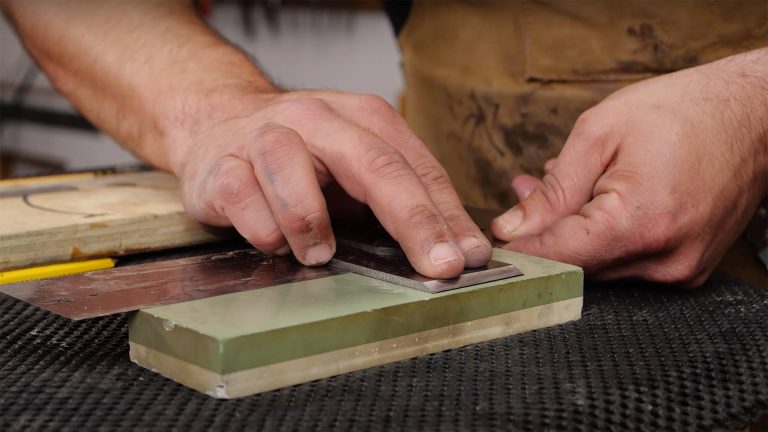
Hand tools can serve as great alternatives to a jointer. A hand plane is a popular choice. It helps flatten and square edges effectively. Using a hand plane requires practice and skill.
Another option is a chisel. It allows for precise adjustments on edges. A chisel works well for small projects. Consider using a straight edge with it for accuracy.
A block plane is useful for smoothing edges. It works well on end grain. This tool is handy for quick jobs.
Using a planer as a jointer is also possible. Set the planer to take light passes. This method helps achieve flat surfaces. A planer can be faster than a jointer for some tasks.
Making The Decision
Deciding to buy a jointer depends on your woodworking projects. Consider the type of woodwork you will do. Do you need perfectly flat edges? A jointer might be helpful.
Look at your budget. A jointer can be a big investment. Check how often you will use it. If you work with wood often, it may be worth the cost.
Compare the benefits of a jointer to other tools. A jointer makes edges flat and straight. It saves time and effort in the long run. Think about your space too. A jointer takes up room in your workshop.
Use the following table for a cost vs. benefit analysis:
| Aspect | Cost | Benefit |
|---|---|---|
| Initial Investment | High | Precision in edges |
| Maintenance | Moderate | Long-lasting results |
| Space Requirement | Large | Improved workflow |
Frequently Asked Questions
Do I Really Need A Jointer For Woodworking?
A jointer is essential for achieving flat surfaces on lumber. It helps in removing twists, cups, and bows from wood. If you work with rough lumber, a jointer saves time and improves accuracy. However, it’s not mandatory if you primarily use pre-surfaced wood.
What Are The Benefits Of Using A Jointer?
Using a jointer provides several advantages. It ensures that your boards are flat and square, which is crucial for precise joinery. A jointer also enhances the overall quality of your projects. It can save you time in the long run by streamlining the preparation process.
Can I Skip A Jointer In My Workshop?
While you can skip a jointer, it might complicate your woodworking. Alternatives like hand planes or a thickness planer exist but require more skill. Skipping a jointer may lead to less accurate cuts. For serious woodworkers, a jointer is a worthwhile investment.
What Alternatives Exist For A Jointer?
If a jointer isn’t available, consider using a hand plane. A thickness planer can also flatten one face, but you’ll still need to square edges. Alternatively, you can use a table saw with a sled for edge jointing. Each method has its pros and cons, so choose wisely.
Conclusion
A jointer can significantly enhance your woodworking projects. It ensures flat, straight edges for better fitting and finishing. While not essential for every woodworker, it can save time and improve quality. Consider your specific needs and budget. Ultimately, investing in a jointer may elevate your woodworking skills and results.