Do Ryobi Batteries Fit Other Brands? Compatibility & Risks
Ryobi ONE+ 18V batteries do not natively fit any other brand’s tools — the connector shape is proprietary, and only a third-party adapter (about $15–$30) bridges the gap, one brand pairing at a time. Adapters reshape the connector but never restore the battery’s communication link to the tool, so a mismatched charge can overheat unnoticed. This guide covers which adapters exist, which tools are safe to try them on, and what actually voids your warranty.
Quick Answer
No — Ryobi ONE+ batteries are not designed to fit DeWalt, Milwaukee, Makita, Ridgid, or Craftsman tools out of the box. A generic third-party adapter can force the connection, but it only works one direction per adapter and does not restore battery-to-tool communication, so it’s only reasonably safe on low-draw tools (lights, fans, compact drivers) — not saws, grinders, or SDS drills.
Why Ryobi Batteries Don’t Fit Other Brands Natively
Best Ryobi ONE+ Battery Pick
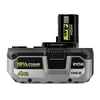
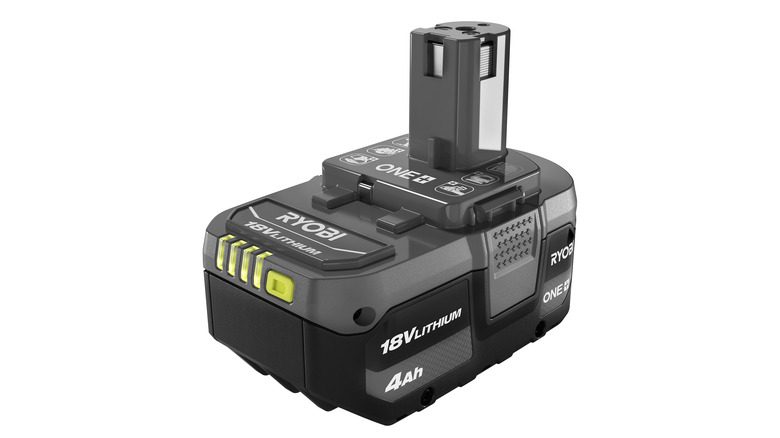
Ryobi ONE+ 18V 4.0Ah Battery (PBP004)
Genuine TTI/Ryobi high-performance pack — the straightforward, warranty-safe way to add runtime without touching a cross-brand adapter.
- Best for: Ryobi ONE+ tool owners who want more runtime on demanding jobs
- Why we picked it: genuine Ryobi platform battery — no adapter, no communication gap, full warranty coverage
- Main drawback: only works with Ryobi ONE+ tools, so it doesn’t solve a true cross-brand need
Compare more Ryobi ONE+ power options
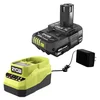 Option 1 Ryobi ONE+ 2.0Ah Battery + Charger Kit
|
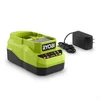 Option 2 Ryobi 18V ONE+ Charger (PCG002)
|
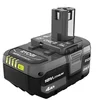 Option 3 Ryobi ONE+ 4.0Ah Battery (PBP005)
|
As an Amazon Associate we earn from qualifying purchases.
Every cordless tool brand uses its own battery footprint — the physical rail shape, the number of contact pins, and the firmware handshake between battery and tool are all proprietary. Ryobi’s ONE+ 18V platform is no exception: the slide-on connector and pin layout are unique to Ryobi, so a Ryobi battery physically cannot click into a Milwaukee, DeWalt, or Makita tool without something reshaping the connection first.
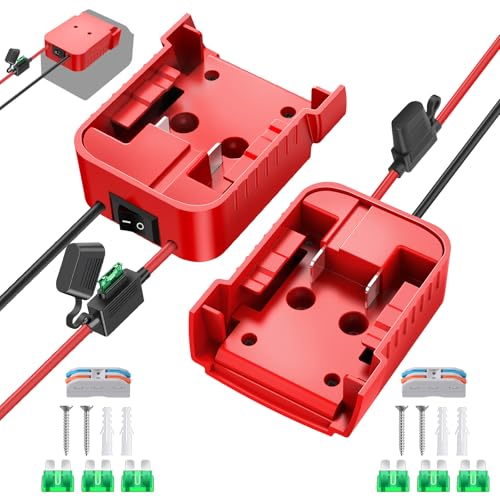
That “something” is a battery adapter — a small plastic housing sold by third-party sellers, not by Ryobi, DeWalt, Milwaukee, or Makita themselves. No adapter has been endorsed by any of these manufacturers, and installing one is considered outside normal use for both the battery and the tool.
Ryobi ONE+ Battery Design
Ryobi’s common 18V battery models — P102, P108, and P197 — share the same ONE+ connector but differ in capacity and weight. The P102 is a lightweight 1.5Ah pack, the P108 is a higher-capacity 4.0Ah pack built for longer runtime, and the P197 is a mid-range 6.0Ah pack aimed at daily, heavier use. Each pack includes a small onboard circuit that reports charge level and temperature to Ryobi tools and Ryobi chargers specifically — it does not talk to other brands’ tools, which is part of why a bare mechanical adapter can’t restore full functionality.
Ryobi Battery Compatibility Chart: What Actually Fits
None of the brands below accept a Ryobi ONE+ battery natively. The table shows which ones have a workable third-party adapter and what that adapter is realistically good for.
| Brand / Platform | Native Fit | Adapter Available | Realistic Use |
|---|---|---|---|
| DeWalt 20V MAX | No | Yes (~$15–$25, one direction) | Low-draw DeWalt tools only — work lights, radios, compact drivers |
| Milwaukee M18 | No | Yes (~$15–$25, one direction) | Low-draw M18 accessories, not saws or SDS drills |
| Makita 18V LXT | No | Yes (~$15–$25, one direction) | Fans, lights, inflators — not high-amp tools |
| Ridgid 18V (TTI-licensed) | No — different connector despite shared parent company | Limited, less common | Not a reliable swap even though TTI licenses both brands |
| Craftsman V20 | No | Yes (~$15–$25, one direction) | Low-draw Craftsman accessories only |
The Ridgid row surprises a lot of people: Ryobi and Ridgid cordless tools in North America are both licensed through the same parent company, Techtronic Industries (TTI), but that shared ownership does not carry over into a shared battery connector — the two lines were engineered separately, so a Ryobi ONE+ battery still won’t click into a Ridgid tool without an adapter.
Can You Use a Battery Adapter to Cross Ryobi With Other Brands?
Yes, generic third-party adapters exist for around $15–$30, and they physically let a Ryobi ONE+ battery power a DeWalt, Milwaukee, or Makita tool — but only in one direction per adapter. A Ryobi-to-DeWalt adapter will not also work as a Ryobi-to-Milwaukee adapter; each brand pairing needs its own separate adapter.
📊 An adapter reshapes the physical connector only — it does not replicate the voltage, temperature, or battery-health data the tool and battery normally exchange. That missing communication link is what turns a simple fit problem into a real overheating and fire risk on high-draw tools.
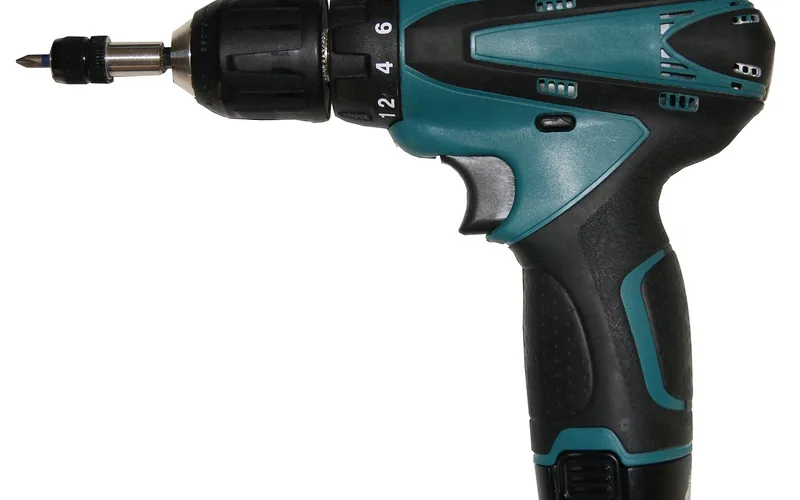
- Reasonably safe candidates: LED work lights, radios, fans, inflators, and compact low-amp drivers
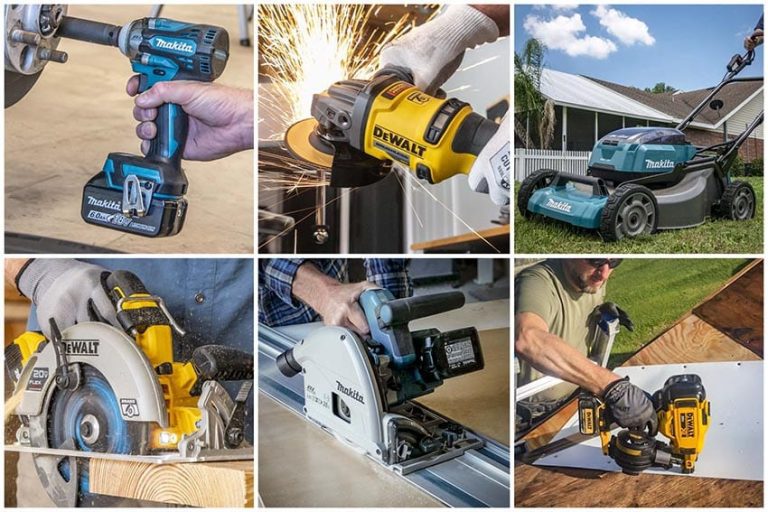
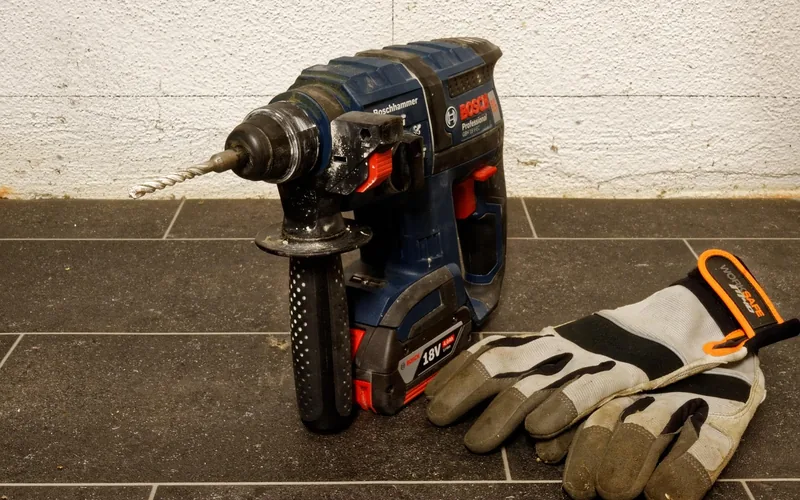
- Avoid entirely: circular saws, angle grinders, SDS rotary hammers, and reciprocating saws — their current draw is exactly what an adapter can’t safely regulate
“Running Ryobi, DeWalt, and Milwaukee tools side by side in the same shop for years makes one thing obvious: buying batteries and tools on the same platform is what actually saves money over time. Chasing a cross-brand adapter to avoid a second battery almost always costs more in frustration — and voided warranty coverage — than it saves.”
Real Risks: Why Mismatched Batteries Can Overheat or Void Your Warranty
Using a Ryobi battery with another brand’s tool through an adapter carries three concrete risks. First, overheating: without the tool relaying temperature data back to the battery, the pack can keep discharging even after it’s running hot. Second, over-discharge or overcharge: the battery’s protection circuit is tuned for Ryobi’s charge curve, not the other brand’s draw pattern. Third, warranty voiding: both Ryobi and the tool brand consider adapter use outside normal operation, so damage claims on either side are typically denied.
Should You Build Your Own Ryobi Battery Adapter?
No — don’t solder or cut into a Ryobi battery pack to force a fit. A commercially sold adapter at least uses a molded housing sized to the original connector; a homemade version skips that engineering entirely. Cutting battery leads, splicing wires, or soldering directly onto lithium-ion cells removes the pack’s built-in short-circuit protection and creates a real risk of a hard short, thermal runaway, or fire — especially on packs already a few years old.
If you need cross-brand power, buy a manufactured adapter with proper over-current protection and use it only on the low-draw tools listed above. If the tool you actually need to run is a saw, grinder, or another high-amp tool, the safer and cheaper long-term move is simply buying that tool’s own battery.
Pros and Cons of Using a Cross-Brand Adapter
- Pro: avoids buying a second battery just for one occasional low-draw tool
- Pro: lets you standardize on fewer battery packs across light-duty accessories
- Con: voids the warranty on both the battery and the tool
- Con: no communication between battery and tool, so overheating can go undetected
- Con: only works one direction — a separate adapter is needed for every brand pairing
- Con: not safe for high-draw tools like saws, grinders, or rotary hammers
For the full lineup of ONE+ tools and official accessories, see Ryobi’s official site. For more battery and tool-maintenance guides, visit our tool care hub.
Frequently Asked Questions
Do Ryobi batteries fit other brands?
No. Ryobi ONE+ batteries use a proprietary connector that only fits Ryobi tools and Ryobi chargers. A third-party adapter can force a Ryobi battery into a DeWalt, Milwaukee, or Makita tool, but that’s a workaround, not native compatibility.
Can I use a Ryobi battery on a DeWalt tool?
Only with a Ryobi-to-DeWalt adapter, and only on low-draw DeWalt tools like work lights or compact drivers. The adapter doesn’t restore battery-to-tool communication, so avoid using it on DeWalt saws or high-amp tools.
Are Ryobi and Ridgid batteries interchangeable?
No. Even though Ryobi and Ridgid cordless tools are both licensed through the same parent company (TTI) in North America, the two lines use different battery connectors. A Ryobi ONE+ battery will not click into a Ridgid tool without an adapter, and adapter options for this specific pairing are limited.
Is it safe to use a battery adapter with Ryobi tools?
It’s reasonably safe only on low-draw devices like LED lights, radios, fans, and compact drivers. Adapters don’t relay voltage, temperature, or health data between the battery and tool, so using one on a saw, grinder, or rotary hammer risks overheating or fire.
Does using an adapter void my Ryobi warranty?
Yes. Ryobi and every other tool brand consider adapter-based, cross-brand use outside normal operation. If the battery or tool fails while connected through a third-party adapter, warranty claims on either side are typically denied.
Conclusion
Ryobi ONE+ batteries are built for the Ryobi ONE+ platform only. A third-party adapter can technically force a connection to another brand’s tool, but it comes without warranty protection and without the safety communication that keeps a battery from overheating. Save the adapter for low-draw accessories, and buy the matching battery for anything with real cutting or drilling power behind it.
Sponsored / affiliate links. As an Amazon Associate I earn from qualifying purchases. I may earn additional commission from eligible campaigns.