Does Stacked Firewood Attract Termites?
Yes—stacked firewood can attract termites, but the main home risk comes from wet wood stored against the house or on soil, not from a dry pile kept several feet away. Ignore it, and you can turn a temporary fuel stack into a hidden bridge for termite entry and moisture damage. This guide separates hitchhiker termites from real infestation risk and gives a simple storage decision tree for your yard, shed, garage, or stove area.
Do termites go after stacked firewood?
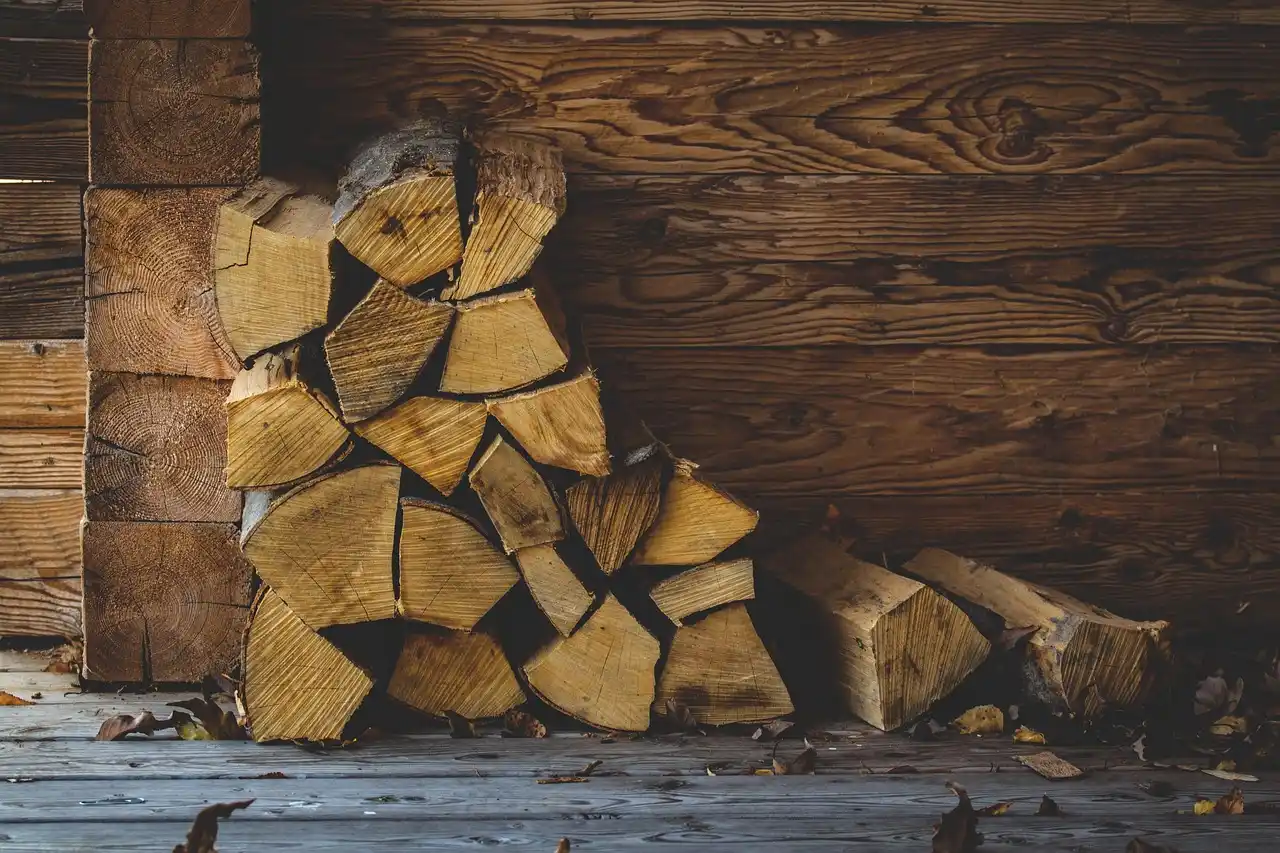



Yes, termites can move into stacked firewood when the wood is damp, touching soil, or stored too close to a structure. The real concern is not that every pile becomes an infestation, but that a moist pile can support termites and give subterranean termites a path from the ground to siding or framing.
Why damp wood matters
Termites feed on cellulose, and damp wood is far more inviting than dry wood. Rain, dew, and soil contact keep a pile wet longer, especially when the stack sits low with little airflow. That moisture also helps other pests, including earwigs and carpenter ants, settle into the pile.
Why a pile near the house raises the stakes
A woodpile against the house is more than storage. It can hide mud tubes, hold moisture against siding, and make termite travel easier. Subterranean termites are a common home threat in this context, since they can move upward from soil through contact points and may use stacked wood as a bridge.
Picture a stack leaned against a foundation wall after several wet days. The wood may still burn later, but the pile has already created a sheltered zone where termites can travel from soil into wood and then toward the house. The hazard comes from location, moisture, and contact, not from firewood alone.
Which pests live in firewood?
Firewood can hold termites, carpenter ants, spiders, rodents, earwigs, and centipedes. That does not mean every log is infested. It does mean a pile can act as shelter, and some insects may simply ride indoors when the wood comes inside. The pest matters, because not all of them damage wood the same way.
Subterranean termites versus hitchhikers
Subterranean termites are the main structural risk. They live in soil and travel upward through moist wood and hidden contact points, which is why a stack touching the ground is a problem. If you see mud tubes or mud-like shelter lines, that points to termite movement rather than a random insect visitor.
By contrast, some insects in firewood are hitchhikers. They may hide in the bark, split faces, or loose gaps and then emerge after the wood warms indoors. That is still a nuisance, but it is not the same as active termite damage in the house.
Carpenter ants and wood-boring beetles
Carpenter ants nest in wood but do not eat it. They can tunnel through stacked firewood and be carried indoors with a log bundle. Wood-boring beetles are different again: they can live in firewood, leave tiny exit holes, and shed sawdust-like debris before or after the wood is brought inside. (ORST)
Suppose a homeowner brings in three split logs from a damp pile near a shed. A day later, a few small insects crawl out near the hearth, and there are tiny holes with fine dust on the floor. That is a hitchhiker problem first, not proof of termites in the home structure.
Woodpile termite-risk table
Use this as a quick decision tool. The pile becomes much riskier when it sits close to the house, touches the ground, stays damp, or already shows termite signs. Indoor stacks are the simplest to judge: if wood stays inside beyond a short burn window, the risk to the home rises fast.
| Risk factor | What to look for | Recommended action |
|---|---|---|
| Distance from house | Within 20 feet of the foundation or against siding | Move it to at least 20 feet away |
| Ground contact | Logs or stack touching soil, mulch, or grass | Raise it on a rack, blocks, or pallets |
| Moisture level | Damp wood, wet bark, or pile that stays wet after rain or dew | Improve airflow and keep the stack dry |
| Visible mud tubes/frass | Mud tubes, shelter tubes, or frass near wood or foundation | Stop moving wood inside and call pest control |
| Indoor storage duration | More than a small amount kept indoors for long periods | Bring in only what you will burn immediately |
How far should firewood be from the house?
Keep firewood at least 20 feet from your home or any structures. That buffer lowers the chance that termites or other pests move from the pile to siding, framing, or foundation. If the pile must be near a building, treat it as a short-term exception, not a normal storage spot.
The 20-foot buffer
That distance is useful because subterranean termites move from soil upward and can use contact points to travel. A pile set well away from the house is harder to connect to the foundation. The farther the wood sits from siding, vents, and piers, the less likely it is to become a bridge.
What to do when space is tight
If a yard, patio, or apartment space cannot fit a 20-foot setback, choose the driest possible spot and raise the pile. A covered rack in an open area is better than a stack pressed against a wall. In a garage or shed, keep the pile small and temporary, not a long-term reserve.
Should firewood be kept off the ground?
Yes. Firewood should be kept off the ground because wood touching soil absorbs moisture and gives termites easier access. Raising the stack also improves airflow under it, which helps the wood dry faster and makes the pile less inviting to moisture-loving insects. Ground contact is one of the clearest warning signs.
Best elevation methods
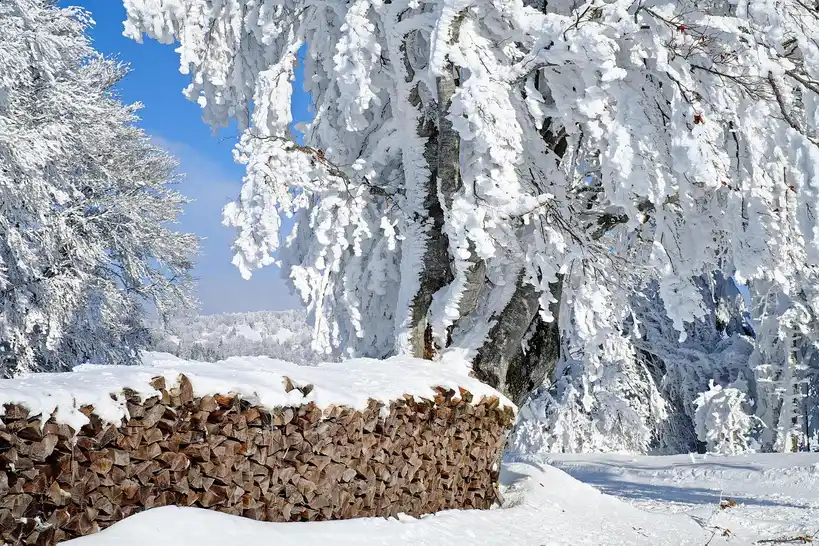
Use a rack, concrete blocks, or treated pallets to keep the stack 6–12 inches off the ground. That height is commonly recommended because it separates the wood from wet soil while still keeping the stack stable. The goal is simple: less moisture, less shelter, less contact with pests.
Covering wood without trapping moisture
Cover the top of the pile if needed, but leave the sides open for airflow. A full wrap traps moisture and defeats the purpose. A breathable cover that sheds rain while letting air move through the stack works better than plastic draped tightly around the wood.
- Set the stack on a rack, blocks, or pallets.
- Leave the sides open for ventilation.
- Keep the wood out of soil contact.
- Move it farther from the house if possible.
- Check the pile after rain or snow for lingering dampness.
Can you keep firewood indoors?
You can keep a small amount indoors, but only what you plan to burn soon. Do not store large piles inside the house for long periods. Indoor storage makes any hidden insects more likely to emerge in living space, and it removes the drying benefit of outdoor airflow.
How much to bring
Bring in only a small amount of firewood, enough for the evening fire. That limits the number of pests that can hitch a ride indoors and reduces the chance that damp wood sits inside long enough to become a problem. A short indoor hold is safer than an open-ended stack by the stove.
What to inspect before you stack it inside
Check each log for mud tubes, frass, tiny exit holes, sawdust-like debris, and soft or damp areas. Look at the bark, split faces, and ends. If you see termite tunnels, do not bring that wood into the home. If the wood looks clean but is wet, keep it outside until it dries better.
A common first-timer mistake is moving the entire week’s supply beside the stove because it feels convenient. That usually means more hidden insects, more mess, and more moisture indoors. A smaller indoor load keeps the risk lower and makes inspection easier.
How do you store firewood to avoid pests?

Store firewood in a dry, airy stack that stays off the ground and away from the house. That means keeping the pile at least 20 feet from structures, raising it 6–12 inches, and only bringing in a small amount at a time. Dry, open storage reduces both termite pressure and hitchhiker pests.
Use this storage path
Start with placement. Put the stack away from the foundation and off soil. Next, check moisture. If the wood stays damp, improve airflow before adding more logs. Finally, inspect before bringing any wood indoors, especially after rain or long outdoor storage.
What to do with kiln-dried, split, or freshly cut wood
Do not assume kiln-dried, split, or freshly cut wood is automatically safe. Drying helps, but poor storage can undo that benefit. A dry piece stacked against the house or left on wet ground can still pick up pests and moisture. Storage conditions matter more than the label on the wood.
When to call a pest control professional
Call a pest control professional if you see live termites, mud tubes, or frass near the pile or on the house. Also call if wood near the foundation stays soft, damp, or damaged without a clear drying reason. Firewood should not be treated with insecticides before storage.
Frequently asked questions
Does stacked firewood attract termites?
Yes, especially when the stack is damp, low to the ground, or stored near the house. Termites need cellulose and moisture, so a wet pile can support them and help them move toward siding or framing. A dry stack kept away from soil is a different risk level.
Does firewood attract termites?
Firewood can attract termites, but it can also attract carpenter ants, wood-boring beetles, earwigs, spiders, and rodents. The key factor is moisture. Damp wood is much more attractive than dry wood, and a pile that touches the ground gives termites easier access from soil.
How far should firewood be from the house: keep firewood?
Keep firewood at least 20 feet from your home or any structures. That distance lowers the chance that termites or other pests move from the pile to the foundation, siding, or framing. If space is tight, keep the pile raised and as far from the house as possible.
Can you keep firewood indoors: yes, but only a small?
Yes, but only a small amount at a time and only for short periods. Bring in what you will burn immediately, not a long-term indoor stack. That lowers the chance of pests emerging inside and keeps hidden moisture from building up in the house.
What pests live in firewood
Firewood can hold termites, carpenter ants, spiders, rodents, earwigs, and centipedes. Wood-boring beetles may also be present and can leave tiny holes and sawdust-like debris. Some insects are only hitchhikers, while termites can signal a real structural risk if they connect to soil or the house.
Sponsored / affiliate links. As an Amazon Associate I earn from qualifying purchases. I may earn additional commission from eligible campaigns.