How to Varnish Wood Floors: Steps, Dry Times, Safety
Most guides tell you to varnish a floor with thin coats and leave it there, but the part that ruins DIY floors is timing: recoat too early and the coats trap solvent, recoat too late and the next coat will not bond without sanding. This guide covers the floor-grade finishes, the sanding steps, and recoat, sanding and cure times taken straight from three manufacturer data sheets, plus the fire and lead safety points that matter before you open a can.
What “Varnish” Means on a Floor (and Which Finish to Buy)
Best Water-Based Floor Finish Pick
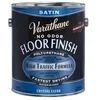 |
Varathane Diamond Water-Based Floor Finish (230231), Satin, 1 Gal: $86.62 This is the product code (230231) covered by the Varathane data sheet quoted in the timing table below, so its recoat and cure numbers apply to it directly.
|
As an Amazon Associate we earn from qualifying purchases.
On floors, “varnish” is now mostly a habit of speech. The finishes sold for floors are polyurethane: oil-based (amber, solvent cleanup) or water-based (clear, water cleanup). Traditional spar varnish is a different product built for outdoor flexing and sun. Minwax’s own data sheet for its Fast-Drying Polyurethane lists floors among its interior uses and says that for exterior use it recommends Helmsman Spar Urethane, so a can labeled spar is the wrong pick for a hallway.
That leaves one real choice. Oil-based finish adds a warm amber tone and dries slower; the Minwax sheet notes slight ambering can occur over light-colored wood and recommends a spot test. Water-based stays clear, dries faster and cleans up with water, but gives you less time to fix mistakes. If you are torn, our guide to the best polyurethane for hardwood floors compares them in more depth, and for the polyurethane-specific steps see how to polyurethane hardwood floors.
Three Floor Finishes, Three Very Different Timetables
Here is what most articles skip: recoat windows, traffic times and even the right applicator differ sharply between finishes. These figures come from the manufacturers’ own data sheets, at their stated test conditions (Minwax: 77F and 50% humidity; Bona: 20C and 60% humidity). Always check the sheet for the exact can you buy, because formulas and revisions change.
| Varathane Water-Based Floor Polyurethane | Minwax Fast-Drying Polyurethane (oil-based) | Bona Traffic HD (2-part waterborne, pro product) | |
|---|---|---|---|
| Time before recoat | 2 hours; sand lightly if any coat has dried more than 24 hours | 4-6 hours or until dry to touch, then sand lightly with 220 grit | 2-3 hours; sanding is always required if more than 24 hours have passed |
| Light foot traffic | 24 hours after final coat | 24 hours after final coat | About 6 hours |
| Full or normal use | Wait 3 days for normal use | Avoid heavy traffic and furniture for 72 hours | Full use after 12 hours |
| Rugs or covering | Not stated separately | Do not install rugs or clean floors for 7 days | Wait at least 3 days before covering |
| Coats | Minimum of 3 recommended | 3 coats for maximum durability | 3 coats in total (including primer), max 2 full coats per day |
| Applicator | Synthetic brush, foam brush or applicator; do not roll or over-brush | Lambswool or synthetic pad, or natural bristle brush | Microfleece roller or swivel head applicator |
| Temperature limits | 55-90F, humidity below 85% | Lower temperature and higher humidity extend dry time | Best at 18-25C (about 64-77F), minimum 13C (about 55F) |
Two points stand out. First, the Varathane sheet says rolling and over-brushing cause bubbles, while Bona’s professional system is built around a roller, so the right applicator depends on the finish, not on habit. Second, the 24-hour rule appears in both the Varathane and Bona sheets: if a coat has sat more than a day, you must abrade before the next one, so plan each coat pass to finish the whole room inside that window.
Note that the Minwax column is for its general Fast-Drying Polyurethane, which lists floors among its uses; Minwax’s separate “for Floors” products have their own sheets. Bona Traffic HD is a two-part professional coating, included only to show how far timetables can range.
Safety First: Fumes, Oily Rags and Lead
Floor finishing is one of the few DIY jobs where the cleanup can start a fire. Read this before you sand or open a can.
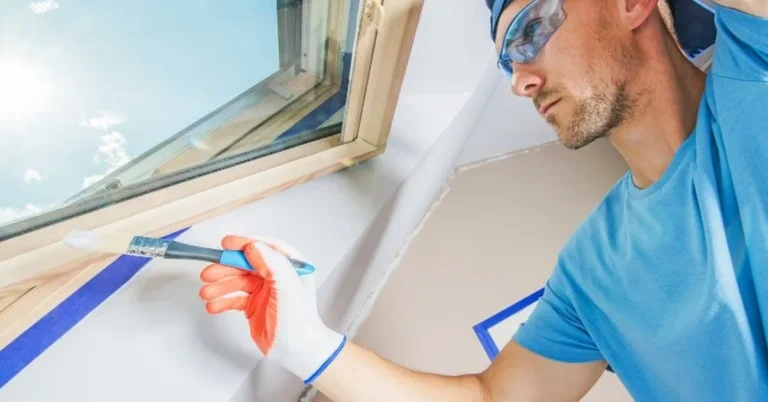
- Ventilation: The Minwax sheet says to open windows and doors or otherwise bring in fresh air during application and drying, and that if you get eye watering, headaches or dizziness you should increase fresh air, wear a NIOSH-approved respirator, or leave the area.
- Oily rags and sanding dust: The same sheet warns that rags, steel wool and other waste soaked with the finish, and the sanding residue between coats, may spontaneously catch fire if improperly discarded. Its instruction is to place them immediately in a sealed, water-filled metal container. It adds that over-application, low temperature and high humidity increase cure time and may raise the risk for sanding residue.
- Ignition sources: The sheet says not to store the finish near heat, sparks, open flames or other sources of ignition. Follow the warnings on your own can.
- Lead in old paint: The Varathane sheet warns that scraping, sanding or removing old paint can release lead dust, recommends a NIOSH-approved respirator with HEPA vacuum and wet-mop cleanup, and lists the National Lead Information Hotline (1-800-424-LEAD). If your floor has paint on it and the house is old, get a lead test before you sand. EPA lead-safe rules apply to professionals working in pre-1978 homes, so ask any contractor about certification.
Prep and Sanding: Where the Finish Is Won
Every data sheet above starts with the same idea: the surface must be clean, dry and free of wax, grease, oil and dust. The Varathane sheet also says old finishes in poor condition should be removed, wax stripped with a wax stripper, and steel wool avoided because rust may develop under a water-based finish.
- Clear and clean the room. Remove furniture, vent covers and rugs, and vacuum edges and corners twice.
- Repair defects first. If you use filler or putty, the Varathane sheet says it must not contain wax and must dry thoroughly before finishing.
- Sand to bare or abrade the old finish. For a full refinish, floor sanders typically step from coarse to fine grits without skipping more than one grit, for example 36 or 40, then 60, 80 and 100, a sequence described in trade sources such as Hardwood Floors magazine. Floors that only need a fresh coat can be abraded with a screen or pad instead of sanded to bare wood. Our sanding and refinishing guide covers that in detail.
- Finish with the grit the data sheet asks for. Varathane says to sand with 150-220 grit before finishing; Bona’s sheet calls for a well-sanded, dust-free floor and P150 or finer for intermediate sanding.
- Remove every trace of dust. Vacuum, then wipe with a tack cloth or a rag dampened with mineral spirits, as the Varathane and Minwax sheets both advise. Dust left behind is the main cause of a gritty finish.
Applying Each Coat
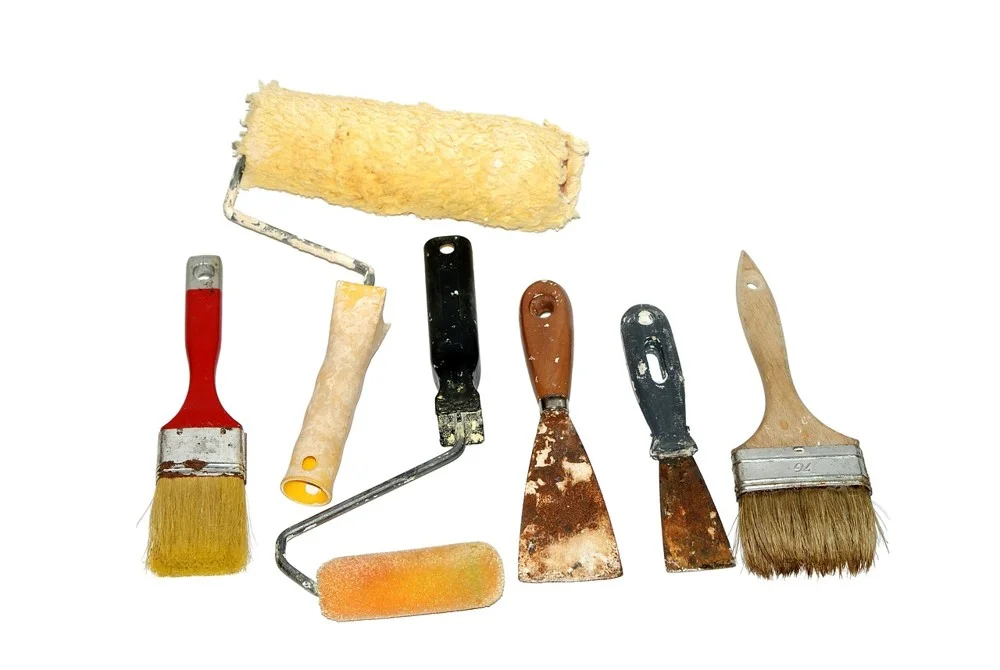
- Stir, never shake. Both the Varathane and Minwax sheets say not to shake the can; Varathane notes shaking causes bubbles. Stir from the bottom up.
- Do not thin it. Varathane says to use it full strength.
- Watch the room. Avoid direct sunlight and keep temperature and humidity inside the sheet’s range. Water-based Varathane looks milky when wet and dries clear, so a cloudy first pass is normal.
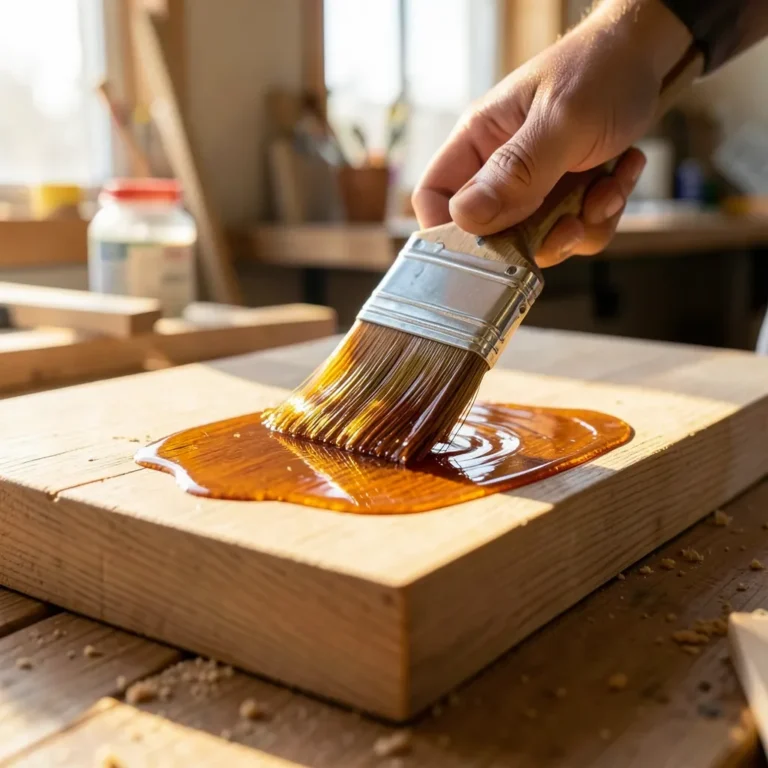
- Cut in the edges first, then work in the direction of the boards, keeping a wet edge so laps blend. Plan your exit so you never step on wet finish.
- Keep coats thin. Minwax says to apply a thin coat, and that thick coats extend dry time.
Recoating, Sanding Between Coats and Curing
For the Minwax oil-based finish, the sheet says to wait 4-6 hours or until dry to touch, then lightly sand with 220 grit. On floors, use a square-buff orbital or disk-type sander with 220 grit paper or an equivalent screen or pad, and never a belt or drum sander. Sanding residue should be dry and powdery; if it turns gummy or clogs the paper, stop and allow more drying time. For the Varathane water-based finish, recoat only when the last coat has dried clear and feels hard, and a powder develops when lightly sanded. If the grain raises, sand it smooth before the final coat.
After the last coat, stay off the floor for the light-use time on your sheet. Cure is not the same as dry: for the Varathane and Minwax products that means 24 hours before light use, about 3 days before normal use, and up to 7 days before rugs or cleaning. Lift furniture into place rather than sliding it.
Common Problems and Fixes
- Bubbles: Varathane’s sheet lists shaking, over-brushing and rolling as causes. Stir gently and stop brushing once the finish is laid down.
- Lap marks: Minwax and Bona both stress keeping a wet edge, so work in short sections with continuous overlap.
- Gritty texture: Usually dust or debris; sand lightly, vacuum, tack and recoat.
- Peeling or poor adhesion: Usually wax, oil or a slick old finish that was not abraded. Varathane requires clean, dry surfaces free of wax, grease and polish.
- Discoloration over paint: Varathane warns that white or pastel paints or stains may discolor, so test first.
FAQ
Is varnish or polyurethane better for floors?
For interior floors, polyurethane is the finish made for the job. Traditional spar varnish is designed for outdoor use; Minwax, for example, recommends its Helmsman Spar Urethane for exterior projects and its polyurethane for interior surfaces including floors. Choose oil-based for warmth or water-based for a clear look and faster recoat.
How many coats of floor finish do I need?
Three coats is the common recommendation. Varathane says a minimum of three coats, Minwax recommends three for maximum durability, and Bona’s system totals three coats including primer. Coat counts vary by product, so follow your can.
How long before I can walk on a varnished floor?
Check your data sheet. The Varathane and Minwax sheets both say 24 hours before light use after the final coat, with Varathane giving 3 days before normal use and Minwax advising 72 hours before heavy traffic and 7 days before rugs or cleaning. Bona Traffic HD allows light traffic in about 6 hours and full use in 12.
Do I have to sand between coats of floor finish?
Usually a light abrasion is needed. Minwax says to lightly sand between coats with 220 grit, and Varathane and Bona both say to sand if a coat has dried more than 24 hours. Recoat windows differ by product, so read the sheet.
Can I varnish over an old finish without sanding?
Not without preparation. Varathane requires surfaces to be clean and free of wax, grease, oil and polish and recommends sanding with 150-220 grit for adhesion, and Bona calls for cleaning and superficial abrasion of previously lacquered floors. A light abrasion is the minimum.
The Bottom Line
Buy a floor-grade polyurethane, sand to the grit on its data sheet, keep every coat thin, and respect the recoat window: roughly 2 hours for the Varathane water-based finish, or 4-6 hours and a light sand for the Minwax oil-based one, and never let a coat sit past a day without abrading. Handle rags and sanding dust like the fire hazard they are, and you will get a durable floor without streaks. For the wider topic, see our wood flooring guide.
Sponsored / affiliate links. As an Amazon Associate I earn from qualifying purchases. I may earn additional commission from eligible campaigns.