What to Do with Rotting Firewood: Burn, Reuse, or Dispose
If the wood is soft, crumbly, or moldy, don’t burn it; use sound pieces for kindling or scrap, and landfill or compost only untreated, low-decay wood. Burning rotten firewood wastes usable heat, forces a fire to dry the fuel before it can burn well, and can spread pests or fungi. This guide gives a simple decision tree for what to do with rotting firewood based on decay level, source, and whether you plan to burn, reuse, or dispose of it.
Rotting firewood decision table
Start with two questions: how far the decay has gone, and where the wood came from. That split matters more than appearance alone. Solid local wood can still have uses. Punky, moldy, or imported wood needs a tighter response because of smoke, pests, and disease risk.
| Condition and origin | Safest action | Tools you need | Effort | Red flags |
|---|---|---|---|---|
| Dry, solid, untreated wood from your property or nearby | Burn it in a wood stove or fire pit, or save it for kindling and scrap | Gloves, saw, stove or fire pit, dry storage | Low | Wet core, heavy mold, visible insects, paint, pressure treatment |
| Punky, soft, or partly collapsed wood from your property | Chip, smash, or leave on site; use only if it is untreated | Chip tool, maul, tarp, wheelbarrow | Medium | Crumbles into fibers, sour odor, active insect tunnels, unknown treatment |
| Rotten logs or stumps from your property, untreated and clean enough for soil use | Use for hugelkultur or wildlife habitat, or leave to decay in place | Shovel, saw, gloves, mulch or soil cover | Medium to high | Near edible beds, treated wood, painted surfaces, diseased tissue, invasive pests |
| Any wood that is treated, painted, contaminated, or brought from far away | Dispose of it locally at a landfill or composting facility if accepted; do not move it again | Cover for transport, vehicle liner, local disposal plan | Low to medium | Chemical treatment, unknown origin, insect infestation, fungal cankers, suspect staining |
How rotten is the wood?
If the wood is soft, crumbly, or moldy, treat it as degraded rather than burn-ready. Sound pieces hold shape and split cleanly; punky pieces compress, flake, or collapse. Separate the solid sections now. That keeps you from mixing burnable wood with material that belongs in mulch, habitat, or disposal.
Look for softness, bark loss, mold, and collapse
Rot often shows up in the outer layers first. Bark may loosen, corners may round off, and the end grain may look fuzzy or washed out. If a piece breaks apart in your hands or leaves powdery fragments, it is past the point where it will behave like normal fuel.
Check moisture and surface damage before you plan a use
Wet, moldy, or partly decomposed firewood burns poorly. It takes more heat to drive off moisture, so the fire spends energy drying the wood instead of heating your space or cookfire. That means more smoke, more incomplete combustion, and more creosote risk in a stove or chimney.
Separate solid pieces from material that crumbles in your hand
Set aside any solid chunks that still split and stack cleanly. Put the punky, friable material in a different pile. A common first-timer mistake is treating one mixed stack as one category; the clean outer pieces may be usable, while the soft core belongs in a different plan.
Did the firewood come from far away?
Origin changes the risk profile. Wood from in and around your property can usually stay local, rot in place, or be reused in the yard. Wood moved in from far away can carry insects, disease, or fungal problems. A practical rule of thumb for local sourcing is 50 miles.
Why imported firewood raises pest and disease risk
Firewood that has traveled can move bark beetles, borers, fungal spores, and other hitchhikers into a new area. That is why the safest plan for moved wood is usually to burn it where it sits, then clean up the site. Do not haul suspect wood to another property if you can avoid it. (Wisconsin)
When to avoid hauling wood to another property
A pile that came from a distant lot, campground, roadside cleanup, or unknown delivery should stay put until you have decided on a local disposal option. Moving it again spreads risk. If the wood is already on your property, keep it there and make the next step local too.
What counts as a local pile versus a moved pile
Local means the wood came from in and around your property, not from a distant source. If it was cut on-site, from storm damage, or from nearby trees within that 50-mile rule of thumb, the risk profile is lower. If it arrived in a truckload from elsewhere, treat it as moved wood.
Can you burn rotten firewood safely?
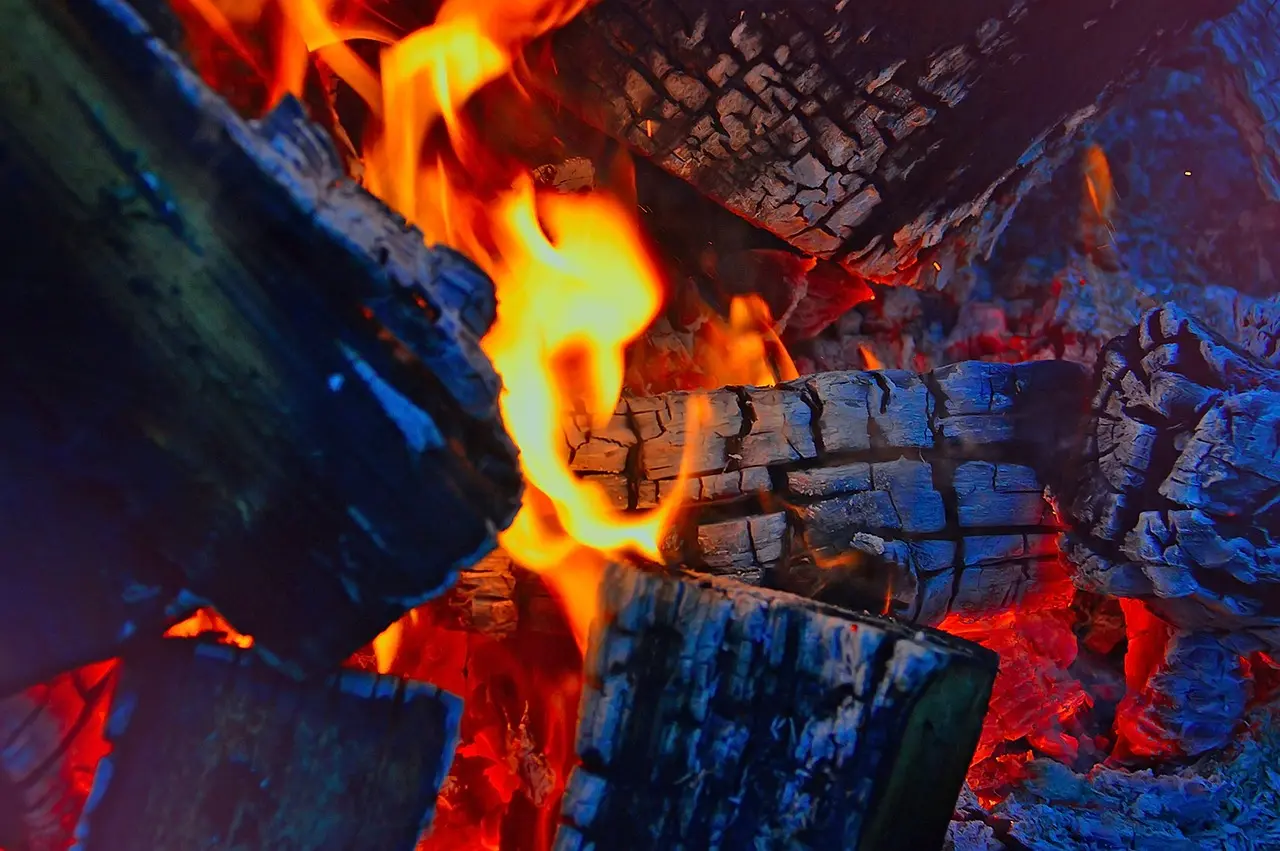
You can burn some rotten firewood, but only when it is still dry and structurally sound enough to behave like fuel. A wood stove is more controlled than a bonfire. Wet, moldy, or punky wood burns unevenly, makes more smoke, and can leave more creosote behind.
Why a wood stove is more controlled than a bonfire
A stove gives you better airflow control and a hotter, more complete burn than an open pile. That matters when the wood is imperfect. A bonfire may be a fast disposal method when feasible, but it is also more likely to be illegal, smoky, or impractical than a stove or other controlled burn.
When burning is a reasonable disposal method
Burning is most reasonable when the wood is untreated, dry enough to catch and stay lit, and already local enough that you are not spreading pests by moving it. Rotten firewood may still be suitable for outdoor fires and summer cookouts if the decay is mild and the pieces are not punky.
Why wet, moldy, or punky wood creates smoke and creosote
Moist wood wastes heat while it dries, and punky wood often breaks apart into low-density fuel that smolders instead of burning cleanly. That smoldering phase is where smoke and creosote build up. If the wood is soft enough to compress in your hand, do not count on a clean burn.
Suppose a stack from your woodpile has a dry outer layer but a damp core. The outer splits may burn, but the center will likely smoke and stall the fire. In that case, separate the sound pieces now and send the wet, punky core to another use or local disposal.
Simple burn checklist
- Confirm the wood is untreated, unpainted, and not visibly infested.
- Split a sample piece and check whether the inside is still solid.
- Use the driest, soundest pieces first.
- Keep the burn controlled in a stove or legal fire pit if allowed.
- Burn the wood completely well before spring arrives.
- Rake the site right down to dirt after burning.
Reuse rotten wood in the yard
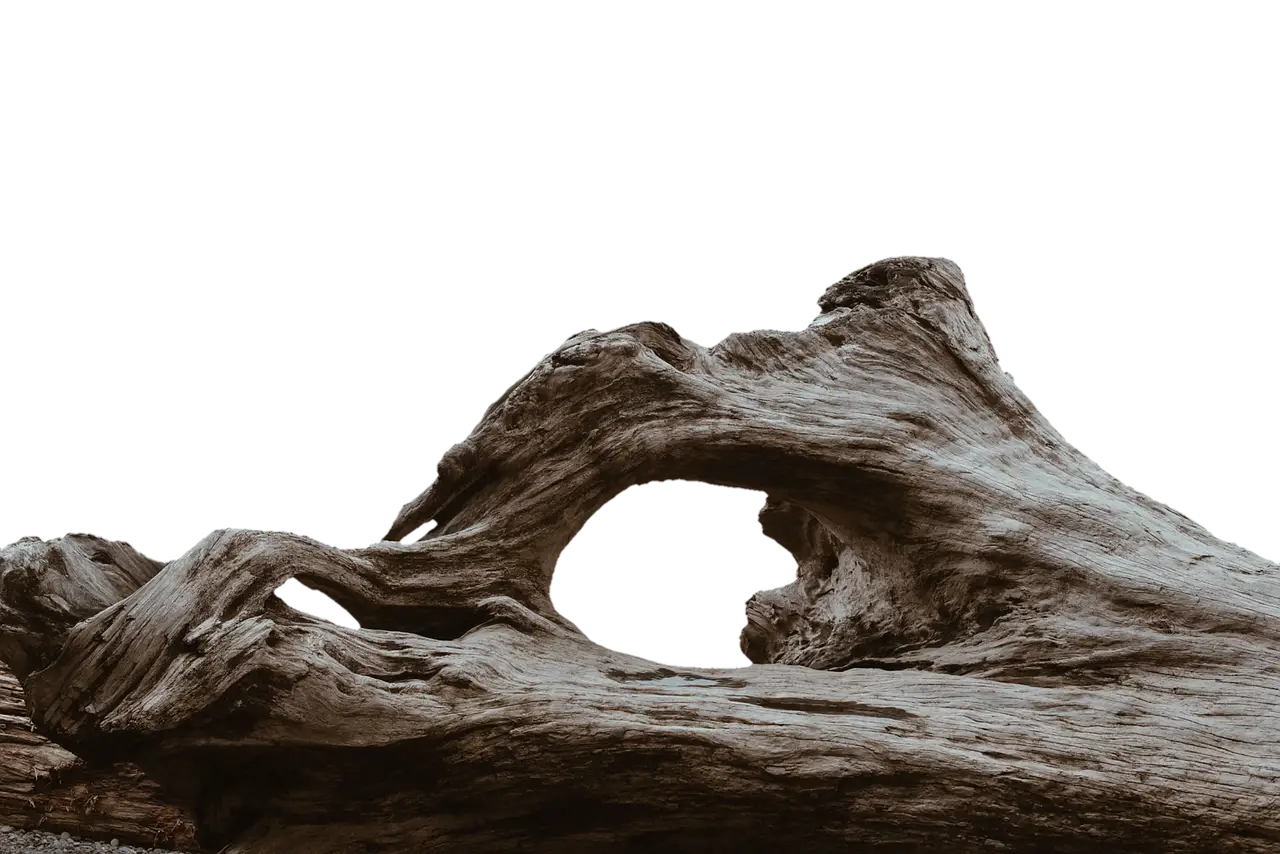
Untreated rotten wood can still be useful instead of being trashed. Chipped or smashed pieces can become mulch. Rotten logs can go into hugelkultur. Some pieces can stay on-site as habitat. The key is to match the decay stage to the job and keep treated or contaminated wood out of garden use.
Chipping, grinding, or smashing wood for mulch
Rotten wood can be chipped or smashed into mulch, especially when it is soft but not contaminated. Use it under shrubs, along paths, or where you want weed suppression and moisture retention. Keep it away from the crowns of plants and away from beds where you need clean, finely controlled soil amendments.
Can rotten firewood be chipped for mulch? Yes, if it is untreated, clean, and not so far gone that it turns to sludge or carries pests. The finished mulch should belong under woody ornamentals or on paths, not in places where suspect material could touch edible crops.
Using rotten logs in hugelkultur beds
Rotten firewood can be used for hugelkultur raised beds when it is untreated and free of contamination. Buried logs and stumps hold water, break down slowly, and add structure to the bed over time. That can be useful for water retention, but it also means the bed will settle as the wood decays.
Leaving some wood as wildlife habitat
Rotten wood can be habitat for frogs, insects, birds, and solitary bees. A brush pile or a tucked-away log can support life that a tidy yard removes. The tradeoff is appearance and space. If you want a neat yard, keep the habitat pile small and place it where it will not interfere with mowing or drainage.
Where rotten wood does not belong
Do not put treated, painted, pressure-treated, or chemically contaminated wood into mulch, hugelkultur, or garden beds. Do not use wood with unknown treatment or visible pest infestation in edible beds. A common first-timer mistake is thinking any old wood can go under soil; that is not a safe shortcut.
Dispose of rotten firewood locally
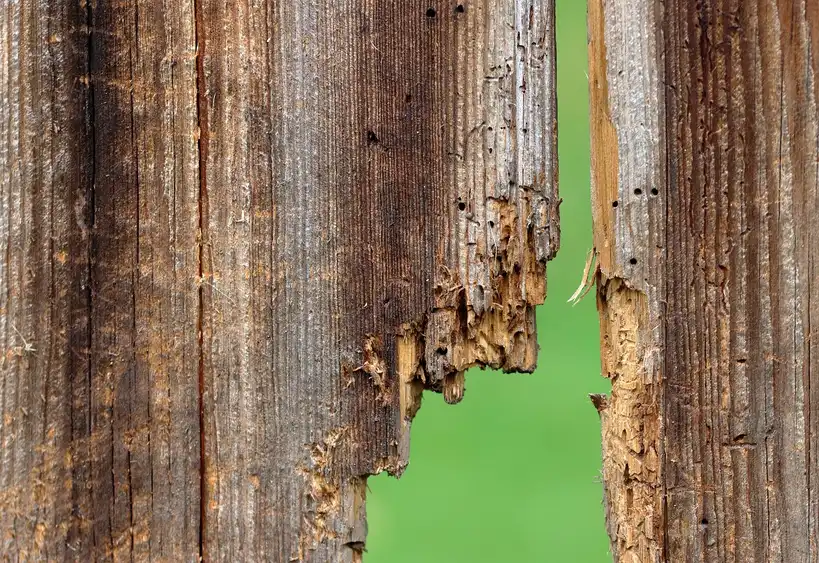
When the wood is contaminated, too rotten to reuse, or clearly not worth moving through the yard again, local disposal makes more sense. Nearby landfill or composting facility disposal is acceptable when the wood is local and accepted there. Keep the disposal route short and avoid spreading pest risk.
When a landfill or composting facility makes more sense
If the pile is mixed, heavily decayed, treated, or too large to process safely at home, local disposal is the cleanest option. This is especially true for imported wood that you should not move far. Burning is still one acceptable disposal option, but it is not the right answer for every pile.
Cleanup after burning: bark, twigs, chips, and ash
After a burn, clear bark, twigs, chips, and other debris from the site. Then rake the area right down to dirt. That limits leftover cover for pests and makes it easier to see whether anything unburned remains. If you are cleaning up a mixed pile, sort the debris before you spread it anywhere else.
How to handle wood ash in the garden
Wood ash can be used as an additive to compost, mulch, and soil amendment. It is alkaline, so it can help balance acidic soil or compost. Do not spread it where you want acidic conditions, such as around blueberries. Use ash sparingly and only from clean, untreated wood.
What to do with firewood that came from far away
If the firewood came from far away, do not move it to another property or stash it in a new woodpile. The best option is to burn it where it is, if that is legal and practical. If not, arrange local disposal without hauling it across town or county lines.
Frequently asked questions
What to do with rotten firewood?
Sort it by condition and origin first. Dry, solid, untreated local pieces can be burned or saved for kindling. Punky local wood is better chipped, smashed, or left on site. Treated, contaminated, or far-traveled wood should be disposed of locally and not moved around again.
Is it safe to burn rotting wood?
It is only safe to burn rotten wood when it is still dry, untreated, and solid enough to burn cleanly. Wet, moldy, or punky wood smolders, smokes, and can raise creosote risk in a stove. A controlled stove burn is safer than an open bonfire.
Can rotten firewood be chipped for mulch?
Yes, if the wood is untreated, not contaminated, and not infested. Rotten wood can be chipped or smashed into mulch for shrubs, paths, and weed suppression. Do not use it in edible beds if the treatment status is unknown or if you see signs of pests or disease.
Can I use rotten wood in a garden bed?
Untreated rotten logs can go into hugelkultur beds, where they help hold water and break down slowly. Do not put painted, pressure-treated, or chemically contaminated wood into a garden bed. Keep suspect wood out of areas where roots, soil, and food crops will contact it.
Does rotten firewood attract pests?
It can. Rot, bark gaps, and soft fibers create shelter for insects and other pests, especially if the wood has been moved from somewhere else. Keep suspect piles local, avoid hauling them long distances, and inspect for visible infestation before deciding whether to burn, chip, or dispose of them.
Can rotten firewood be used as habitat or hugelkultur?
Yes, but only if it is untreated and clean enough for soil or habitat use. Rotten logs can support wildlife habitat and hugelkultur beds, with the tradeoff of a less tidy yard. Do not use treated, painted, or contaminated wood for either purpose.
Sponsored / affiliate links. As an Amazon Associate I earn from qualifying purchases. I may earn additional commission from eligible campaigns.