What Size Screws for Drawer Pulls? (8-32 Guide + Lengths)
Drawer pull screws almost always use the same #8-32 machine-screw thread — the part that actually varies, and the part most guides skip, is the length, because that depends on your specific drawer front thickness and how deep the pull’s mounting post sits, not one universal number.
Most people searching for a drawer pull screw size expect a single answer, like “use a 1-inch screw.” That works often enough that it has become the default assumption, but it fails just as often, especially on flat-pack furniture, refaced cabinet doors, or anything with an MDF or veneer drawer front that isn’t the standard 3/4-inch thickness. Get the length wrong and you either strip the hole tightening a screw that bottoms out too soon, or watch the tip poke through the visible face of the drawer front. This guide covers both numbers that actually matter, the real formula for length, and why the screws that shipped in the box with your new pulls might already be the wrong size for your cabinets.
The Two Numbers That Actually Determine Screw Size
Every “what size screw” question for a drawer pull really splits into two separate measurements. The first is thread diameter, which is largely solved for you: the overwhelming majority of cabinet knobs and pulls sold in the US use the same #8-32 thread, and have for roughly the last two decades. The second is length, which is not solved for you, because it depends on how thick your drawer front actually measures and how far the screw has to travel to seat fully in the pull’s mounting post. Different screws attach cabinets together at the carcass level using their own sizing logic entirely — don’t confuse the two when you’re shopping for hardware.
Best Assorted Drawer Pull Screw Kit
 |
Matrelt 115-Pc #8-32 Machine Screw Assortment – $9.99 Five lengths (1/2″ to 2″) of the correct #8-32 thread in one labeled case, so you can match the exact length your drawer front and pull actually need instead of guessing.
|
Screw Diameter: The #8-32 Standard (and Its One Common Exception)
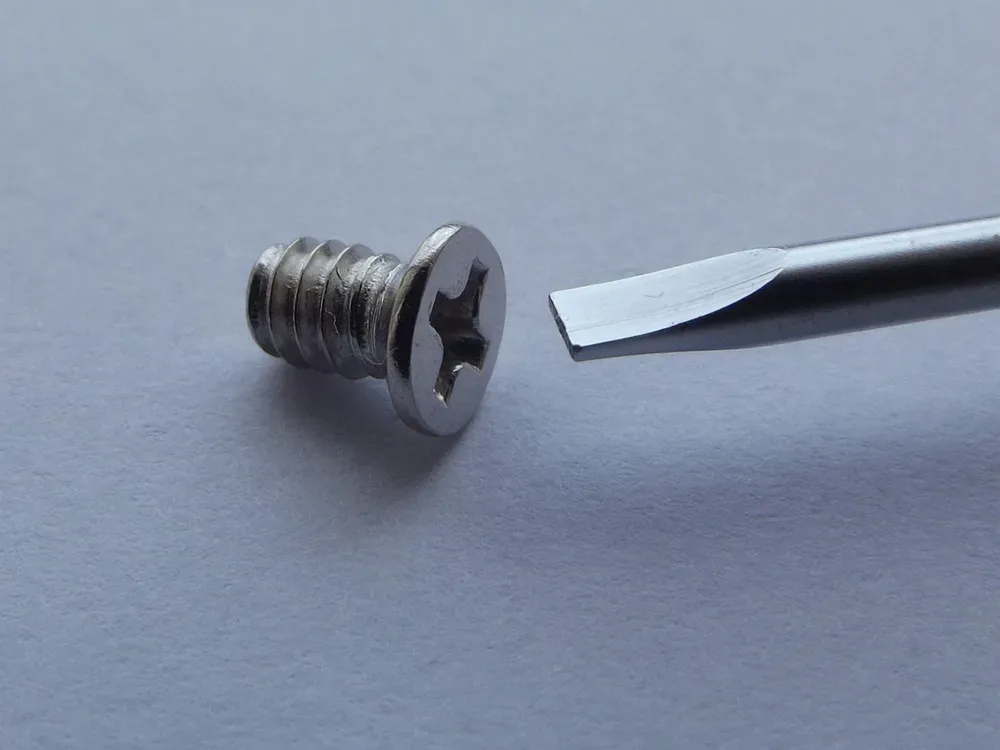
An #8-32 screw measures 0.164 inches in shank diameter with 32 threads per inch. That specific combination has been the de facto standard across mainstream US cabinet and furniture hardware for roughly the last 20 years, which is why almost every knob or pull you buy from a big-box store or a hardware supplier already ships with an #8-32 screw in the box. It’s an inch-based thread, not metric, and the number itself is really just a gauge code paired with a thread-pitch count rather than a literal fraction of an inch.
The exception worth knowing before you buy replacements: some imported and budget-tier pulls, particularly on flat-pack or RTA furniture, use metric M4 thread instead. M4 is close enough in outer diameter to #8-32 that a screw can sometimes start threading into the wrong post by hand, but the thread pitch doesn’t actually match, and forcing it the rest of the way will strip the post. If a pull’s packaging or spec sheet lists “M4,” buy a metric replacement rather than assuming #8-32 will work. When in doubt, back the original screw out of the pull and try it against a known #8-32 screw or nut before ordering anything.
Screw Length: Drawer Front Thickness Plus Post Depth
The real formula for screw length is your drawer front’s thickness plus however far the screw needs to travel to seat fully inside the pull’s mounting post, with roughly 1/4 to 3/8 inch of extra engagement past the front’s thickness being the sweet spot for most standard pulls. Go much past that — more than about 3/8 inch longer than the front is thick — and the screw can bottom out inside the post before its head actually pulls the hardware tight against the wood, leaving the pull loose no matter how hard you turn the screwdriver.
This is also why a 1-inch screw is the length manufacturers default to in the box: solid wood and plywood drawer fronts are most commonly 3/4 inch thick, and 1 inch gives that extra quarter-inch of engagement into a typical post. The problem is that “most common” isn’t “universal.” Thinner engineered drawer fronts, MDF fronts on painted or shaker-style cabinets, and a lot of flat-pack furniture panels run 5/8 inch or even 1/2 inch thick. On those, a stock 1-inch screw is carrying a lot more slack than it should — enough, on a thin solid front, to actually punch through the visible face if you keep tightening past where it should stop.
Why the Screws That Came With Your New Pulls Are Often the Wrong Length
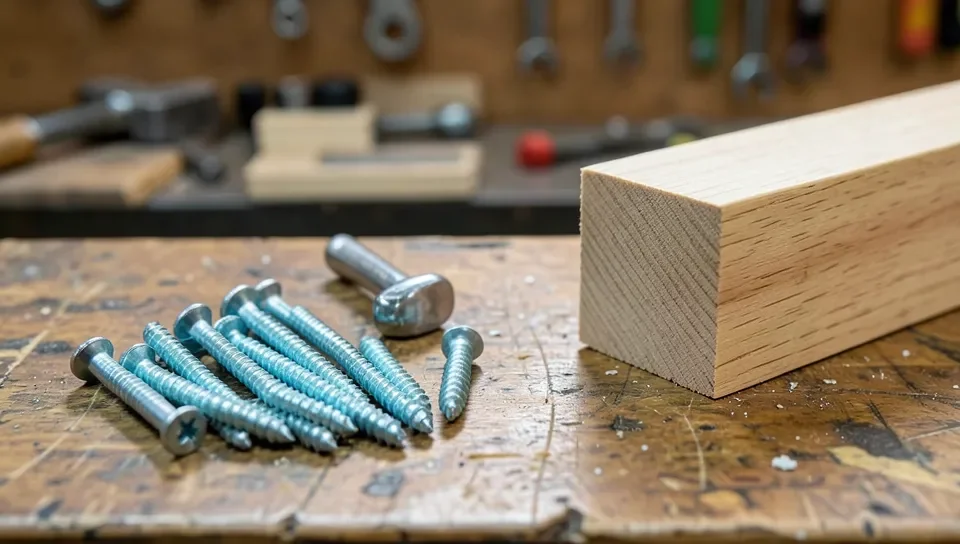
Manufacturers bundle one “average” screw length with every pull in a package, almost always sized for that common 3/4-inch front. That single length can’t account for every kitchen it ends up in, which is exactly the complaint behind a genuinely common search: people asking what their included screws are even made of because they “need to be cut to size” before they’ll work. On a thinner front, or on a flat-pack panel with a hollow or particle-board core, the bundled screw is frequently too long to seat properly without either poking through or bottoming out in open space inside the panel.
Cutting a too-long screw down is a real, common fix, not a workaround to avoid. A hacksaw or a pair of bolt cutters will get through a zinc-plated #8-32 screw without much trouble; the part people skip is deburring the cut end afterward with a small file or running a matching nut back down the thread a couple of turns, which cleans up the mangled last few threads so the screw still seats cleanly in the pull’s post instead of binding halfway in. If you’re trimming more than one screw for a batch of matching pulls, mark your cut length on the first one and use it as a template for the rest so they end up consistent.
How to Measure Your Drawer Front and Your Pull’s Post Depth
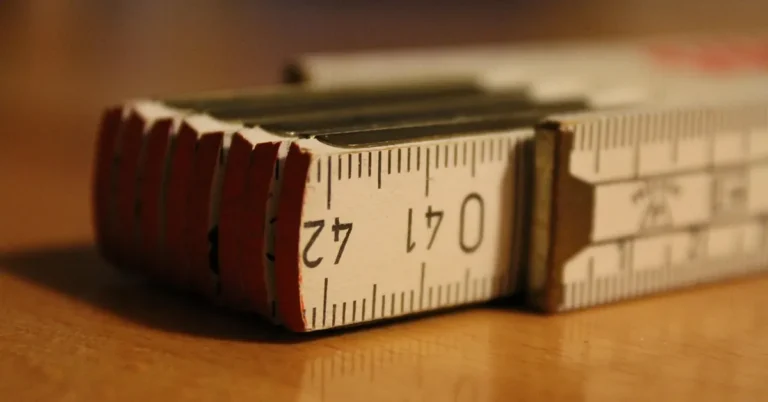
Measure the drawer front directly at the mounting hole rather than trusting the nominal size, since a “3/4-inch” panel from a big-box retailer commonly measures closer to 23/32 inch once you actually put a caliper or ruler on the edge. Next, check the pull’s post depth: thread its screw into the pull by hand, off the drawer, and note roughly how far it travels before the pull’s shoulder stops it, or check the hardware’s packaging or spec sheet, since many manufacturers list a recommended screw length range for that specific pull style. Cup and ring pulls typically need less engagement than longer bar-style pulls with a deeper barrel post, so don’t assume every pull on the same order needs an identical screw.
Add the drawer front thickness to the post’s required engagement, then round up to the nearest common length — 1/2, 3/4, 1, 1-1/4, 1-1/2, 1-3/4, or 2 inches — rather than rounding down. A screw that seats a hair deeper than it strictly needs to is rarely a problem; one that’s a hair short usually means a loose, wobbling pull. Before final-tightening every pull in a batch, hand-thread the actual screw fully home first and check the inside face of the drawer front for a protruding tip, then go back and drive it fully with a screwdriver once you know the length is right.
Common Screw-Length Mistakes to Avoid
Reusing one pull’s stock screw across an entire kitchen is the most frequent mistake, especially on a retrofit project mixing original cabinet doors with newer replacement drawer fronts that don’t share the same thickness. Over-tightening a screw that runs slightly long is the second: instead of stopping cleanly, it keeps threading until it either strips the post or leaves a visible bump pressing against the inside of the drawer front. A third, more basic mix-up is confusing screw length with hole spacing — the center-to-center distance between a pull’s two mounting holes, which has nothing to do with how long the screw itself needs to be and is a completely separate spec to check before ordering hardware. Last, if a drawer front already has threaded inserts installed from a previous pull, measure into the insert rather than the raw wood; inserted threads seat differently than a screw biting directly into a pre-drilled hole.
Frequently Asked Questions
What size screws do drawer pulls need?
Almost all drawer pulls use a #8-32 machine screw for diameter. Length is the number that actually varies: it should equal your drawer front’s thickness plus roughly 1/4 to 3/8 inch of extra engagement into the pull’s mounting post, which commonly lands around 1 inch for a standard 3/4-inch front but runs shorter on thinner MDF or flat-pack panels.
Are drawer pull screws always #8-32?
No. #8-32 is the standard for most mainstream US cabinet hardware, but some imported and budget flat-pack pulls use metric M4 thread instead. The two look similar in diameter but have a different thread pitch and are not interchangeable — check the packaging or spec sheet before assuming #8-32 will fit.
How do I figure out the correct screw length for my drawer front?
Measure the drawer front’s actual thickness at the mounting hole, then add the depth the pull’s post needs to engage (check by hand-threading the screw into the pull off the drawer, or check the hardware’s spec sheet). Round the total up to the nearest common screw length rather than down.
Can I cut a drawer pull screw down if it’s too long?
Yes, and it’s a common, practical fix. Cut the screw with a hacksaw or bolt cutters, then deburr the freshly cut end with a small file or run a matching nut back down the last few threads so it still seats cleanly instead of binding in the pull’s post.
Why did my new pulls come with screws that don’t fit?
Manufacturers bundle a single average length, usually sized for a common 3/4-inch drawer front, with every pull in the package. If your drawer fronts are thinner or thicker than that, the included screw can be too long or too short, which is why keeping an assorted #8-32 length kit on hand is worth it for any project mixing cabinet ages or styles.
Conclusion
Drawer pull screw sizing really comes down to two separate answers instead of one: diameter is almost always #8-32, and length is your drawer front thickness plus the pull’s post depth, not a fixed number every pull ships with. Measure your actual drawer front before buying or trimming anything, and if you’re swapping out old hardware entirely, remove the old wooden drawer pulls carefully first so you’re not fighting damaged holes while fitting the new screws. Get the length right once and every pull in the kitchen tightens down flush and stays that way.
Sponsored / affiliate links. As an Amazon Associate I earn from qualifying purchases. I may earn additional commission from eligible campaigns.