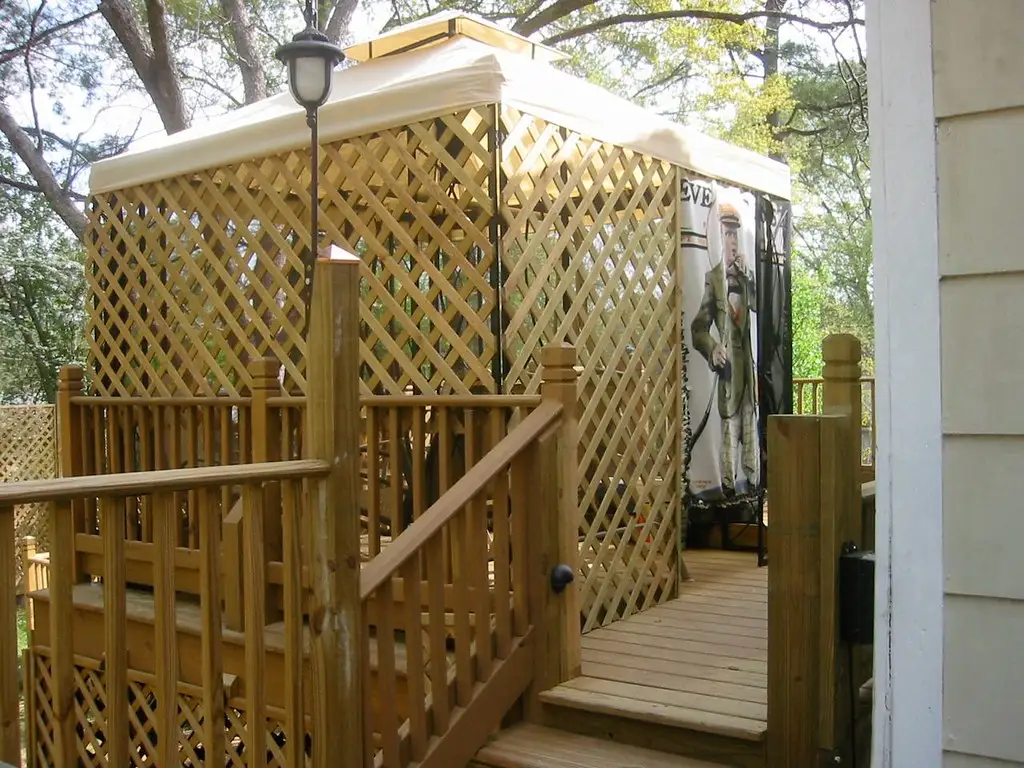
5 Best Semi-Transparent Deck Stains for Cedar (2026): we compared
For cedar decks, pick a penetrating semi-transparent oil stain for weathered or tannin-prone boards, a water-based semi-transparent stain for sound, drier cedar, and skip film-forming coatings; on full-sun decks, put UV and mildew resistance first. The wrong stain can leave cedar blotchy, peel early, or gray out fast, which means more sanding and recoating. This guide gives a cedar-specific decision matrix for wood condition, exposure, and how often you want to maintain the deck.

Quick comparison
| Product | Badge | Best for | Price | ||
|---|---|---|---|---|---|
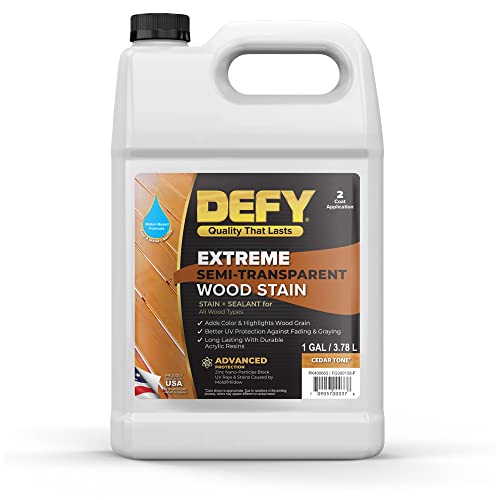 |
DEFY Extreme Wood Stain and Sealer in One – 1 GallonDEFY | Our pick | 1 Gallon · Cedar Tone · Semi-Transparent | $54.54
Price as of 10 Oct 2026
|
View |
 |
BEHR PREMIUM 1 qt. #TIS-370 Antique White SatinBEHR Premium | Budget pick | 1 qt · Interior · Antique White Satin | $53.50
Price as of 10 Oct 2026
|
View |
 |
Restore-A-Deck Semi-Transparent Wood Stain for Decks,Restore-A- Deck | Also great | 1 Gallon · Cedar · Penetrating Finish | $65.99
Price as of 10 Oct 2026
|
View |
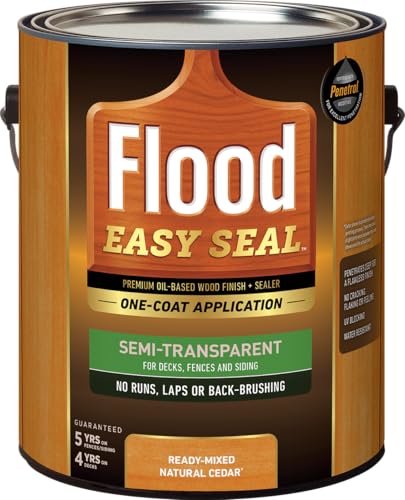 |
Flood Easy Seal 1 gal Natural Cedar Semi-Transparent WoodFlood | Also great | 1 gal · Natural Cedar · Oil-Based | $47.15
Price as of 10 Oct 2026
|
View |
 |
Seal-Once Nano Clear Penetrating Wood Sealer – PremiumSeal-Once | Pair with it | Quart · Clear Penetrating Sealer | $28.99
Price as of 10 Oct 2026
|
View |
For cedar, the best choice depends more on board condition than brand name. New smooth cedar, rough-sawn cedar, and previously stained cedar do not absorb stain the same way.
Use the matrix below to match prep, stain type, and upkeep to the deck you actually have.
📊 Deck Stain Help recommends waiting at least 3 months before staining new smooth cedar. Source: Best Stain for New Cedar Deck.
How we chose
The comparison is built around cedar compatibility, not generic deck-stain claims. It weighs surface type, prep requirements, recoat tolerance, application conditions, and how much maintenance a homeowner is likely to accept.
Two product traits matter most here, whether the stain penetrates instead of sitting on top, and whether the formula tolerates damp wood or needs fully dry boards.
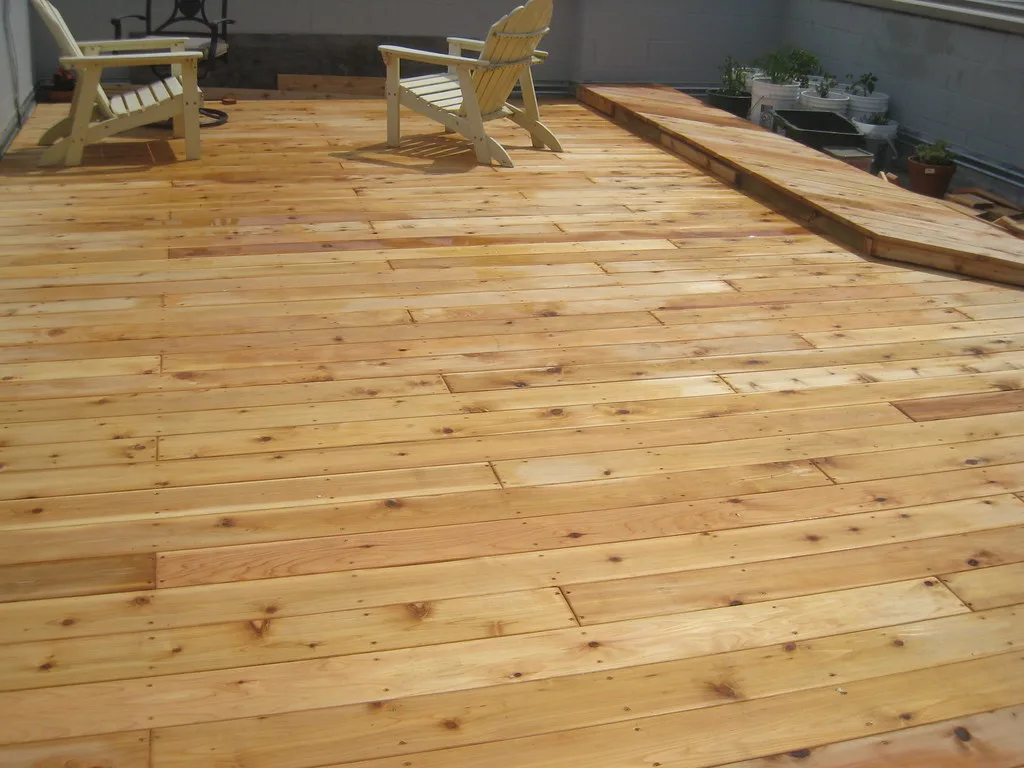
Western red cedar is the common reference point because it is widely used for decking, can be smooth or rough-sawn, and behaves differently based on surface texture and weathering.
Cedar stain decision matrix
| Cedar condition | Prep steps | Recommended stain type | Application conditions | Likely maintenance cadence |
|---|---|---|---|---|
| New smooth cedar | Wait at least 3 months, then clean with a sodium percarbonate wood cleaner and follow with a wood brightener while the wood is still wet | Deep-penetrating, low-viscosity semi-transparent stain | Apply only when the cedar is dry and free of mill glaze | Plan on periodic recoat; full-sun decks usually need attention sooner than shaded decks |
| Rough-sawn cedar | Clean off dust, pollen, and mildew; brighten after cleaning if the color looks dull or uneven | Penetrating semi-transparent stain, often an oil-based formula for better conditioning | Can often be stained immediately if moisture is low and the surface is sound | Moderate upkeep; exposed faces weather faster than sheltered ones |
| Previously stained cedar | Remove failing finish, clean thoroughly, and test for adhesion before recoating | Match the existing coating style with a penetrating stain that will not build a film | Only coat once the surface is dry and loose material is removed | Maintenance depends on prior wear; old stain in sun can need more frequent recoat |
What is the best semi-transparent deck stain for cedar?
The best semi-transparent deck stain for cedar is a penetrating formula that matches the board’s condition and exposure. For most weathered cedar decks, a cedar-friendly oil stain is the safest starting point because it soaks in, conditions the wood, and is less likely to peel than a film-forming coating.
That answer changes if the deck is new and smooth, or if you need same-day turnaround after prep. Semi-transparent stain fits cedar because it protects against UV fading and moisture while still leaving grain visible. It should not form a brittle surface layer on top of the wood.
Why semi-transparent beats film-forming finishes on cedar
Cedar moves, weathers, and checks over time. A penetrating semi-transparent stain cuts the chance of peeling because it is made to absorb into the wood rather than sit on the surface like a paint-like coating.
That matters most on cedar, where uneven absorption and mill glaze can make surface films fail early.
How long does semi-transparent deck stain last?
How long semi-transparent deck stain lasts on cedar depends on sun, rain, and prep quality, but the practical answer is that it needs periodic recoat planning. Full-sun cedar usually fades and dries out faster than shaded or partially covered decks, so maintenance is tied to exposure more than the label.
On properly prepared cedar, a penetrating stain usually wears by gradual fading rather than by peeling. That makes upkeep more predictable. Homeowners who want the longest interval between maintenance should favor deep penetration, careful prep, and regular recoat before the wood turns gray.
What changes the maintenance interval
South- and west-facing boards take more UV. Horizontal rail caps and stair treads also shed water differently than vertical faces, so they often need attention sooner. If cedar is left uncoated too long, the stain can fade unevenly and the next coat may not bond evenly.
What stain is best for a cedar deck?
The best stain for a cedar deck is usually a penetrating semi-transparent product chosen for the deck’s actual condition. Weathered cedar often does better with an oil-based penetrating stain, while sound, drier cedar can suit a water-based semi-transparent formula when convenience matters more than maximum oil conditioning.
Do not choose by color sample alone. Cedar surface type, especially smooth versus rough-sawn, changes absorption enough to alter the final result and the maintenance cycle.
Oil-based vs water-based on cedar
Oil-based semi-transparent stain is often recommended for cedar, especially when the boards are dry, weathered, or more porous. Water-based semi-transparent stain usually dries faster and can be easier to manage when the schedule is tight.
Oil-based formulas often buy a bit more forgiveness on rough or thirsty cedar. Water-based formulas can be a better fit when you want quicker cleanup and a same-day workflow, but they still need proper prep and a sound surface.
Should I wait before staining a new cedar deck?
Yes, new smooth cedar usually needs weathering before staining. Deck Stain Help recommends waiting at least 3 months before staining new smooth cedar, then cleaning it with a sodium percarbonate wood cleaner and applying a wood brightener. That sequence helps remove mill glaze and open the pores.
Rushing a new deck can trap problems at the surface. Cedar that has not weathered enough may reject stain unevenly, creating blotches and weak penetration. Rough-sawn cedar is different and may be ready sooner if moisture is low.
What mill glaze changes
Mill glaze is the slick surface left by planing. It reduces stain penetration, especially on smooth new cedar. If it is not removed, the stain can sit too close to the surface and wear unpredictably.
When weathering helps
Weathering softens the surface enough for better absorption. On new smooth cedar, that waiting period is often the difference between a coating that settles in evenly and one that flashes, streaks, or sheds too soon.
Do I need to clean and brighten cedar before staining?
Yes, cleaning and brightening cedar before staining is the standard prep sequence for good penetration. A sodium percarbonate wood cleaner removes contaminants and surface residue, and a wood brightener then helps restore color and open the pores while the wood is still wet.
That sequence is especially important on new cedar and on weathered boards that have gray surface oxidation. Skip it, and the stain has less chance to soak in evenly. It may also leave dirt, pollen, or old finish residue locked under the new coat.
- Remove loose debris and dust from the deck surface.
- Apply a sodium percarbonate wood cleaner and scrub as directed.
- Rinse thoroughly so cleaner residue is gone.
- While the wood is still wet, apply a wood brightener.
- Let the cedar dry to the manufacturer’s target before staining, unless the product allows damp-wood application.
Can I apply semi-transparent stain to damp cedar?
Yes, but only with a product formulated for damp wood. Restore-A-Deck Semi-Transparent Stain can be applied to damp cedar the same day as prep, which makes it useful when you want to clean, brighten, and stain without waiting for a long dry period.
That convenience comes with a tradeoff. Damp-wood application can shorten scheduling, but it still needs sound prep and proper conditions. If the wood is wet enough to bead water or feel saturated, wait. Damp is not the same as soaking wet.
What damp-wood application changes
A damp-wood-compatible stain can shorten the time between prep and coating. It is most useful when weather windows are narrow or when the deck is already weathered and ready for treatment. It does not fix mill glaze on new smooth cedar that has not been properly prepared.
Which lasts longer on cedar, oil-based or water-based stain?
On cedar, oil-based semi-transparent stain usually offers better conditioning and deeper penetration, which can help it wear more evenly on weathered or absorbent boards. Water-based stain can still perform well, but its practical life often depends more on prep quality and exposure than on chemistry alone.
In plain terms, oil-based is often the better fit when cedar is dry, thirsty, or already weathered. Water-based is often the better fit when you want easier cleanup and faster turnaround. Neither lasts well if the surface is dirty, too wet, or coated over mill glaze.
How do I keep cedar from peeling or fading after staining?
Use a penetrating stain, prep the surface properly, and recoat before the color fails completely. Cedar peels less when the coating sinks in rather than forming a shell, and it fades less when the formula offers UV protection and the deck is maintained on schedule.
The failure cases are easy to predict. Staining too early can trap mill glaze, staining too wet can block penetration, and skipping cleaning or brightening can leave contaminants under the finish. Those mistakes usually lead to uneven wear, blotching, or early gray-out.
Common failure cases to avoid
Too early: New smooth cedar that has not weathered enough may not absorb stain evenly.
Too wet: Cedar that is saturated can repel stain or leave weak color that wears quickly.
No prep: Dirt, oxidation, and mill glaze can keep the stain from anchoring to the wood.
Armstrong Clark Wood Stain: best for weathered cedar
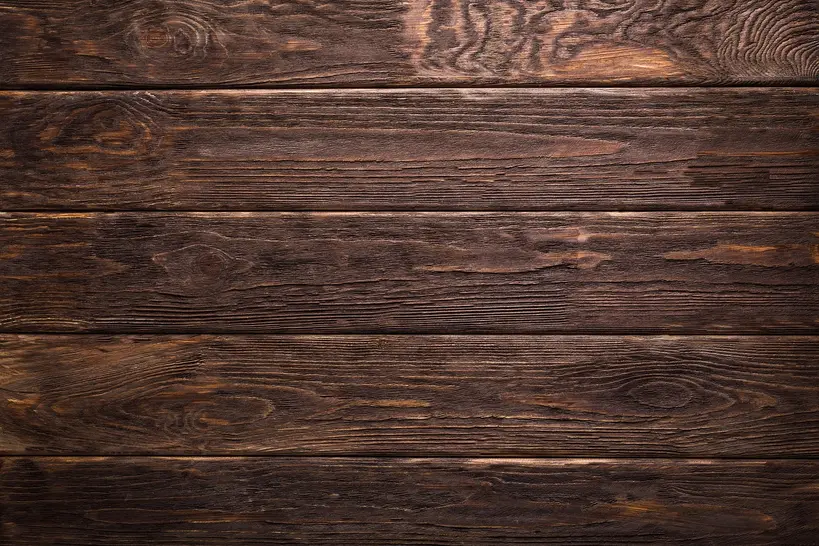
Armstrong Clark Wood Stain is a strong fit for weathered cedar that needs deep conditioning and a penetrating finish. Based on the spec sheet and owner feedback, its mix of drying and non-drying oils is aimed at feeding dry cedar fibers rather than building a surface film.
The main appeal is how it suits cedar grain that is already open and absorbent. The non-drying oils are described as penetrating cedar to condition the wood cells, which makes this option sensible for boards that need more help than a quick surface coat.
The drawback is that oil-rich penetrating stains usually require careful recoat planning and surface prep. If the deck is newer, smoother, or still carries mill glaze, this is not the shortcut product.
Restore-A-Deck Semi-Transparent Stain: best for damp-wood convenience
Restore-A-Deck Semi-Transparent Stain is the better fit when same-day prep and staining matter. Its water-based penetrating formula can be applied to damp cedar the same day as prep, which makes it practical for homeowners working around weather or limited downtime.
This is a convenience-first choice with a real cedar use case. It is especially useful on old, weathered wood and on decks where you want to clean, brighten, and coat without waiting for a long drying window.
The tradeoff is that damp-wood convenience does not remove the need for proper prep or careful timing. On new smooth cedar with mill glaze, or on a deck that is still wet enough to feel saturated, this product is not a cure-all.
DEFY Extreme Wood Stain and Sealer: best for UV-prone cedar
DEFY Extreme Wood Stain and Sealer in Cedar Tone suits cedar decks that need stronger UV-oriented protection. Based on the product details, its zinc nano-particles are aimed at blocking harmful UV rays, which is useful on decks that face hard sun and want to slow graying.
Its application flexibility is another plus. You can apply it with a sprayer, brush, or roller, which helps on larger decks or on cedar surfaces with more texture.
The drawback is that a protection-first formula still depends on good cedar prep. If the deck has mill glaze, loose contamination, or failing old stain, the finish will not solve those issues by itself.
Flood Easy Seal: best for fast oil-based coverage
Flood Easy Seal is the fit for homeowners who want an oil-based semi-transparent cedar tone with a straightforward one-coat workflow. It is fortified with Penetrol for deep penetration, which supports the basic cedar goal of soaking in rather than sitting on top.
This style of finish can suit weathered cedar that needs good wetting of the wood fibers and a natural-looking result. The waterproof and UV-blocking claims make it practical for exposed decks.
The drawback is that fast coverage can tempt people to skip prep. Cedar still needs a clean surface and, on new boards, enough weathering to avoid blotchiness and weak penetration.
Seal-Once Nano Clear Penetrating Wood Sealer: best for a natural look
Seal-Once Nano Clear Penetrating Wood Sealer is the option for homeowners who want the wood’s natural look to stay visible with minimal color change. Its penetrating, UV-stable, water-resistant profile makes sense when the goal is protection without a tinted semi-transparent appearance.
It can be a good fit for cedar details, rails, or other areas where color shift is not wanted. The clear finish preserves the wood look better than tinted products.
The drawback is obvious for deck owners who want visible stain color and deeper cedar tone. Clear sealer gives less color control than semi-transparent stain, so it is not the best match if the goal is a classic cedar-toned deck surface.
Which one should you buy
Choose Armstrong Clark Wood Stain if your cedar is weathered, dry, or thirsty and you want a penetrating oil finish that conditions the wood. Choose Restore-A-Deck Semi-Transparent Stain if you need same-day prep and stain application on damp cedar. Choose DEFY Extreme if UV exposure is your biggest concern. Choose Flood Easy Seal if you want an oil-based, one-coat approach. Choose Seal-Once if you want clear protection with the least color change.
If the deck is new smooth cedar, wait and prep properly before buying anything. If it is rough-sawn cedar and moisture is low, you can usually move sooner. If it is previously stained cedar, your first job is to identify what is left on the surface and whether the old coating is failing.
Suppose a 12-by-16-foot cedar deck faces afternoon sun and the homeowner wants the least frequent maintenance possible. A deep-penetrating oil stain with strong UV protection is the safer match than a fast-drying but lighter-duty choice.
A common first-timer mistake is buying by color name alone, then discovering the deck still has mill glaze or old finish patches. On cedar, the surface condition matters more than the swatch.
Sponsored / affiliate links. As an Amazon Associate I earn from qualifying purchases. I may earn additional commission from eligible campaigns.