Best Woods for a Deck Frame (2026): we compared
For most deck frames, choose preservative-treated, ground-contact-rated Southern Yellow Pine for joists, beams, rim joists, and posts. It gives you the best value for structural framing because it balances cost, strength, decay resistance, and availability, and ground-contact rating protects members that sit near soil or catch splashback.
Quick comparison
| Product | Badge | Best for | Price | ||
|---|---|---|---|---|---|
 |
Premium Grade #2 Southern Yellow Pine Dimensional Lumber 2Generic | Our pick | 2" x 4" SYP · 12 ft · 208 units | $1,699.99
Price as of 11 Oct 2026
|
View |
 |
Woodchucks Wood 3/4 Inch x 2 Inch x 16 Inch Solid Red CedarWoodchucks Wood | Also great | 3/4" x 2" x 16" Red Cedar | $22.30
Price as of 11 Oct 2026
|
View |
 |
VENTRAL Lumber 2 in. x 3 in. (1-1/2" x 2-1/2") PremiumVENTRAL | Pair with it | 2" x 3" Douglas Fir · 8 ft | $34.85
Price as of 11 Oct 2026
|
View |
 |
Deck Screws 3 Inch, 310PCS, FIXLINK #10 x 3 Wood Screws, TanFIXLINK | Pair with it | 3" Wood Screws · 310 Count | $18.99
Price as of 11 Oct 2026
|
View |
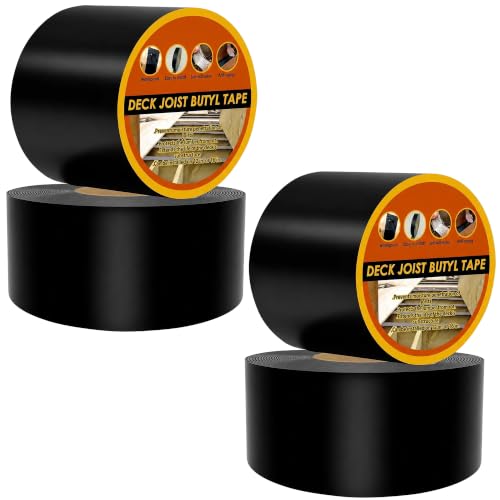 |
JOAPRIL Deck Joist Tape 4 Inch x 50 Feet Butyl 4 PackJOAPRIL | Pair with it | 4" x 50′ Butyl Joist Tape | $89.99
Price as of 11 Oct 2026
|
View |
This frame-first comparison separates structural lumber from surface boards. Use it to match exposure, budget, and expected service life before you buy framing stock.
📊 #1 Grade is suggested for visible decking boards. Source: Thecustomdeckguys.
How we chose
The selection here is based on exposure resistance, budget and lifespan, installation and fastening, and availability and grade. Deck framing has to stand up to moisture, insects, movement, and fastener corrosion, so the right joist material is not always the right post or rim member.
Pressure-treated lumber is the budget-friendly default for outdoor framing, and that matters because the frame stays hidden while carrying the load. Premium options earn their place when the site stays damp, the budget is higher, or the design calls for less movement over time.
Visible boards get a different grading standard. Select grade and #1 grade fit exposed decking faces better than hidden framing, unless the build spec calls for higher-quality stock throughout.
Premium grade #2 Southern Yellow Pine: best for budget deck frames
Choose this if you want the practical default for most deck frames. Southern Yellow Pine is a common wood used for decks, and pressure-treated lumber is a cost-effective, strong material for deck structure. It fits joists, beams, rim joists, and posts when the treatment level matches the exposure.
The main advantage is simple: you get a familiar framing species with predictable availability and decent structural value. Common preservatives include Micronized Copper Azole (MCA) and Alkaline Copper Quaternary (ACQ), both used in treated lumber for outdoor exposure. Those copper-based treatments are standard because the wood itself must resist decay, not just look good on day one.
One honest drawback is that standard above-ground treatment is not enough where wood sits close to soil, catches standing water, or stays damp under the deck. Another is that treated stock can move as it dries, so you still need correct spacing, drainage, and compatible fasteners.
Ventral Douglas fir: best for straightforward framing where code allows
This is a sensible option when local code allows Douglas fir for structural framing and you want a familiar construction species for joists or beams. It suits dry, well-drained sites better than exposed, soil-adjacent conditions, and it is easier to handle than denser premium hardwoods.
Compared with pressure-treated Southern Yellow Pine, Douglas fir can be a good framing choice for specific structural uses, but it does not replace the need for decay protection in exposed locations. If the frame is near grade or vulnerable to splash, treatment and connector compatibility matter more than species alone.
The drawback is clear: untreated or lightly protected framing wood is the wrong pick for high-moisture deck substructures. It also gives you less safety margin than ground-contact-rated treated lumber when conditions are unpredictable.
JOAPRIL deck joist tape: best for protecting joists and beam tops
Use this when you want extra protection for the top edges of joists, beams, and ledger-adjacent framing. Joist tape does not replace treated lumber, but it can reduce direct water intrusion at fastener holes and across horizontal surfaces where water tends to sit.
That matters because framing failures often start where water lingers. Tape helps, but only after you choose the right lumber and grade for the exposure. It is best thought of as an add-on for extending service life, not a substitute for ground-contact-rated material.
The drawback is that tape adds another step during installation and cannot fix poor drainage, undersized members, or untreated lumber in a wet location. It also needs clean, well-prepared surfaces to adhere properly.
FIXLINK deck screws: best for treated-lumber compatibility
These are for fastening treated deck framing where corrosion resistance and drive performance matter. Copper-treated lumber can be hard on ordinary fasteners, so screw selection is part of the frame decision, not an afterthought. A coating or material rated for treated wood is the baseline.
The advantage is straightforward fastening control. For frame assemblies using MCA- or ACQ-treated stock, you want fasteners and connectors that are approved for contact with treated lumber, especially in wetter climates or around ground-contact members.
The drawback is that a good screw does not solve a bad structural choice. If the lumber grade, span, or exposure rating is wrong, the best fastener still leaves you with an underspecified frame.
Woodchucks Wood red cedar boards: best for small visible projects, not deck framing
This is not a deck-frame lumber choice. Cedar is naturally durable, and cedar or redwood are often mentioned for outdoor use, but they are usually not the budget default for structural framing. They make more sense for small craft work or some visible components than for joists, beams, or posts.
For framing, the key issue is structural exposure rather than appearance. Cedar can be useful where the code and design allow it, but it is generally not the first answer when you need a cost-effective substructure with predictable load capacity.
The drawback is that this product is sized for craft-style use, not deck structure, so it is a poor fit for frame members. It also does not solve the need for ground-contact treatment where soil exposure is present.
Which type of wood is best for deck frames?
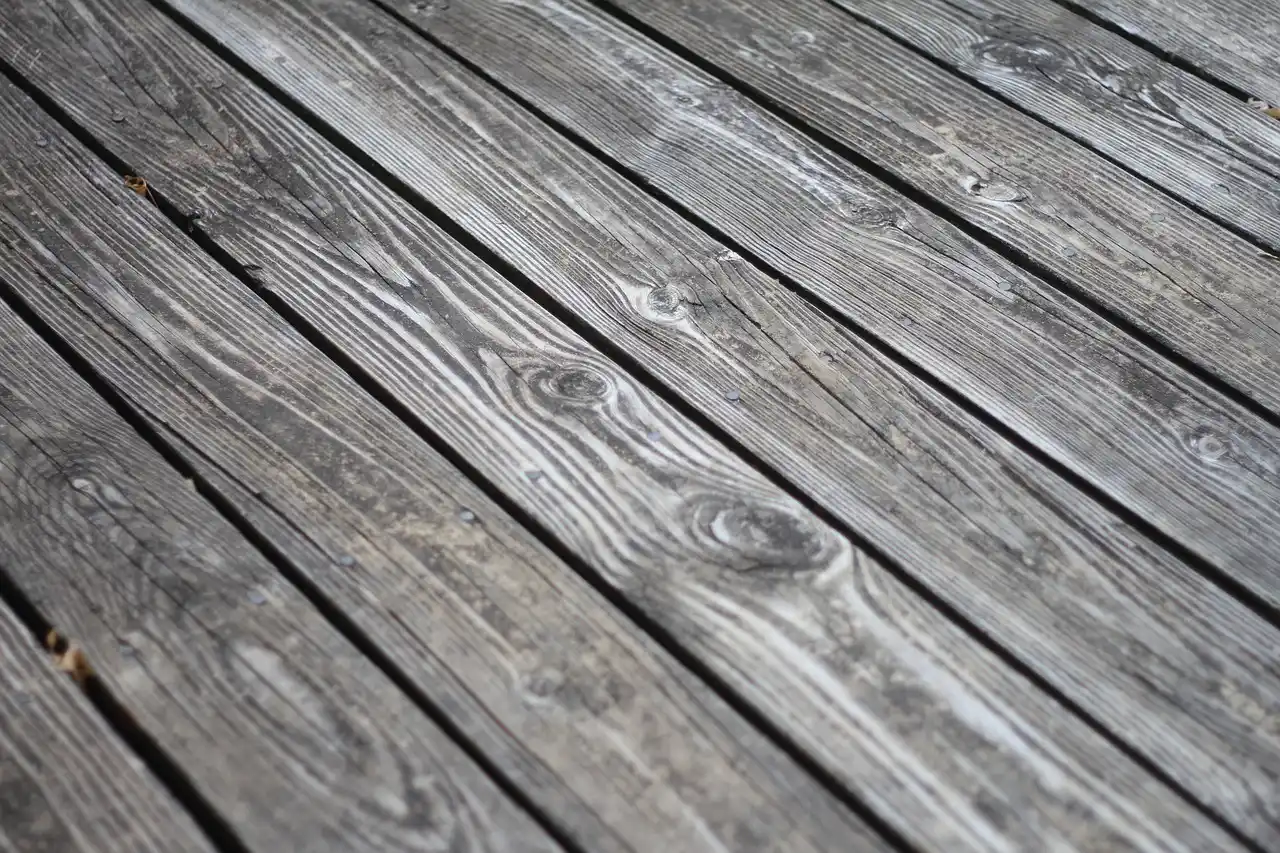
For most deck frames, pressure-treated Southern Yellow Pine is the best answer because it delivers the strongest mix of cost, availability, and outdoor durability. If the frame is above ground and well drained, standard treated stock often works. If members touch or sit near soil, ground-contact grade is the safer choice.
That answer changes when exposure changes. A dry, raised deck can often use standard treated framing, while a low deck over damp soil needs a stronger decay-resistance strategy. The “best” wood is the one that matches the structural exposure, not the one that looks best in a rack.
Joists
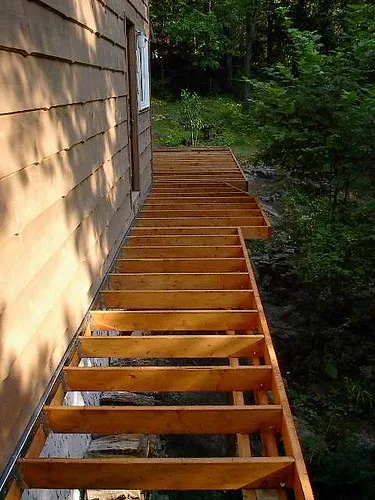
For joists, use treated framing lumber in the size your span table calls for, and upgrade to ground-contact grade if the joists are near soil, splashed by runoff, or trapped in poor ventilation. Joists fail from a mix of moisture and movement, so drainage and treatment rating matter together.
Hardwoods are denser and longer-lasting, but they are usually not the practical joist choice because of cost, weight, and hardware demands. For most DIY deck builds, treated Southern Yellow Pine remains the standard framing answer.
Beams and rim joists
Beams and rim joists see concentrated loads and edge exposure, so they deserve the same treatment logic as joists, with extra attention to connector compatibility. If a beam end sits in a damp pocket or close to grade, ground-contact treatment is the safer call.
Rim members often trap water and debris. That makes them a common failure point when standard treated lumber is used in a poor drainage layout. Better wood will not fix a bad detail, but it can slow decay where the design leaves little margin.
Posts
Posts are the most exposure-sensitive framing member because they are closest to soil and splashback. Ground-contact grade is essential for posts and joists near soil, and posts set in poor drainage should not rely on standard above-ground treatment.
For post bases and connector hardware, use products rated for treated lumber. Copper preservatives such as MCA and ACQ can be hard on ordinary steel, so fastener and connector approval is part of the wood choice.
What wood should I use for deck joists?
Use preservative-treated Southern Yellow Pine for most deck joists, and choose ground-contact grade if the joists are near soil, get frequent splashback, or are enclosed in a damp substructure. If the deck is dry and well ventilated, standard treated stock can be appropriate where code allows.
The joist decision is less about appearance and more about span, moisture, and connector compatibility. Select grade and #1 grade are better suited to visible decking boards, not hidden joists, unless your plan calls for higher-quality stock throughout the build.
Practical joist rule
If you can smell damp soil under the deck, see splash marks on framing, or know that airflow is poor, move up from standard PT. A common first-timer mistake is using the same lumber for all frame parts even when the joists are dry but the posts are nearly at grade.
What is the best lumber for deck framing?
The best lumber for deck framing is the one that matches structural exposure first, budget second, and lifespan third. For most projects, that means pressure-treated Southern Yellow Pine. For damp sites, ground-contact-rated treated lumber is the right upgrade. Premium woods make sense when the budget supports them and the site justifies them.
It helps to separate framing from surface boards. A deck board can be selected for appearance, but the frame needs decay resistance, dimensional stability, and connector compatibility. A beautiful surface over a failing frame is still a bad deck.
Premium alternatives
Ipe, Kebony, and Accoya are premium options, but they answer different problems. Ipe is extremely dense and hard, highly resistant to rot, insects, and fire, yet very heavy and hard to install. Kebony is created by treating wood with a bio-based liquid and is warranted against rot for decades. Accoya is warranted for 50 years above ground and offers superior stability plus resistance to rot and insects.
Those advantages do not mean they are always the best framing choice. Dense hardwoods increase labor and hardware demands, while modified woods cost more than standard pressure-treated lumber. They are best used when longevity or movement control outweighs budget.
What size wood is best for deck frame?
The best size depends on span tables, load, and code requirements, not on a single universal deck answer. Joists, beams, rim members, and posts are sized differently because each part carries a different load path. The “best” wood size is the smallest member that safely meets the required span and support layout.
Do not choose size by habit. A joist that works for a short span may fail when the span grows, and a beam that is fine in a dry layout may need additional support in a damp, low-clearance design. When in doubt, size by the code table for your lumber species and grade.
What wood preservative is best for deck framing?
For most outdoor framing, MCA and ACQ are the common copper-based preservatives to look for. Both are used in treated lumber for outdoor exposure, and both are standard answers for deck substructures. The better choice is usually the treatment rating, not the brand of preservative alone.
Ground-contact grade matters more than the name of the copper system when the member is near soil. If the framing is dry, the treatment can be lighter; if it is damp or close to grade, the preservative package needs to match that exposure. Fasteners and connectors should also be approved for treated lumber.
What type of wood lasts longest for a deck frame?
For maximum above-ground lifespan, Accoya is one of the strongest premium options because it is warranted for 50 years above ground and offers superior stability and resistance to rot and insects. Kebony is another long-life option, with a rot warranty measured in decades. Ipe also lasts very well because it is extremely dense and highly resistant to decay and insects.
For most homeowners, though, “lasts longest” has to be balanced against installation difficulty and cost. A treated Southern Yellow Pine frame with correct ground-contact rating, drainage, and connectors can outlast a poorly detailed premium frame. The wood choice matters, but the assembly details matter just as much.
Which one should you buy?
Buy pressure-treated Southern Yellow Pine if you want the best budget choice for most deck frames. Buy ground-contact-rated stock when members are near soil or in poor drainage. Buy Accoya or Kebony when you want a premium frame with better stability or longer service life. Buy Ipe only when the design can justify its cost, weight, and installation difficulty.
Suppose you are building a 12-foot-by-16-foot deck over dry ground with good airflow. Standard treated framing is usually the sensible answer, with ground-contact rating reserved for the posts or any member close to grade. Picture the same deck over damp clay with little under-deck ventilation; now ground-contact rating and better drainage become part of the baseline, not an upgrade.
For a cost-conscious build, stay with treated Southern Yellow Pine and spend extra on proper connectors, fasteners, and joist protection. For a long-term premium build, Accoya is the cleanest stability play, while Kebony is a strong middle ground for wet sites. Ipe is the hardest to justify for a typical frame because installation effort rises quickly.
- Start with exposure: dry above-ground framing, damp site, or near-soil contact.
- Choose the treatment level: standard PT or ground-contact grade.
- Check whether the member is hidden framing or visible stock.
- Match fasteners and connectors to treated lumber or premium hardwood.
- Only then compare premium woods against budget and lifespan.
Frequently asked questions
what wood to use for decking frame
Use preservative-treated Southern Yellow Pine for most decking frames, because it gives you a strong, cost-effective structural baseline. If the frame sits near soil or has poor ventilation, move to ground-contact grade. Premium woods make sense only when the site conditions or lifespan target justify the extra cost.
what type of wood for deck frame
The best type of wood for a deck frame is a structural lumber species with decay resistance and the correct treatment level for exposure. That usually means pressure-treated Southern Yellow Pine. For drier or code-allowed structural uses, Douglas fir can work, but it is not the standard answer for damp substructures.
is pressure-treated wood good for deck framing
Yes. Pressure-treated wood is the standard choice for deck framing because it resists decay better than untreated framing lumber and is cost-effective for structural use. The key is using the right rating. Standard PT works for many above-ground parts, but ground-contact grade is needed near soil.
Sponsored / affiliate links. As an Amazon Associate I earn from qualifying purchases. I may earn additional commission from eligible campaigns.