5 Best DIY Workbench Plans (2026): we compared
A simple 2×4 bench around 24 to 30 inches deep and 60 to 72 inches long is a good starting point for many beginners; folding makes sense in tight spaces, and casters help if you need to move it often. A poor match wastes floor space, flexes under load, and makes clamping and assembly harder. This guide compares beginner-friendly plans by shop size, tool load, and mobility so you can pick the right build the first time.
This guide is part of our Woodworking project ideas and plans series.
Quick comparison
| Product | Badge | Best for | Price | ||
|---|---|---|---|---|---|
 |
VEVOR Bench Vise, 6-inch Jaw Width 5.9-inch Jaw Opening,VEVOR | Pair with it | 6-inch jaw width with 360-degree swivel base. | $71.90
Price as of 11 Oct 2026
|
View |
 |
Pony Portable Folding Work Table, Workbench & SawhorsePONY | Also great | 500 lbs load capacity portable folding work table. | $169.99
Price as of 11 Oct 2026
|
View |
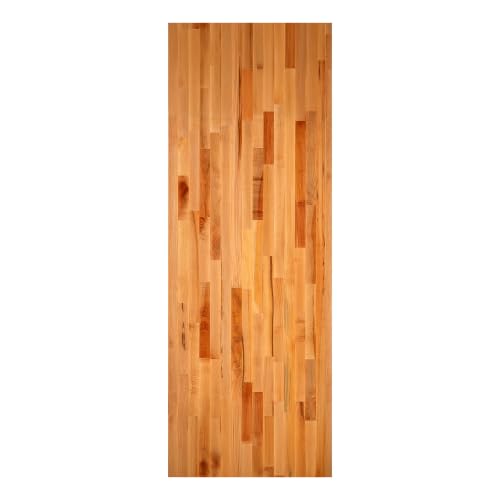 |
John Boos Workbench Top, Sturdy and Durable for Shop Work,John Boos | Upgrade pick | 60-inch solid maple wood workbench top. | $509.96
Price as of 11 Oct 2026
|
View |
 |
48" Aluminum T Track for Woodworking Jigs & Fixtures-RedSTRONGROWTH | Pair with it | 48-inch aluminum t track 4-pack. | $39.99
Price as of 11 Oct 2026
|
View |
 |
VekMax 60" Heavy Duty Workbench, 2500 LBS Load CapacityVekMax | Our pick | 60-inch heavy duty workbench with 2500 lbs capacity. | $219.99
Price as of 11 Oct 2026
|
View |
This comparison narrows the field fast. It separates a true woodworking bench from a garage utility bench and a mobile tool-platform bench, which often get mixed together even though they solve different problems.
Use it to match footprint, stability, storage, mobility, and beginner difficulty before you cut a single board.
📊 A small portable workbench can be made from 2x4s and plywood. Source: 21 Best DIY Workbenches With Step-By-Step Plans.
How we chose
The comparison below favors plans that are easy to square, use common beginner-friendly framing stock, and stay stiff under hand-tool and small power-tool loads. It also weighs footprint, storage trade-offs, and whether mobility hardware helps or hurts the build.
Plans that need fewer specialty cuts, fewer parts, and less precision win for first builds. Designs that hide instability behind extra shelves or casters do not rank as highly unless the use case truly calls for them.
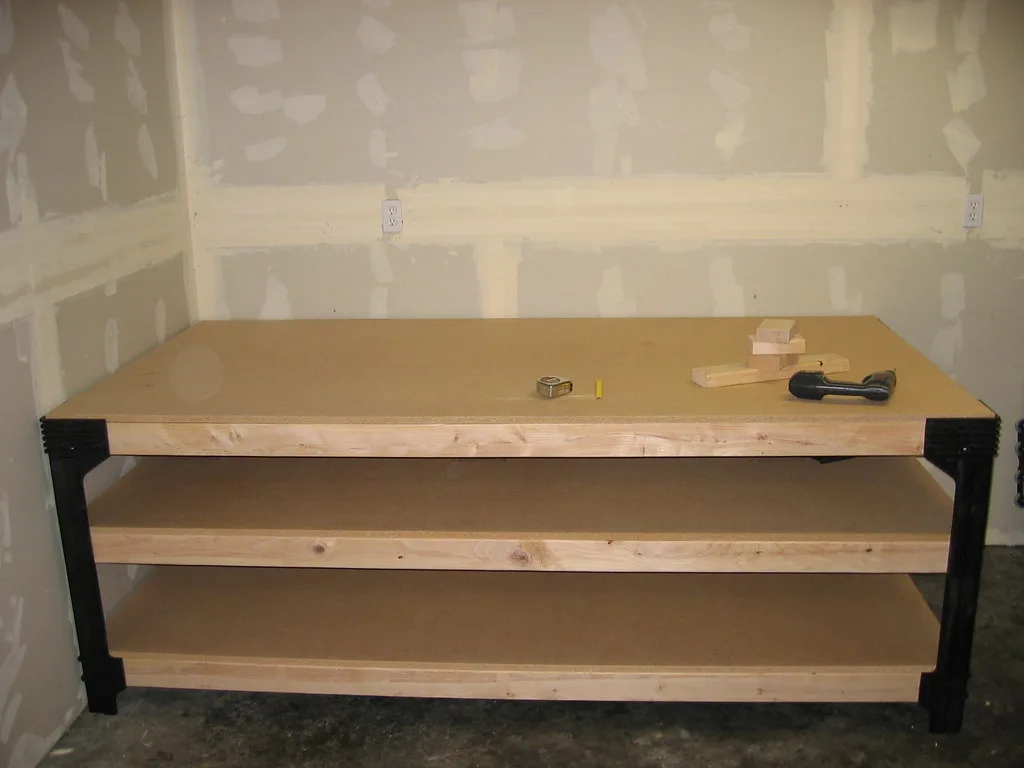
2×4 plywood bench: best for most beginners
This is the safest starting point for most first builds because the 2×4 frame is familiar, the plywood top is straightforward to flatten, and the adjustable-height approach helps you land near a workable bench height. Based on the spec sheet and reviews, it fits a garage or general shop better than a highly specialized bench.
It suits beginners who want one bench for layout, assembly, drilling, and light clamping. The drawback is weight and complexity: a heavier frame and extra features like outlets or pegboard can make the project less flexible if you later need to move it or resize it.
A bench like this works well when you want a strong base without advanced joinery. Screwed construction or pocket hole joinery can be enough for a beginner build if the leg frames are square and the stretchers resist racking.
Fold-down wall bench: best for small garages
This type is the right choice when floor space is the main problem and you need the work surface to disappear between projects. A folding bench can serve as a temporary assembly station, sawhorse, or light-duty surface, which makes it useful in a packed garage or apartment-style workshop.
Its main advantage is footprint control. The trade-off is stability: folding hardware, lighter frames, and moving joints usually mean less rigidity than a fixed bench, so it is a poor match for heavy planing, pounding, or aggressive clamping.
Based on the product details, this model’s 2-in-1 layout and collapsible design are appealing for beginners who need one tool to do more than one job. The drawback is that folding mechanisms add setup steps and can limit how much weight the bench feels comfortable carrying in real use.
Rolling bench with lockable casters: best for mobile setups
This category works when you need to move the bench often, clear floor space, or bring a vise station closer to a door or larger machine. A swivel locking base or lockable caster setup helps a bench shift from rolling mode to stationary mode, but only if the frame is stiff enough to resist wobble.
The drawback is that mobility can work against stability. Casters add height and another failure point, so the base must be wider, the leg frame better braced, and the locks dependable if you want the bench to feel solid while planing or chiseling.
This specific vise is not a complete bench, but it matters for mobile or utility benches because a good vise can make a lighter bench far more useful. The trade-off is that a vise does not fix a weak base; if the bench racks, the vise will not hide it.
What size workbench should you build?
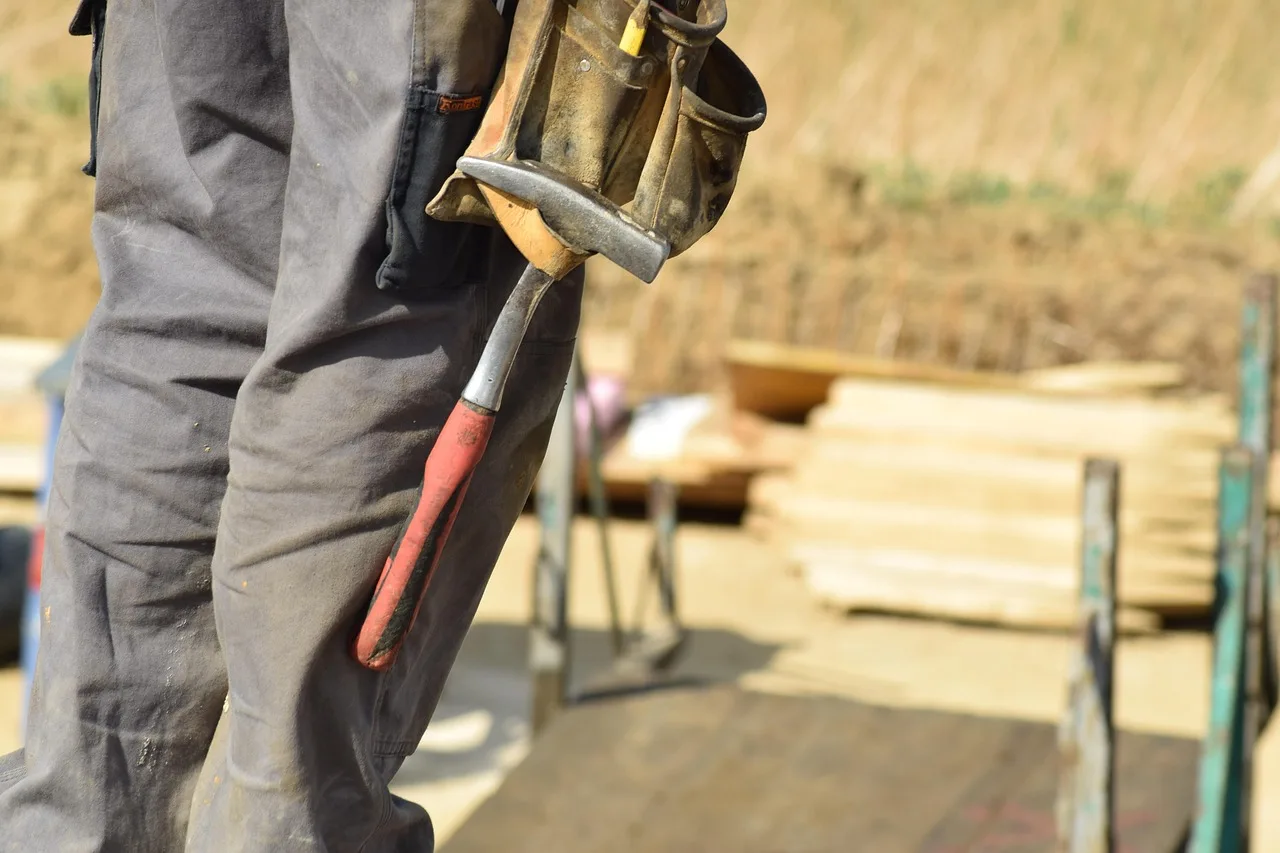
A good first bench usually sits at waist height or slightly below, with the wrist-height rule giving you a useful check for fine hand work. A common example is 35 inches, but the right height depends on whether you expect more sanding, assembly, or hand-tool work.
Height target: waist height or slightly below
For many beginners, a bench that lands near waist height reduces bending without forcing your shoulders up. Mother Earth News recommends a height that hits your wrists with arms relaxed, while other guidance puts a starting point around 35 inches for a general-purpose bench.
If you plan mostly sawing, assembly, and clamp work, a middle height is usually safer than going too tall. Taller benches can feel convenient until you need to plane, rout, or brace a workpiece from above.
Width and depth ranges for garage and small-shop layouts
For a garage, a basic bench often fits well at 60 to 72 inches long and about 24 to 30 inches deep, because that leaves room to walk around the car side or store tools nearby. Small-shop benches can be shorter if you need better circulation, but the top should still be wide enough for assembly and clamping.
Anika Gandhi recommends a work surface that maximizes available space, which matters more than chasing a large footprint. A bench that is too deep becomes hard to reach across, and one that is too narrow gives you no clamping room.
When to use extra leg-frame spacing or center support
Mother Earth News recommends leg frame spacing of 24 to 48 inches, which is a practical range for beginner builds. Wider spans need better stretchers, better top support, or a center rail to keep the top from sagging under tool load.
Say your bench is 72 inches long and you plan to mount a vise near one end. Without enough support intervals, the top can flex and the base can rack when you clamp hard. A center support or closer leg spacing can prevent that before it becomes a problem.
Plan-matching table: choose by shop size and load

| Workbench style | Footprint | Stability | Storage | Mobility | Beginner difficulty | Choose this if… |
|---|---|---|---|---|---|---|
| 2×4 plywood bench | Medium | High | Optional | Low unless casters are added | Easy | You want the best all-around first bench for garage or shop use. |
| Fold-down wall bench | Very small | Medium to low | Low to medium | High in the sense that it stores away | Easy to moderate | Your floor space is tight and you can accept lighter-duty work. |
| Rolling bench with lockable casters | Medium | Medium | Optional | High | Moderate | You need to move the bench often and can build a stiffer base. |
| Portable folding work table | Small when folded | Low to medium | Low | Very high | Easy | You need a jobsite-style surface more than a fixed woodworking bench. |
| Heavy workbench with steel frame | Medium to large | Very high | Medium to high | Low | Moderate to harder | You expect heavier tools, more clamping, and a bench that stays put. |
Garage setups
For a garage, choose a fixed 2×4-and-plywood bench if you can spare the floor space, because it gives you the best mix of stiffness and cost. If parking, storage, or a household layout takes priority, a wall-folding design can make more sense even though it gives up rigidity.
A garage bench should also leave room for tool storage and the open stance you need to clamp lumber along the front edge. If you cannot walk around the bench comfortably, it is too large for the space.
Small-shop setups
In a small shop, the bench must do more with less. Favor a compact top, straight leg frames, and storage only where it will not block your feet or weaken the base. A smaller bench that stays square is better than a larger one that racks every time you clamp.
For this setting, center storage can work if it is built into the frame, but deep drawers and heavy cabinets can reduce legroom and make the bench harder to move or level.
Portable or folding setups
Portable builds are best when the work surface has to travel or disappear after each session. A 2×4 and plywood portable workbench can be practical, but it should be treated as a tool platform, not as a heavy joinery bench.
Picture a beginner in a one-car garage who needs the same floor for parking every night. A folding bench solves the space problem, but only if the user accepts that it will not feel like a fixed woodworking bench under heavy load.
Should you add storage or casters?
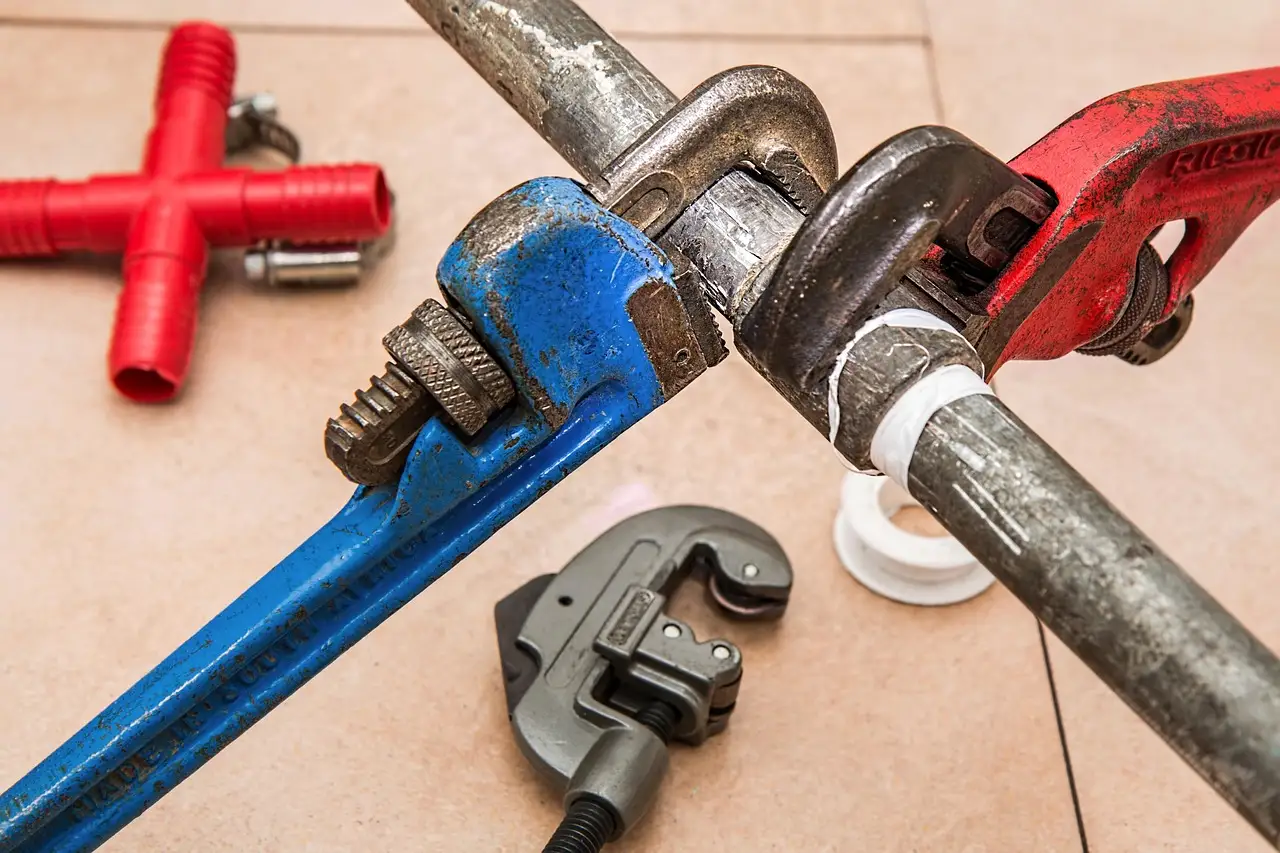
Storage and casters are useful only when they match the way you work. Shelves, drawers, pegboard, tool racks, and center storage can improve organization, but they can also add weight and make the base easier to rack if the frame is not stiff enough.
When shelves and drawers help
Shelves help when you want clamps, glue, or hand tools close by and off the floor. Drawers are useful for layout tools, bits, and small hardware, while pegboard and tool racks make sense when you reach for the same items constantly.
A simple workbench can include drawers, shelves, and even center storage, but the frame should come first. If the storage forces thin stretchers or weak leg spacing, it helps organization at the cost of rigidity.
When storage weakens the base
Storage becomes a problem when it replaces structural members instead of fitting inside them. If drawers span too far without support, or if a center cabinet blocks the leg frame from bracing properly, the bench can begin to feel loose under side load.
That failure usually shows up as racking, squeaks, or a top that shifts when you plane or clamp. The fix is not more shelf material; it is better support and stronger joinery.
When casters make sense and when they do not
Casters make sense when the bench must move for parking, cleaning, or job layout. They do not make sense if the bench will spend most of its time under heavy hand-tool work, because even lockable wheels can introduce a little movement and extra height.
Adding wheels or casters is recommended for mobility, but the base must be built around that choice. Lockable casters and push-up caster wheels are better for rolling setups than generic wheels, yet both can feel unstable if the bench is too narrow or lightly framed.
What tools do you need to build a workbench?
Most beginner plans only need basic tools: a saw, a drill or driver, clamps, a square, a tape measure, and a way to fasten the frame accurately. The more you rely on simple screwed construction and pocket-hole joinery, the more useful those few tools become.
Basic tool list for a first build
- Measuring tape and speed square
- Circular saw or miter saw for cutting 2x4s, 2x2s, and plywood
- Drill/driver with bits for pilot holes and screws
- Clamps for holding leg frames square
- Level for checking that the bench sits flat
- Pocket-hole jig if you want faster beginner joinery
The Handyman’s Daughter uses 2x4s, 2x2s, plywood, and basic tools, which is a good sign that you do not need a complicated tool cabinet to get started. Keep the first build simple and spend effort on square frames, not on exotic hardware.
How do you build a simple workbench for beginners?
A simple beginner workbench starts with a square 2×4 base, a flat plywood top, and a size that fits your room before any storage is added. The basic sequence is cut, assemble the leg frames, connect them with stretchers, and fasten the top after confirming the frame sits level.
Simple build sequence
- Measure the available floor space and pick a footprint that leaves working room.
- Cut the 2x4s or 2x6s for the legs, stretchers, and aprons.
- Assemble each leg frame flat on the floor so it squares easily.
- Connect the frames with stretchers and check for twist or racking.
- Fasten the plywood or MDF top after confirming the frame is level.
If you want the easiest path, use screwed construction or pocket-hole joinery and keep the layout symmetrical. A beginner should avoid overcomplicated cutouts or decorative shapes until the first square, stable base is built.
How to make a diy workbench
To make a DIY workbench that feels dependable, build around stiffness first: a flat top, leg frames that do not sway, and support points that keep the top from sagging. 2x4s are the usual framing stock because they are easy to source, easy to cut, and strong enough for a first bench.
Frame and top choices that work
Hardwood plywood or MDF are suggested as durable, flat work surfaces. Hardwood plywood is a better choice when edge wear and abuse matter, while MDF can stay very flat but is more vulnerable to moisture and denting at the edges.
A 2x4s with plywood top build is the most beginner-friendly framing approach, especially when the plan favors straight cuts and simple fasteners. 2x6s can be used when you want a heavier base, and 2x2s are more often used for lighter braces or secondary framing.
How to build a simple workbench
The easiest simple workbench is a fixed 2×4-and-plywood layout with a modest top, a stiff base, and no moving parts. That plan keeps cost, cut count, and beginner mistakes lower than folding or rolling designs, which ask more of the hardware and the frame.
Why the 2×4 plywood bench is easiest
It is easy to square because the parts are rectangular and the joinery can stay simple. It is also easier to repair later, since screwed connections can be adjusted, and a plywood top can be replaced without rebuilding the whole base.
By contrast, mobile benches need stronger wheel mounting, and fold-down designs depend on hinges and brackets that have to line up correctly. Those extra steps can turn a first project into a troubleshooting exercise.
How to build a workbench
When you build a workbench, think in layers: first the load path, then the top, then storage, and finally mobility. That order helps you avoid common failures such as wobble, sagging tops, and racking, which usually come from weak frames or poor support spacing.
Common beginner mistakes to avoid
Undersized tops are a common problem because they flex when you clamp near the edge. Weak leg spacing can also make the bench twist, especially if the stretchers are too high or too shallow to resist side force.
A common first-timer mistake is adding casters before making the frame stiff. The bench rolls easily but feels nervous when a vise gets cranked down, and the caster instability gets blamed on the wheels instead of the base design.
Which one should you buy?
Buy the 2×4 plywood bench if you want the easiest all-around build and the best chance of ending up with a rigid first workbench. Buy the fold-down bench if your floor space is tight. Buy the rolling bench if mobility matters more than maximum rigidity.
If you need heavy clamping, more tool load, or a bench that behaves like a true woodworking station, stay with a stationary design. If you mainly need a temporary surface for cutting, assembly, or light repair work, a portable or folding option can be enough.
For most beginners, the deciding factor is not the number of features. It is whether the bench can stay square, support the tools you actually use, and fit the room without becoming a burden.
Frequently asked questions
What height should a DIY workbench be?
A DIY workbench should typically sit at waist height or slightly below. A practical rule is to check where your wrists land with arms relaxed, and many general-purpose benches end up around 35 inches, though the best height depends on whether you do more assembly, sanding, or hand-tool work.
What materials are best for a sturdy workbench top?
Hardwood plywood and MDF are both common because they stay flat and are easy to work with. Hardwood plywood is usually better for durability and edge wear, while MDF offers flatness at a lower material cost but needs better moisture protection and edge care.
Should a workbench have storage or casters?
Only if those features fit the job. Shelves and drawers help when tools need a home nearby, but too much built-in storage can weaken the base if it replaces structural support. Casters make sense for mobility, but they can reduce stability unless the frame and locks are strong.
How big should a basic workbench be for a garage?
A basic garage bench often works well at 60 to 72 inches long and about 24 to 30 inches deep. That size gives enough surface for cutting and assembly while still leaving room to move around the bench, open storage, or park a vehicle if needed.
Sponsored / affiliate links. As an Amazon Associate I earn from qualifying purchases. I may earn additional commission from eligible campaigns.