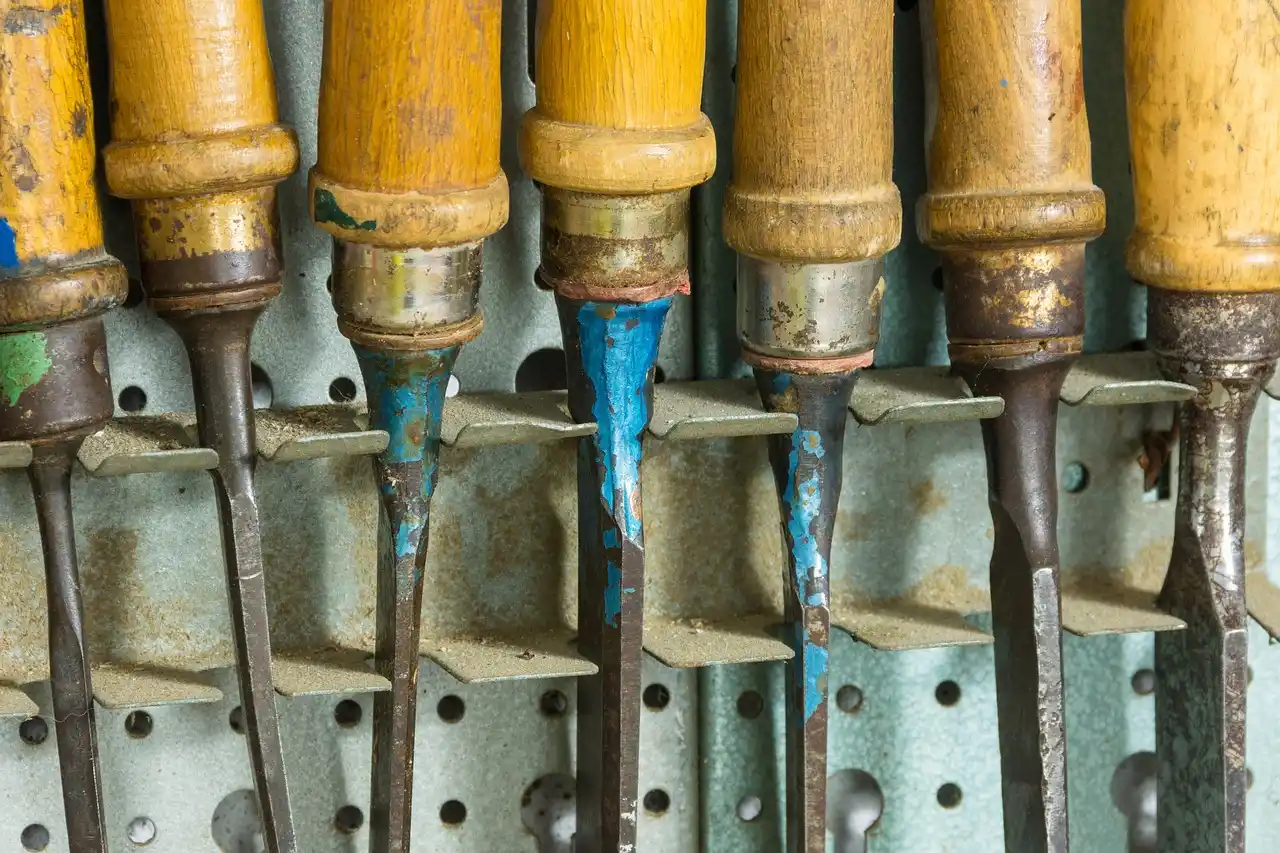
How Much Does It Cost to Sharpen Chisels Professionally?
Professional sharpening for bench chisels usually costs more for repair work than for routine honing, especially if the edge is chipped, mushroomed, or badly out of flat. Poor sharpening removes extra steel, shortens tool life, and leaves paring and chopping less accurate. This guide breaks down shop pricing and when restoration is worth paying for.
What you’ll need
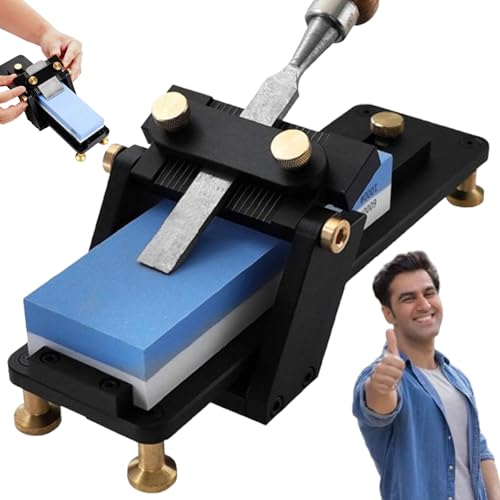

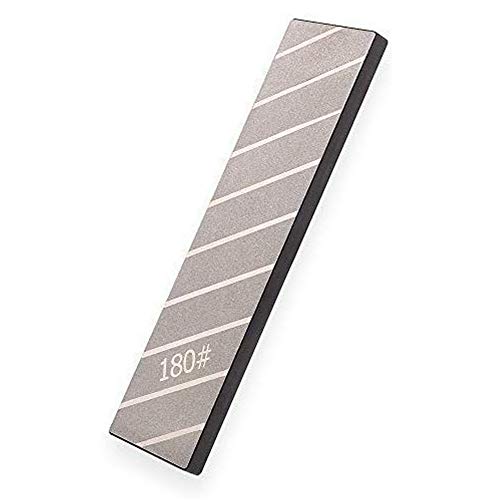
- Bench chisel
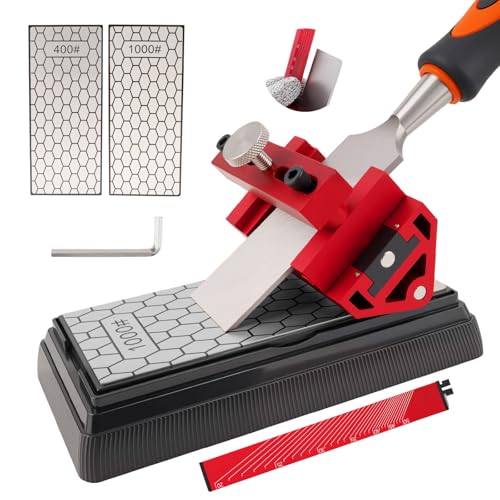
- Honing guide or another fixed-angle setup
- Sharpening stone set, such as coarse, medium, and fine grits
- Water stone or oil stone
- Sandpaper sharpening system
- Flat support such as plate glass
- Clean cloth and light oil for cleanup after sharpening
📊 For a paring chisel, wikiHow says to set the guide at 20 degrees. Source: Wikihow.
Chisel price tiers
| Service tier | Typical shop price | What the shop should do | What to inspect on return | When DIY becomes cheaper |
|---|---|---|---|---|
| Basic hone | $2 to $5 per chisel | Touch up the bevel, remove the wire edge, and check the cut | Bevel is even, back is flat near the cutting end, edge bites cleanly in end grain | After a few tools, if you already own stones and a guide |
| Standard sharpen | $5 to $15 per chisel | Clean, flatten the working end, hone the bevel, and finish the edge | First 2 inches on the back are lapped, bevel is consistent, no drag from burrs | When the quote approaches the cost of stones and a honing guide |
| Chipped-edge repair | $10 to $20 per chisel | Grind out chips or dents, then hone back to a usable edge | Chips are gone, bevel has not been burned, edge tracks straight | When only one or two chisels need repair and the rest are fine |
| Full regrind | $15 to $30 or more per chisel | Reset the bevel with a grinding wheel, then hone and test | Back is flat enough to cut cleanly, bevel angle is even, no heavy rust or gouges remain | When the tool is low-cost and replacement is near the same price |
How much does it cost to sharpen chisels professionally?
A routine bench-chisel hone usually falls at the low end of shop pricing, while edge repair and full restoration cost more because they remove more metal and take more setup time. A straight touch-up is one job; a chipped, rusted, or uneven chisel is another. Expect the quote to follow condition first, then tool type.
What a routine sharpen should cost
For a chisel that only needs a fresh edge, a few dollars per tool is the normal target. The shop should clean up the bevel and confirm the cutting end is sharp without removing more steel than needed.
What a full restoration should cost
If the chisel is old or uneven, a grinding wheel may be needed first. That raises the price because the shop has to remove damage before honing begins. A full restoration often costs several times more than a quick hone, especially if the back must be lapped and the bevel re-established from scratch.
How shop pricing changes by region and service style
Pricing shifts with labor rate, equipment, and whether the shop charges per tool or by batch. Some services bundle cleaning, oiling, reassembly, and edge testing. Specialty hand services can also run flat-rate.
Is it cheaper to sharpen chisels yourself?

DIY becomes cheaper when you own the setup and sharpen often enough to spread the cost across many tools. A bench chisel does not need a full restoration every time; many only need a light hone. If you already have stones, a guide, and a flat surface, the per-tool cost drops fast compared with repeated shop visits.
Compare setup cost to one-time shop visits
A simple sandpaper setup can start with a glass shelf, plus sandpaper. A honing guide and a basic stone set add more cost, but they also cover future maintenance. If a shop quote is only for one or two chisels, the service may still be cheaper than buying the full kit.
When DIY becomes the lower-cost choice
DIY usually wins when you sharpen several chisels, bench-plane irons, or touch up edges several times a year. A honing guide can set a chisel bevel somewhere between 20 and 35 degrees, which keeps the angle repeatable. For a paring chisel, set the guide at 20 degrees; standard chisels work well at 25 degrees.
When a shop still makes more sense
Pay a shop when the edge is chipped, rusted, or uneven enough that stone-only work would take too long. Badly damaged chisels need grinding first, and that is where a machine can save time and steel. If the chisel is cheap, badly worn, or already short, replacement may cost less than repair.
What affects professional chisel sharpening price?
Condition drives price more than brand or size. A clean edge that only needs honing is quick. A rusted, pitted, or out-of-square edge takes more labor, and a shop may need to flatten the back, reset the bevel, and test the cut before returning it. Service style matters too.
Bench chisel back flattening, often called lapping, is part of the job when the back is not flat enough to cut cleanly. Family Handyman recommends flattening the back on the first 2 inches or so. The flat side should be as reflective as a mirror when properly sharpened, but the practical test is whether it registers on a cut without snagging. (Familyhandyman)
Say your 1-inch bench chisel has a small chip near the corner and a shiny but uneven back. A basic hone will not fix that. A shop should grind out the chip, lap the working end, and then hone the bevel so the edge tracks straight instead of wandering into the damaged spot.
Suppose your 3/4-inch chisel only feels dull after trimming end grain, with no visible nicks. That is usually a hone job, not a full regrind. Paying for heavy restoration in that case wastes steel and money.
Step-by-step: compare a quote to the chisel’s condition
- Inspect the back for flatness and lapping. Check the first 2 inches or so near the cutting end, because that area controls how cleanly the chisel enters the wood.
- Check for chips, rust, and uneven bevels. If the edge is old or uneven, note that a grinding wheel may be needed first.
- Match the damage to the right service tier. A light hone fits a dull but undamaged chisel; chips and heavy rust move it into repair work.
- Compare the quote to replacement cost. If restoration costs close to a new chisel, replacement is often the better value.
- Ask what the return service includes. Cleaning, oiling, reassembly, and edge testing are useful, but they do not replace your own inspection.
- Test the edge on return. The chisel should cut without skittering, and the bevel should feel consistent through the stroke.
When to choose repair, sharpening, or replacement
Use repair when the steel still has enough life left and the damage is localized. Use sharpening when the edge is simply dull. Replace the chisel when repeated grinding would shorten it too much, or when the cost of restoring a low-value tool gets too close to the cost of a new one.
When does a chisel need grinding instead of honing?
Grinding is the first step when stones alone would take too long or would not remove the defect cleanly. Chipped, uneven, old, or rusted chisels can require grinding before honing, which raises cost. A shop should use the wheel only to reset the damaged edge, then finish on stones or sandpaper.
Signs the edge is too damaged for stones alone
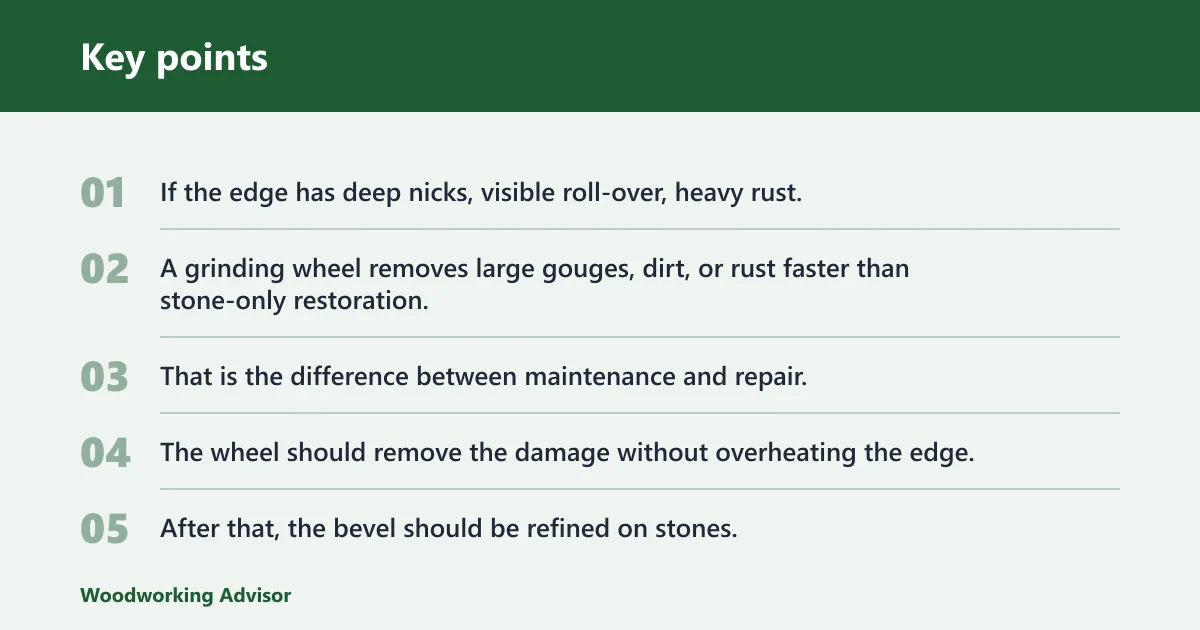
If the edge has deep nicks, visible roll-over, heavy rust, or a bevel that is no longer square, the chisel needs more than a hone. A grinding wheel removes large gouges, dirt, or rust faster than stone-only restoration. That is the difference between maintenance and repair.
What grinding should remove before honing begins
The wheel should remove the damage without overheating the edge. After that, the bevel should be refined on stones, and the back should still be checked for flatness at the cutting end. A guide helps keep the bevel repeatable during the finish work.
What to inspect after a grinding service
Look for a smooth, even bevel with no blue discoloration at the edge. Check that the back is flat enough for the first cut. Then pare a scrap board. If the chisel chatters or dives, the back or bevel still needs work.
Common mistakes
- Paying for a full regrind when a light hone would do. Ask what condition triggered the higher price.
- Accepting a sharpened edge without checking the back. The back still needs to be flat where it cuts.
- Skipping a honing guide and guessing the angle. A fixed setup keeps the bevel repeatable.
- Buying a service before comparing DIY setup costs. Stones, a guide, and sandpaper may pay back quickly if you sharpen often.
- Keeping an old chisel that costs more to restore than replace. Short tools and badly worn steel rarely justify repeated repair.
Prevent damage by touching up the edge before it gets badly chipped. A routine hone is faster, cheaper, and removes less steel than repair work.
Frequently asked questions
How often should chisels be professionally sharpened?
The real trigger is cutting quality and edge condition. When the edge starts crushing fibers or skating across end grain, send it out or hone it yourself. Frequent users will need touch-ups more often. (Wikihow)
What should a chisel sharpening service include?
At minimum, the service should restore the cutting edge, remove damage, and return a tool that cuts straight. Cleaning, oiling, reassembly, and edge testing are useful extras. For bench chisels, ask whether the back was lapped and whether the bevel angle was checked on return.
Can a sharpened chisel be returned with a flat back and proper bevel?
Yes. A proper service should flatten the working part of the back and reset the bevel to a usable angle. For bench chisels, that means a repeatable edge near the 20 to 35 degree range, with the back flat enough to register cleanly against the work.
Is a honing guide worth it for chisel sharpening?
Yes, if you want repeatable angles and fewer mistakes. A guide can hold the blade at 20 to 35 degrees, and that matters when you move between paring and standard bench chisels. It also helps keep the bevel even when you use stones or sandpaper.
Do damaged chisels cost more to sharpen?
Usually, yes. Chips, rust, and uneven backs add labor because the shop must grind first, then hone. If the edge only needs a light touch-up, the price stays at the low end. The more steel that has to come off, the higher the quote.
Sponsored / affiliate links. As an Amazon Associate I earn from qualifying purchases. I may earn additional commission from eligible campaigns.