How Much Does It Cost to Build a Wooden Boat? 2026 Price Guide by Size
A wooden boat can cost as little as $300 for a small kayak kit or well over $250,000 for a commissioned cruising sailboat. The number that actually applies to you depends on four things: the boat’s size, whether you’re following a proven plan or designing from scratch, whether you build it yourself or pay a professional, and how much of the materials (marine plywood, epoxy, fasteners, finish) you buy new versus source secondhand.
Most first-time builders underestimate the gap between a small stitch-and-glue dinghy and a full cabin cruiser – it isn’t a difference of a few thousand dollars, it’s a difference of an entire order of magnitude. The breakdown below separates costs by boat type and size first, then walks through materials, labor, tools, and the ongoing maintenance bill nobody budgets for until year two.
Wooden Boat Building Costs by Type and Size
Boat size is the single biggest cost driver – far more than wood species or finish quality. Here’s roughly what each category runs for a DIY build using new materials:
| Boat Type | Typical Length | DIY Build Cost |
|---|---|---|
| Kayak or canoe (stitch-and-glue kit) | 10–17 ft | $300 – $1,500 |
| Small dinghy or rowboat | 8–12 ft | $1,500 – $5,000 |
| Daysailer or small sailboat | 14–20 ft | $5,000 – $15,000 |
| Cruising sailboat or cabin cruiser | 25–35 ft | $30,000 – $100,000+ |
| Large custom sailboat or yacht | 35 ft+ | $150,000 – $250,000+ |
These are DIY figures. Hiring a professional builder for the same boat typically adds 2–4x on top of the materials cost, since you’re paying $50–$100 an hour for skilled labor instead of your own time.
Best Small-Boat Plans Book
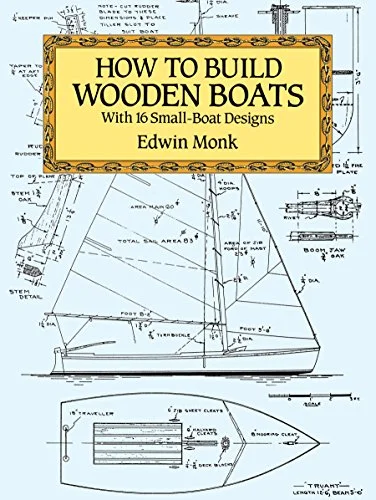 |
How to Build Wooden Boats: With 16 Small-Boat Designs – $14.95 A proven plan set keeps your materials list and dimensions accurate, which is the easiest way to avoid the wasted-wood costs that blow up a first-time budget.
|
What Boat Plans and Kits Actually Cost
Before pricing wood, decide whether you’re working from a plan, a kit, or your own design. A single printed plan or a plans-and-patterns book like the one above runs $10–$50 and gives you dimensions, a materials list, and a cut plan – cheap insurance against buying the wrong amount of plywood. A full stitch-and-glue kit, where the plywood panels arrive precut to shape, costs $700–$2,500 for a small kayak or dinghy depending on the designer and wood grade. Designing your own boat from scratch is free but risky for a first build: a mis-measured hull shape can waste an entire sheet of marine plywood at $70–$180 each.
Materials Breakdown: Wood, Epoxy, and Fiberglass
Materials are usually 25–40% of a DIY build’s total cost. For a small dinghy or daysailer, expect this rough split:
- Marine plywood: $70–$180 per 4×8 sheet depending on species (okoume vs. meranti) and thickness; a small dinghy typically needs 3–5 sheets, a 16–20 ft daysailer 8–14 sheets.
- Epoxy resin and hardener: a 1-gallon kit runs about $150 and covers roughly one small boat’s hull – two coats plus fillets and fiberglass wet-out will often need a second kit on anything over 14 ft.
- Fiberglass cloth and tape: $10–$25 per yard, used to sheath seams and the outside of the hull for abrasion resistance.
- Fasteners, glue, and hardware: silicon bronze screws, copper rivets, cleats, and oarlocks typically add $150–$600 depending on boat size.
If you’re comparing plywood grades before you buy, our guide to marine grade plywood vs. pressure treated breaks down why marine ply is worth the premium for anything that sits in water.
DIY vs. Hiring a Professional Boat Builder
Building it yourself trades cash for time. A small dinghy might take a first-timer 100–200 hours spread over a few months; a 20 ft daysailer can take 500–1,000 hours; a full cabin cruiser can run a full-time builder 400–1,000+ hours over a year or more. None of that shows up as a dollar figure, but it’s real.
A commissioned professional build changes the math. Skilled boatbuilding labor runs $50–$100 an hour, and a small boat commissioned from a professional shop can add $3,000–$10,000 in labor alone, while a larger cruising boat can add $20,000–$50,000 or more. That’s why the same 20 ft daysailer that costs $5,000–$15,000 in materials as a DIY project can run $25,000–$60,000 commissioned – you’re not paying for different wood, you’re paying for someone else’s hours.
Tools You’ll Need to Get Started
If you’re starting from an empty shop, budget $500–$3,000 for tools: a circular saw or track saw for cutting plywood panels, a random orbital sander, clamps (a lot of them – stitch-and-glue construction alone can eat 20-30), a low-angle block plane for fairing, mixing cups and stir sticks for epoxy, and basic safety gear (respirator, gloves, eye protection – epoxy dust and vapor are not something to skip protection for). If you already own general woodworking tools, the incremental cost drops toward the lower end of that range since most of what’s specific to boatbuilding is clamps and epoxy-mixing supplies rather than power tools.
Finishing, Hardware, and Other Add-On Costs
Finishing is where a lot of first-time budgets get blown, because it’s easy to price the wood and forget the coatings that protect it. A marine spar varnish or spar urethane finish runs $40–$80 per quart and a small boat typically needs 4–6 coats for real UV and water protection – our spar varnish vs. polyurethane comparison covers which one actually holds up outdoors. Beyond the finish, budget for hardware: cleats, oarlocks or rowlocks, navigation lights if you’ll be on the water after dark, and trailer hardware if you don’t have dock storage. Altogether, finishing and hardware usually add $300–$1,200 to a small boat and scale up from there.
Maintenance Costs After the Build
The build price is only the start. Wooden boats need real annual upkeep because wood moves, absorbs moisture, and is vulnerable to rot at any seam where the finish fails. Expect to spend roughly $500–$1,500 a year on routine maintenance – sanding and re-coating brightwork, checking and re-bedding fasteners, and touching up bottom paint if the boat is kept in the water. Long-term care is a separate, larger bucket: replacing a damaged plank, re-fastening a loosened seam, or stripping and refinishing a hull that’s been neglected can run into the thousands, which is exactly why routine upkeep is cheaper than deferred maintenance in the long run.
Pros and Cons of Building Your Own Wooden Boat
The upside: a DIY wooden boat is almost always cheaper than buying a comparable new fiberglass boat, you end up with a craft nobody else has, and you’ll know exactly how it was built when something needs repair. The downside: the time investment is real and easy to underestimate, wood demands more ongoing maintenance than fiberglass or aluminum, and a first-time build has a learning curve that can turn small mistakes into wasted materials. For most first-time builders, a small stitch-and-glue kayak or dinghy is the right place to start – it keeps the financial and time risk low while you learn whether boatbuilding is something you want to keep doing on a larger scale.
Frequently Asked Questions
How Much Wood Do You Need to Build a Boat?
It depends on the boat’s size and hull shape, but as a rough guide, a small 8–12 ft dinghy typically needs 3–5 sheets of 4×8 marine plywood, while a 16–20 ft daysailer needs 8–14 sheets. Always work from a specific plan’s materials list rather than estimating – buying plywood by guesswork is one of the most common ways first-time builders overspend.
Why Are Wooden Boats So Expensive?
Wooden boats cost more than mass-produced fiberglass boats of the same size because every hull is essentially hand-built rather than pulled from a mold, and quality marine plywood, epoxy, and fasteners aren’t cheap. The tradeoff is that a well-built wooden hull can last just as long as fiberglass if it’s maintained properly.
What Are the Disadvantages of a Wooden Boat?
The main disadvantages are higher maintenance demands and vulnerability to rot if water gets into the wood through a failed finish or seam. Wooden boats also generally need more frequent refinishing than fiberglass or aluminum boats to stay protected from UV and moisture.
What Is the Lifespan of a Wooden Boat?
A well-built and properly maintained wooden boat can last 30–50 years or more – some traditional wooden boats are still sailing after a century of care. The lifespan comes down almost entirely to how consistently the finish and fasteners are maintained, not the wood itself.
How Much Do Wooden Boat Plans Cost?
A single printed plan or a plan book covering several designs typically costs $10–$50. A full kit with precut plywood panels costs more, usually $700–$2,500 for a small boat, since you’re paying for the precision cutting in addition to the design.
Is It Cheaper to Build a Wooden Boat or Buy One?
For small boats – kayaks, dinghies, and daysailers – building is usually cheaper than buying new, and often cheaper than buying a comparable used boat once you factor in that you know the build history. For larger cruising boats, the labor hours needed to build from scratch can close that gap or even flip it, which is why most cabin cruisers and yachts are bought rather than built from scratch by their owners.
Final Thoughts
There’s no single answer to what a wooden boat costs to build – a $400 kayak kit and a $200,000 custom cruiser are both “wooden boats,” and the honest answer is always going to depend on size, plans vs. custom design, and DIY vs. professional labor. Start by picking a proven plan for a boat size you can realistically finish, price the materials against the ranges above, and budget separately for the tools and ongoing maintenance that most first-time builders leave out of their initial number.
Sponsored / affiliate links. As an Amazon Associate I earn from qualifying purchases. I may earn additional commission from eligible campaigns.