How to Dry Osage Orange Wood Without Cracking or Warping
Osage orange dries slowly and does not forgive shortcuts: seal the end grain the same day you cut it, strip the bark and pale sapwood, stack it with stickers out of direct sun and wind, and plan on roughly a year of air-drying per inch of thickness – often two to three years for a full log.
That’s a different answer than most general “how to dry wood” guides give, because Osage orange isn’t built like the oak, pine, or ash those guides are written for. It’s one of the densest woods native to North America – a Janka hardness of about 2,620 lbf, nearly double red oak – and that density is exactly why it checks (cracks at the ends) and warps so easily when it’s rushed. The fixes below are the same ones bowyers and wood turners have used for generations to keep Osage orange staves and blanks intact; the trick is doing them in order, starting within hours of the cut, not after the wood has already started to dry unevenly.
Why Osage Orange Is So Hard to Dry
Best End-Grain Sealer for Osage Orange
 |
ANCHORSEAL 2 Log & Lumber End Grain Sealer, 1 Quart – $28.45 The single step that prevents most Osage orange checking: a wax emulsion brushed onto freshly cut ends to slow moisture loss where it happens fastest.
|
Freshly cut (green) Osage orange holds a lot of moisture, and its exposed end grain loses that moisture roughly 10 to 15 times faster than the long sides of the log or board. As the ends dry and shrink first, they pull against the still-wet, still-swollen core – that uneven shrinkage is what opens up the radial cracks woodworkers call “checks.” The wood’s extreme density (Janka hardness around 2,620 lbf, compared to roughly 1,290 for red oak) makes this worse, not better: it slows how fast moisture can move out of the interior, which stretches out the window where the ends and the core are pulling against each other.
Step 1: Cut, Debark, and Strip the Sapwood
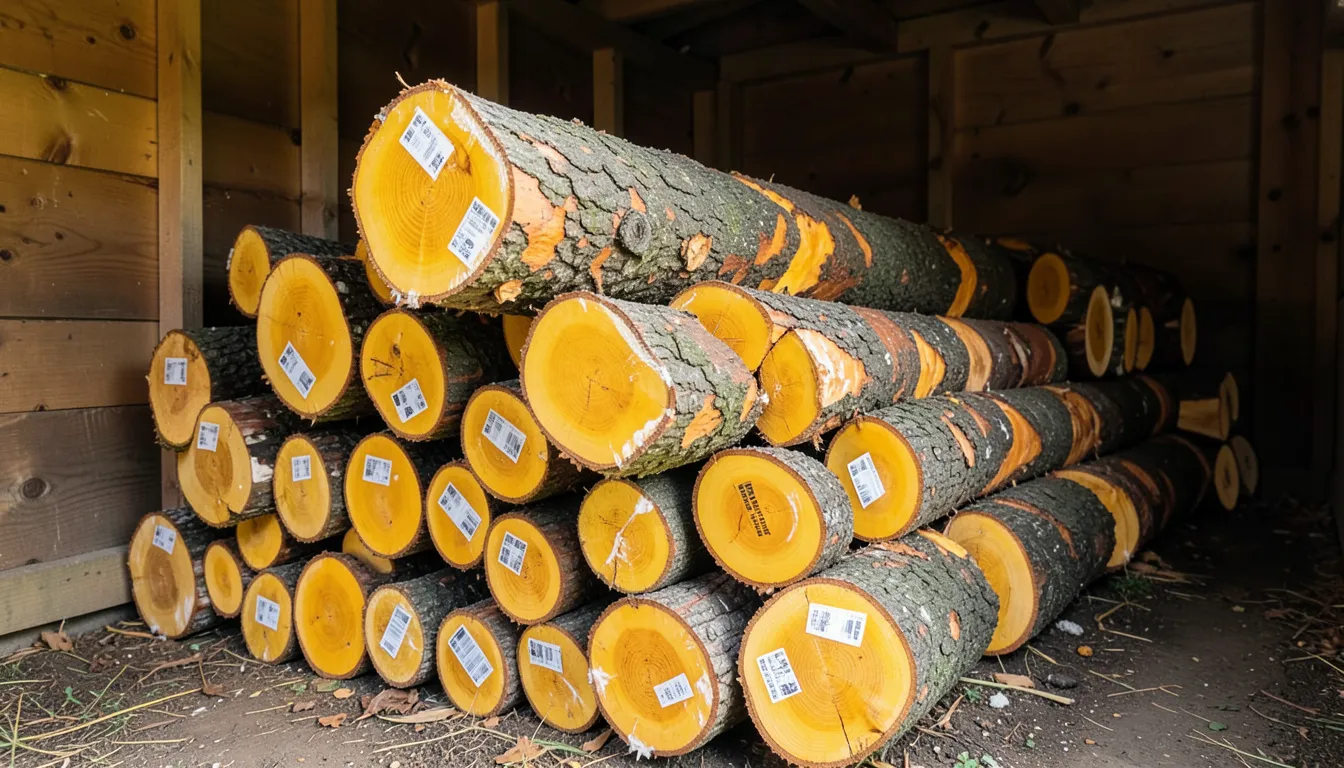
Remove the bark as soon as practical after cutting, and pay close attention to the sapwood – the pale, almost white layer just under the bark, distinct from the bright yellow-orange heartwood. Sapwood loses moisture much faster than heartwood, so even a log with the bark off and the ends sealed will often check right along the sapwood/heartwood boundary if that layer is left on. Strip it while the wood is still fresh and easy to work; it gets noticeably harder once partial drying sets in.
Step 2: Seal the End Grain the Same Day
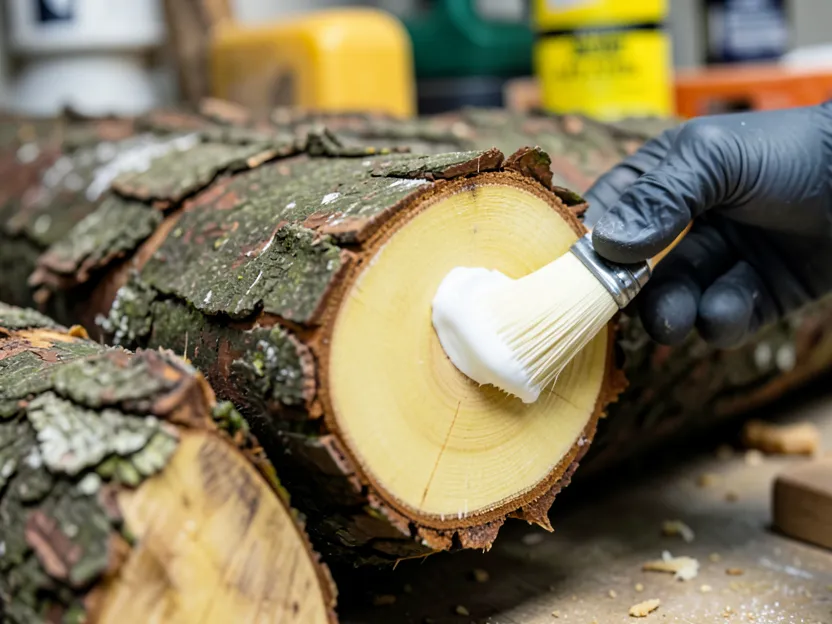
This is the single step that prevents the most damage. Brush a wax-based end-grain sealer, like ANCHORSEAL 2 above, onto both cut ends the same day you cut the wood – the longer bare end grain sits exposed, the more of a head start it gets on drying faster than the rest of the piece. Latex paint or a heavy coat of white glue will slow things down in a pinch, but a purpose-made wax sealer does the job more evenly and can be reapplied if a check starts to show through it later. For general end-sealing timing on other species, our guide to drying wood logs without cracking covers the same technique in more depth.
Step 3: Stack It Out of Sun and Wind, With Stickers Between Layers
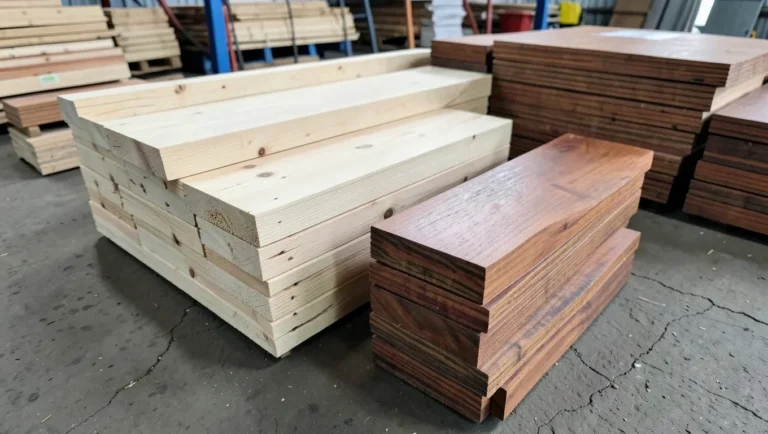
Stack the wood off the ground on a base of scrap lumber, with thin stickers (spacer strips) between each layer so air can move around every piece, not just across the top and bottom of the stack. Keep the whole stack out of direct sun and out of the wind – a shaded shed, garage, or covered lean-to works well. Direct sun or wind dries the surface much faster than the core can keep up with, which is the same uneven-shrinkage problem that causes end checks, just happening along the whole length of the board instead of only at the ends. A loose cover over the top of the stack (not wrapped tight to the sides) keeps rain off without trapping moisture.
How Long It Actually Takes
The standard air-drying rule of thumb for hardwood is about one year per inch of thickness. For Osage orange specifically, that’s closer to a floor than a target: because of its density and high green moisture content, many experienced bowyers and turners plan on two to three years for a full log or a thick stave, and treat anything dried faster than six months to a year – even for a smaller turning blank – as a higher risk of hidden internal stress. Kiln drying can compress this to days or weeks with the right equipment, but the same rule applies at higher stakes: drying Osage orange fast is exactly what causes it to crack, so a kiln schedule for this species needs to run slower and cooler than a typical hardwood cycle. For interior projects, aim for a final moisture content around 6% to 8%.
Monitoring Moisture Content With a Meter
Don’t guess by weight or feel – a pin-type moisture meter gives an actual reading. Test in a few spots along the length of the piece, not just one end, since the ends will always read lower than the core while drying is still in progress. When readings from the center of a thick piece stabilize in the 6% to 8% range (or match the equilibrium moisture content typical for your region for exterior projects), the wood is dry enough to work. A piece that reads low near the surface but noticeably higher at the core isn’t finished – that gap is exactly the condition that leads to checks appearing later, after you’ve already started a project with it.
Common Mistakes That Cause Cracking
One piece of advice that circulates but works against you: wrapping the whole log or blank in plastic or wet cloth to “keep it moist” while it dries. That’s backwards for Osage orange – the goal isn’t to keep the whole piece wet, it’s to slow moisture loss specifically at the end grain while letting the rest of the piece dry at a normal, even rate. Wrapping the entire piece traps moisture unevenly, invites mold, and doesn’t address the actual cause of checking. The mistakes that do cause cracking are simpler: leaving the bark or sapwood on, leaving the ends unsealed for more than a day after cutting, stacking without stickers so air can’t circulate, and drying in direct sun, near a heat vent, or next to a wood stove.
Frequently Asked Questions
How long does it take to dry Osage orange wood?
Plan on roughly one year of air-drying per inch of thickness, which is the standard hardwood rule of thumb, but Osage orange’s extreme density (Janka hardness around 2,620 lbf) means many bowyers and turners give a full log two to three years rather than pushing the minimum. Smaller turning blanks under 2 inches thick can be usable in six months to a year if the ends are sealed and the sapwood is removed, but rushing a full log almost always causes deep checks.
What is the best way to dry Osage orange wood?
Cut it to rough length, strip the bark and the pale sapwood layer, seal both cut ends with a wax-based end-grain sealer the same day, then stack it off the ground with stickers between layers in a shaded, sheltered spot with airflow but no direct sun or wind. Check it periodically with a moisture meter rather than guessing by feel.
Can you dry Osage orange wood indoors?
Yes, and it’s often better than outdoors because you can control airflow and keep it out of direct sun. Stack it with stickers in a garage, shed, or basement away from heat vents or a wood stove, since a nearby heat source will dry the surface much faster than the core and cause the same checking you’re trying to avoid outside.
Is Osage orange wood prone to cracking?
Yes, more than most domestic hardwoods, because its density and high moisture content when green create a large gap between how fast the end grain loses water and how fast the interior does. Sealing the ends within hours of cutting prevents up to 90% of that checking; leaving the ends bare is the single biggest reason people lose Osage orange to cracks.
Conclusion
Osage orange rewards patience and punishes shortcuts more than almost any other wood you’ll dry. Seal the ends the day you cut it, strip the bark and sapwood, sticker it out of sun and wind, and give it the year-per-inch (or longer) it actually needs rather than the “several months” that works for softer species. Do that and you’ll keep the bright yellow color and dense, workable wood that makes Osage orange worth the wait in the first place.
Sponsored / affiliate links. As an Amazon Associate I earn from qualifying purchases. I may earn additional commission from eligible campaigns.