How to Make Carpeted Stairs Less Slippery: 7 Fixes
Carpeted stairs get slippery from worn pile, thin padding, or moisture — not the carpet material alone, which is why swapping carpet colors will not fix a stair that is still poorly padded. Falls on stairs are a leading cause of home injury, and loose carpet edges make the risk worse. This guide compares 7 fixes, from a $10 adhesive strip to full tread installation and lighting upgrades.
The Slippery Slope Of Carpeted Stairs
Best Stair Tread Pick
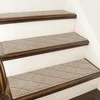
COSY HOMEER Non-Slip Stair Treads (15-Pack) – $69.99
Covers the full stair-treads-and-runners long-term fix this guide recommends over quick tape fixes, with contrast edging that also helps with the step-visibility section below.
- Best for: A full staircase long-term fix instead of step-by-step tape
- Why we picked it: Washable adhesive backing and contrast edging double as a visibility fix
- Main drawback: Takes longer to install than a roll of grip tape
Compare more anti-slip stair options
 Option 1 Anti-Slip Grip Tape (20 ft) – $6.95
|
 Option 2 COSIMIXO Reflective Stair Tread (10-Pack) – $21.75
|
 Option 3 KOOTETA Stair Treads (15-Pack) – $39.97
|
As an Amazon Associate we earn from qualifying purchases.
Carpeted stairs can be a beautiful addition to your home. However, they can also pose safety risks — see our guide to what to put on steps to prevent slipping if your stairs are not carpeted. Slippery carpet can lead to accidents and falls. Understanding the causes helps in finding solutions.
Common Causes Of Slippery Stairs
- Worn Carpeting: Old carpet loses grip over time.
- Improper Padding: Thin padding can create a slick surface.
- Moisture: Spills or humidity can make carpets slippery.
- Type of Carpet: Some materials are inherently slick.
- Lack of Traction: Smooth fibers reduce grip.
Risks Associated With Slippery Staircases
| Risk | Description |
|---|---|
| Falls | Common injuries occur from slipping on stairs. |
| Injuries | Sprains, fractures, and bruises can happen. |
| Liability Issues | Injuries can lead to legal claims. |
| Fear of Using Stairs | People may avoid stairs due to safety concerns. |
Being aware of these risks can help in taking preventive measures. Safety is crucial in every home. Ensure your carpeted stairs are safe for everyone.
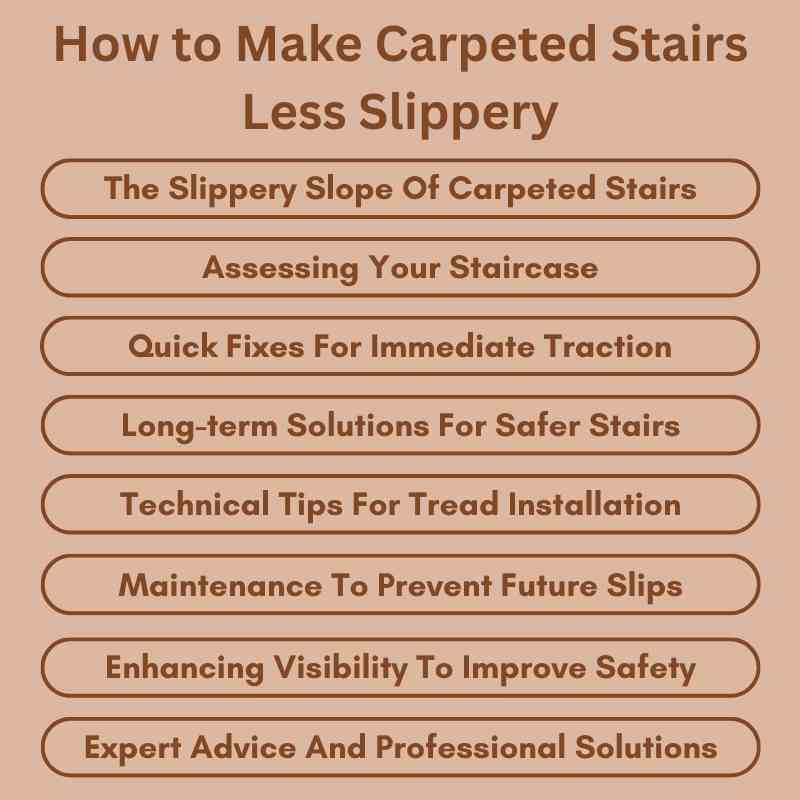
Assessing Your Staircase
Start by examining your staircase. Understanding its structure helps identify potential hazards. Look for areas that might be slippery. This assessment is crucial for safety and comfort.
Identifying Problem Areas
Focus on specific spots that may cause slips:
- Top of the stairs
- Bottom landing
- Curved or steep sections
- Damaged carpet edges
Check for loose carpet or frayed edges. These can create tripping hazards. A creaking stair can also signal a loose tread underneath — see our fix for stopping stairs from creaking if yours makes noise underfoot. Mark any areas needing attention.
Materials And Textures At Play
The type of carpet affects slipperiness. Consider the following materials:
| Material | Slipperiness Level |
|---|---|
| Berber | Moderate |
| Plush | High |
| Shag | Moderate |
| Loop Pile | Low |
Texture also plays a role. Rough textures provide better grip. Smooth carpets may increase the risk of slipping.
After assessing, take action to improve safety. This ensures your staircase is less slippery and safer for everyone.
Quick Fixes For Immediate Traction
Slippery carpeted stairs can be a hazard. Quick fixes can provide immediate traction. Here are some simple solutions to enhance safety.
Adhesive Strips And Their Application
Adhesive strips are a fast and effective solution. They provide grip and stability on stairs.
- Choose a non-slip adhesive strip. Look for strong, durable options.
- Clean the stairs before applying. Dust and dirt can reduce stickiness.
- Measure the width of each step. Cut strips to fit.
- Peel off the backing and stick the strip down. Press firmly to ensure a good bond.
- Repeat on all steps for maximum safety.
Temporary Solutions With Household Items
Household items can also create traction. These solutions are easy and cost-effective.
- Rubber mats can be placed on each step. They grip well and prevent slipping.
- Sandpaper strips can be taped to the stairs. They add texture and help grip.
- Old towels or rags can be laid down. They add friction and reduce slips.
- Carpet remnants can be cut and used. Secure them with double-sided tape.
These quick fixes can make your stairs safer. Try them out for better traction today!
Long-term Solutions For Safer Stairs
Making carpeted stairs safer is essential for preventing slips and falls. Long-term solutions can offer stability and peace of mind. Here are effective methods to enhance safety.
Choosing The Right Carpet
Selecting the right carpet is crucial for safety. Opt for carpets with a low pile and a non-slip backing. These features provide better grip and stability.
- Materials: Choose nylon or polyester for durability.
- Texture: A textured surface helps improve traction.
- Thickness: Avoid thick carpets; they can be slippery.
Consider the color as well. Darker colors hide stains better. Light colors may show dirt faster. Choose what fits your lifestyle.
Installing Stair Treads Or Runners
Stair treads or runners add extra grip. They cover the steps without a full carpet-to-wood conversion — see our guide on carpeted stairs with wood floors if you are weighing that bigger change. Here’s how to choose and install them:
| Type | Advantages | Disadvantages |
|---|---|---|
| Rubber Treads | Excellent grip and durability | May not match carpet color |
| Carpet Runners | Soft feel and stylish | Can shift if not secured |
| Adhesive Treads | Easy to install | May wear out quickly |
Follow these steps for installation:
- Clean the stairs thoroughly.
- Measure each step to ensure a perfect fit.
- Secure the treads or runner using adhesive or double-sided tape.
Regularly check for wear and tear. Replace any worn-out treads immediately. This ensures continuous safety on your stairs.
Technical Tips For Tread Installation
Installing treads on carpeted stairs improves safety significantly. Follow these tips for a secure and effective installation. Proper installation helps prevent slips and falls.
Step-by-step Guide To Secure Treads
- Gather all materials and tools.
- Clean the stairs thoroughly.
- Measure each step’s width and length.
- Cut the treads to size using a utility knife.
- Apply double-sided tape on the back of each tread.
- Position the tread on the step.
- Press down firmly to secure it.
- Repeat for all stairs.
Tools Required For Installation
| Tool | Purpose |
|---|---|
| Utility Knife | Cut treads to the correct size. |
| Measuring Tape | Ensure accurate measurements for each step. |
| Double-Sided Tape | Secure treads to the carpet. |
| Ruler | Help with straight cuts. |
| Cleaning Supplies | Clean stairs before installation. |
Maintenance To Prevent Future Slips
Keeping carpeted stairs safe is essential. Proper maintenance prevents slips and falls. Regular cleaning and inspections are key. These steps ensure your stairs stay safe and secure.
Cleaning Techniques For Traction Maintenance
Regular cleaning helps maintain traction on carpeted stairs. Use these effective cleaning techniques:
- Vacuum Regularly: Remove dirt and debris weekly.
- Deep Clean Monthly: Use a carpet cleaner to lift stains.
- Spot Clean Immediately: Address spills right away to avoid stains.
- Use Carpet Fresheners: These can increase grip on the carpet.
Cleaning products can impact traction. Choose non-slip cleaning solutions. Avoid products that leave a slippery residue.
Regular Inspection And Replacement
Inspect your carpeted stairs frequently. Look for signs of wear and tear.
- Check for loose edges or fraying.
- Look for fading or thinning areas.
- Examine the padding underneath for damage.
Replace worn carpets promptly. Old carpets can become slippery. Ensure the new carpet has good traction. Choose materials that are durable and safe.
| Inspection Item | Action |
|---|---|
| Loose Edges | Reattach or replace carpet. |
| Fraying | Trim or replace damaged sections. |
| Thinning Areas | Consider re-carpeting those spots. |
| Padded Damage | Replace padding to improve safety. |
Regular maintenance keeps your stairs safe and reduces slip risks. Make these checks a routine part of your home care.
Enhancing Visibility To Improve Safety
Improving visibility on carpeted stairs is essential for safety. Clear sightlines help prevent slips and falls. Let’s explore effective ways to enhance visibility.
Strategic Lighting For Staircases
Lighting plays a crucial role in stair safety. Proper lighting helps people see each step clearly. Here are some tips:
- Install LED Strip Lights: Place them along the edges of each step.
- Use Wall Sconces: Position them near the stairs to brighten the area.
- Add Motion Sensors: These turn on lights automatically as people approach.
- Consider Dimmer Switches: Adjust light intensity based on the time of day.
Ensure all light sources are bright enough. Avoid shadows that can hide step edges.
Contrast And Color For Step Definition
Using contrasting colors can help define each step. This visual cue prevents accidents. Here’s how to use color effectively:
| Color Use | Purpose |
|---|---|
| Bright Tape | Highlight step edges for better visibility. |
| Paint Steps | Create a contrasting color for the stair risers. |
| Use Non-Slip Mats | Add color while improving traction. |
Choose colors that stand out against the carpet. Bright yellow or white works well.
Enhancing visibility on carpeted stairs makes them safer for everyone. Simple changes can make a big difference.

Expert Advice And Professional Solutions
Making carpeted stairs less slippery can prevent accidents. Expert advice can guide you in choosing effective solutions. Professional services offer specialized methods to enhance stair safety.
Consulting With Safety Experts
Safety experts can provide valuable insights. They assess your stairs for risk factors. Here are some key benefits:
- Identify specific slippery areas
- Recommend appropriate treatments
- Advise on best materials for traction
Consulting with experts ensures a tailored approach. They can help you select the right anti-slip products. This can enhance safety for everyone in your home.
Pros And Cons Of Professional Services
| Pros | Cons |
|---|---|
| Expert installation for safety | Higher upfront costs |
| Access to quality materials | Time-consuming scheduling |
| Long-term solutions | Less control over the project |
Consider these points before hiring professionals. Weigh the benefits against potential downsides. Make an informed decision for your carpeted stairs.
Frequently Asked Questions
How Can I Make Carpeted Stairs Safer?
To enhance safety on carpeted stairs, consider using non-slip carpet pads. These pads provide extra grip and help secure the carpet in place. Additionally, installing stair treads can offer more traction. Regularly vacuuming the stairs also removes dirt, which can make surfaces slick.
What Materials Reduce Slipperiness On Stairs?
To reduce slipperiness, consider using rubber or vinyl stair treads. These materials provide excellent grip and enhance safety. You can also apply non-slip carpet coatings or sprays. These solutions not only increase traction but also improve the overall appearance of your stairs.
Are There Any Diy Solutions For Slippery Stairs?
Yes, several DIY solutions exist for slippery stairs. You can create a non-slip surface by applying a mixture of sand and paint. Alternatively, adhesive anti-slip strips can be easily installed on each step. Both methods are cost-effective and enhance safety without professional help.
How Often Should I Clean Carpeted Stairs?
Cleaning carpeted stairs should be done at least once a week. Regular vacuuming removes dirt and debris that can cause slipperiness. Additionally, consider deep cleaning every few months to maintain the carpet’s texture and grip. Keeping stairs clean is essential for safety.
Conclusion
Making carpeted stairs less slippery enhances safety and comfort in your home. Simple solutions like using non-slip mats, choosing textured carpet, and applying grip sprays can be effective. Prioritize safety for your family and guests. Implement these tips today to create a secure environment on your stairs.
Your peace of mind matters.
Sponsored / affiliate links. As an Amazon Associate I earn from qualifying purchases. I may earn additional commission from eligible campaigns.