How to Repair a Splintered Wood Deck
Splintered deck boards usually need sanding with 60-80 grit and a wood filler patch, not full replacement, unless the board is soft, cracked through, or holding water. Left untreated, exposed fibers soak up moisture and cause real splinter injuries. This guide covers the grit progression, drying times, and the sand-vs-replace call so you fix it right the first time.
Insert your Affiliate Disclosure reusable block here
Tools and Materials You Will Need
- Pressure washer (500-600 PSI)
- Random orbital sander, 60-80 grit and 100-120 grit sandpaper
- Exterior wood filler
- Exterior wood hardener (for soft or spongy fibers)
- Flathead screwdriver or awl (for the soundness test)
- Hammer (to set popped nails or screws)
- Exterior-grade caulk
- Deck stain, sealant, or restoration coating
- Work gloves and safety glasses
Why Deck Boards Splinter
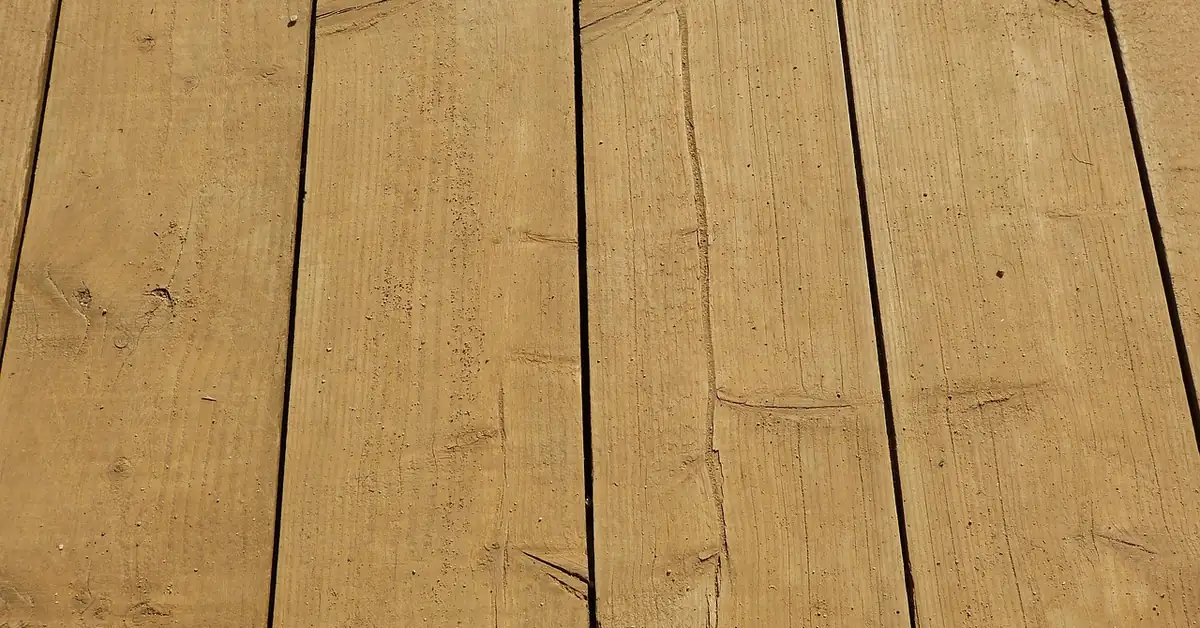
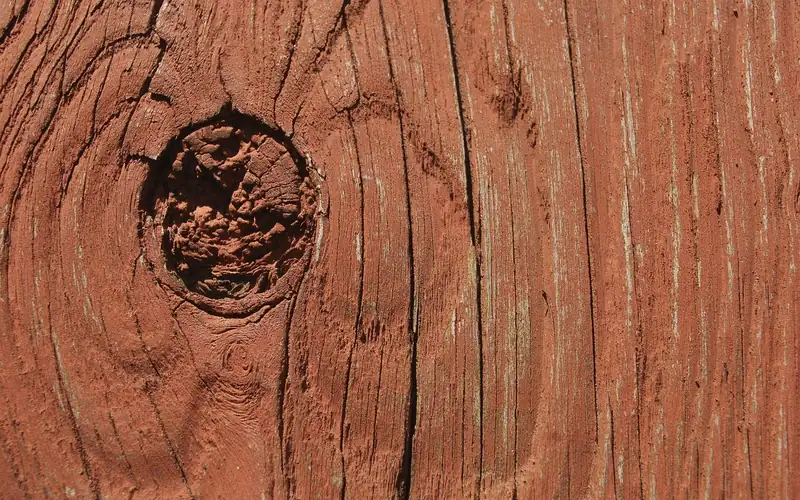
Splintering starts when wood fibers dry out and separate at the surface. Sun and rain are the main drivers: UV light breaks down the lignin holding wood fibers together, and repeated wetting and drying cycles make the surface shrink unevenly, lifting fibers into rough splinters.
Dirt and debris trapped between boards hold moisture against the wood longer than open air would, which accelerates the same process. Heavy paint or thick, non-breathable stain can make it worse by sealing moisture inside the board instead of letting it escape, so the wood swells and cracks from within.
How to Repair Splintered Deck Boards
Work through these steps in order. Skipping the drying time between steps is the most common reason a deck repair fails within a season.
- Wash and dry the deck: Power wash at 500 to 600 PSI to lift dirt and loose fibers, then let the boards dry 24 to 48 hours before doing anything else – sanding wet wood just tears more fibers loose.
- Set any popped fasteners: Hammer down protruding nails or screws first. A raised fastener head will tear a hole straight through your sanding pad.
- Sand along the grain, coarse to fine: Start with 60 to 80 grit on the rough, splintered spots, then switch to 100 to 120 grit for a smooth finish. Always sand with the grain, never across it.
- Harden soft fibers if needed: If the wood feels punky under light pressure, soak it with a wood hardener first and let it cure before filling – filler will not bond to soft fibers on its own.
- Fill gouges and holes: Press exterior-grade wood filler into any gouges left after sanding, using a putty knife, and let it dry fully per the label before sanding it flush.
- Caulk long, thin cracks: Run exterior-grade caulk into cracks too narrow for filler, then smooth it with a damp cloth before it skins over.
- Let everything cure, then finish: Give filler and caulk their full cure time (usually 24 to 48 hours), do a final light sanding pass, and apply your stain, sealant, or restoration coating.
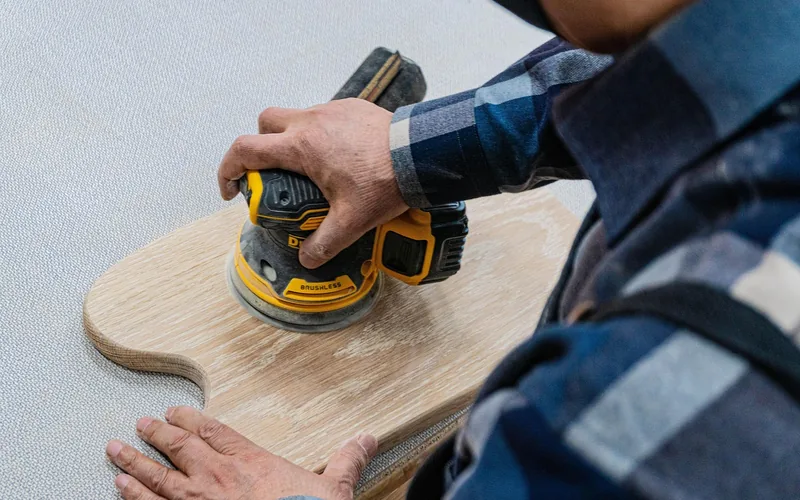
Best Sander Pick for Deck Splinter Repair
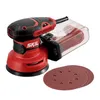
SKIL 5-Inch Random Orbital Sander with Cyclonic Dust Box
A complete, corded sander with sanding sheets included, sized right for smoothing splintered deck boards without gouging the wood.
- Best for: Sanding rough, splintered boards smooth before filling and resealing
- Why we picked it: Cyclonic dust collection keeps deck dust down mid-project, and it ships ready to use
- Main drawback: Corded, so you will need an outdoor-rated extension cord
Compare more deck-repair options
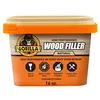 Option 1 Gorilla All Purpose Wood Filler, 16 oz
|
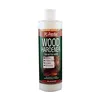 Option 2 PC-Petrifier Wood Hardener, 16 fl oz
|
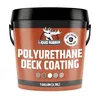 Option 3 Liquid Rubber Polyurethane Deck Coating, 1 Gal
|
As an Amazon Associate we earn from qualifying purchases.
Sand or Replace? How to Tell
Most splintered boards do not need replacing. Use the screwdriver test below to check before you decide, since a board that looks rough on the surface is often perfectly sound underneath.
“Press a flathead screwdriver into the suspect spot with steady hand pressure, no hammer. If it sinks in under 1/8 inch, the wood underneath is still sound and worth saving. Past 1/4 inch, you are patching rot, not a splinter, and the board needs to come out.”
| What You See | Sand and Fill | Replace the Board |
|---|---|---|
| Surface splinters, board otherwise solid | Yes | No |
| Small gouge or hole under 1/2 inch deep | Yes, with wood filler | No |
| Screwdriver sinks less than 1/8 inch | Yes | No |
| Screwdriver sinks more than 1/4 inch (soft/spongy) | No, use hardener first if borderline | Yes |
| Board cracked all the way through | No | Yes |
| Standing water damage or visible rot | No | Yes |
Choosing Deck Wood That Actually Resists Splinters
If you are replacing boards or planning a rebuild, wood density matters more than softness. Dense tropical hardwoods like ipe resist splintering, decay, and even fire far better than softer species, precisely because their tight grain resists the fiber separation that causes splinters in the first place.
Pressure-treated pine is the most splinter-prone common decking material. It tends to run flat-grained, and it dries unevenly once installed, which is exactly the shrinkage pattern that produces splinters. Cedar and redwood fall in the middle: they resist rot and insects well, but neither is naturally splinter-proof, and both still need regular sealing to keep their surface fibers from lifting the way pressure-treated pine does. Board texture (grain, grooved, or smooth-faced) also affects how quickly a species starts to splinter underfoot.
Protecting Your Deck From Future Splinters
Reseal every one to two years with a sealant that includes a UV filter – UV breakdown, not foot traffic, is the main cause of new splintering. Catching other forms of deck damage early also keeps small problems from turning into full board replacements.
- Sweep or hose off dirt and debris between boards regularly so it cannot trap moisture against the wood
- Skip heavy, non-breathable paint on bare wood decking – it seals moisture in rather than letting it escape
- Inspect for popped fasteners and early cracking once a season, before either turns into a full splintering patch
- Keep the gaps between deck boards clear so water drains instead of sitting against the edges, which is where splintering usually starts first
An estimated 6,000 people a year are injured due to deck, porch, or railing structural failure in the U.S., and NADRA estimates roughly 30 million of the 60 million residential decks nationwide are already past their safe service life. – Source: U.S. Consumer Product Safety Commission; North American Deck and Railing Association
Given how many decks nationwide are already past their service life, an annual walk-through with the screwdriver test above is worth the fifteen minutes it takes – most structural failures start as the same small, ignored soft spots this guide teaches you to catch early. See our full wood care and repair guide for cleaning and pest-prevention steps that go beyond splinter repair.
Frequently Asked Questions
Can you fix a splintered deck without replacing the boards?
Yes, in most cases. If the board itself is still solid, sanding the splintered area smooth and filling any gouges with exterior wood filler is enough. Only replace a board when the screwdriver test shows soft, spongy wood or the board is cracked all the way through.
How often should you reseal a deck to stop new splinters from forming?
Reseal every one to two years, depending on the sealant and your climate. A deck that gets full sun or heavy foot traffic needs resealing closer to the one-year mark, since UV exposure is what dries out the surface fibers and starts new splintering.
What is the best time of year to repair a splintering deck?
Spring or fall, when daytime temperatures sit between 50 and 85 degrees F. Filler, caulk, and sealant all need a stable temperature range to cure properly, and very hot or very cold weather, or rain in the forecast, will ruin the finish.
Can you sand pressure-treated wood safely?
Yes, but wear a dust mask rated for fine particulates and safety glasses. Older pressure-treated lumber (pre-2004) may contain chromated copper arsenate, so avoid dry sanding it indoors or without protection, and sweep up the dust rather than blowing it around the yard.
Do all wood decks eventually splinter?
Almost all of them will show some splintering over time, since it is caused by ordinary UV exposure and wood drying out unevenly, not a defect. Regular sealing, cleaning between boards, and prompt sanding of rough spots slow it down significantly and keep it from becoming a safety issue.
Conclusion
Splintered deck boards are rarely a replace-the-whole-thing problem. Wash, sand with the grain, fill or harden as needed, and reseal on a one-to-two-year schedule, and most decks stay smooth and safe for years without swapping a single board. Save the full sanding technique and the screwdriver test above for your next seasonal inspection.