How to Clean Waxed Wood Floors Without Stripping the Wax
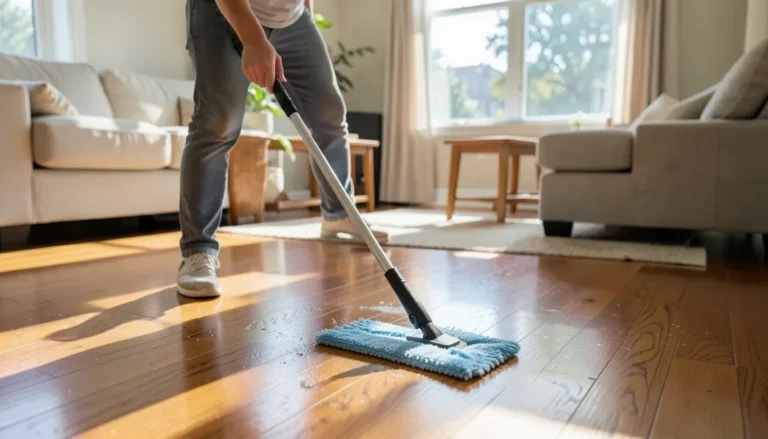
Clean waxed wood floors with a dry microfiber mop or a soft-bristle vacuum attachment, not water or household cleaners — moisture and most all-purpose sprays strip the wax and dull the finish. Using the wrong product can leave a sticky residue that takes real work to buff out, or force an early rewax. This guide covers the safe weekly routine, spill cleanup, removing old wax buildup, and how often to rewax by traffic level.
This post contains affiliate links. As an Amazon Associate we earn from qualifying purchases.
Quick Answer
Dry mop or vacuum with a soft-brush attachment 1-2 times a week, wipe spills immediately with a barely-damp cloth, and use odorless mineral spirits (not water, vinegar, or ammonia-based cleaners) to lift old wax buildup. Rewax every 6-18 months depending on foot traffic.
This routine is part of general wood floor care — if your floor also has heavier grime or ground-in dirt beyond normal wax buildup, see our guide to cleaning very dirty wood floors first, then come back to the wax-safe steps below.
Tools and Materials You Will Need
Best Floor Wax Pick
Trewax Clear Paste Wax
A solvent-based paste wax made specifically for wood and other hard flooring, not just furniture.
- Best for: Rewaxing a whole waxed hardwood or parquet floor
- Why we picked it: Formulated for floors, not just furniture, and buffs to a durable satin sheen
- Main drawback: Solvent smell during application; needs a ventilated room
Compare more waxed-floor care options
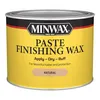 Option 1 Minwax Paste Finishing Wax
|
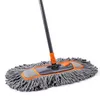 Option 2 Microfiber Dust Mop
|
 Option 3 Odorless Mineral Spirits (1 Gal)
|
As an Amazon Associate we earn from qualifying purchases.
- Microfiber dust mop or soft-bristle broom
- Vacuum with a hardwood/bare-floor brush attachment (no beater bar)
- Odorless mineral spirits, for wax buildup removal
- Clean, lint-free cotton or microfiber cloths
- Paste wax made for floors (not furniture-only wax)
- Fine (000 or finer) steel wool, for stubborn grime spots
- Felt furniture pads and entry mats, for prevention
Daily and Weekly Cleaning Routine
Waxed floors need less scrubbing than sealed floors, but more consistency — grit left on the surface is what actually scratches the wax layer over time.
- Dry mop or sweep daily in high-traffic rooms: Use a microfiber dust mop or a soft-bristle broom to lift dust and grit before it grinds into the finish.
- Vacuum weekly with a bare-floor attachment: Switch off the beater bar — a spinning brush roll can scuff a wax finish.
- Wipe up spills the moment they happen: Blot with a dry cloth first, then go over the spot with a barely damp cloth and dry it immediately.
- Skip the wet mop entirely: Standing water seeps between boards and clouds or lifts the wax; a wrung-nearly-dry cloth is the most moisture a waxed floor should ever see.

What NOT to Use on a Waxed Wood Floor
Most damage to waxed floors comes from a well-meaning cleaning product, not from foot traffic. A handful of common household items will strip or cloud the wax:
- Vinegar or vinegar-based sprays: The acid eats into the wax layer and dulls or etches the finish in patches — never use it on a waxed floor, even diluted.
- Regular Bona Hardwood Floor Cleaner: Bona’s standard cleaner is formulated for sealed, polyurethane-finished wood. On a waxed floor it can leave the surface streaky or strip wax over time — Bona sells a separate Wax Floor Cleaner made for this finish type, and that’s the one to reach for.
- Ammonia or all-purpose household cleaners: These strip the wax coat the same way they strip grease, which is exactly what you don’t want on a finish designed to sit on the surface.
- Steam mops: Heat and moisture together soften and lift wax fast; never steam mop a waxed floor, and avoid it even on the finish right after a fresh coat.
- Swiffer wet-mopping cloths: Dry Swiffer cloths are fine for picking up dust, but the wet/multi-surface pads are explicitly not recommended on unsealed or waxed wood.
- Furniture polish or oil sprays: These leave a residue on top of the wax that turns slippery and makes the next rewax harder to apply evenly.
How to Handle Spills and Spot Stains
A fresh spill on a waxed floor is easy to deal with; a spill that sits overnight is what causes staining, because the wax layer is porous enough to let liquid through eventually.
- Liquids (water, coffee, juice): Blot immediately with a dry cloth, then buff the spot with a dry microfiber cloth to restore the sheen.
- Greasy spots: Dab — don’t rub — with a cloth barely dampened in mineral spirits, then buff dry. If the residue is motor oil rather than kitchen grease, treat it as a bigger priority since it penetrates a wax finish faster.
- Scuff marks: Rub gently with a dry microfiber cloth first; if the scuff remains, use fine 000-grade steel wool in the direction of the grain, then re-buff.
- White cloudy rings from wet glasses: These sit in the wax layer, not the wood. A little extra wax rubbed into the ring and buffed out usually clears it without any stripping.
A spill that’s already dried into a visible mark is a different problem than routine cleaning — see our guide on removing water stains from wood floors for lifting a stain that’s set in.
Deep Cleaning and Rewaxing a Waxed Floor
Rewaxing isn’t an annual chore on every floor — it’s driven by how much foot traffic a room actually gets. A hallway wears through a wax coat far faster than a guest bedroom.
| Room Traffic Level | Example Rooms | Rewax Frequency |
|---|---|---|
| High | Entryways, hallways, kitchens | Every 3–6 months |
| Medium | Living rooms, dining rooms | Every 6–12 months |
| Low | Bedrooms, formal/rarely-used rooms | Every 12–18 months |
📊 A golf ball-sized amount of paste wax covers roughly one square yard of flooring, and needs about 30 minutes to dry before buffing to a shine. — general flooring-care guidance for solvent-based paste wax application.
- Clear the room and clean thoroughly first: Dry mop and vacuum so no grit gets trapped under the new wax layer.
- Apply wax in thin, even coats: Use a clean cloth or applicator pad, working in the direction of the wood grain, roughly a golf ball-sized amount per square yard.
- Let it dry fully before buffing: About 30 minutes for most paste waxes — check the product label, since dry times vary by brand and humidity.
- Buff to a shine: A rotary buffer gives the most even finish on a full room; for small areas, buffing by hand with a soft cloth works fine.
- Apply a second coat only if the floor still looks dull: Most residential floors need just one coat between full rewaxings.
In our own experience maintaining an older waxed oak floor, sticking to a twice-weekly dry-mop routine plus one light rewax each fall has kept it from ever needing a full strip-and-refinish — the floor stays ahead of wear instead of catching up to it.
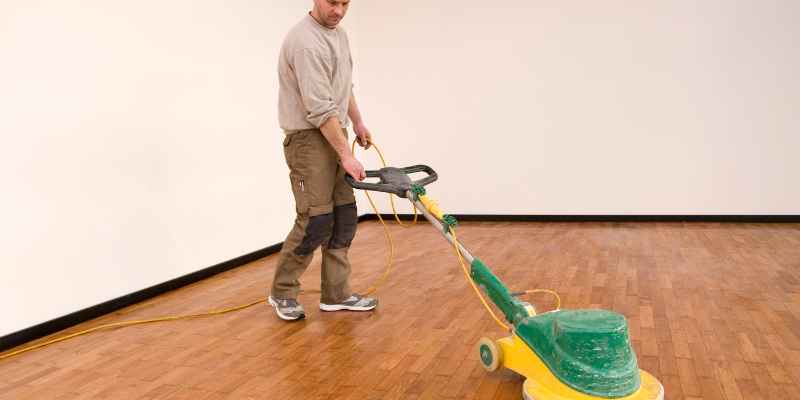
Removing Old Wax Buildup
Wax buildup shows up as a cloudy, yellowed, or sticky film, usually where coats have been layered on top of each other for years without ever being stripped back.
- Dampen a soft cloth with odorless mineral spirits: Work in a small, manageable section at a time.
- Rub in the direction of the wood grain: Going across the grain can leave visible swirl marks in the softened wax.
- Switch to a clean part of the cloth often: A wax-loaded cloth just redistributes the buildup instead of lifting it off.
- For stubborn, thick buildup, use fine 000-grade steel wool: Dipped lightly in mineral spirits, with light pressure, again working with the grain.
- Let the floor dry, then dry mop: Once the old wax is off and the floor looks matte and even, it’s ready for a fresh coat.
Avoid water and household cleaners for this step — they don’t dissolve wax and can push moisture into the seams between boards instead.
Preventing Damage to a Waxed Floor
- Use entry mats at every exterior door: Most grit that scratches a floor comes in on shoes.
- Add felt pads under furniture legs: And lift furniture to move it — dragging it across a waxed floor can gouge through the wax layer instantly.
- Keep pet nails trimmed: Long nails scratch a wax finish faster than they scratch a polyurethane one.
- Use rugs in high-sun rooms: UV exposure can unevenly fade or dull wax over time, especially near south-facing windows.
- Wipe up water immediately, always: Even a dripped umbrella or a leaky plant pot can leave a lasting ring if it sits for hours.
Fixing Dullness, Scratches, and Discoloration
Most surface problems on a waxed floor live in the wax layer, not the wood underneath — which is exactly why they’re usually fixable without sanding.
- Dullness: Almost always means it’s time to buff, or the wax coat has simply worn thin — a fresh thin coat and buffing restores the shine.
- Light scratches: Buff with a soft cloth; if that doesn’t clear it, rub fine steel wool with the grain, then rewax just that area.
- Discoloration or dark spots: Often trapped moisture under the wax. Strip the wax in that spot with mineral spirits, let the wood fully dry, then rewax.
- Deep gouges through the wood: Wax and buffing won’t fix damage that reaches the wood itself — that’s a repair or refinishing job, not a cleaning one.
Professional Refinishing vs. DIY Rewaxing
Routine rewaxing is a realistic DIY job for most homeowners — it doesn’t require sanding, and mistakes are usually fixable by stripping and starting over. Call a flooring professional instead when damage goes past the wax layer: deep gouges, water damage that’s warped or cupped boards, or a floor with years of unknown product layered on it that needs an even, whole-room strip. A pro also makes sense if you’re not sure whether your floor is actually waxed — applying the wrong product to a sealed floor, or vice versa, can make the problem worse before it gets better. If the finish is worn but the wood itself is sound, ask about a screen-and-recoat renewal without sanding before committing to a full sand-and-refinish job — it’s a faster, cheaper middle option many homeowners don’t know exists.
Common Mistakes When Cleaning Waxed Wood Floors
- Wet-mopping out of habit: Treating a waxed floor like a tile or laminate floor is the single most common cause of damage.
- Grabbing whatever hardwood cleaner is under the sink: Most bottled hardwood cleaners, including Bona’s standard formula, are made for sealed floors, not wax.
- Skipping rewax until the floor looks bad: Waiting until the shine is completely gone usually means more buildup to strip before the next coat goes on evenly.
- Scrubbing hard instead of switching cloths: Pressing harder on a stain just spreads softened wax around instead of lifting it.
- Steam mopping right after a fresh coat: Give a new wax coat time to fully cure before any moisture touches it again.
Frequently Asked Questions
How do you clean a waxed hardwood floor?
Dry mop or vacuum with a soft-brush attachment to remove dust and grit, then wipe any spills immediately with a barely damp cloth and dry it right away. Skip water, vinegar, and household all-purpose cleaners, which strip or cloud the wax finish.
Can you use vinegar on a waxed floor?
No. Vinegar is acidic enough to eat into a wax finish, causing dull spots, etching, and uneven sheen over time. It’s a common DIY cleaning tip for sealed floors, but it’s not safe for wax.
Can you use Bona on a waxed floor?
Not Bona’s regular Hardwood Floor Cleaner — that formula is made for sealed, polyurethane-finished wood and can streak or strip a wax finish. Bona makes a separate Wax Floor Cleaner formulated specifically for waxed floors, and that’s the correct product to reach for.
How do you get old wax buildup off hardwood floors?
Dampen a soft cloth with odorless mineral spirits and rub in the direction of the wood grain, switching to a clean section of cloth often. For thick, stubborn buildup, use fine 000-grade steel wool lightly dipped in mineral spirits before rewaxing.
How often should you wax a wood floor?
It depends on foot traffic: every 3-6 months in high-traffic areas like entryways and kitchens, every 6-12 months in medium-traffic rooms like living and dining rooms, and every 12-18 months in low-traffic rooms like bedrooms.
Can you use a Swiffer or steam mop on a waxed wood floor?
No. Steam mops combine heat and moisture, which softens and lifts wax quickly. Swiffer’s wet-mopping refill pads are also not recommended on unsealed or waxed wood — dry Swiffer cloths for picking up dust are fine, the wet pads are not.
How can you tell if a wood floor is actually waxed?
Place a small drop of water on the floor in an inconspicuous spot. If it beads up and sits on the surface for a while, the floor likely has a wax or oil finish. If it soaks in quickly, it’s more likely unsealed or has a different finish entirely.
Conclusion
Waxed wood floors reward a light, consistent routine more than heavy cleaning: dry mop often, keep water off the surface, and reach for mineral spirits instead of vinegar or all-purpose cleaner when buildup shows up. Match your rewax schedule to how much traffic each room actually gets, and most waxed floors will hold their shine for decades without ever needing a full strip-and-refinish.
Sponsored / affiliate links. As an Amazon Associate I earn from qualifying purchases. I may earn additional commission from eligible campaigns.