Franklin Hide Glue Review for Traditional Joinery
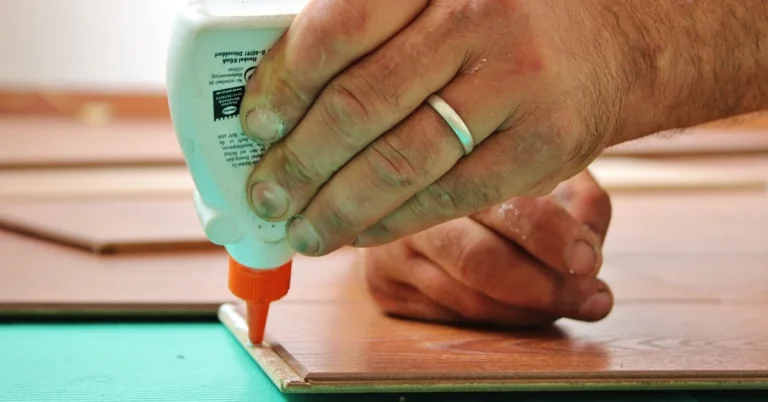
Franklin liquid hide glue is good enough for many traditional joints and light furniture repair, but hot hide glue is the safer choice for critical restoration, tight reversibility, or any joint that may need future disassembly. If a bottle is old or thickened, replace it. Bad glue choice can leave joints creeping, failing, or hard to service without damage. This guide compares Franklin Hide Glue with hot hide glue and PVA for joinery and restoration work.
This guide is part of our Wood glue essentials: types, uses, and cure times series.
Verdict


Franklin’s liquid formula is a practical shop glue, not a cure-all. It fits work done at room temperature, where the parts go together cleanly and the joint will not face heavy moisture or a long, fussy assembly. On old furniture, the decision shifts fast: reversibility, bottle age, and assembly time matter more than brand loyalty.
According to Strong as the Union: Franklin Liquid Hide Glue — Franklin developed its liquid hide glue formula in 1935. (source)
Specs at a glance
| Item | Franklin liquid hide glue | Hot hide glue | Titebond Original |
|---|---|---|---|
| Form | Liquid hide glue formulation | Traditional heated hide glue | Yellow PVA wood glue |
| Use temperature | Room temperature | Heated before use | Room temperature |
| Cleanup | Water cleanup while fresh | Water cleanup while fresh | Water cleanup while fresh |
| Reversibility | Heat and moisture | Heat and moisture | Limited compared with hide glue |
| Working time | Moderate, but bottle age matters | Short | Longer than hot hide glue |
| Best fit | General joinery and repair | Restoration and veneering | Panel glue-ups and furniture |
Franklin developed its liquid hide glue formula in 1935, and the formulation described by Popular Woodworking is still the same today. That matters because this is not a modern substitute pretending to be traditional glue. It is a long-standing liquid hide glue made for room-temperature use, with the usual hide-glue reversibility from heat and moisture.
The main tradeoff is shelf behavior and working feel. Liquid hide glue is easier because it does not need a glue pot, but its tack, thickness, and cure quality depend more on freshness and storage than a PVA glue does. A forum reply notes that liquid hide glue gets very thick at cool temperatures, which can make spread and squeeze-out less predictable.
Who it is for
Franklin liquid hide glue is for woodworkers who want hide glue behavior without mixing a pot, especially on restoration jobs, small traditional joints, and repairs where future disassembly matters. It also suits anyone who needs the glue on the bench at room temperature and does not want to manage a heated setup for a single repair.
Furniture restoration and repair
Restoration work is where hide glue still earns its keep. It releases with heat and moisture, so old joints can be repaired with less damage to surrounding wood, finish, and veneer. That is the real reason many repair shops keep it on hand, even when they use PVA for routine construction.
Traditional joinery on small to medium parts
Franklin liquid hide glue can be a reasonable fit for dovetails, mortise and tenon joints, edge joints, bridle joints, butt joints, and miter joints. The catch is fit and timing. Clean parts, dry rehearsal, and a joint that closes without a wrestling match matter more here than the label on the bottle.
Users who want hide glue without a glue pot
For one-off repairs or occasional traditional joinery, the room-temperature bottle is the main draw. Hot hide glue asks for more setup and faster work. Franklin’s version skips that extra gear, which is why it still shows up in bench drawers, field kits, and repair benches.
What works
Franklin liquid hide glue works best where the assembly is straightforward, the parts fit well, and the joint may need to come apart later. It is especially useful in furniture repair, light casework, and small-scale traditional joinery where a heated glue system would be overkill.
Dovetails and casework repairs
Dovetails are a good example of where liquid hide glue can be enough. The joint is mechanically strong on its own, so the glue is doing less structural heavy lifting than it would in a poor-fitting butt joint. In repair work, that reversibility can matter more than maximum open time.
Mortise and tenon, bridle joints, and edge joints
These joints are often good candidates when the fit is clean and the shop is not fighting high humidity. Franklin’s general joinery suitability is solid here, but only if the bottle is fresh and the wood surfaces are ready. If the joint is fussy or long to assemble, hot hide glue or a longer-working adhesive may be safer.
Short-run veneering and repair work
For quick veneer repairs and small patches, liquid hide glue can be useful because it gives traditional reversibility without heating a full glue batch. It is not the first choice for large hammer veneering runs, where open time and set speed need to be managed very tightly.
What does not
Franklin liquid hide glue is less attractive when the bottle is old, the shop is damp, or the assembly needs a long open time. It is also a poor fit for work that demands the traditional hot-hide-glue workflow, especially serious veneering and complicated restoration assemblies.
Old stock and bottle-age risk
Freshness matters more with liquid hide glue than many woodworkers expect. A luthiers forum user said fresh liquid hide glue may work, but old bottles may not harden right. The same post warns that non-fresh liquid hide glue can soften in humidity. That means age is not a side note; it is part of the buying decision.
High-humidity shop conditions
Humidity is a practical problem because weak cure behavior and moisture sensitivity can show up together. If a bottle has aged on the shelf, a humid shop can make the glue feel worse in use and less dependable after cure. That is exactly the kind of failure that shows up later as a soft joint or a creeping repair.
Jobs that need longer open time or hotter veneer work
Some assemblies simply need more working time than Franklin liquid hide glue can comfortably give. A forum user said Old Brown Glue gives the most working time in a complicated glue-up, and that is the kind of scenario where Franklin may feel rushed. For veneering, hot hide glue still has the edge when fast set matters.
How does Franklin hide glue compare with hot hide glue?
Franklin liquid hide glue is easier to use, while hot hide glue is more traditional and more forgiving in restoration and veneering when handled well. Hot hide glue sets as it cools, so it rewards speed and preparation. Franklin buys convenience, but hot hide glue buys control over old-work repairs and veneer behavior.
Set speed and open time
Hot hide glue hardens when it cools. That short open time is a drawback for casual work and an advantage for specific restoration and veneering tasks where quick grab is helpful. Franklin’s room-temperature bottle is simpler, but once the glue ages or the room cools, working feel can change quickly.
Traditional veneering and hammer veneering
Hot hide glue remains the standard choice for hammer veneering because it grabs fast and can be reactivated with heat and moisture. That combination is hard to beat for thin stock and for traditional methods that depend on controlled set. Franklin liquid hide glue can do repair veneering, but it is not the same tool.
When 192 and 251 strength grades matter more than convenience
A forum user notes that hot hide glue can use strengths of 192 for veneering and 251 for general-purpose furniture glue. Those numbers matter when the assembly needs the right balance of gel speed and working behavior. For a restoration shop, the choice is less about convenience and more about matching glue behavior to the job. (finewoodworking.com)
Best adhesive by joint type
There is no single best glue for every joint. Joint geometry, open time, future serviceability, and moisture exposure all change the answer. This table is the practical part of the decision, because that is where most product pages stay vague.
| Joint type | Application | Required open time | Reversibility need | Moisture risk | Best adhesive choice |
|---|---|---|---|---|---|
| Dovetails | Case repair, drawer rebuild | Short | Medium to high | Low | Franklin liquid hide glue if fresh; hot hide glue for critical restoration |
| Mortise and tenon | Chair, table, frame repair | Medium | High | Low to medium | Hot hide glue for restoration; Franklin liquid hide glue for simpler repairs |
| Edge joints | Panels, case parts | Medium | Low to medium | Medium | Titebond Original for most new work; hot hide glue for reversible restoration |
| Bridle joints | Frames, rails, visible joinery | Short to medium | High | Low | Hot hide glue when repair access matters; Franklin for straightforward assemblies |
| Butt joints | Light casework, temporary parts | Low to medium | Low | Medium | Titebond Original unless reversibility is the priority |
| Miter joints | Frames, trim, boxes | Short | Medium | Low | Franklin liquid hide glue for reversible work; hot hide glue for fast-set veneer-style tasks |
This table is the key to sorting out the mixed reputation of liquid hide glue. Franklin is acceptable when the joint closes cleanly and the bottle is fresh. Hot hide glue is the safer restoration choice when the assembly is delicate, time-sensitive, or likely to need future repair.
Should you buy it
Buy Franklin liquid hide glue if you want a room-temperature hide glue for traditional joinery, small repair work, and occasional restoration tasks. Skip it if the bottle is old, the shop is hot and damp, or the job depends on long open time. For critical furniture restoration, hot hide glue remains the better call.
If the goal is general furniture assembly rather than reversibility, Titebond Original is often the easier answer. If the goal is traditional repair work with later service in mind, Franklin can be a good tool. The bottle date and the joint type decide it more than the brand name does.
Alternatives

Titebond Genuine Hide Glue is the cleaner pick when the job needs ready-to-use hide glue with slower set and easy disassembly. Based on the spec sheet and owner feedback, it fits fine furniture repair well. The drawback is the same one that shadows all liquid hide glues: freshness still matters, and old stock can be a bad buy.
Titebond Liquid Hide Glue is the lower-cost convenience option, and it is easy to keep on hand for repairs. The upside is simple handling and a slow set that helps with careful assembly. The drawback is freshness risk; a mass-produced liquid hide glue bottle should be checked closely for age and condition before it is trusted on a restoration job.
Old Brown Glue is worth considering when a complicated glue-up needs more working time than Franklin usually offers. Forum users often favor it for that reason, and its temperature sensitivity should be respected. It is not the easiest bottle to ignore on the shelf, but it can be the better fit for elaborate assemblies.
Frequently asked questions
Is Franklin liquid hide glue strong enough for traditional joinery?
For many well-fit traditional joints, yes. Franklin liquid hide glue is strong enough for dovetails, mortise and tenon work, edge joints, bridle joints, butt joints, and miter joints when the surfaces are clean and the bottle is fresh. It is less convincing when the fit is poor or the glue has aged.
What joints is liquid hide glue good for?
Liquid hide glue is best for dovetails, mortise and tenon joints, bridle joints, edge joints, butt joints, and miter joints when the assembly is straightforward. It also works for repair veneering and small restorations. The joint must close cleanly, because a short open time leaves little room for mistakes.
Is Franklin hide glue reversible after it cures?
Yes. Franklin liquid hide glue is reversible with heat and moisture, which is why it still has a place in furniture restoration. That reversibility is useful when later disassembly matters, but it does not erase the need for a fresh bottle and a proper fit at glue-up.
Does liquid hide glue stay stable in humid shops?
Not always. Humidity can make aged liquid hide glue behave worse, and a forum post warns that non-fresh liquid hide glue can soften in humidity. A fresh bottle used soon after opening is safer than an old bottle left on a damp shelf. Storage conditions matter more here than many buyers expect.
Is fresh bottle age important for liquid hide glue?
Yes, very. Freshness is one of the biggest differences between liquid hide glue and PVA wood glue in real use. A fresh bottle may work well, but old bottles may not harden right. That risk alone can turn an otherwise suitable glue into a poor choice for restoration.
Should I use hide glue or Titebond for furniture repair?
Use hide glue when reversibility, historic compatibility, or later disassembly matters. Use Titebond Original when the repair is not likely to be opened again and you want a simpler, more forgiving adhesive for many furniture tasks. For panel glue-ups and routine new work, Titebond often makes more sense.
What hide glue should I use for veneering versus general joinery?
Hot hide glue is the safer choice for veneering, especially hammer veneering and other jobs that depend on fast set and strong grab. Franklin liquid hide glue is better suited to general joinery and smaller repairs. For large or difficult veneer work, the heating step is worth the trouble.
Sponsored / affiliate links. As an Amazon Associate I earn from qualifying purchases. I may earn additional commission from eligible campaigns.