Best Time to Stain a Fence: Season, Temperature and Dry Days
Stain a fence when the weather gives you a dry 48-hour window, daytime highs are generally about 50°F to 90°F, overnight lows stay above 32°F, and the wood is dry to the touch with no rain in the forecast. Miss those limits and you risk poor penetration, blotching, slow cure, and premature peeling. This guide shows how to use season, temperature, wood moisture, and a dry-weather check to decide whether to stain now or wait.
This guide is part of our Cold Weather Wood Finishing: What Works Below 50°F series.
Best time of year to stain a fence
Late spring and early fall usually give the best fence-staining conditions because they more often bring mild temperatures, lower humidity, and a steady dry stretch. That is the practical sweet spot for both new and older fences. Summer can work, but heat and sun can push the surface too fast. Winter can work only in mild, dry spells.
Why late spring and early fall usually work best
Those shoulder seasons are the easiest time to get a fence stain to penetrate before the surface sets too fast. They also tend to bring fewer temperature swings between day and night, which helps the coating dry and cure more evenly. That matters on shaded fences and on boards that stay cool after sunrise.
Most guides point to late spring or early fall for the same reason: you are less likely to fight cold nights, hot boards, and sudden rain all at once. A mild, dry stretch matters more than the calendar itself.
How summer heat and winter cold change the plan
Summer can be too hot when direct sun overheats the wood surface, especially on dark or south-facing boards. That can cause flash-drying, lap marks, and uneven color. Winter can be too cold because cure slows sharply, and overnight lows can undo a warm afternoon.
That is why the season is only the starting point. The real decision comes from the daily forecast, the fence surface temperature, and whether the wood is dry enough to accept stain.
What temperature is too cold to stain a fence?
Cold weather becomes a problem when the wood surface and overnight low are near the stain’s minimum rating or below it. Modern Fence says temperatures should sit between 60°F and 80°F, while other products list lower minimums, including 50° minimum for Cabot Semi-transparent Stain and 35° minimum for Olympic Elite Stain and Behr Premium Solid Stain. Check the label before you commit.
Why you must check the wood surface, not only the air
Air temperature can be misleading. In sun, a fence board can run hotter than the forecasted air temperature. In shade, it can stay cooler than the weather app suggests. Surface temperature controls how fast the stain flashes off and how well it penetrates, so the wood itself matters more than the air alone.
If the fence feels cool at midday or warms only briefly before dropping fast after sunset, wait. A warm afternoon is not enough if the boards will be cold again by evening.
How overnight lows can stop curing after a warm afternoon
A stain that looks fine at 4 p.m. can still fail if the temperature drops too far overnight. Cold nights slow drying, and condensation can form on the boards before the coating has set. That can leave the finish tacky longer, weaken adhesion, or create a dull, uneven film.
Oil-based stain usually needs more time in cool weather because it cures more slowly. Water-based stain is often the better choice when the weather window is narrow, since it dries faster and is less likely to be trapped by a chilly night.
How oil-based and water-based stains differ in cool weather
Oil-based stain tends to penetrate deeper and often tolerates slower, more gradual dry-down. It also needs a longer dry window before rain and cooler weather can extend cure time. Water-based stain dries faster and is better suited to tight weather windows, but it still needs a clean, dry surface and a safe minimum temperature.
Do not treat all stains the same. A product rated for a lower minimum still needs the wood and the air to stay within the label guidance long enough for it to set properly.

How many dry days do you need before staining a fence?

A 24 to 48 hour rain-free window is the practical target before and after staining. One clear day is often not enough if the next night brings dew, condensation, or a chance of rain. Extended forecast checks matter because the fence needs time to dry before application and enough time after application to cure.
Why a 24 to 48 hour rain-free window is the practical target
Fence stain needs dry wood and a dry forecast. A single sunny afternoon can hide a wet night behind it. If rain returns too soon, the coating may wash unevenly, trap moisture, or lose stain strength before it has set.
Woodrich Brand says rain should stay away for at least 48 hours, which lines up with the broader 24 to 48 hour dry-window rule. That is the safer target when you can choose your schedule.
What to do when the forecast looks clear only for one day
If you only have one dry day, wait unless the forecast also shows dry overnight conditions and enough time for the stain to set. One clear day is often a gamble on a fence because boards cool fast after sunset, and dew can form before dawn even without rain.
Suppose you have a cedar fence with a clear Tuesday afternoon but a cool, damp Wednesday morning. That is not a clean go signal. The air may be dry at noon, but the overnight moisture risk still argues for waiting.
Why dew and nighttime condensation count as moisture risk
Dew is not the same as rain, but it still adds moisture to the surface. If the boards cool below the dew point overnight, condensation can form and interrupt cure. That is one reason shaded yards and low-lying lots often need extra caution.
Fence stain decision table
Use this table as a practical go-or-wait rule. It separates season, daytime high, overnight low, wood moisture, and rain forecast, then adds fence type and stain type so you can choose stain now, wait 24 to 72 hours, or postpone.
| Conditions | New wood vs existing fence | Oil-based vs water-based suitability | Recommended action |
|---|---|---|---|
| Late spring or early fall; daytime high 60°F to 80°F; overnight low above 45°F; wood moisture below 15%; rain-free for 48 hours | Either works if the surface is clean and dry | Both are suitable; water-based is faster if the window is tight | Stain now |
| Late spring or early fall; daytime high 50°F to 60°F; overnight low 35°F to 45°F; wood is dry but cool; rain-free for 24 to 48 hours | Existing fence is better than new wood | Water-based is usually safer; oil-based may need more cure time | Wait 24 to 72 hours if possible |
| Summer; daytime high above 85°F; direct sun on boards; overnight low above 60°F; no rain, but strong heat | Existing fence may be workable in shade; new wood is higher risk | Water-based is usually easier to manage than oil-based | Wait 24 to 72 hours or stain only in shade |
| Winter or shoulder season; daytime high below 50°F; overnight low near 32°F; any chance of dew, frost, or rain | New wood should wait; existing fence is still at risk | Neither is a good choice unless the label allows the conditions and the surface stays warm enough | Postpone |
| Any season; wood moisture at or above 15%; rain forecast within 24 hours; or overnight condensation likely | New wood and existing fence both need more drying | Oil-based is especially poor in this window; water-based is also a poor choice | Postpone |
How dry should new wood be?
New wood should be below 15% moisture before staining, and that is especially important for pressure-treated lumber. The same source says pressure-treated lumber may need 1–3 months, while kiln-dried wood may need 1–2 months. Climate, shade, and board thickness can extend that wait.
Why new boards often need more waiting than older fences
New lumber can still hold water deep inside even when the surface looks dry. That is common with pressure-treated boards, which often dry unevenly from the outside in. If you stain too soon, the finish can block release of moisture and fail early.
A common first-timer mistake is to stain a new fence because the boards no longer feel damp. Feel alone is not enough. A fence can look ready and still hold too much moisture below the surface.
How to check for readiness with a moisture meter and water-drop test
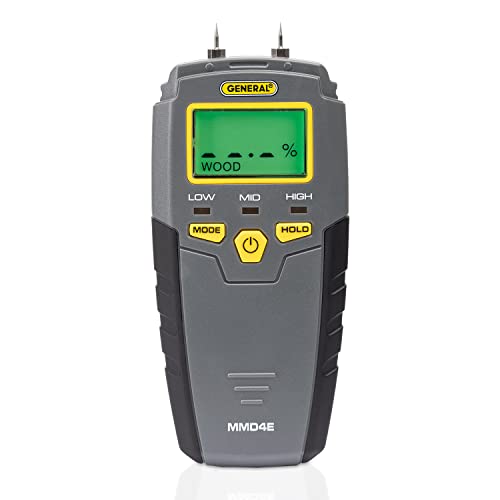
A moisture meter is the more reliable check because it gives you a reading instead of a guess. The target is below 15%. That is the clearest readiness mark for new wood and a useful check for older fences after wet weather.
The water-drop test is a quick field check: water should soak in within about 10 seconds for readiness. If the bead sits on top for much longer, the wood may still be too damp or sealed by residue. Use that test as a backup, not as a replacement for a moisture meter.
How climate changes the drying timeline
Dry climates shorten the wait, while humid or shaded sites can stretch it. Even after the surface appears dry, cool nights can slow internal moisture loss. If the fence sits under trees or in a narrow side yard, give it extra time and test again before you stain.
Can you stain a fence in summer heat?
Yes, but only with caution. Summer heat can push the fence surface hotter than the air, which speeds flash-drying and raises the chance of lap marks and blotching. If the boards are in direct sun, the safer move is to work early or late, not at midday.
How direct sunlight can overheat the surface
Direct sunlight heats the wood fast. Dark boards can warm far above air temperature, and that surface heat can make stain dry before it penetrates evenly. The result can be streaks, uneven color, or a finish that looks patchy along board edges.
Humidity matters here too. High humidity slows cure, so you can end up with a strange mix: the surface dries too fast in sun, while the deeper film sets too slowly in damp air. That combination increases blotching risk.
Why morning or late afternoon is usually safer than midday
Morning and late afternoon give you lower surface heat and less direct sun angle. That lowers the chance of flash-drying and makes it easier to keep a wet edge. Midday is the riskiest window because the boards are hottest and the stain can start to set before you finish a section.
Picture a 6-foot privacy fence on a south-facing lot. At 1 p.m., the boards are hot enough to dry the stain unevenly. By 7 a.m. or after 4 p.m., the same fence is much easier to coat with fewer lap marks.
Frequently asked questions
What is the best time of year to stain a fence?
Late spring and early fall usually give the best conditions because the weather is more likely to be mild, dry, and steady. Those seasons often give you better curing conditions than summer heat or winter cold. If another season offers a clean 24 to 48 hour dry window, that can work too.
How long should a new fence dry before staining?
New wood should be below 15% moisture before staining. The same source says pressure-treated lumber may need 1–3 months, while kiln-dried wood may need 1–2 months. Use a moisture meter for the reading and the water-drop test as a quick backup check.
How long should rain stay away after fence staining?
Rain should stay away for at least 24 to 48 hours after application, and 48 hours is the safer target when you can choose it. Rain too soon can interrupt cure, weaken adhesion, and leave the finish uneven. Check the extended forecast, not just the next afternoon.
Sponsored / affiliate links. As an Amazon Associate I earn from qualifying purchases. I may earn additional commission from eligible campaigns.