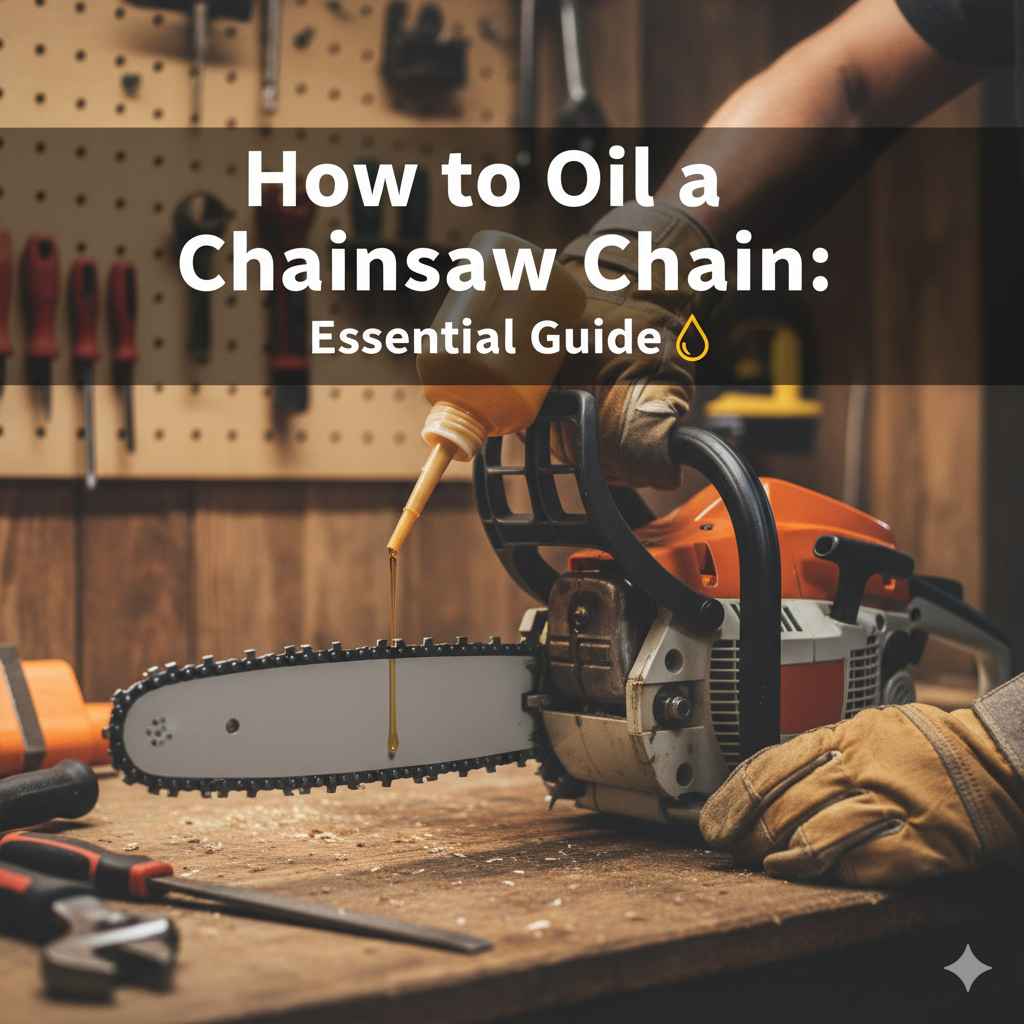
How to Oil Chainsaw Chain: Essential Guide
Properly oiling your chainsaw chain is crucial for smooth cutting, preventing wear, and ensuring safety. It involves using the right bar and chain oil, applying it evenly to the chain and bar groove, and checking for consistent lubrication. This simple maintenance task extends your chainsaw’s life and makes every cut easier.
Hey there, fellow DIYers and workshop friends! Md Meraj here. Ever felt that frustrating drag when your chainsaw chain seems to fight every log you’re trying to cut? It’s often a simple fix: your chainsaw chain needs oil! Keeping your chainsaw’s chain properly lubricated is one of those fundamental steps that makes a massive difference. It’s not complicated, and a little attention can save you a lot of hassle and keep your trusty tool running like a champ. We’ll walk through exactly how to do this so your next project goes off without a hitch.
Why Oiling Your Chainsaw Chain is a Big Deal
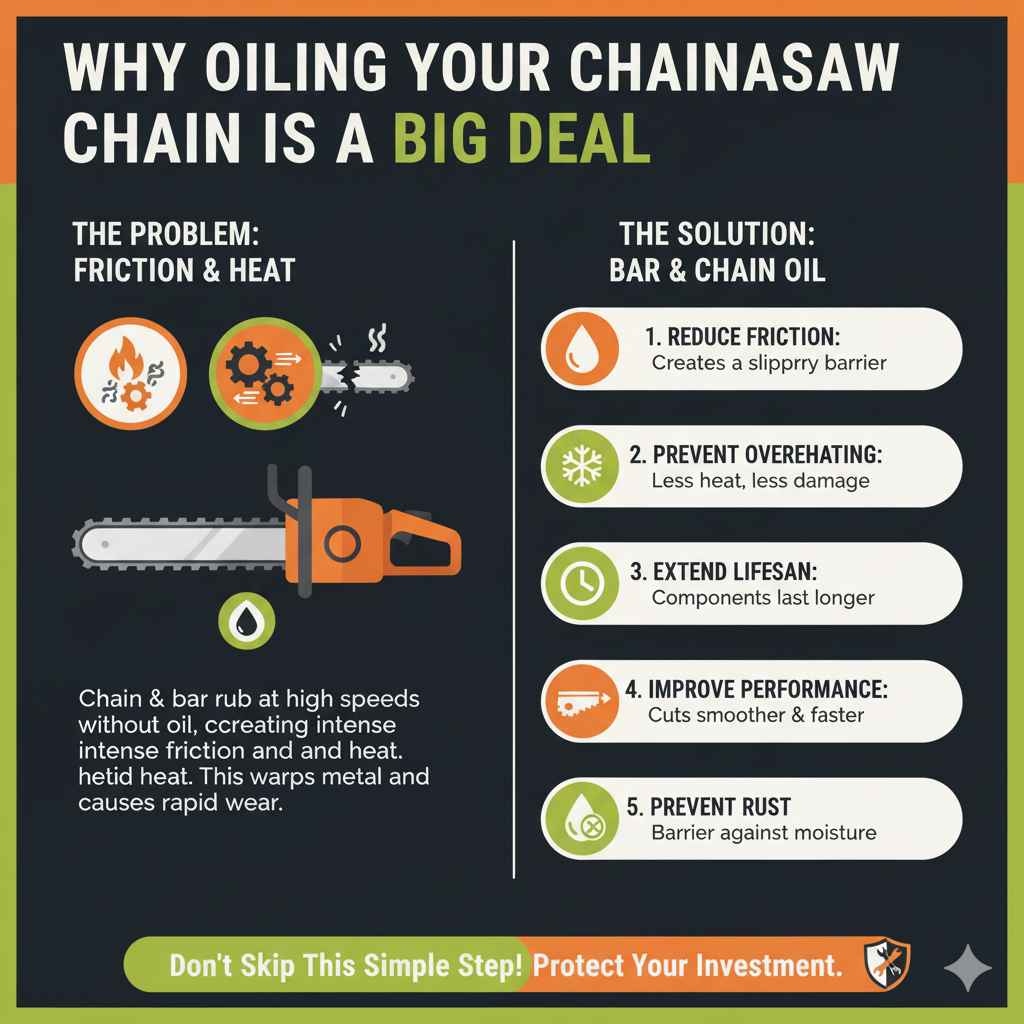
Think of your chainsaw chain like the moving parts of a bicycle, but tougher and working under a lot more pressure. When you’re cutting wood, the chain and the guide bar are constantly rubbing against each other at high speeds. Without lubrication, this creates a ton of friction. Friction, as we all know, generates heat. Too much heat can warp the metal of your chain and bar, making them wear out much faster. Oiling your chain helps to:
- Reduce Friction: This is the main job! Oil creates a slippery barrier between the chain and the bar.
- Prevent Overheating: Less friction means less heat, which protects your chain and bar from damage.
- Extend Lifespan: Regular oiling dramatically increases how long your chain and bar will last.
- Improve Cutting Performance: A well-oiled chain cuts smoother, easier, and faster.
- Prevent Rust: Oil also acts as a barrier against moisture, stopping rust from forming.
Neglecting this simple step is like driving your car without checking the oil – things start to break down, and expensive repairs might be in your future. But don’t worry, it’s an easy habit to build!
Understanding Chainsaw Oil & Its Purpose
Before we get our hands dirty, let’s chat about the oil itself. You can’t just grab any old motor oil for your chainsaw chain. Chainsaw bar and chain oil is specifically designed to stick to the moving chain, even at high speeds, and to withstand the heat and pressure. It’s thicker than regular motor oil. Some key things to know about it:
- It’s Sticky: It needs to cling to the chain so it doesn’t all fly off with centrifugal force.
- It’s Coolant: It helps to dissipate the heat generated by friction.
- It’s Protective: It prevents wear on the chain cutters and the guide bar.
You’ll find different types of bar and chain oil, including conventional mineral-based oils and some biodegradable options. For beginners, a good quality, standard bar and chain oil is perfect. Make sure it’s labeled specifically for chainsaw use. You can pick this up at any hardware store or an outdoor power equipment dealer.
What You’ll Need: Essential Tools and Supplies
Getting ready to oil your chainsaw chain is straightforward. You don’t need a workshop full of fancy gadgets. Here’s a basic checklist:
- Chainsaw Bar and Chain Oil: As discussed, use the right kind!
- Your Chainsaw: Make sure it’s off and cool. Safety first!
- A Clean Rag: For wiping off excess oil and keeping things tidy.
- A Soft Brush (Optional): Good for cleaning out the oiler hole and bar groove if they’re a bit grubby.
- Gloves (Recommended): Keeps your hands clean and provides a better grip.
Step-by-Step: How to Oil Your Chainsaw Chain
This is the core of our guide. Follow these steps carefully, and you’ll have your chainsaw chain happily lubricated in no time. Remember, safety is always paramount. Never attempt to oil the chain while the engine is running or hot!
Step 1: Safety First – Turn Off and Cool Down
Before you do anything, ensure your chainsaw is completely switched off. Let the engine cool down if you’ve been using it. A hot engine and chain can cause serious burns. It’s also a good idea to place the saw on a stable, flat surface.
Step 2: Locate the Oil Reservoir Cap
Most chainsaws have a dedicated oil reservoir. You’ll find a cap, usually clearly marked with an oil can symbol or the word “OIL,” separate from the fuel cap. It’s often black or orange. Gently unscrew it.
Pro Tip: Some modern chainsaws have automatic oiling systems that adjust the oil flow based on your cutting speed. Even these need the reservoir filled regularly!
Step 3: Fill the Oil Reservoir
Using your bar and chain oil, carefully fill the reservoir. Be sure not to overfill it. Many reservoirs have a fill line, or you can stop when the oil is about half an inch from the top. Clean up any drips with your rag. Once filled, screw the cap back on securely.
What if I can’t find the oil cap? Check your chainsaw’s owner’s manual. It will show you the exact location and any specific instructions for your model. You can usually find digital copies of manuals on the manufacturer’s website if you don’t have the physical one.
Step 4: Prepare the Guide Bar and Chain
Now, let’s get the oil to the chain and bar. Look closely at the guide bar. You’ll see a small hole, often called the “oiler hole” or “lubricator hole,” which is where the saw’s pump directs oil to the bar groove. The bar groove itself is the channel that the chain travels in.
Step 5: Apply Oil to the Bar and Chain (If needed or for initial lube)
While many modern chainsaws have automatic oiling systems that feed oil from the reservoir directly to the bar and chain while you’re cutting, there are times when manual application is beneficial or necessary. This is especially true for:
- Initial Setup: Before the very first use of a new chain or bar.
- Initial Lubrication: After a long period of storage, or if you suspect the automatic system isn’t working properly.
- Pre-Cutting Check: A quick manual oiling can ensure you’re good to go.
To manually oil:
- Use a Rag or Brush: Gently clean any sawdust or debris from the oiler hole and the groove of the guide bar.
- Direct Application (if manual system): Some older saws or specific setups might have a manual oiling port directly on the bar. If yours does, use a spout or dropper to fill it.
- Saturate the Chain: If you’re lubricating the chain directly (for initial setup or a double-check), pour a small amount of bar oil either directly onto the chain links or into the guide bar groove. You can do this by tilting the bar slightly to let the oil flow into the groove and over the chain.
Important Note on Automatic Oiling: For saws with automatic oilers, your primary task is keeping the reservoir full and ensuring the oiler hole isn’t clogged. The saw does the rest while you’re cutting.
Step 6: Prime the Oil Flow (Checking Automatic Oiling)
This is a crucial diagnostic step, especially if you’re unsure if your saw is oiling correctly. With the engine OFF and the chain brake disengaged:
- Lift the Front of the Chainsaw: Point the bar and chain away from yourself and any other people or animals.
- Gently ‘Blip’ the Throttle: Give the throttle a very short, quick squeeze – just a tap. Don’t rev the engine.
- Check for a Line of Oil: Look at the surface you’ve pointed the bar towards (a piece of cardboard is great for this, or the ground if it’s clean). You should see a thin line of oil appear where the chain was.
If you see a line of oil, your automatic oiler is working! If not, don’t worry; we’ll cover troubleshooting. If you’ve manually oiled, this step helps to ensure the oil works its way in.
Step 7: Clean Up
Wipe away any excess oil from the chain, bar, and chainsaw body with your clean rag. A little oil on the surfaces is fine, but you don’t want it dripping everywhere. This keeps your saw clean and prevents attracting dirt and debris.
Troubleshooting Common Oiling Issues
Sometimes, things don’t go as smoothly as planned. Here are a few common hiccups and how to fix them:
Issue: No Oil Line Appears When Blip Testing
This is the most common sign of an oiling problem. Don’t panic! It could be one of a few things:
- Empty Reservoir: Double-check you filled it correctly.
- Clogged Oiler Hole: Sawdust and debris can block the small oiler hole. Use a soft brush or a thin piece of wire (like from a wire brush) to gently clean it out. Be careful not to enlarge the hole.
- Clogged Oil Filter: Some chainsaws have a small filter at the bottom of the oil pickup tube inside the tank to prevent debris from reaching the pump. This can get clogged. Accessing this usually involves removing the oil cap and possibly the tank slightly. Refer to your manual for location and cleaning procedures.
- Faulty Oil Pump: In rarer cases, the oil pump itself might be worn out or damaged. This is a more serious repair and might require professional attention.
- Incorrect Oil Viscosity: Using oil that is too thin might not create a visible line consistently.
Check out resources like STIHL’s guide on chainsaw maintenance for more in-depth troubleshooting specific to their models: STIHL Chainsaw Maintenance.
Issue: Oil Leaking from the Bar Area When Saw is Off
A little bit of dripping from the bar when the saw is stored is normal, especially if it’s warm. However, excessive leaking could mean:
- Overfilling the Reservoir: As mentioned, don’t fill it to the brim.
- Cracked or Damaged Tank: Inspect the oil reservoir for any signs of damage.
- Worn Seal: The cap or internal seals could be compromised.
Issue: Chain Constantly Feels Dry Even After Filling
If you’re cutting and the chain feels rough or you can see it getting very hot, even to the touch (be extremely careful!), your oiling system might not be keeping up. This reinforces the importance of the ‘blip test’ before each lengthy session.
How Often Should You Oil Your Chainsaw Chain?
This is a question I get asked a lot! The best practice is to check and refill your oil reservoir every time you refill your fuel. This ensures you always start a cutting session with a full oil tank. For the check of the oil flow (the ‘blip test’), it’s wise to do this:
- Before each use: Confirm the automatic oiler is functioning.
- Periodically during long cutting sessions: If you’re felling large trees or cutting for extended periods, take a moment to check the oil level and do a quick ‘blip test’ if you have doubts.
It’s a small habit that prevents major headaches. Remember, your chain and bar are working hard, and they deserve that little bit of attention.
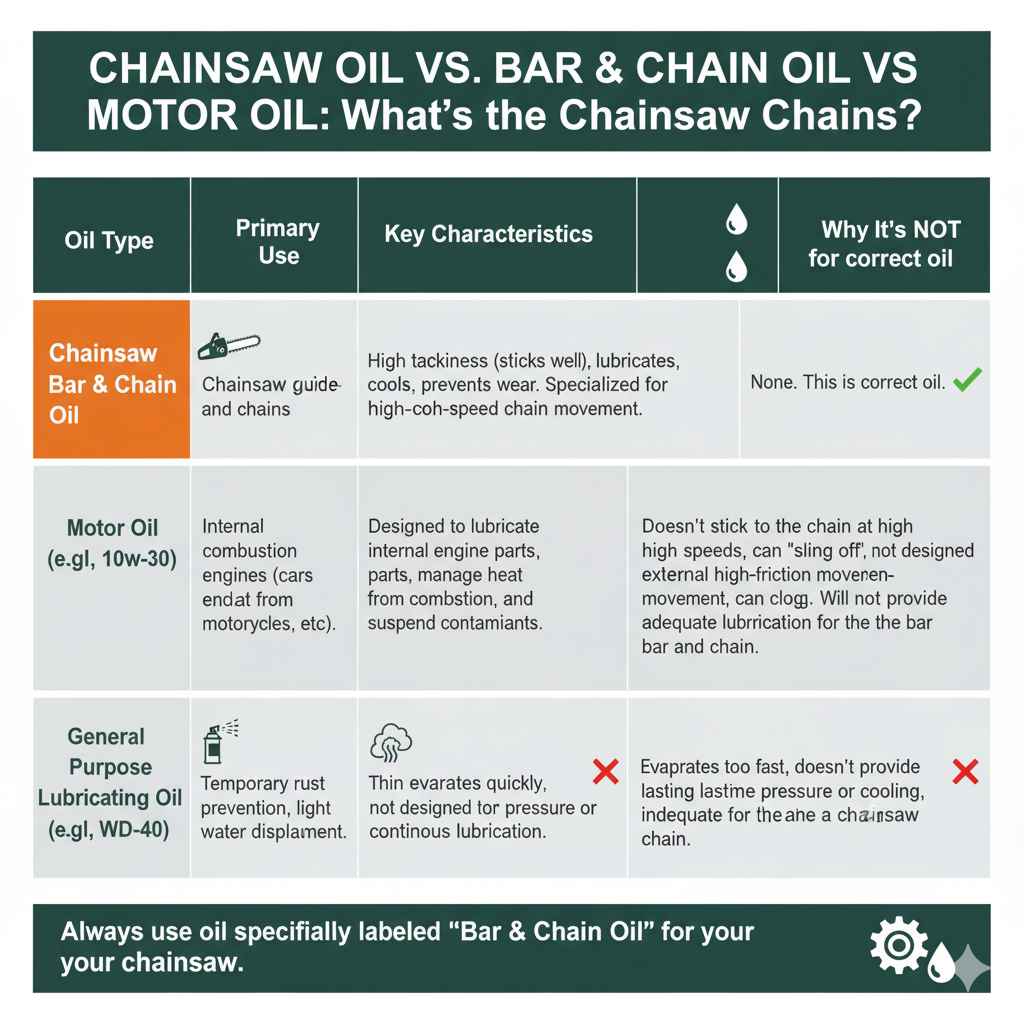
Chainsaw Oil vs. Bar & Chain Oil vs. Motor Oil: What’s the Difference?
Understanding the different types of oils is important to avoid costly mistakes. Here’s a quick breakdown:
| Oil Type | Primary Use | Key Characteristics | Why It’s NOT for Chainsaw Chains |
|---|---|---|---|
| Chainsaw Bar & Chain Oil | Chainsaw guide bars and chains | High tackiness (sticks well), lubricates, cools, prevents wear. Specialized for high-speed chain movement. | None. This is the correct oil. |
| Motor Oil (e.g., 10w-30) | Internal combustion engines (cars, motorcycles, etc.) | Designed to lubricate internal engine parts, manage heat from combustion, and suspend contaminants. | Doesn’t stick to the chain at high speeds, can “sling off,” not designed for external high-friction movement, can clog oiler systems. Will not provide adequate lubrication and cooling for the bar and chain. |
| General Purpose Lubricating Oil (e.g., WD-40) | Temporary rust prevention, light lubrication, water displacement | Thin, evaporates quickly, not designed for extreme pressure or continuous lubrication. | Evaporates too fast, doesn’t provide lasting lubrication or cooling, inadequate for the demands of a chainsaw chain. |
Always use oil specifically labeled “Bar & Chain Oil” for your chainsaw. This single choice will protect your investment and ensure better performance.
Maintaining Your Chainsaw Beyond the Chain Oil
Oiling the chain is a vital part of chainsaw care, but it’s not the only thing. A well-maintained chainsaw is a safe and effective chainsaw. Consider these other aspects:
- Chain Sharpness: A dull chain requires more effort, puts more strain on the engine and operator, and is less safe. Learn how to sharpen your chain or have it done professionally. For a guide on sharpening, check out resources from the US Forest Service on chainsaw sharpening.
- Chain Tension: The chain should be snug but still able to be pulled by hand (with gloves on!). If it’s too loose, it can derail. If it’s too tight, it causes excessive wear.
- Air Filter: A clogged air filter starves the engine of air, reducing power and potentially damaging the engine. Clean or replace it regularly based on your manual’s recommendations.
- Spark Plug: Ensure it’s clean and properly gapped.
- General Cleaning: Keep sawdust and debris off the engine and other components.
Consistent maintenance, including proper oiling, makes your chainsaw more reliable, safer to use, and ultimately saves you money on repairs and replacements.
Frequently Asked Questions (FAQ) about Oiling Chainsaw Chains
Q1: How do I know if my chainsaw is automatically oiling the chain?
A: Most modern chainsaws have automatic oilers. You can usually tell by the presence of a separate oil reservoir with a distinct cap (often marked with an oil can symbol). The best way to confirm is to perform the “blip test”: with the engine off and the bar pointing at a clean surface (like cardboard), briefly squeeze the throttle. If a fine line of oil appears, your automatic oiler is working.
Q2: Can I use regular motor oil if I run out of bar and chain oil?
A: No, it’s strongly advised against. Regular motor oil doesn’t have the necessary tackiness to stick to the chain at high speeds and can sling off, leading to poor lubrication, overheating, and premature wear on your chain and guide bar. Always use oil specifically designed for chainsaw bars and chains.
Q3: My chainsaw seems to be leaking oil when it’s stored. Is this normal?
A: A small amount of oil weeping from the guide bar area is considered normal, especially if the saw is stored in a warm place. This is due to the oil’s viscosity and can be exacerbated by slight pressure changes. However, excessive dripping might indicate overfilling, a damaged tank, or a worn seal.
Q4: How often should I refill the bar and chain oil reservoir?
A: A good rule of thumb is to refill the oil reservoir every time you refill the fuel tank. This ensures you begin each cutting session with adequate lubrication. Always check the oil level before starting a new task, and perform the “blip test” to ensure the oil is flowing.
Q5: What happens if I don’t oil my chainsaw chain?
A: Not oiling your chainsaw chain leads to increased friction and heat. This can quickly cause the chain to become dull, stretch excessively, and even seize.