Best Vacuum for Hardwood Floors: 5 Picks That Won’t Scratch
The Miele Classic C1 Pure Suction PowerLine is our top pick for hardwood floors because its parquet brush and 6-stage suction dial glide over wood without a spinning beater bar. Hardwood scratches almost always trace back to one part: an aggressive brush roll paired with suction set too high. Below we cover the 5 vacuums we re-verified are still in production this year, the soft-roller-vs-brush-roll distinction that actually prevents damage, and how to set suction so it lifts dirt instead of dragging grit across the finish.
Quick Answer
For most hardwood homes, a canister vacuum with a switchable/soft brush roll (Miele Classic C1) or a soft-roller cordless stick (Dyson V12 Detect Slim) is safest. Skip any vacuum whose brush roll can’t be turned off, and keep suction on the lowest setting that still lifts debris — full power is what pulls grit into a scratching pattern, not the bristles alone.
Why Hardwood Floors Need Special Care
Hardwood floors are more delicate than carpet or tile. They carry a protective finish — polyurethane, oil-based sealer, or wax — that scratches and dulls under the wrong tool. A vacuum with a spinning brush roll can be too aggressive on that finish, leaving fine swirl marks that show up under raking light. That’s why soft bristles, adjustable suction, and hardwood-specific attachments matter more here than raw cleaning power.
According to the National Wood Flooring Association’s guidance cited by Consumer Reports, vacuum damage on hardwood almost always comes down to the rotating brush head — traditional beater bars use stiff nylon bristles that strip finish and create long visible scratches at high speed, and NWFA recommends vacuuming 2-3 times a week with the beater bar switched off or a hard-floor-specific attachment in place.
Key Features to Look for in a Vacuum for Hardwood Floors
Cordless or corded, canister or stick, robot or upright — the format matters less than these six features. Here’s what actually protects a wood finish:
- Soft Brush Rolls or No Brush Roll: The brush roll is the spinning part under the vacuum. For hardwood, you want soft bristles or the ability to turn it off completely — a “bare floor” setting is the single most useful spec on the box.
- Adjustable Suction Power: Too much suction pulls debris across the floor rather than lifting it, which is what causes drag-scratches. Adjustable suction lets you dial it down for hardwood and crank it up for rugs in the same pass.
- Lightweight and Maneuverable Design: Hardwood rooms have furniture to navigate around. A heavy, bulky vacuum is more likely to bump baseboards and trim.
- High-Quality Filtration: A HEPA filter traps the dust and allergens that settle into floor seams, especially with pets or kids in the house.
- Attachments for Crevices and Corners: Hardwood has cracks between boards where dirt hides — a crevice tool or dusting brush reaches what the main head can’t.
- Corded vs. Cordless: Corded vacuums give consistent power for larger homes; cordless sticks trade some runtime for freedom of movement in smaller spaces.
Quick reference:
| Feature | Why It Matters for Hardwood Floors |
|---|---|
| Soft or No Brush Roll | Prevents scratches and swirl marks |
| Adjustable Suction | Gentle cleaning for delicate surfaces |
| Lightweight Design | Easy to maneuver around furniture |
| HEPA Filtration | Traps dust and allergens for cleaner air |
| Crevice/Dusting Tools | Reaches tight spaces and cracks |
| Corded/Cordless | Depends on home size and cleaning needs |
Soft Roller vs. Standard Brush Roll: Which Actually Protects Hardwood
Not all “soft roller” claims mean the same thing, and this is the single most confusing spec when shopping for hardwood. Here’s the real distinction:
- Standard brush roll (bristle/beater bar): Stiff nylon bristles spin at high RPM to agitate carpet fibers. On hardwood, those same bristles scrape across the finish with every rotation — this is the #1 cause of the fine swirl-mark scratching NWFA warns about. Fine for carpet, risky for wood.
- Soft roller (felt/microfiber, e.g. Dyson’s Fluffy Optic head): A soft woven roller with no rigid bristles. It picks up fine dust and larger debris via suction and light contact rather than scraping, so it won’t dull a polyurethane finish even with repeated passes.
- Switchable/turn-off brush roll (e.g. Miele’s parquet brush): The most flexible option for mixed flooring — full bristle agitation for rugs, brush off (or replaced with a dedicated parquet head) for hardwood, all on one machine.
- All-rubber brush (e.g. Roborock’s DuoDivide design): Common on newer robot vacuums — rubberized fins flex against the floor rather than scraping, and they double as an anti-tangle feature for pet hair.
If a listing doesn’t specify which of these four your model uses, treat “soft roller” marketing language with some skepticism and check the manufacturer’s own spec sheet — it’s usually listed under “cleaner head” or “brush roll type.”
How to Set Suction So It Doesn’t Scratch Hardwood
Suction level matters as much as brush type, and it’s the part most buying guides skip. Here’s why, and how to dial it in:
- Why high suction causes scratches: Maximum suction doesn’t just lift dust — it pulls larger grit and sand particles along the floor before they’re captured, dragging them under the cleaner head like sandpaper. This is worse on hardwood than carpet because there’s no fiber to cushion the contact.
- Where to start: On any vacuum with adjustable suction, start at the lowest or “hardwood/bare floor” setting. Only increase it if visible debris is left behind after a pass — don’t default to max power out of habit.
- Rugs vs. hardwood in the same room: Auto-sensing models (Dyson’s dust-detect sensor, most robot vacuums’ floor-type sensors) adjust suction automatically when they cross from wood to a rug. On manual-dial machines like the Miele C1, you’ll want to switch settings by hand at the transition.
- Signs suction is too high: The cleaner head feels like it’s “sucking down” and resisting movement (common on manual dial machines set to max on a bare floor), or you notice faint directional scuffing after vacuuming in bright side-light.
Types of Vacuums for Hardwood Floors
Each vacuum format has real tradeoffs for hardwood. Here’s how they compare:
Canister Vacuums
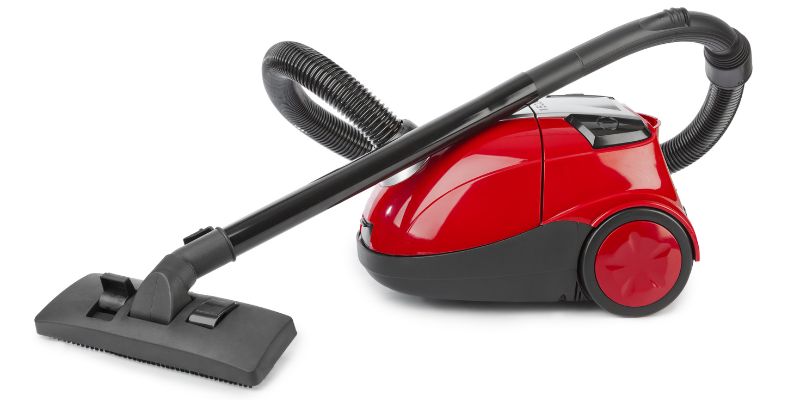
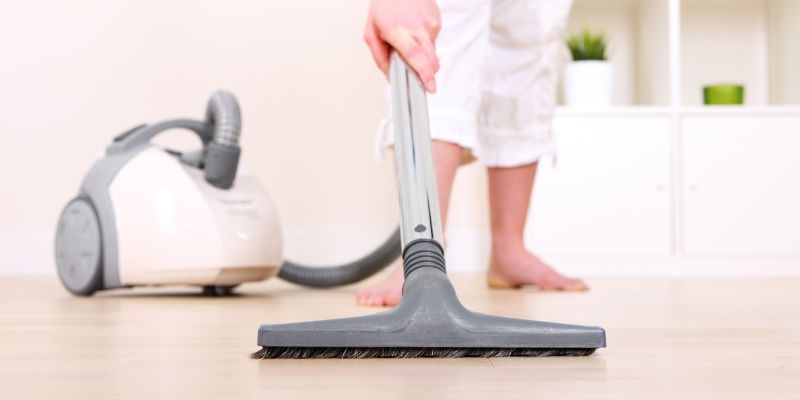
Canister vacuums are a strong default for hardwood. The cleaning head is separate from the motor, so you’re not dragging a heavy unit across the floor, and many come with a parquet brush — a long, oval attachment with soft bristles built specifically for wood. The main tradeoff is storage bulk in smaller homes.
Stick Vacuums
Cordless stick vacuums are lightweight and built for quick daily cleanups, which suits apartments and smaller homes well. The dustbin is usually small and needs frequent emptying, and battery life caps how much floor you can cover in one charge — but the maneuverability around furniture legs is hard to match.
Upright Vacuums
Uprights are powerful but historically riskier for hardwood because many use aggressive brush rolls. Newer models let you switch off the brush roll or flip to a dedicated hard-floor mode, which makes them workable for homes with mixed hardwood and rugs — just expect more weight to push around than a stick vacuum.
Robot Vacuums
Robot vacuums handle daily maintenance cleaning well, especially in pet-shedding households. Look specifically for a “no-brush” mode or an all-rubber roller design to avoid scratching — they’re not a substitute for a deeper weekly clean, since they cover less edge and crevice detail than a manual vacuum.
Vacuum-Mop Combos
These vacuum and mop in the same pass, which is useful for sticky spills on hardwood. The caution here is water: too much moisture can damage unsealed hardwood, so always confirm your floor’s finish is sealed before using a wet/dry combo.
Top Vacuum Recommendations for Hardwood Floors
We re-checked all five picks below against manufacturer product pages this week to confirm they’re still in current production — one earlier pick (Roborock’s S8+) had quietly been phased out of Roborock’s own lineup since our last update, so we swapped it for the current equivalent (Qrevo S5V) rather than leave a discontinued model listed.
- Miele Classic C1 Pure Suction PowerLine ($399): A canister vacuum with a 6-stage rotary suction dial and a switchable brush roll — off for hardwood, on for rugs. The parquet brush attachment glides smoothly, and the 29.5-ft cleaning radius covers a large room without re-plugging.
- Dyson V12 Detect Slim ($479.99): A lightweight cordless stick with the Fluffy Optic soft-roller head built specifically for hard floors, plus 150 Air Watts of suction and up to 60 minutes of run time. The laser strip on the head reveals dust you’d otherwise miss.
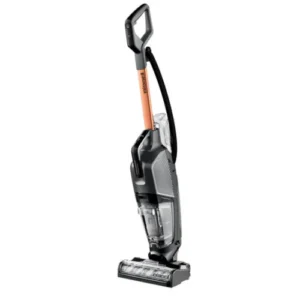
- Bissell CrossWave HydroSteam Plus ($349.99): A vacuum-mop combo for sealed hardwood — it vacuums and steam-mops sticky messes in one pass. Bissell’s own spec sheet confirms it’s built for sealed hard floors only; skip it on unsealed or unfinished wood.
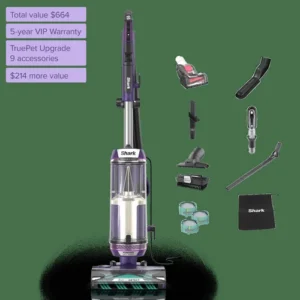
- Shark PowerDetect Upright (AZ4002) ($449.99-$599.99 depending on retailer): An upright with DuoClean Detect technology, a self-cleaning brushroll, and dirt-sensing tech, versatile enough for mixed hardwood-and-carpet homes. Heavier than a stick vacuum, but strong on larger square footage.
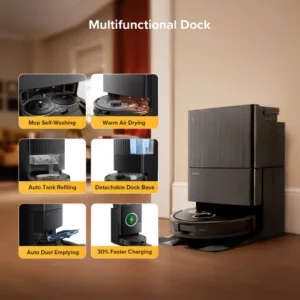
- Roborock Qrevo S5V ($599.99, frequently discounted to ~$550): A robot vacuum/mop with an all-rubber DuoDivide brush (no bristles to scratch with), 12,000 Pa suction, and a self-washing, self-emptying dock. Good for daily maintenance between deeper manual vacuum passes.
Our Top Pick for Hardwood Floors
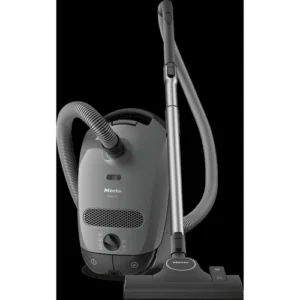
Miele Classic C1 Pure Suction PowerLine
Switchable brush roll + parquet brush attachment; $399, 6-stage suction dial.
Check Price on Amazon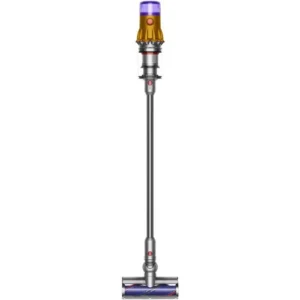
How to Vacuum Hardwood Floors Without Damage
A few habits prevent most of the damage people accidentally cause when vacuuming hardwood floors:
- Pick Up Large Debris First: Grab any big items like cereal or pet toys before vacuuming so they don’t get caught under the head and dragged across the finish.
- Use the Right Attachment: A hardwood-specific parquet brush or soft roller, with a crevice tool on hand for corners and baseboards.
- Vacuum 2-3 Times a Week: Matches NWFA’s own guidance — dust builds up fast on hardwood and wears down the finish over time if left to grind in underfoot.
- Turn Off the Beater Bar: If your vacuum has a spinning brush roll, switch it off on hardwood — this single step prevents most swirl-mark scratching.
- Clean the Vacuum Regularly: A dirty vacuum can spread debris or lose suction. Clean filters and empty the dustbin after every use.
- Check Your Floor’s Finish First: If floors are unsealed, avoid vacuum-mop combos — excess moisture can warp the wood. Check the manufacturer’s guidelines if you’re unsure.
Maintaining Your Hardwood Floors Beyond Vacuuming
A vacuum is one part of the equation. These habits round out a full maintenance routine:
- Sweep or Dust Mop First: A microfiber dust mop before vacuuming catches loose dirt and reduces wear on the vacuum itself.
- Clean Spills Immediately: Liquid spills can damage hardwood fast, especially if it’s unsealed — keep a microfiber cloth within reach.
- Use Furniture Pads: Cheap pads under furniture legs prevent scratches whenever furniture gets moved.
- Refinish Every 10-15 Years: Even with careful maintenance, hardwood eventually needs refinishing to restore the surface.
- No Shoes Indoors: Cuts down on the dirt and grit that causes most scratches in the first place.
Pros and Cons of Vacuuming Hardwood Floors
Vacuuming is the best routine method for hardwood, but it has real limits:
Pros:
- Removes dirt from cracks and crevices better than mopping.
- Faster than sweeping or mopping.
- Keeps dust and allergens down with HEPA filters.
- Gentle models preserve the floor’s finish long-term.
Cons:
- The wrong vacuum can scratch or dull floors.
- Some models are pricey, especially canister or robot vacuums.
- Cordless models may have short battery life.
- Vacuum-mop combos are risky for unsealed floors.
Related Hardwood Vacuum Guides
If your situation is more specific than a general roundup, these dedicated guides go deeper: our full breakdown of a vacuum that won’t scratch wood floors, our picks for a wet vacuum for hardwood floors if spills are your main issue, and our separate guide to robot vacuums for hardwood floors if you want daily automated maintenance specifically. If shedding and dander — not just floor type — are the main issue, our comparison of Hoovers for dog hair and wooden floors ranks six pet-focused picks by brush-roll design and HEPA rating.
“Vacuum damage on hardwood usually comes down to one part: the rotating brush head. Traditional beater bars use stiff nylon bristles that strip finish and create long, visible scratches at speed — switching it off, or using a dedicated hard-floor attachment, is the single change that prevents most of it.”
— Guidance summarized from the National Wood Flooring Association, via Consumer Reports
My Personal Journey with Hardwood Floor Vacuums
When I first got hardwood floors, I used an old upright with a full-power beater bar and ended up with faint scratches across the oak within a few months. Switching to a canister with a switchable brush roll (the Miele C1) fixed it — same floors, no new marks since. I run a robot vacuum with a soft roller between the weekly manual passes for daily upkeep, which has worked well for keeping dust down without adding wear.
Wrapping It Up: Your Hardwood Floors Deserve the Best
The right vacuum for hardwood floors comes down to two things: a brush roll that won’t scrape the finish, and suction dialed to lift dirt rather than drag it. Whether that’s a canister like the Miele Classic C1, a stick vacuum like the Dyson V12 Detect Slim, or a robot like the Roborock Qrevo S5V, prioritize soft bristles, adjustable suction, and hardwood-specific attachments over raw power. If you’re ready to make your hardwood floors shine, the FAQs below cover the most common follow-up questions.
Frequently Asked Questions
Can I Use Any Vacuum on Hardwood Floors?
No. Vacuums with an aggressive, always-on brush roll can scratch the finish. Look for a soft brush roll, a switchable brush roll, or a dedicated bare-floor setting, and check the manufacturer’s hardwood compatibility before buying.
How Often Should I Vacuum My Hardwood Floors?
The National Wood Flooring Association recommends 2-3 times a week for most homes, more often with pets or kids. Regular vacuuming prevents grit from grinding into the finish underfoot.
Are Robot Vacuums Good for Hardwood Floors?
Yes, for daily maintenance — as long as the model has a soft roller or all-rubber brush rather than a rigid bristle brush. They’re not a substitute for a deeper weekly vacuum pass, since they miss more edge and crevice detail.
Can I Use a Vacuum-Mop Combo on Hardwood Floors?
Only on sealed hardwood. Too much water can damage unsealed or poorly sealed floors. Check your floor’s finish and use minimal water even on sealed wood.
What’s the Best Way to Prevent Scratches When Vacuuming?
Turn off the beater bar (or use a soft-roller/all-rubber head), keep suction on the lowest setting that still lifts debris, pick up large debris before vacuuming, and check the vacuum’s wheels for trapped grit that can scratch as you push it.