How to Recognize Teak Wood: Proven Best Guide
Recognize teak wood by its golden-brown color, straight grain, oily feel, distinct leather-like scent when worked, and natural water resistance. These proven characteristics help you identify genuine teak, even if you’re new to woodworking.
How to Recognize Teak Wood: The Proven Best Guide for Beginners
Ever admired a beautiful piece of furniture or a sturdy outdoor deck and wondered, “Is that really teak wood?” You’re not alone! Teak is famous for its beauty and toughness, but telling it apart from other woods can be tricky, especially when you’re just starting out. Many beginners find it frustrating when they’re looking to buy or use teak, unsure if they’re getting the real deal. Don’t worry, I’m here to help! With a few simple, hands-on tips, you’ll be spotting genuine teak like a pro. We’ll walk through its unique traits, from how it looks and feels to how it smells. Let’s get started and unlock the secrets to recognizing this amazing wood!
Why Teak Wood is So Special
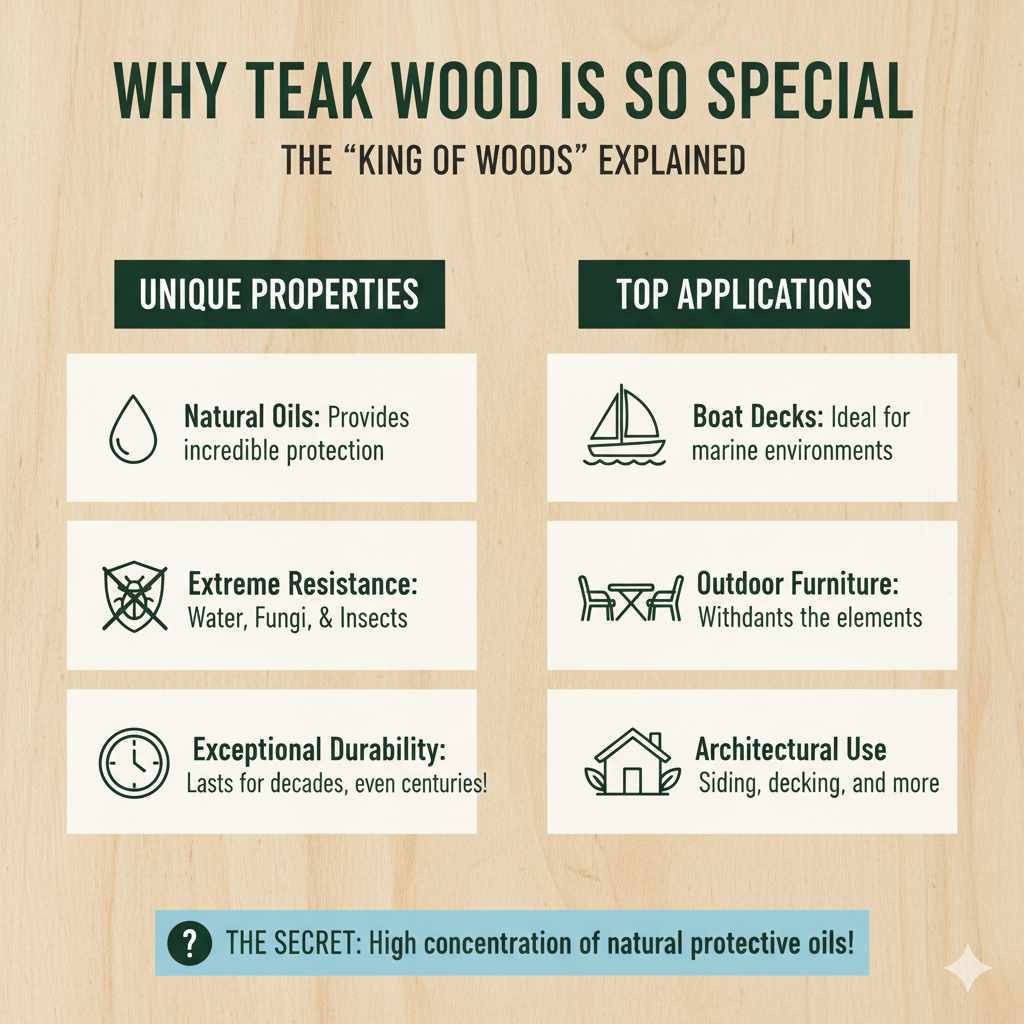
Teak (Tectona grandis) is often called the “king of woods,” and for good reason. It’s a hardwood that comes from tropical regions, primarily Southeast Asia. What makes it stand out? Teak is packed with natural oils. These oils don’t just make it look good; they provide incredible protection. This natural oiliness makes teak highly resistant to water, fungi, and insects that would quickly damage other types of wood. That’s why it’s a top choice for boat decks, outdoor furniture, and anywhere the elements are a concern. Its durability means teak pieces can last for decades, even centuries!
Key Characteristics to Identify Teak Wood
Recognizing teak wood is like learning to identify a friend by their unique features. Once you know what to look for, you’ll spot it easily. Here are the most important traits to focus on:
Color and Grain: The Visual Clues
When you first see teak, pay close attention to its color and the pattern of its grain. These are big giveaways for identifying genuine teak.
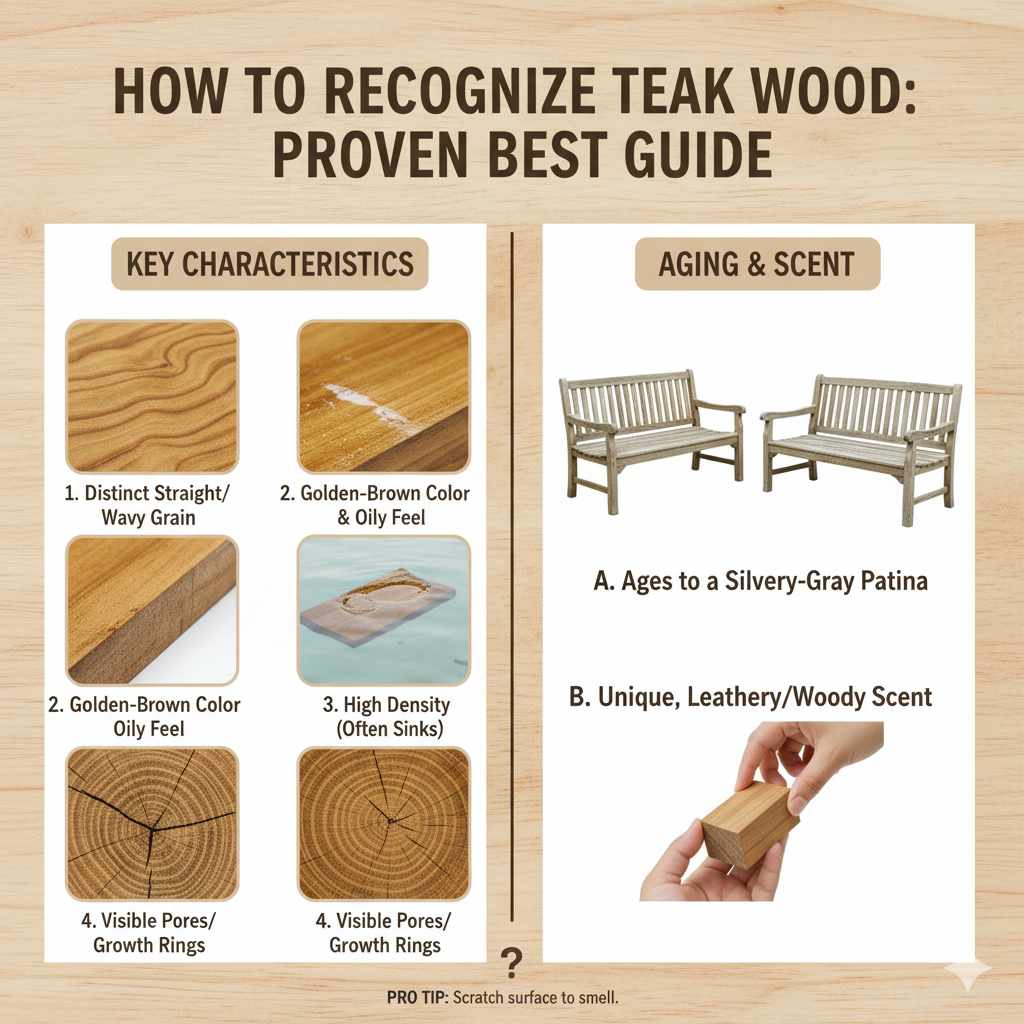
- Color: Freshly cut teak typically has a beautiful golden-brown hue. Over time, especially if exposed to sunlight, it can darken to a richer, deeper brown. You might also notice lighter or darker streaks within the wood.
- Grain: Teak generally has a straight, somewhat coarse grain. This means the wood fibers run in a uniform direction, making it easier to work with and less likely to split. While it’s mostly straight, you might occasionally find wavy or interlocked grain patterns, which add to its unique character.
Texture and Feel: The Oily Touch
One of the most distinctive features of teak is its natural oil content. This gives it a unique feel that you won’t find in most other hardwoods.
- Oily Feel: Gently rub your fingers across the surface of teak. You should feel a slightly oily or waxy texture. This isn’t because it’s been treated; it’s natural! These oils are what make teak so resistant to moisture and decay.
- Smoothness: Despite its coarse grain, teak can be finished to a very smooth surface because of its density and oily nature.
Scent: The Distinctive Aroma
This is a fun one that requires a little interaction with the wood. If you have a chance to lightly sand or saw a scrap piece, the scent is a dead giveaway.
- Leather-Like Smell: When worked, teak produces a unique, pleasant aroma. Most people describe it as smelling like leather or having a distinct sweet, musky scent. If you scratch or sand a small area and get this smell, you’re likely working with real teak.
Durability and Weight: It’s Built to Last
Teak is known for its robustness, which also affects how it feels and performs.
- Strength: Teak is a strong hardwood. It doesn’t dent or scratch as easily as softer woods.
- Weight: It’s a moderately dense wood, meaning it has a good weight to it – not too light, not excessively heavy. You can usually feel this when you hold a piece of solid teak.
Common Teak Lookalikes and How to Differentiate
The problem is, some other woods can look quite similar to teak at first glance. Knowing these common lookalikes helps you avoid mistakes. Here’s how to tell them apart:
| Feature | Genuine Teak | Iroko (African Teak) | White Oak | Mahogany |
|---|---|---|---|---|
| Color | Golden to medium brown, can darken with age. | Yellowish-brown to dark brown, often darkens considerably and can turn greenish with age. | Light brown to reddish-brown, sometimes with gray or green hues. | Light pinkish-brown to dark reddish-brown. |
| Grain | Straight, coarse, can have wavy patterns. | Usually coarse and interlocked. Can be straight. | Straight or spiral, with conspicuous rays (flecks). | Straight, but can be wavy or irregular. Finer than teak. |
| Feel (Oily?) | Yes, distinctly oily feel due to natural oils. | Roughly similar oily ‘feel,’ but less pronounced than true teak. Can contain ‘lead shot’ deposits. | Not oily, can feel somewhat rougher. | Not oily, can feel smoother and sometimes a bit waxy. |
| Scent When Worked | Distinct leather-like or slightly musky scent. | Can have a slightly unpleasant odor, sometimes described as rubbery or cheesy. | Relatively odorless. | Can have a faint, sometimes sweet, cedar-like smell. |
| Durability/Water Resistance | Excellent, highly resistant to water, rot, and insects. | Good, but not as resistant as true teak. Known to leach color. | Good, moderately resistant to decay and insects, especially heartwood. | Good, but less resistant to water and insects than teak. |
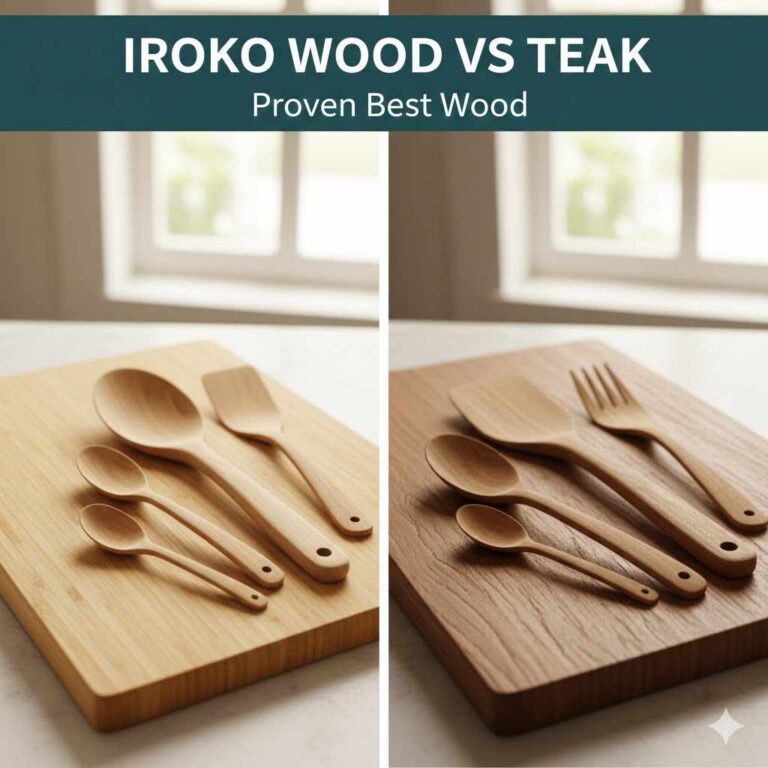
Iroko, often called “African Teak,” is probably the most common substitute. It has a similar golden-brown color and can feel a bit oily. However, Iroko’s grain is often more interlocked, and it tends to have a less pleasant smell when worked, sometimes described as rubbery or cheesy. It also tends to darken significantly and can develop a greenish hue over time, which is unlike true teak.
White Oak is another strong contender for outdoor use but has a very different feel. It doesn’t have that characteristic oily touch and usually has more visible grain patterns like flecks or rays. Its scent when worked is also much less distinct than teak.
Mahogany can sometimes be mistaken for teak, especially older, darker pieces. However, mahogany’s grain is typically finer and smoother than teak’s, and it lacks the distinct oily feel and leather-like scent.
Testing and Verification Methods
Sometimes, visual inspection isn’t enough, especially with highly processed wood or when buying online. Here are a few extra steps you can take:
The Water Test
Teak’s natural oils make it incredibly water-resistant. A simple test is to place a drop of water on the wood. On genuine teak, the water drop should bead up and sit on the surface for a while before slowly being absorbed. On most other woods, the water will soak in much faster. This test works best on unfinished wood.
The Scratch Test (Gentle!)
If you can, very gently scratch a hidden area of the wood with your fingernail or a dull tool. You should feel that slight slipperiness from the oils. Also, pay attention to the fine dust produced – good teak dust often feels slightly oily.
For those who are serious about identification or working with valuable pieces, you might consider consulting resources that detail wood density and chemical properties. For example, the Forest Products Laboratory (a division of the U.S. Forest Service) provides extensive data on wood species properties.
Where to Find and Use Teak Wood
Teak is prized for its durability and beautiful appearance. Because of its natural resistance to decay and insects, it’s especially common in outdoor applications where moisture is a factor.
- Outdoor Furniture: Teak is the go-to wood for high-quality patio chairs, tables, and benches that can withstand the elements year-round.
- Boat Building: Historically, teak has been the standard for boat decks and trim due to its excellent grip when wet and resistance to saltwater.
- Outdoor Structures: Pathways, privacy screens, and even pergolas can benefit from teak’s longevity.
- Interior Woodwork: While less common due to cost, teak can be used for luxurious flooring, cabinets, and furniture indoors, especially in humid areas like bathrooms.
Sustainability Concerns and Alternatives
Due to its popularity and slow growth, truly wild teak harvests can sometimes be unsustainable. Look for teak that is certified by organizations like the Forest Stewardship Council (FSC). FSC certification ensures that the wood comes from responsibly managed forests. If certified teak isn’t available or is too expensive, consider sustainably sourced alternatives like Ipe or other tropical hardwoods that mimic teak’s durability, or look into thermally modified woods which offer excellent durability without tropical sourcing.
Working with Teak Wood
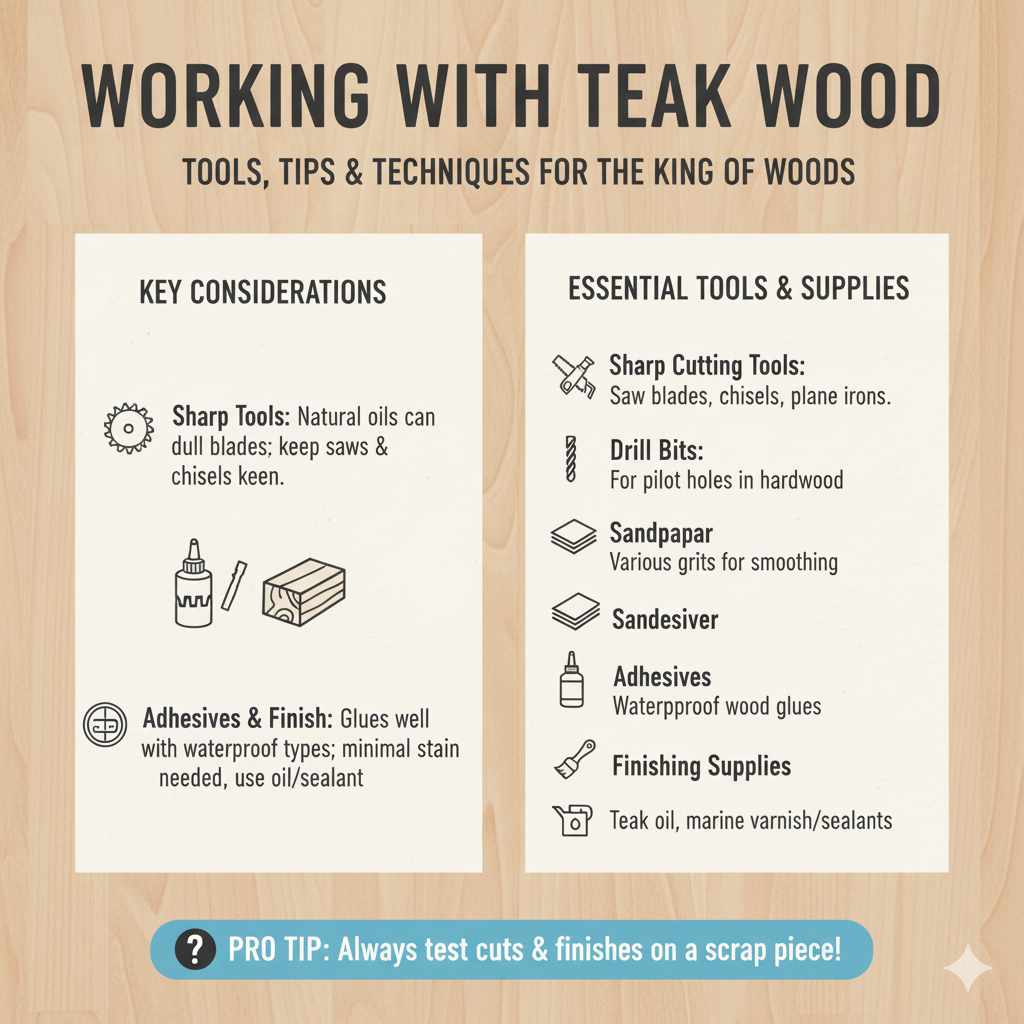
Teak is a pleasure to work with, provided you have the right tools and techniques. Its natural oils can sometimes dull saw blades faster than other woods, so keeping your tools sharp is key. However, the oily nature also means it glues well with the right adhesives, and it finishes beautifully with minimal stain needed, often just an oil or sealant to enhance its natural luster.
Tools for Working Teak
Here are some tools that will make working with teak smoother:
- Sharp Cutting Tools: High-quality saw blades, chisels, and plane irons are essential.
- Drill Bits: For pilot holes, especially in hardwood.
- Sandpaper: Various grits for smoothing.
- Adhesives: Waterproof wood glues are recommended for outdoor projects.
- Finishing Supplies: Teak oil, marine varnish, or sealants.
It’s always a good idea to do a test cut and sand on a scrap piece before working on your main project. This helps you get a feel for the wood and ensure your tools are set up correctly.
Frequently Asked Questions About Teak Wood
Q1: Is teak wood very expensive?
A1: Yes, genuine teak wood is one of the more expensive hardwoods available. Its high demand, slow growth, and desirable properties contribute to its cost.
Q2: How do I care for teak furniture?
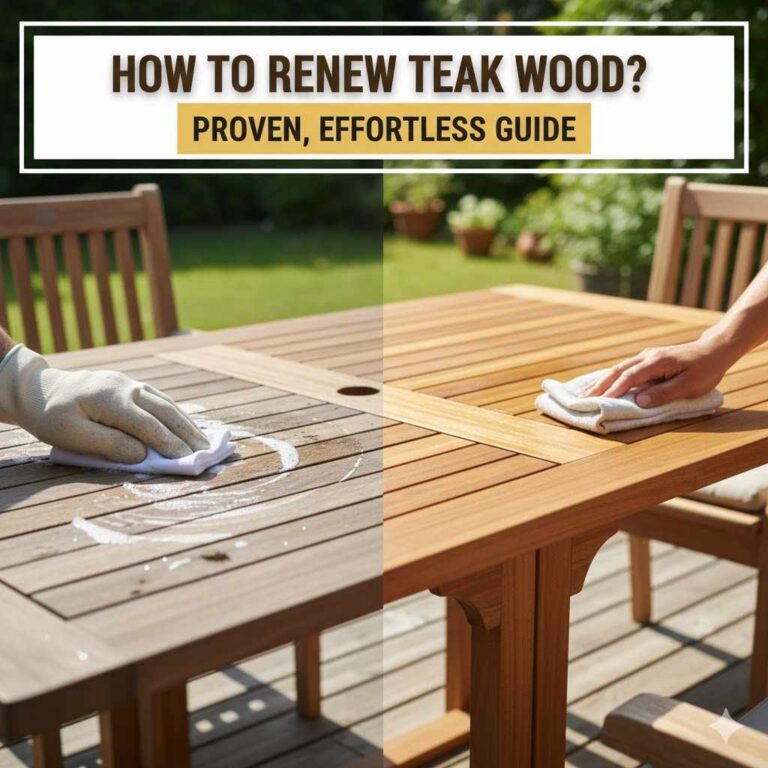
A2: Teak furniture can be left untreated to weather to a silver-gray patina, or you can clean it annually with mild soap and water. To maintain its golden-brown color, apply a teak oil or sealant every 6-12 months. Check out guides from reputable outdoor furniture suppliers like PatioUSA’s teak care guide for more details.
Q3: Does teak wood rot or get attacked by insects?
A3: No, teak is naturally resistant to rot and insects thanks to its high concentration of natural oils. This is one of its most valuable qualities.
Q4: Can I paint or stain teak wood?
A4: While you can paint or stain teak, it’s generally not recommended. Its natural beauty and color are highly sought after. If you choose to finish it, use a product designed for hardwoods, and always test in an inconspicuous area first. The natural oils can sometimes interfere with adhesion.
Q5: What’s the difference between teak and plantation teak?
A5: Plantation teak is grown on managed farms, often harvested after 25-40 years. Old-growth teak comes from natural forests and is typically harvested after 75-100+ years. Old-growth teak has a higher oil content and can be denser and more stable, though good quality plantation teak is still excellent.
Q6: How can I tell if teak is real from a picture?
A6: It’s very difficult to be certain from just a picture. Look for descriptions mentioning golden-brown color, straight grain, and oily feel. Be wary of very dark, uniform colors or unusually fine grains, which might indicate a substitute. Always ask for more details or see a sample if possible.
Conclusion
Recognizing teak wood might seem daunting at first, but by focusing on its distinctive characteristics – that warm golden-brown color, the straight grain, the unique oily feel, and that unmistakable leather-like scent – you’ll quickly become a pro. Remember the key identifiers: oil content, color, grain pattern, and scent. By learning these traits and being aware of common lookalikes like Iroko, you can confidently identify genuine teak for your projects. Whether you’re buying new furniture, restoring an old piece, or selecting wood for a build, knowing how to spot real teak ensures you invest in quality that lasts. Happy woodworking, and may your projects be beautiful and durable!