Spar Urethane vs Teak Oil for Outdoor Wood
Choose Spar Urethane for outdoor wood that gets strong sun, rain, or frequent handling; choose Teak Oil for Outdoor Wood if you want a natural feel and plan to refresh the finish every 1 to 3 months, or a few times a year on sheltered pieces. Pick the wrong finish, and you can get peeling film, gray wood, or a coating that wears away too fast. This guide compares outdoor durability, appearance, maintenance effort, and best uses so you can match the finish to the wood’s exposure and your upkeep tolerance.
| Decision factor | Spar Urethane | Teak Oil for Outdoor Wood | Winner |
|---|---|---|---|
| Sun and weather protection | Film-forming exterior finish with UV resistance and moisture protection | Penetrating oil with lighter surface build; relies on periodic reapplication | Spar Urethane |
| Look and feel | Clear to amber film; may add visible sheen and some color shift | Maintains a more natural wood look with less surface buildup | Teak Oil for Outdoor Wood |
| Maintenance burden | Longer intervals between full refinishing, but repairs can mean sanding and recoating larger areas | Quicker refreshes, usually by wiping on more oil after cleaning | Teak Oil for Outdoor Wood |
| Failure mode | Can peel, crack, or wear at edges if prep is poor or moisture gets underneath | Can dry out, darken unevenly, or leave the wood looking gray if skipped too long | Tie |
| Best fit | Full sun, coastal air, and mixed rain exposure | Teak furniture, covered patios, and owners who want simple refreshes | Depends on exposure |
Spar urethane vs teak oil: the core trade-off
Spar urethane is the better pick when the wood needs a protective film and real UV defense. Teak oil is the better pick when you want a low-build, natural finish and do not mind more frequent refreshes. That trade-off matters more than the product label on the can.
Film build versus penetrating soak-in
Spar urethane sits on top of the wood and creates a film. That film is the point: it helps block water and slows UV damage, which is why it is commonly listed for marine and high-exposure use. Teak oil soaks into the grain instead, so it leaves less of a hard surface and is less likely to crack or peel.
Appearance, maintenance, and failure mode at a glance
Film finishes usually look more finished. They can also change color, especially oil-based versions that dry to a warmer amber tone. Penetrating oil keeps more of the raw wood look, but skipped maintenance shows up fast as fading, drying, or gray wood.
How exposure level changes the choice
Exposure decides the finish. Full sun and repeated wetting favor spar urethane. Covered patios, light rain, and owners who want a quick wipe-on refresh make teak oil more practical.
Which finish lasts longer outdoors?
Spar urethane lasts longer in harsh outdoor exposure because it adds a protective film and stronger UV defense. Teak oil can work well, but it needs more frequent renewal and gives less surface protection. In sun and weather, the finish that lasts longer is usually the one that resists both moisture and UV damage, not just one of them.
Full sun and high-UV exposure
Direct sun is where teak, cedar, and similar woods can gray within weeks without UV protection. Spar urethane is the stronger choice here because it is built to slow that damage. Oil-based versions often include UV blockers; water-based versions can also be made with UV protection, but the product label matters.
Covered patios and partial shelter
On a covered porch, teak oil becomes more realistic because the finish sees less direct weather. The wood still needs care, but the owner is not fighting as much UV and standing water. That is where the natural look starts to outweigh the lower protection level.
Mixed rain exposure and seasonal storage
Furniture that gets rain but can be stored part of the year sits in the middle. Spar urethane gives better protection during the wet months, while teak oil asks for more frequent attention. If the piece stays outside through storms, the film finish usually wins.
Spar urethane: when a film finish fits best
Spar urethane fits best when the wood sees sun, moisture, or frequent contact and you want the longest protection window the finish can give. It is a film-forming exterior finish, so it is better at blocking water and slowing UV fade than a penetrating oil. The trade-off is a more visible coating and more careful prep.
Oil-based spar urethane
Oil-based spar urethane dries more slowly, usually has stronger odor, and needs solvent cleanup. It also tends to leave a warmer amber tone. That slower dry time can be worth it on harsher outdoor pieces because oil-based formulas are commonly chosen for more demanding exposure and often include UV blockers.
Water-based spar urethane
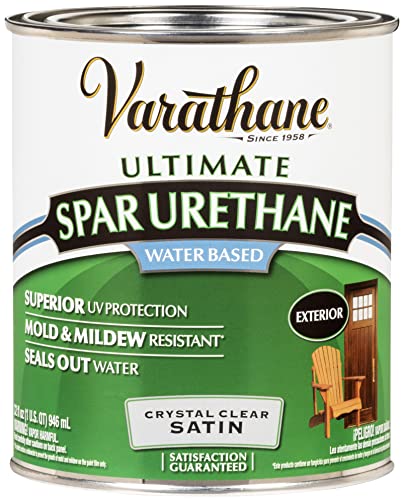
Water-based spar urethane dries faster, has lower odor, and cleans up with soap and water. It also stays clearer with less yellowing, which helps on lighter woods or when you want a cleaner look. Because it dries quickly, it often needs multiple thin coats rather than heavy ones.
Where spar urethane can fail: peeling, cracking, and edge wear
Film finishes fail differently from oils. If moisture gets underneath, the coating can peel or crack, especially at sharp edges and end grain. Poor prep is the usual cause, and that is why sanding, dust removal, and thin coats matter more here than with teak oil.
Teak oil: when a penetrating finish makes sense
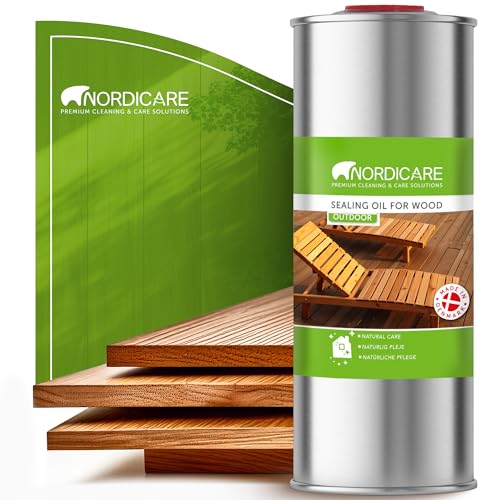
Teak oil makes sense when you want the wood to look and feel natural and you are willing to reapply it on a regular schedule. It is a penetrating finish, so it does not build the same hard surface film as spar urethane. That makes refresh work simpler, but it also limits long-term protection in harsh weather.
Natural look on teak and dense hardwoods
Teak oil is commonly used on teak and other dense hardwoods where the goal is to keep the grain looking open and natural. It works best when the wood can absorb the oil instead of fighting it. Very dense or oily hardwoods may need product-specific prep, so generic advice can miss the mark.
Refresh cycles and wipe-on maintenance
A penetrating oil needs a quick touch-up once a year in many outdoor settings, and sheltered pieces may stretch longer between coats. Some owners prefer that schedule because the refresh is usually a wipe-on job rather than a full strip-and-recoat cycle. The trade-off is that the finish must be watched before the wood starts to fade.
Limits on surface protection and runoff
Teak oil does not form the same hard barrier as spar urethane. That means it will not defend as well against standing water, abrasion, or direct sun. It can also leave residue if too much is applied, so wiping off the excess matters.
Which finish is easier to maintain?
Teak oil is easier to refresh, while spar urethane is easier to leave alone for longer stretches. Maintenance is not just about time between coats. It also includes how much sanding, cleaning, and edge repair the finish demands when it starts to fail.
Recoat rhythm and prep effort
Spar urethane usually means more prep before recoating because old film and loose edges need attention. Teak oil usually asks for cleaning and another wipe-on application. If you want fewer total finish sessions, spar urethane has the advantage; if you want lighter maintenance each time, teak oil is simpler.
Spot repair versus full refinishing
A worn oil finish can often be refreshed in smaller sections if the surface is still sound. A damaged film finish is less forgiving because patched areas can flash or leave a visible repair line. Once a spar-urethane film starts peeling, you are often into sanding and broader recoating.
What maintenance tolerance means in practice
Maintenance tolerance is the real filter. If you do not want to think about the finish often, spar urethane is the better fit. If you are fine with periodic refreshes and a softer, more natural look, teak oil is the easier system to live with.
Outdoor wood decision matrix

This matrix turns the choice into use cases. Match the exposure first, then decide whether the wood species and your upkeep habits support a film finish or a penetrating oil.
| Use case | Finish choice | Expected maintenance interval | Likely failure mode | Application notes |
|---|---|---|---|---|
| Full sun deck furniture | Spar Urethane | About 2 to 3 years in hard exposure | Peeling or cracking at edges if prep is weak | Use thin coats, seal end grain, and respect the recoat window |
| Covered patio furniture | Teak Oil for Outdoor Wood | Quick touch-up once a year, sometimes more on exposed pieces | Drying out or uneven graying if skipped too long | Best when you want a natural look and easy wipe-on upkeep |
| Coastal air and heavy humidity | Spar Urethane | Oil-based finishes typically last 3 to 5 years before touch-ups | Blistering or film failure if moisture gets under the coat | Choose a marine-leaning product and prep thoroughly |
| Teak furniture | Teak Oil for Outdoor Wood | Periodic reapplication, often once a year or more often in sun | Gray wood and residue if maintenance is delayed | Good fit when the goal is to keep teak looking natural |
| Mixed rain exposure | Spar Urethane | Water-based finishes often reappear every 2 to 3 years in harsh weather | Edge wear and peeling on high-contact spots | Use multiple thin coats for better adhesion and drying |
Wood species matter more than the label on the can
Teak, cedar, and mahogany do not all behave the same. Cedar benefits from UV protection because it can gray quickly. Teak is naturally oily, so it often needs different prep than a softer wood. Mahogany can take a film finish well outdoors when the exposure is high, but a sheltered, decorative piece may still be a teak-oil candidate.
Say your cedar bench sits on an open deck in afternoon sun. Spar urethane is the better match because the wood needs UV defense more than it needs a natural matte look. If the same bench moves under a roof and only sees occasional rain, teak oil becomes easier to justify.
Dense hardwoods versus softer outdoor woods
Dense tropical hardwoods can be difficult for generic penetrating oils because they absorb slowly and unevenly. Softer woods usually accept coatings more readily, but they also need stronger weather protection. That is why the wood species and the exposure level should be read together, not separately.
Suppose a small mahogany side table stays on a covered porch. Teak oil may be fine if the owner wants an easy refresh cycle. If that same table moves into full sun and gets wet often, spar urethane becomes the safer choice.
Can you put polyurethane over teak oil?
Sometimes, but only after the oil has fully cured, the surface has been cleaned, and the finish system is actually compatible. Residual oil can block adhesion, which leads to soft spots, fisheyes, or peeling. If there is any doubt about cure or contamination, stop and test a small area first.
Why cured oil residue can block adhesion
Polyurethane and spar urethane need a sound surface to bond to. If teak oil is still migrating out of the wood, the topcoat can fail even when the surface feels dry. That risk is higher on dense species and on pieces that were flooded with oil instead of wiped clean.
Prep steps before any topcoat
Let the oil cure according to the label. Then wipe off residue, scuff-sand to create tooth, and remove all dust before topcoating. A cautious shop rule is to avoid heavy film finishes over oily wood unless the product instructions say it is acceptable.
When to avoid mixing systems altogether
If the teak-oil finish has already soaked unevenly or leaves a greasy feel, a topcoat is a bad bet. If the piece will live outdoors and you need dependable protection, choosing one system from the start is cleaner than trying to rescue a mixed finish later.
Choose Spar Urethane if… / Choose Teak Oil for Outdoor Wood if…
Choose Spar Urethane if the wood lives in full sun, gets rain or coastal moisture, or needs stronger UV resistance than a penetrating oil can provide. It is also the better call when you want longer service between major recoats and can accept a film on the surface.
Choose Teak Oil for Outdoor Wood if the piece is sheltered, you want the most natural look possible, and you do not mind more frequent wipe-on maintenance. It is the easier fit for teak furniture and for owners who prefer quick refreshes over a harder protective shell.

Frequently asked questions
Spar urethane oil vs water based
Oil-based spar urethane dries more slowly, usually smells stronger, and often leaves a warmer amber tone. Water-based spar urethane dries faster, has lower odor, and stays clearer. If you want quicker turnover and less yellowing, water-based is the easier route; if you want a warmer look and tougher outdoor focus, oil-based often gets the nod.
Teak protector vs teak oil
Teak protector products usually add more UV help than basic teak oil, so they are aimed at keeping wood from fading and graying. Teak oil is more about replenishing the wood and preserving a natural look. If the label claims UV protection, check what the product actually does before treating it like a true sealer.
Water based vs oil based spar urethane
Water-based spar urethane is the better choice when you want faster drying, soap-and-water cleanup, and less color shift. Oil-based spar urethane is better when you are willing to wait longer between coats and want the warmer amber tone that often comes with oil. Both should be applied in thin coats.
Can you put polyurethane over teak oil: yes?
Yes, but only if the teak oil has fully cured and the surface is free of residue. Scuff-sand first so the polyurethane has something to grip. If the wood still feels oily or the finish was applied heavily, skip the topcoat and stay with one system instead of mixing them.
Does spar urethane yellow over time?
Oil-based spar urethane can warm or amber over time, so some color shift is normal. Water-based versions stay clearer and usually yellow less. If keeping the original wood tone matters more than maximum warmth, water-based spar urethane is the safer pick.
Rubber wood vs teak wood
Teak is a much better outdoor candidate than rubberwood. Rubberwood is generally a poor exterior choice, even in covered conditions, because it is not built for repeated outdoor moisture. Teak is denser and more suitable for outdoor furniture, although it still benefits from proper finish choice and maintenance.
Sponsored / affiliate links. As an Amazon Associate I earn from qualifying purchases. I may earn additional commission from eligible campaigns.