How to Remove Hardwood Floor Polish: Easy & Effective Methods
Have you ever looked down at your hardwood floors and noticed that thick, cloudy polish that dulls their natural shine? Removing hardwood floor polish can feel like a tough job, especially if you don’t know where to start.
But what if you could bring back that smooth, beautiful finish without spending hours or using harsh chemicals? In this guide, you’ll discover simple, effective ways to strip away old polish and restore your floors to their original glow. Keep reading—you’re about to learn the secrets to making your hardwood floors look fresh and inviting again.
Signs You Need To Remove Polish
Hardwood floor polish keeps floors shiny and protected. Over time, polish can wear out or cause problems. Knowing the signs helps you decide when to remove old polish. Clear signs mean it’s time to refresh your floor.
Dull Or Cloudy Appearance
When polish loses its shine, floors look dull or cloudy. Light reflects poorly on a worn polish. The floor no longer feels fresh or bright. This is a key sign that polish needs removal.
Sticky Or Uneven Surface
A sticky floor feels unpleasant underfoot. Uneven polish shows as patches or streaks. Dirt and dust stick easily to sticky polish. These surface issues mean the finish is damaged and should be stripped.
Polish Build-up Layers
Multiple polish layers can form thick build-ups over time. This makes the floor surface rough and uneven. Layers trap dirt and hide the wood’s natural beauty. Removing old polish restores the floor’s smooth look.
Essential Tools And Materials
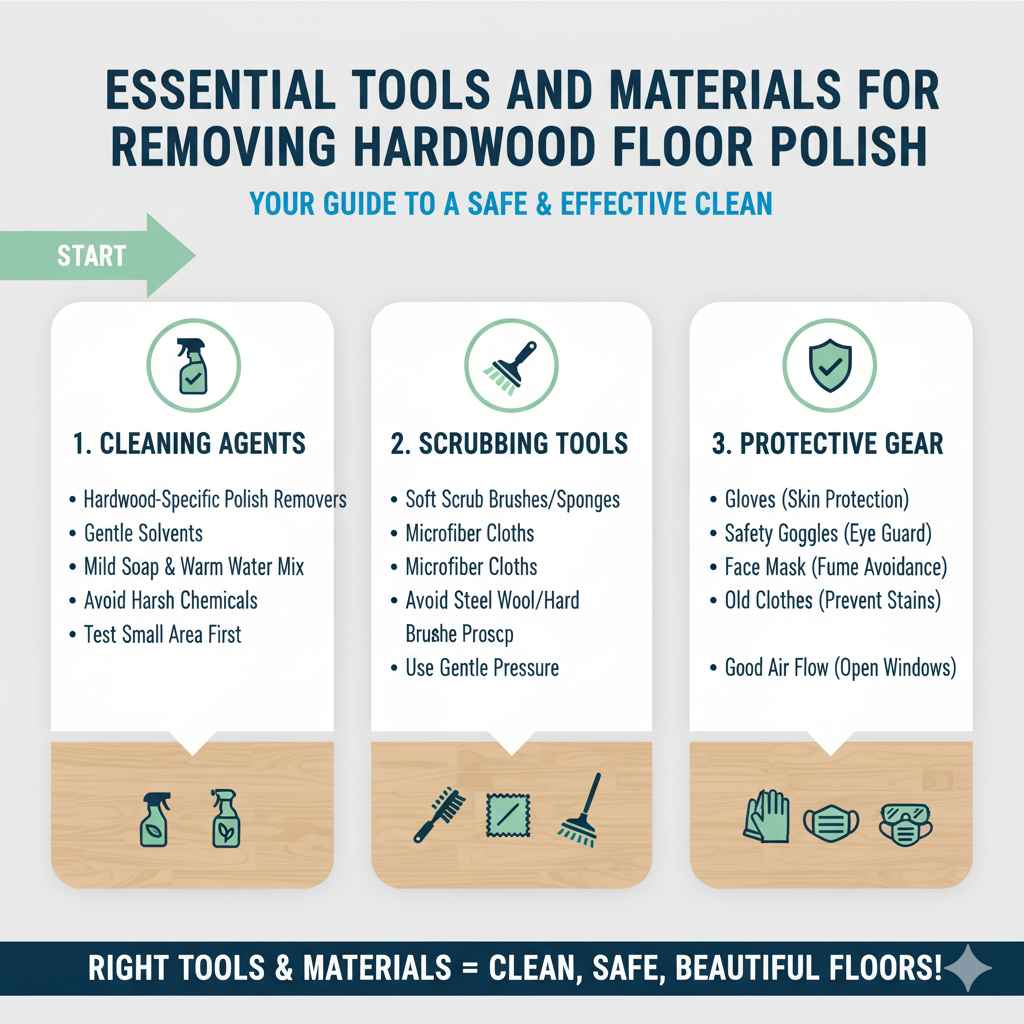
Removing hardwood floor polish requires certain tools and materials. Having the right items makes the job easier and safer. Each tool plays a key role in cleaning your floor effectively.
Cleaning Agents
Choose cleaning agents made for hardwood floors. Use polish removers or gentle solvents. Avoid harsh chemicals that can damage wood. A mix of warm water and mild soap also helps. Test any cleaner on a small area first.
Scrubbing Tools
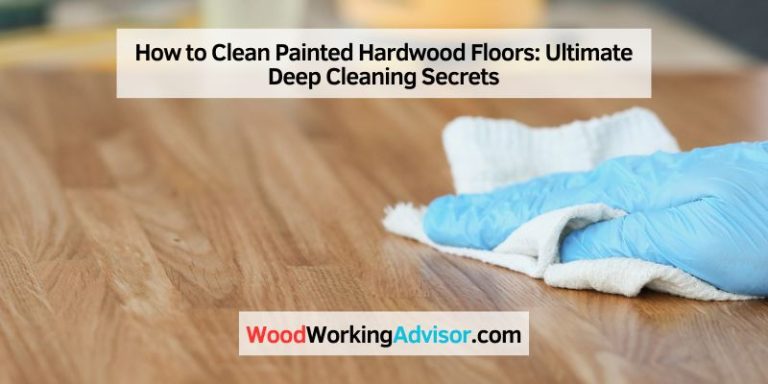
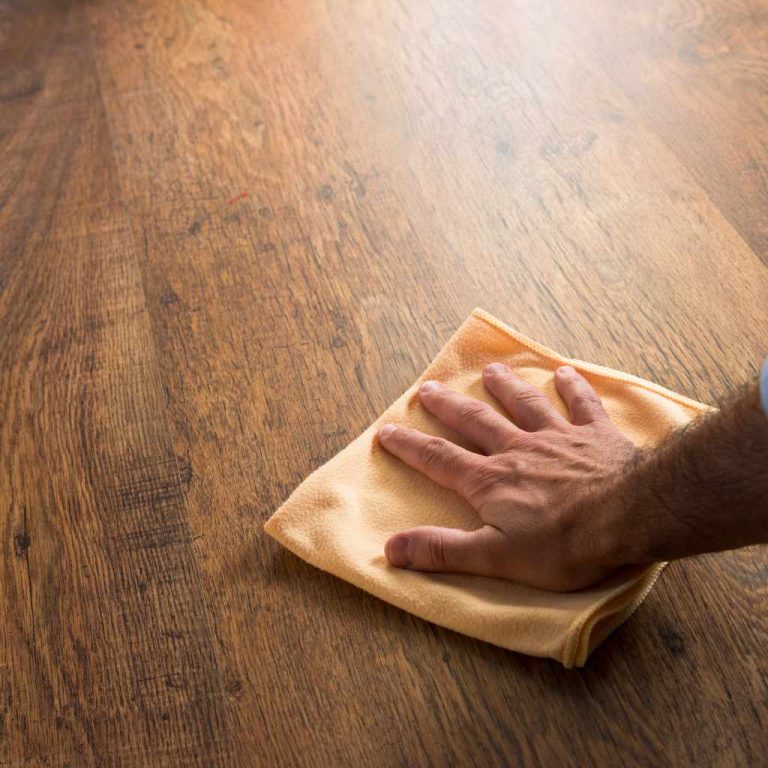
Soft scrub brushes or sponges work best. Avoid steel wool or hard brushes that scratch floors. Microfiber cloths help wipe polish residue. A mop with a soft head can clean larger areas. Use gentle pressure to protect the wood surface.
Protective Gear
Wear gloves to protect your skin from chemicals. Use safety goggles to guard your eyes. A mask helps avoid inhaling fumes. Dress in old clothes to prevent stains. Keep windows open for good air flow.
Preparing The Floor
Preparing the floor is the first step in removing hardwood floor polish. It helps to make the process easier and more effective. Taking time to prepare the area keeps your floor safe from damage. It also helps you work faster and cleaner.
Clearing The Area
Remove all furniture and rugs from the room. This clears the floor space for easy access. It prevents any polish or cleaning products from staining items. Keep pets and children away during the cleaning process.
Dusting And Sweeping
Use a soft broom or vacuum to clean dust and dirt. Dirt can scratch the wood if left on the surface. Clean floors help the polish removal products work better. Make sure to reach corners and edges well.
Testing A Small Spot
Choose a hidden area of the floor for a patch test. Apply the polish remover or cleaning solution gently. Wait a few minutes and check for damage or discoloration. Testing avoids surprises on the main floor area.
Using Chemical Polish Removers
Using chemical polish removers is a common method to clean hardwood floors. These products break down the polish, making it easier to wipe away. Chemical removers save time and effort compared to manual scrubbing. They also help restore the wood’s natural shine and texture.
Choosing The Right Remover
Pick a remover made for hardwood floors. Avoid harsh chemicals that can damage wood. Look for products labeled as safe and gentle. Read product reviews to find effective options. Choose a remover that suits your floor’s finish type.
Application Techniques
Start by testing the remover on a small, hidden area. Apply the product evenly using a soft cloth or sponge. Let it sit for a few minutes to dissolve the polish. Use a clean cloth to wipe off the polish gently. Repeat the process if any polish remains. Avoid soaking the wood to prevent damage.
Safety Precautions
Work in a well-ventilated room to avoid inhaling fumes. Wear gloves to protect your skin from chemicals. Keep the remover away from children and pets. Follow the product instructions carefully for safe use. Dispose of used cloths and excess remover properly.
Natural Alternatives For Polish Removal
Removing polish from hardwood floors does not need harsh chemicals. Natural alternatives offer safe and simple ways to clean polish. These methods protect your wood and keep it looking fresh. They use common household items you might already have.
Vinegar And Water Solution
Mix equal parts of white vinegar and water in a spray bottle. Spray lightly on the polished floor. Use a soft cloth to wipe the polish gently. Vinegar helps break down the polish without damaging the wood. Avoid soaking the floor to prevent water damage.
Baking Soda Paste
Combine baking soda with a little water to form a paste. Apply the paste to the polish stains using a cloth. Rub gently in a circular motion to lift the polish. Baking soda acts as a mild abrasive and cleans effectively. Wipe the area with a damp cloth afterward.
Lemon Juice Method
Use fresh lemon juice to remove polish from hardwood. Apply lemon juice to a soft cloth and rub the polished spots. The natural acid in lemon breaks down the polish buildup. Rinse the floor with a damp cloth to remove residue. Lemon also leaves a fresh, clean scent.
Manual Scrubbing Methods
Manual scrubbing methods provide a hands-on way to remove hardwood floor polish. These techniques help remove old polish without harsh chemicals or machines. They require some effort but offer precise control over the cleaning process.
Using the right tools and patterns makes scrubbing more effective. It also protects your hardwood floors from damage. Below are some key tips on manual scrubbing.
Soft Scrubbing Pads
Soft scrubbing pads are ideal for hardwood floors. They gently lift polish without scratching the surface. Avoid using rough sponges or steel wool. These can cause permanent damage to your floor’s finish. Choose non-abrasive pads to keep wood safe.
Avoiding Floor Damage
Scrubbing too hard can harm hardwood floors. Apply light pressure and check the floor often. Avoid soaking the wood with too much water. Use minimal moisture to prevent swelling or warping. Always test scrubbing pads on a small area first.
Effective Scrubbing Patterns
Scrub in small, circular motions for best results. This helps remove polish evenly. Work in sections to keep track of progress. Follow the wood grain gently to reduce scratches. Consistent motion avoids streaks and uneven spots.
Rinsing And Drying The Floor
After removing the polish from your hardwood floor, rinsing and drying are critical steps. They ensure no residue remains and protect the wood from damage. Clean water helps remove leftover polish and cleaning solutions. Drying stops water from soaking into the wood.
Proper Rinsing Techniques
Use clean, warm water for rinsing the floor. Avoid using too much water; hardwood does not like moisture. Use a damp mop or cloth to rinse the surface gently. Rinse the mop or cloth often to keep it clean. Change the water if it gets dirty. Work in small sections for better control. This helps remove polish residue fully.
Drying To Prevent Damage
Dry the floor immediately after rinsing. Use a soft, dry cloth or towel. Avoid air drying because it can leave water spots. Make sure no water pools in corners or cracks. Open windows or doors for air circulation. Use fans to speed up drying if needed. Dry floors protect the wood from warping and stains.
Reapplying Finish After Polish Removal
After removing polish from your hardwood floor, reapplying the finish is important. The finish protects the wood and brings back its shine. A proper finish helps the floor last longer and look better.
Choosing the right finish depends on your floor’s needs. Some finishes are glossy, while others are matte. Pick one that matches your room’s style and use.
Choosing The Right Finish
Water-based finishes dry fast and have low odor. They keep the natural color of wood. Oil-based finishes last longer but take more time to dry. They add a warm tone to floors. Consider your lifestyle and the finish’s durability before choosing.
Application Tips
Clean the floor well before applying the finish. Use a brush or a roller for even coats. Apply thin layers to avoid bubbles and streaks. Let each coat dry completely before adding the next. Two to three coats usually work well for protection and shine.
Maintaining Your Hardwood Floor
Keep your floor clean by sweeping or vacuuming regularly. Use a damp mop with a gentle cleaner made for hardwood. Avoid harsh chemicals that can damage the finish. Place rugs in high traffic areas to reduce wear. Reapply finish every few years to keep floors looking fresh.
Common Mistakes To Avoid
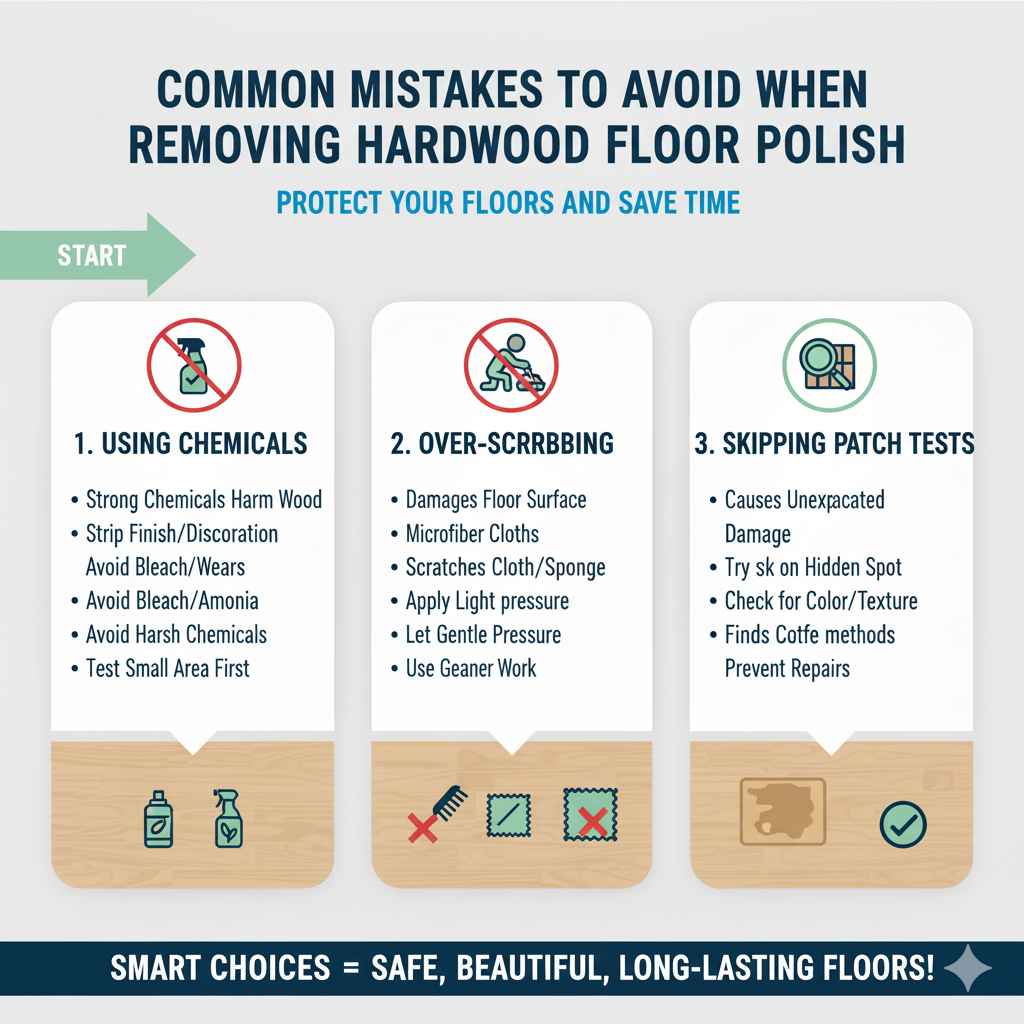
Removing hardwood floor polish can be tricky. Many people make mistakes that damage their floors or waste time. Avoiding these common errors helps keep your wood safe and looking good. Follow simple tips to protect your floor and get the polish off effectively.
Using Harsh Chemicals
Strong chemicals can harm hardwood floors. They may strip the finish or cause discoloration. Choose gentle cleaners made for wood surfaces. Test any product on a small area first. Avoid bleach, ammonia, or acid-based cleaners. These can dry out or weaken the wood.
Over-scrubbing
Scrubbing too hard damages the floor’s surface. It can scratch or wear away the wood. Use a soft cloth or sponge instead of rough brushes. Apply light pressure and be patient. Let the cleaner work before scrubbing again. This protects the finish and keeps the floor smooth.
Skipping Patch Tests
Not testing products can cause unexpected damage. Always try polish removers or cleaners on a hidden spot. Watch for changes in color or texture. Patch tests help find safe methods without risking the whole floor. This step saves time and prevents costly repairs.
Frequently Asked Questions
How Do I Safely Remove Polish From Hardwood Floors?
Use a gentle hardwood floor cleaner or a mixture of vinegar and water. Apply with a soft cloth and avoid harsh chemicals to prevent damage.
Can I Remove Hardwood Floor Polish Without Stripping The Finish?
Yes, use a mild cleaner or polish remover specifically designed for hardwood floors. Avoid abrasive tools to protect the finish.
What Tools Are Best For Removing Hardwood Floor Polish?
Soft cloths, microfiber mops, and non-abrasive scrubbing pads work best. Avoid steel wool or hard brushes to prevent scratches.
How Often Should Hardwood Floor Polish Be Removed?
Remove polish when it appears dull, sticky, or uneven. Typically, every 6 to 12 months ensures floors stay clean and shiny.
Conclusion
Removing hardwood floor polish takes time and patience. Use gentle cleaners and soft tools to protect your floors. Work in small sections and avoid harsh chemicals. Always test products on a hidden spot first. Proper care keeps hardwood floors looking fresh and clean.
Clean floors create a warm, inviting home space. Keep these tips handy for future polish removal tasks. Your hardwood floors will thank you.