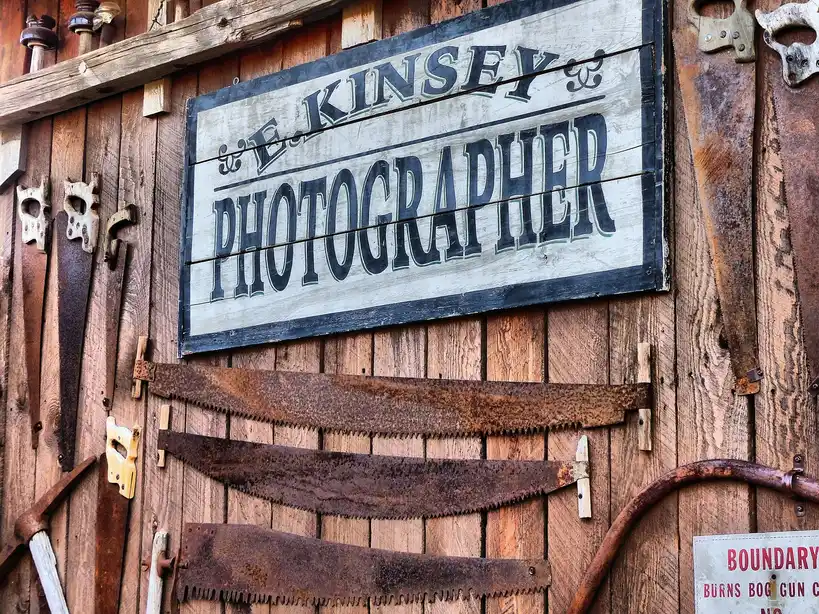
How to Remove Rust From a Hand Saw
Remove rust from a hand saw with a light solvent wipe, a rust remover, or a fine abrasive on the plate only, then finish with an oil coat. Stop before the teeth lose their crisp points or set. If you scrub the teeth hard or sand the plate too aggressively, you can round the tooth geometry, thin the plate, and reduce a vintage saw’s value. This guide covers safe cleaning, rust removal methods, tooth protection, and the finish steps that keep the saw usable.
What you’ll need

- Heavy gloves for handling sharp teeth
- Safety glasses
- Face protection if you use a wire brush or wire wheel
- Ventilation for vinegar, WD-40, or other cleaners
- Dish detergent and warm water for the first wipe-down
- Clean rags or shop towels
- Toothbrush for rust along the plate
- Baking soda and water for a paste
- White vinegar, used with caution on finish-sensitive saws
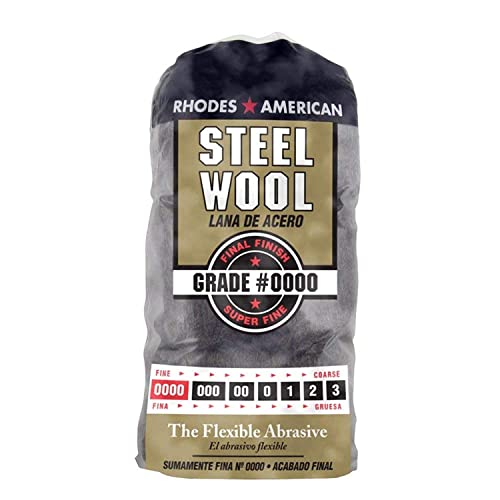
- Super fine steel wool
- Fine scouring pad or sandpaper for light rust on open plate areas
- WD-40 for small tool surfaces and as a sanding lubricant
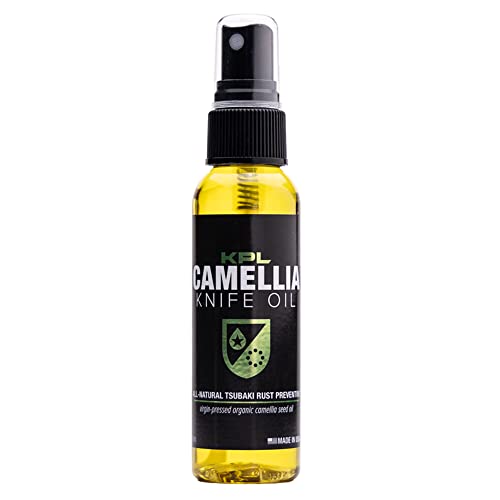
- Mineral oil for the final protective coat
How bad is the rust?
Start by separating surface rust from deeper pitting. Light orange-brown rust on hand saw blade steel is usually cosmetic and can often be removed with gentle abrasion; dark pits that catch a fingernail may be permanent, even after the loose rust comes off. That difference matters because aggressive cleanup can hurt tooth geometry and value.
Surface rust versus pitting
Surface rust sits on top of ferrous metal. Pitting means corrosion has already eaten into the plate. You can clean the oxide away, but you cannot erase metal that is already missing, so do not keep sanding just to chase a perfect shine.
When a collectible saw needs extra care
Old saws, etched plates, and saws with plated or blued finishes deserve the mildest method that will do the job. A collectible saw loses more value from rounded teeth, altered set, or a stripped finish than from a thin film of stable patina.
When to stop and avoid more abrasion
Stop if the rust is gone and the remaining marks are only dark shadows in the steel. If the plate still cuts wood cleanly after a test pass, more scraping is usually unnecessary. More pressure is where damage starts.
What to do first
Clean the saw before you remove rust. Dirt, sap, and old oil block cleaners and force you to press harder than you should. A clean surface lets you judge whether you are dealing with rust, finish residue, or deeper pitting.
- Put on heavy gloves and safety glasses.
- Wipe the plate with a rag dampened with warm water and a little dish detergent.
- Scrub along the blade length, not across the teeth.
- Dry the saw completely, including the spine edge and the gullets.
- Inspect the plate under bright light before choosing a rust remover.
Use the mildest method that matches the rust. For light rust, baking soda paste or a gentle abrasive is usually enough. For stubborn spots, use super fine steel wool, a scouring pad, or a short vinegar soak with caution. Keep every pass on the flat plate and away from tooth points.
Use baking soda paste for light rust
Mix 3 parts baking soda to 1 part water and spread the paste on the rusted plate with a toothbrush. Let it sit briefly, then scrub along the length of the blade. For a few stubborn spots, add super fine steel wool, but keep the pressure light. (Wikihow)
Use vinegar only with caution
White vinegar contains acetic acid and can help loosen rust; salt is sometimes added to speed the reaction. Soak time can range from minutes to hours, but finish damage is a real risk on some saws. Use it only when the plate has no finish you need to preserve.
Use WD-40, fine steel wool, or a scouring pad on small spots
On small tool surfaces, spray WD-40 and wait a few minutes before rubbing with fine steel wool or a scouring pad. WD-40 can act as a cutting lubricant during sanding and help loosen rust before wire brushing. Keep it off the teeth as much as possible.
Should you use vinegar on a hand saw?
Sometimes, but not always. Vinegar can remove rust well, yet it can also damage some finishes on vintage saws. If you choose it, limit soak time, check the plate often, and neutralize and dry the steel right away so the acid does not keep working.
How long to soak
Expert guidance commonly places vinegar soaks at at least 12 hours for rusty metal, but a saw plate rarely needs that much time if the rust is only on the surface. Check every few minutes at first, then stop as soon as the rust softens.
What finishes may be affected
Etching, black oxide, paint, and some plated finishes can be harmed by vinegar. Expert Home Tips also notes that lemon or vinegar can damage some finishes. If the saw has collector value, test on a hidden area first or choose baking soda paste instead.
How to neutralize and dry afterward
After vinegar, wipe the plate with water and a little baking soda mixed in to calm any remaining acid, then dry it fully. A thin film of moisture left in the gullets can restart rust before you even put the saw away.
Should you use steel wool or sandpaper?
Choose steel wool for flat, accessible areas when you need a little more bite. Use sandpaper only on open plate sections, and keep the grit fine enough that it removes rust without changing the surface too much. Stay away from tooth points, gullets, and set.
Choose steel wool for flat, accessible areas
Super fine steel wool is the safer choice for older rust stains on broad plate surfaces. Pressing hard can scratch the steel, so let the abrasive do the work. It is a poor choice for tight tooth areas because loose fibers and pressure can catch on the geometry.
Use sandpaper only with a light touch
Sandpaper or a scouring pad can work on light rust, starting coarse only if needed and finishing finer. Use the least aggressive grit that removes the rust. Sanding too hard can round the plate edges and change how the saw tracks in a cut.
Keep abrasive work away from teeth and gullets
The tooth line is where damage matters most. Tooth points, gullets, and set control how the saw cuts and clears dust. Abrasives should stay on the plate face, not on the cutting edge.
Hand saw rust decision table
Match the method to both rust severity and saw type. The safest choice for a vintage saw is often the least aggressive one that clears the rust. If the saw is collectible, favor finish preservation over speed.
| Rust severity and saw type | Safest tool | Grit or soak time | Finish risk | Tooth-safety risk | Post-clean protection step |
|---|---|---|---|---|---|
| Light surface rust on a modern user saw | Baking soda paste and toothbrush | 3:1 paste, short scrub, recheck | Low | Low if you stay off teeth | Dry fully, then apply mineral oil |
| Light rust on a flat plate with no special finish | Super fine steel wool or fine scouring pad | Brief hand rubbing only | Low to moderate | Moderate if pressure is heavy | Wipe clean and oil the plate |
| Stubborn rust on a small, plain tool surface | WD-40 with fine steel wool | Spray and wait a few minutes | Moderate | Moderate near teeth | Clean residue, dry, then oil |
| Heavy rust on a non-collectible saw plate | Vinegar soak with close checking | Minutes to hours, not overnight by default | High on some finishes | Low if teeth are protected, high if scrubbed | Neutralize, dry, and coat with mineral oil |
| Heavy rust on collectible or etched saw | Manual cleaning only, then stop | Shortest effective contact time | Very high with acid or wire wheel | Very high if abrasives reach the tooth line | Dry carefully and store with light oil |
How do you stop rust from coming back?
Dry the saw fully, apply a light coat of mineral oil, and store it in a drier place. Rust returns when moisture stays on ferrous metal, so the prevention step matters as much as the cleaning step. A winter shop needs extra attention because condensation can form on cold steel.
Dry the blade fully
Use a clean towel first, then let the plate air-dry before storage. Pay attention to the spine, the back edge, and the gullets, where water hides. If the saw was soaked in vinegar, drying matters even more.
Apply mineral oil
Knife Depot recommends a light coating of mineral oil after rust removal. Put a thin film on the plate, then wipe off any visible excess so dust does not stick to the metal. The goal is protection, not a wet surface.
Store the saw for a drier winter shop
Hang the saw where air moves around it, not against a concrete wall or in a damp corner. Keep it off the floor and away from temperature swings that cause condensation. A dry cabinet or tool rack is better than a closed, humid box.
Common mistakes
Most damage happens when the cleanup is too aggressive. The wrong method can remove finish, alter tooth geometry, or leave moisture behind. If the rust is light, do not jump straight to a wire wheel or coarse sandpaper.
- Using coarse abrasives on tooth points or gullets
- Letting vinegar sit longer than needed on a finish-sensitive saw
- Pressing hard with steel wool and scratching the plate
- Using a wire wheel near precision tooth geometry
- Skipping the dry-down and oil coat after cleaning
- Leaving a saw in a damp winter shop after it has been cleaned
If that didn’t work, try this next
If rust remains after a baking soda paste, move to super fine steel wool or a scouring pad on the plate only. If that still leaves stubborn spots on a non-collectible saw, use a short vinegar treatment with close checking, then neutralize, dry, and oil immediately.
Say your 26-inch panel saw has orange specks along the middle of the plate but clean teeth. Start with detergent water, then use baking soda paste and a toothbrush. If a few dark spots remain, switch to super fine steel wool and stop as soon as the surface turns even.
Suppose a flea-market saw has dark pitting near the heel and a dull etched plate. Clean the loose rust, but do not keep sanding until the pits disappear. The pitting may already be permanent, and extra abrasion is more likely to harm the saw than improve it.
Frequently asked questions
What is the safest way to remove rust without damaging saw teeth?
The safest path is baking soda paste or super fine steel wool on the flat plate, with the teeth masked by careful hand placement and light pressure. Keep abrasives off the cutting edge, and avoid wire wheels near the tooth line. Dry and oil the plate afterward.
Can vinegar damage a hand saw blade finish?
Yes. Vinegar is effective on rust, but it can damage some finishes on vintage saws and etched plates. Use the shortest practical contact time, check the surface often, and neutralize and dry the blade as soon as the rust loosens.
Should I use steel wool or sandpaper on a hand saw blade?
Steel wool is usually safer for flat, accessible surfaces because it follows the plate more gently. Sandpaper can work on light rust, but it is easier to overdo and change the surface. Either way, keep the abrasive away from teeth, gullets, and set.
How do I keep a hand saw from rusting again after cleaning?
Dry the saw completely, apply a light coat of mineral oil, and store it in a drier place. A winter shop needs extra attention because humidity swings encourage condensation. If the saw will sit for a while, check it periodically and renew the oil film as needed.
Sponsored / affiliate links. As an Amazon Associate I earn from qualifying purchases. I may earn additional commission from eligible campaigns.