How to Join Wood: 7 Joints Compared With Real Test Data
Pick a joint by the load it must carry: mortise-and-tenon and dowels for frames and legs, dovetails for drawers, pocket holes for fast cabinets, biscuits only for alignment. Choose wrong and a shelf sags or a chair racks loose. This guide compares butt, dowel, biscuit, pocket-hole, mortise-and-tenon, dovetail, and lap joints by strength, skill, and tools.
Quick Answer
Strongest for frames and legs: mortise-and-tenon, then dowels. Fastest for cabinets: pocket holes, which lost to both in the bench tests below. Best for drawers: dovetails. Biscuits mainly line up boards. Whatever you choose, glue long-grain surfaces and clamp until the glue sets.
Glue And Clamps: What Every Joint Needs
Best Wood Joint Glue Pick
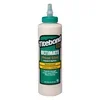 |
Titebond III Ultimate Wood Glue, 16 oz (currently $9.58) The glue that goes into every long-grain joint compared in this guide, from dowels to mortise-and-tenon. The listing rates it waterproof for exterior and interior use.
|
As an Amazon Associate we earn from qualifying purchases.
Almost every joint below depends on the same two things. Glue does the work on long-grain surfaces, where it can bond across a lot of wood fiber, and clamps hold the joint tight while it sets. End grain soaks up glue and bonds poorly, which is why joints built mostly from end grain need a mechanical helper such as a screw, dowel, or interlocking cut. If you are gluing end grain anyway, read which glue works best on end grain first.
Keep a square, a marking knife or sharp pencil, a chisel, and a few bar or parallel clamps nearby. A drill and a hand saw cover butt, dowel, and pocket-hole joints. A router, table saw, or chisel set opens up the lap, mortise-and-tenon, and dovetail joints. Beginners can browse more fundamentals in our woodworking tips and skills hub.
Types Of Wood Joints
A butt joint is the simplest connection: one board meets another with no interlocking cut. Because the glue face is often end grain, a plain glued butt joint is weak. Add screws, dowels, or corner blocks for anything that carries weight.
A dowel joint aligns and reinforces a connection with round wooden pins glued into matching holes drilled in both boards. It needs only a doweling jig and a drill. Accurate hole spacing matters most, and our guide to gluing a dowel joint so it does not wobble covers fit and glue amount.
A biscuit joint uses oval compressed-wood wafers glued into slots cut by a biscuit joiner. The wafer swells slightly when it meets wet glue, which helps keep board faces flush during a panel glue-up. It is mainly an alignment aid. Our biscuits vs dowels comparison goes deeper on that one decision.
A pocket-hole joint drives a self-tapping screw at an angle from a drilled pocket in one board into the face of the next. It is fast, hides the screw, and needs no clamps while glue sets, which is why it dominates cabinet face frames. It depends on screw thread grip in the second board rather than on interlocking wood. Thin stock works too, as our page on pocket holes in 1/2 inch plywood explains.
A mortise-and-tenon joint fits a tongue (the tenon) cut on one piece into a slot (the mortise) cut in the other. It is the traditional choice for table and chair legs, doors, and frames. The mortise-and-tenon joinery guide covers types, sizing rules, and cutting methods in depth.
A dovetail joint interlocks wedge-shaped pins and tails so the boards cannot be pulled apart in one direction even without glue. That makes it the classic drawer and box corner. It is also the hardest of these joints to cut cleanly, whether by hand (see how to cut dovetails by hand) or with a jig.
A lap joint removes half the thickness from each piece (a half-lap) so they overlap flush. It gives a large long-grain glue surface, needs only a saw and chisel or a router, and suits frames, workbench bases, and rails. Use the half-lap cut-depth calculator to set your depths.
Two close relatives are worth knowing. A miter joint cuts both ends at an angle, usually 45 degrees, for a clean corner with no visible end grain, but it is mostly end grain to end grain and needs splines or biscuits for strength. A box (finger) joint interlocks straight fingers cut with a table-saw or router jig, giving a wide glue surface for drawer boxes and casework.
Wood Joint Comparison: Strength, Skill Level & Best Uses
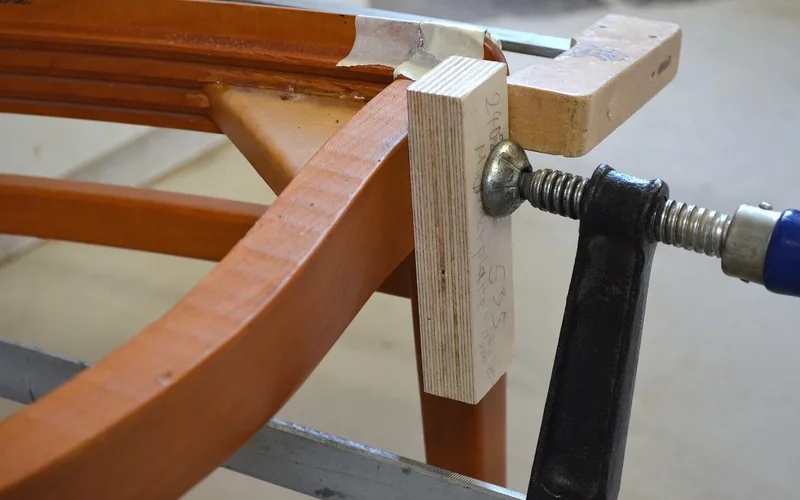
Use this table to match a joint to your project before you cut anything. The strength column only quotes joints that appeared in the bench tests covered in the next section. Joints that were not in those tests are described, not scored.
| Joint | Strength evidence | Skill level | Tools needed | Best for |
|---|---|---|---|---|
| Butt | Not in the tests; weak alone (mostly end grain) | Beginner | Saw, drill, screws or dowels | Basic frames, hidden-structure builds |
| Dowel | Mid: about 1.5x a pocket hole in one test; about 25% below mortise-and-tenon in another | Beginner to intermediate | Doweling jig, drill, glue | Shelving, chair rails, frame corners |
| Biscuit | Ranked last in a Wood Magazine test as reported on a forum; best used for alignment | Beginner to intermediate | Biscuit joiner, glue | Panel and tabletop glue-ups |
| Pocket hole | Lowest of the three tested joints: 99 to 111 lb average in one test, about half of mortise-and-tenon | Beginner | Pocket-hole jig, drill, screws | Cabinet face frames, fast furniture |
| Mortise-and-tenon | Highest in the tests: roughly 172 to 236 lb averages depending on test and glue | Intermediate to advanced | Chisel or mortiser, saw or router, glue | Table and chair legs, doors, load-bearing frames |
| Dovetail | Not in the tests; interlocks mechanically | Advanced | Hand saw and chisels or a dovetail jig | Drawers, boxes, fine furniture |
| Lap (half-lap) | Not in the tests; large long-grain glue area | Beginner to intermediate | Saw and chisel, or router | Frames, rails, bench bases |
How Strong Are Wood Joints? What Real Tests Show
We have not built a test rig, so we are not claiming our own numbers. The clearest public data comes from Matthias Wandel’s bench tests at woodgears.ca, where rails were glued into posts and loaded with a lever until they broke. Spruce was the main wood, and a few maple samples were run too.
| Joint (spruce rail into post) | Breaking force in test 1 | Breaking force in test 2 |
|---|---|---|
| Mortise-and-tenon (yellow glue) | About 172 lb average (6 joints) | 222 lb average (3 joints) |
| Mortise-and-tenon (Titebond III) | Not run | 202 lb average |
| Mortise-and-tenon (epoxy) | Not run | 236 lb average |
| Three-dowel joint | 135 lb average (3 joints) | 156 lb average |
| Pocket-hole screws | 115, 110, 140 lb | 99 lb unglued, 111 lb glued |
In one test the mortise-and-tenon averaged about 172 lb against 135 lb for dowels, roughly 25% stronger. In another, it was about twice as strong as pocket holes. Source: woodgears.ca joint strength testing and its pocket-hole follow-up.
Read these numbers carefully. The two tests used different joint sizes and rigs, so compare joints inside one column, never across columns. The samples are tiny, and one person ran them, so they show a pattern, not a standard. Even so, the pattern is consistent: mortise-and-tenon led, dowels came next, and pocket holes trailed. In test 2 glue did not help the pocket-hole joint much, because the glue bond cracked before the screws reached their limit.
Failure behavior differed too. According to the same tests, pocket-hole joints opened a visible gap around 50 lb and kept yielding, while dowel and mortise-and-tenon joints held shape until they snapped suddenly. Wood Magazine ran a separate oak test; a forum thread discussing it reports the mortise-and-tenon won, pocket holes did poorly, and the biscuit joint was worst. We only saw that result secondhand, so treat it as supporting, not proof.
Which Joint Should You Use? Pick By Project
- Table or chair legs and rails: mortise-and-tenon, or dowels if you lack the tools. These joints face the most racking force.
- Drawers and boxes: dovetails for looks and pull-out resistance, box joints for a faster jig-cut alternative.
- Cabinet boxes and face frames: pocket holes for speed, glued, with the frame screwed to the box.
- Tabletops and panels: glued edge joints, with biscuits or dowels only to keep boards flush.
- Picture frames and trim corners: miters with splines or biscuits.
- Rails, benches, and light frames: half-laps, which give a flush joint and plenty of glue area.
- Quick repairs and hidden structure: butt joints reinforced with screws or corner blocks.
Wood Glue Vs. Mechanical Fasteners: Which Should You Use?
Glue wins on long-grain surfaces and loses on end grain. Standard yellow PVA glue is the default for wood-to-wood joints, epoxy suits gap-filling and some oily woods, and thin super glue is for tiny parts, not load-bearing joints. Screws grip immediately and can be removed, and nails are quick but rely on friction. Our glue vs screws strength guide has the full breakdown.
Preparing Wood And Fixing Common Joint Problems
Start with clean, dry, flat stock, and measure twice before cutting. Dry-fit every joint without glue first. A dry fit catches gaps while they are still fixable. Cut with a sharp blade, since a dull one tears fibers and loosens fit.
Gaps usually mean the pieces never fit well to begin with, so recut instead of filling. If a joint snaps under normal pressure, the usual causes are glue starvation, too little clamping time, or a joint that relied on end grain. Switch to a joint with more long-grain surface or add mechanical reinforcement.
Frequently Asked Questions
What Is The Best Way To Join Two Pieces Of Wood?
Use glue and clamps on a joint with real long-grain surface, such as a lap, dowel, or mortise-and-tenon joint. Reinforce butt and end-grain joints with screws or dowels, because glue alone bonds end grain poorly.
What Is The Strongest Joining Method For Wood?
In the woodgears.ca bench tests, the mortise-and-tenon was strongest, averaging about 172 lb against 135 lb for dowels in one test. Dovetails, laps, and box joints were not in those tests, so we do not rank them.
What Is The Weakest Wood Joint?
A plain glued butt joint is the weakest, because it bonds mostly end grain. Among tested joints, pocket holes were weakest at roughly 99 to 111 lb, and a forum report of Wood Magazine’s test put biscuits last.
What Is The Simplest Joint In Woodworking?
The butt joint is the simplest: two pieces meet end to end or edge to edge with no interlocking cut. It is fast, but it needs screws, dowels, or corner blocks for real strength.
What Is The Japanese Technique To Join Wood Together?
Japanese joinery, called kigumi, joins timbers with interlocking cut joints, often held by wooden pegs, instead of nails or screws. One example is the kanawa tsugi, a scarf joint used to lengthen beams. See our guide to making Japanese wood joints.
Is Wood Glue Stronger Than Screws For Joining Wood?
Yes on long-grain surfaces, where a glue bond often outlasts the surrounding wood. No on end grain or small contact areas, where screws or dowels do more. Pocket-hole joints in the woodgears.ca test gained little from glue.
What’s The Difference Between A Biscuit Joint And A Dowel Joint?
Biscuits are flat oval wafers that mainly align boards in panel glue-ups. Dowels are round pins that add more structural strength, which makes them the better pick for frames. In the tests we reviewed, dowels outperformed pocket holes.
Conclusion
Match the joint to the load: mortise-and-tenon or dowels where a piece must resist racking, dovetails for drawers, pocket holes for fast cabinet work, and biscuits only for alignment. Dry-fit, glue long grain, and clamp for the full set time.
Sponsored / affiliate links. As an Amazon Associate I earn from qualifying purchases. I may earn additional commission from eligible campaigns.