How to Sharpen a Step Bit: The Right Angle & Spot to Grind
A step bit sharpens by grinding the flat face inside each flute at a 45-degree angle — not the outer edge of the steps, which is the mistake that dulls most bits further. Get the spot wrong and you’ll throw off the hole sizing instead of fixing it. This guide covers the bench grinder method, a diamond-file alternative for cordless setups, the exact angle, and when a $25 replacement bit beats another sharpening session.
What Is a Step Bit?
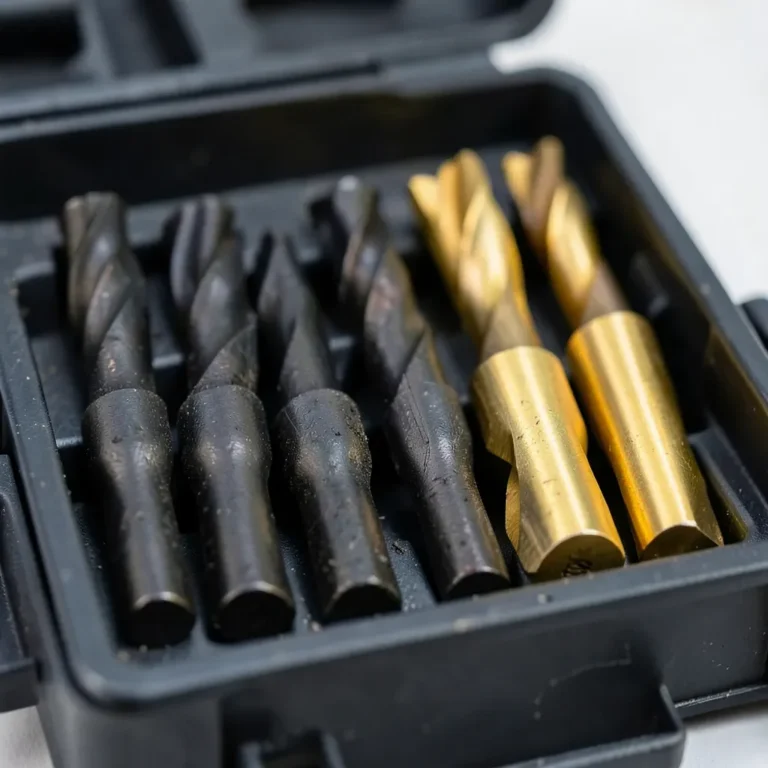
A step bit (also called a unibit or cone bit) is a single cone-shaped drill bit with stacked, stair-stepped diameters instead of one fixed size. Each step drills a different hole diameter, so one bit replaces a whole set of twist bits for sheet metal, electrical boxes, and thin plastic. A quality step bit typically costs $25 to $75, which is exactly why sharpening one instead of replacing it is usually the better math.
Common Uses and Applications
Electricians rely on step bits to punch clean holes in electrical panels and junction boxes without deforming thin steel. Plumbers use them on pipe hangers and brackets. DIYers reach for them on car panels, HVAC ductwork, and acrylic sheet, since the tapered shape resists grabbing and tearing softer plastics the way a twist bit does.
Tools You Need to Sharpen a Step Bit
Sharpening a step bit doesn’t require a full metal shop. A bench grinder with a fine-grit wheel gets the job done fastest, but a diamond file or a cone-shaped grinding bit on a rotary tool works just as well for touch-ups between full sharpenings.
Essential Tools
- A bench grinder with a fine-grit wheel, for a full resharpening
- A dual-grit diamond file or hone, for hand-sharpening and touch-ups
- A rotary tool with a cone-shaped grinding attachment (optional, for tight spots)
- A permanent marker to track which steps you’ve already ground
- Cutting oil or a cup of water to keep the tip cool
- A vise or locking clamp to hold the bit steady
Best Step Bit Sharpening Pick
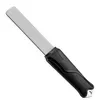 |
SHARPAL 121N Dual-Grit Diamond Sharpening File – $21.99 Coarse 325 / extra-fine 1200 grit on one flat file — matches the coarse-then-fine pass this guide’s hand-sharpening method uses on a step bit’s flute face.
|
Safety Gear
- Safety glasses or a face shield — grinding throws metal fragments
- Leather work gloves to protect against sparks and sharp edges
- Hearing protection if you’re running a bench grinder for more than a minute or two
- A dust mask so you’re not breathing in fine metal particles
How to Sharpen a Step Bit With a Bench Grinder
A bench grinder is the fastest way to fully restore a dull or lightly worn step bit. The key is grinding the right surface — the flat face inside each step’s notch, not the rounded outer edge.
- Clamp and mark: Secure the step bit in a vise or hold it firmly, then mark the dull spot on each step with a permanent marker so you can track your progress.
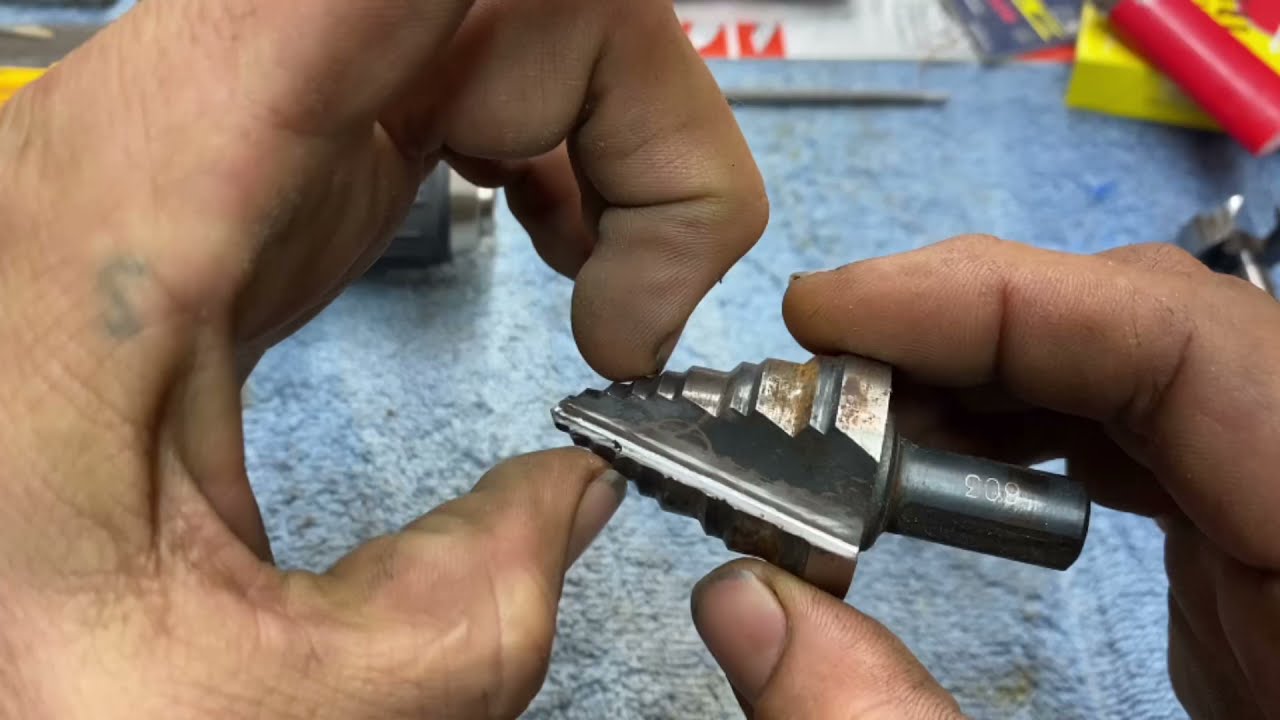
- Find the flute face, not the step edge: Locate the flat vertical face inside the notch of each step — this is the surface that actually cuts. Grinding the rounded outer edge of the step does nothing for sharpness.
- Set the 45-degree angle: Hold the bit so the flute face meets the wheel at roughly 45 degrees, matching the bit’s original grind angle.
- Grind in short, light passes: Touch the face to the wheel for one to two seconds at a time, working the same angle on every step in order.
- Cool it between passes: Dip the tip in water or cutting oil whenever it gets warm to the touch — overheating draws the temper and dulls the edge again almost immediately.
- Deburr and test: Wipe the bit clean, knock off any burr with a light file pass, and test it on scrap metal before returning it to your kit.
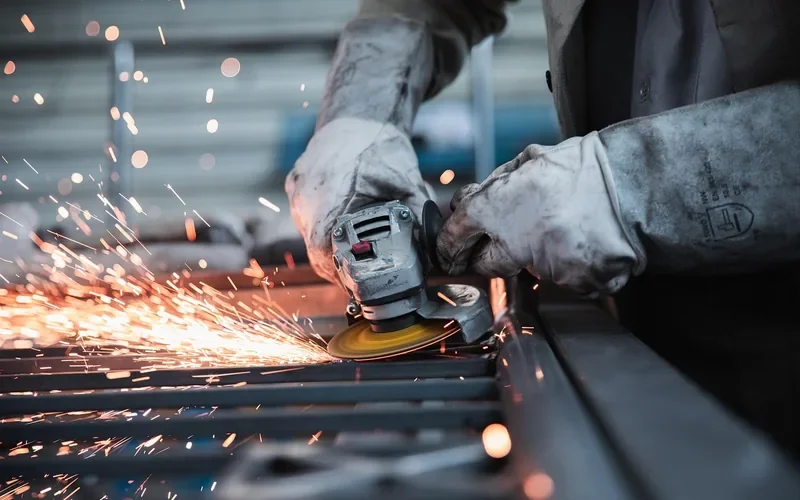
How to Sharpen a Step Bit With a Diamond File or Dremel (No Bench Grinder Needed)
For a cordless or on-the-job touch-up, a dual-grit diamond file works the same flute face by hand — start on the coarse side to reset the edge, then finish on the fine side to remove the burr. A rotary tool with a small cone-shaped grinding bit reaches the same notch; keep the wheel spinning outward, away from the edge, so it doesn’t chip the step.
The Right Angle for Sharpening a Step Bit
Most guides stop at “45 degrees” and leave out where that angle actually applies. The 45-degree angle is measured between the grinding surface and the flute’s flat face — not the bit’s shaft, and not the outer curve of the step. Grinding the wrong surface at the right angle still won’t restore a cutting edge, which is the single most common reason a “freshly sharpened” step bit still won’t bite.
📊 A quality step bit typically runs $25 to $75 new — Source: House Digest, 2026
How to Keep a Step Bit Sharp Longer
- Run it at low drill speed — heat builds faster at high RPM and dulls the edge quicker
- Use cutting oil (or dip in water) on metal — a dry cut generates more friction heat than a lubricated one
- Back the bit out to clear chips every few seconds instead of pushing straight through
- Store it separate from other bits — loose bits rattling around in a drawer chip the fine edge
Signs It’s Time to Sharpen (or Replace) a Step Bit
A step bit needs sharpening when it starts leaving rough, burred holes, requires noticeably more pressure to feed, or squeals and smokes at normal drill speed. If the edge is chipped rather than just dull, or if two or more steps are undersized from repeated grinding, sharpening won’t fully restore it — at that point, a $25 to $75 replacement is cheaper than the shop time.
Common Mistakes When Sharpening a Step Bit
- Grinding the outer step edge instead of the flute’s flat face
- Skipping the angle check and eyeballing 45 degrees freehand
- Grinding too long in one pass and overheating the tip — blue-tinted steel means it’s already lost its temper
- Using a coarse wheel or file for the whole job instead of finishing on a fine grit
- Sharpening a bit that’s actually chipped, not dull — a chip needs a full re-grind of that step, not a touch-up
Frequently Asked Questions
How do you sharpen a step bit?
Clamp the bit, then grind the flat face inside each step’s notch at roughly 45 degrees using a bench grinder, diamond file, or a cone-shaped rotary tool bit. Work each step in the same order, cool the tip between passes, and deburr before testing on scrap metal.
Can you sharpen a step bit with a Dremel?
Yes. Use a cone-shaped grinding bit on the rotary tool and work the smaller of the two faces inside the notch, keeping the wheel spinning outward away from the edge so it doesn’t chip the step.
What angle do you sharpen a step drill bit at?
About 45 degrees, measured between the grinding surface and the flute’s flat face — not the shaft and not the rounded outer edge of the step. Matching the bit’s original grind angle matters more than hitting exactly 45.00 degrees.
How often should you sharpen a step bit?
Sharpen it as soon as holes start coming out rough or the bit needs extra pressure to feed — for occasional DIY use that’s often every few dozen holes; for daily trade use it can be weekly.
Is it worth sharpening a step bit, or should you buy a new one?
Sharpening usually wins, since a full step bit runs $25 to $75 new. Once a step is chipped rather than dull, or several sizes have been ground down enough to throw off hole diameter, replacing it is the cheaper option.
Can you use a file to sharpen a step bit?
Yes — a fine, flat diamond file works well for touch-ups between full grinder sharpenings. Secure the bit in a vise and file the flute’s flat face at a consistent angle, checking often so you don’t remove more material than needed.
For related drilling topics, see our drilling guides, including how to swap a bit on a DEWALT drill and how to change a bit on a Black+Decker drill.
If you’re choosing between drill types for metal work, our guide on the difference between an impact and a hammer drill covers which one handles a step bit best, and our tools and saws guide rounds out the rest of a basic metal-and-wood shop kit.
Conclusion
Sharpening a step bit comes down to hitting the right spot — the flute’s flat face, not the step’s outer edge — at roughly 45 degrees, then keeping the tip cool while you work. A bench grinder gets it done in minutes; a diamond file handles touch-ups anywhere. Once a step chips or several sizes are ground undersized, a $25 to $75 replacement is the more practical fix.
Sponsored / affiliate links. As an Amazon Associate I earn from qualifying purchases. I may earn additional commission from eligible campaigns.