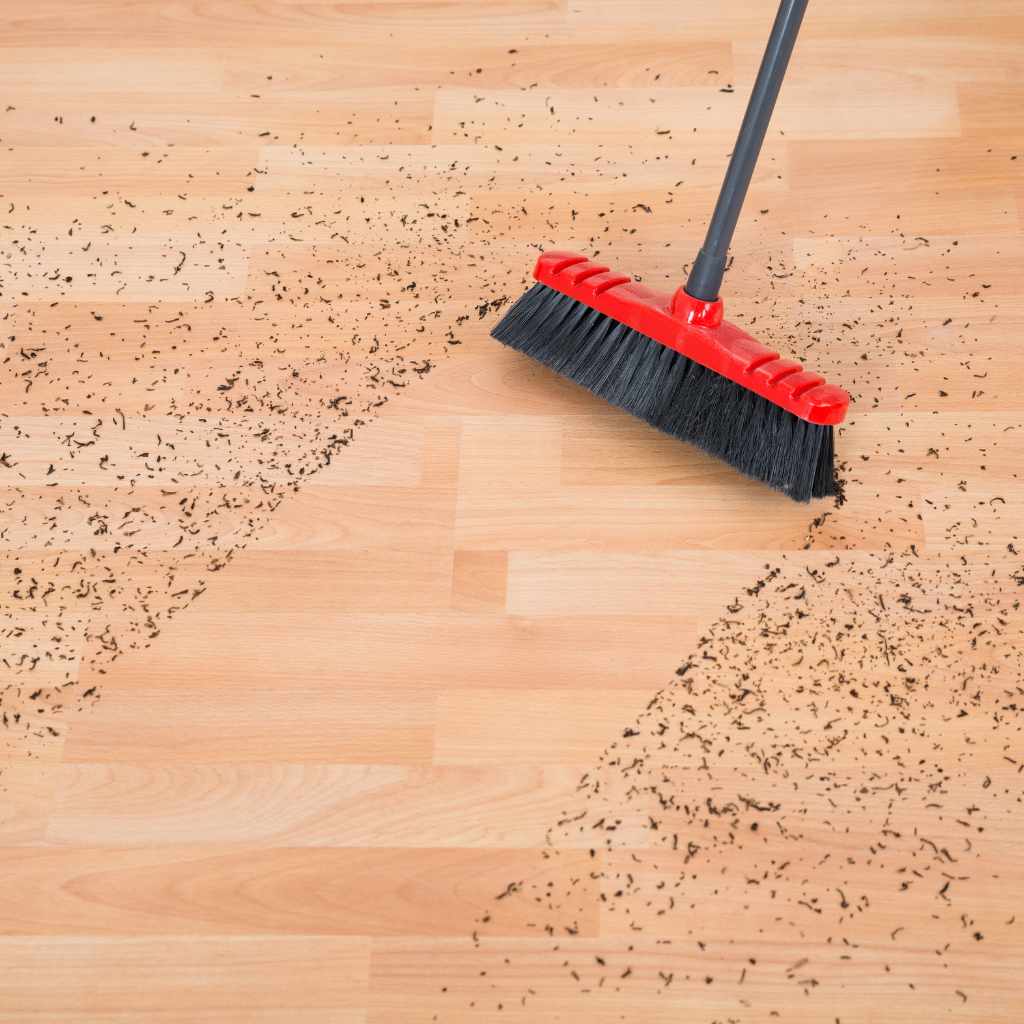
How to Wash Hardwood Floors the Right Way: A Simple Guide
Cleaning hardwood floors can seem tricky if you’ve never done it before. Many people find it tough to keep their floors clean and shiny without damaging them. Don’t worry, though! Maintaining your floors doesn’t have to be hard. This guide explains How to Wash Hardwood Floors the Right Way with easy-to-follow steps. Let’s get started, and we’ll have your floors looking great in no time!
The Basics of Maintaining Hardwood Flooring
Taking care of hardwood floors involves more than just a quick sweep. The type of wood, the finish applied, and the amount of foot traffic all matter when cleaning. Some cleaning products can damage the finish, and using too much water can lead to problems. Proper maintenance ensures that your floors look great for years. Knowing the right techniques prevents costly repairs and helps your home look its best. Following these guidelines helps you maintain their natural beauty.
Knowing Your Wood: Identify Your Floor Type
Before you begin cleaning, it’s vital to know the type of hardwood floors you have. Different types need different care. Solid hardwood floors are made from a single piece of wood, while engineered hardwood has layers. Solid wood is more susceptible to water damage, so you must be very careful when washing it. Engineered wood is more resistant, but you should still avoid excess water. The finish, like polyurethane or oil, also matters. Check with the manufacturer to confirm what works best for your specific floor.
Solid Hardwood: Made from a single piece of wood, offering a classic look. However, it’s more sensitive to moisture and needs careful cleaning.
Solid hardwood floors offer a traditional aesthetic. They often have a long lifespan when properly maintained. Because of their construction, water can penetrate the wood, causing warping or damage. Therefore, you must use less water when cleaning.
Engineered Hardwood: Constructed with multiple layers of wood, providing more stability and water resistance.
Engineered hardwood is a smart choice for areas with moisture. Its multi-layer design helps prevent warping and shrinking. Always use the recommended cleaning products, and you will extend the life of your floors.
Unfinished Wood: Requires a protective finish before cleaning.
Unfinished wood requires the application of a sealant or finish before cleaning. This protects the wood from moisture and daily wear. Before cleaning, check that the finish is intact to prevent damage.
The Importance of the Right Cleaning Products
Selecting the right cleaning products is key to maintaining hardwood floors. Harsh chemicals can damage the finish, making the floor look dull or even causing it to peel. Look for pH-neutral cleaners specifically designed for hardwood floors. These products are gentle enough to remove dirt and grime without harming the wood’s protective layers. Always test a new cleaner in a hidden area first to ensure it doesn’t cause any discoloration or damage. Using the correct cleaners will keep your floors looking new.
pH-Neutral Cleaners: Gentle formulas that won’t harm your floor’s finish.
These cleaners are safe to use regularly and will keep the wood’s protective layer intact. They’re designed to lift dirt and grime effectively without stripping the finish.
Avoid Harsh Chemicals: Stay away from ammonia, bleach, or acidic cleaners.
Harsh chemicals can damage the finish, making the floor look dull or cause it to peel. Avoid any cleaner with these ingredients. Also, never use abrasive cleaners, as they can scratch the surface.
Microfiber Mop: Use a microfiber mop to apply the cleaning solution.
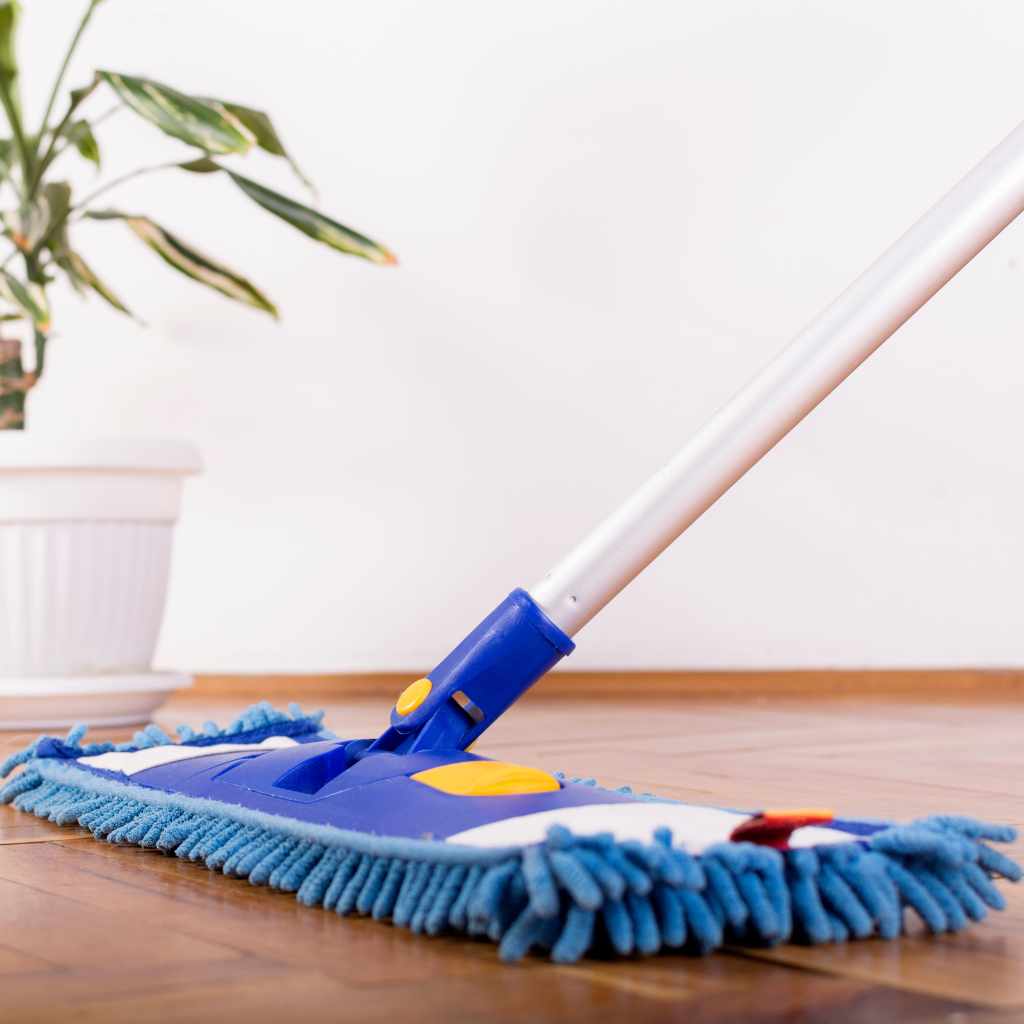
Microfiber mops are gentle and efficient. The fine fibers capture dirt and dust effectively. They also help to avoid excess water usage. Wash your mop head regularly.
Preparing Your Floors for Washing
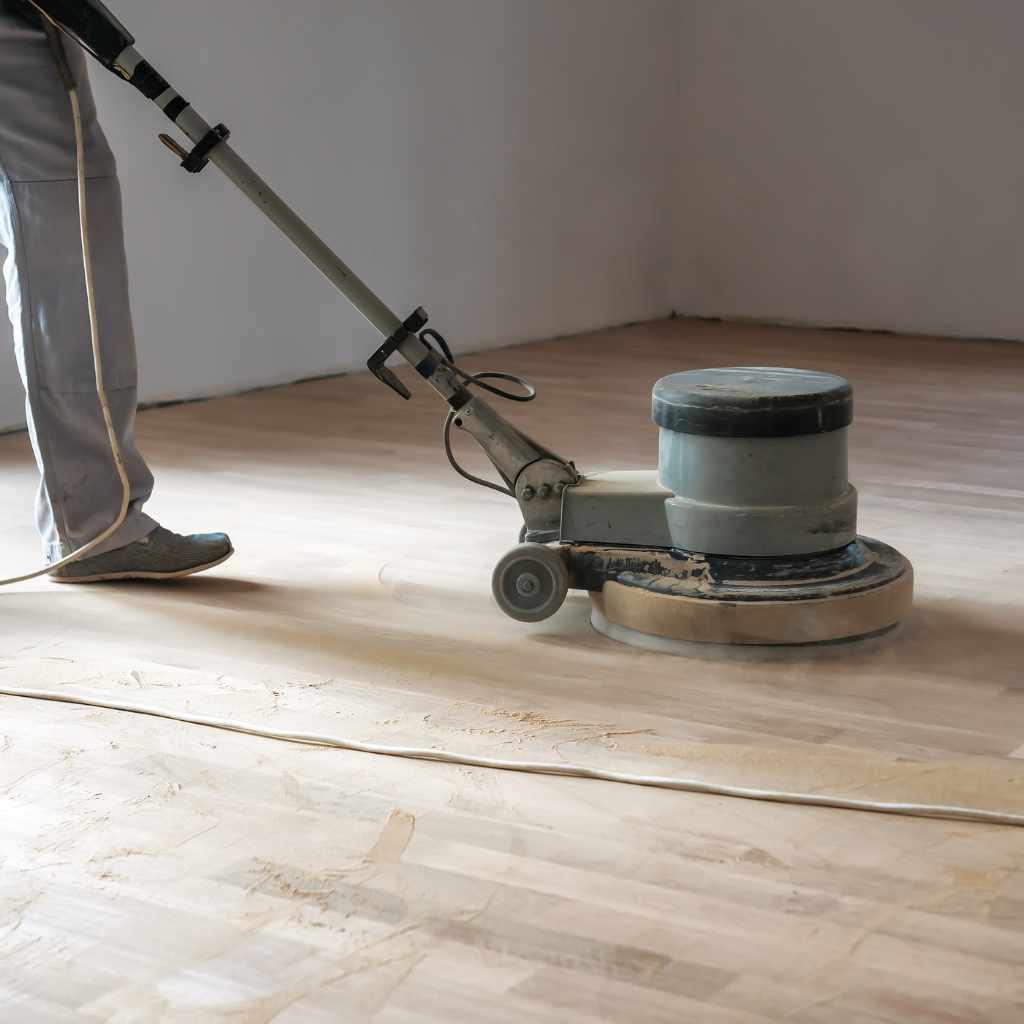
Preparing hardwood floors before washing is an important step. Sweeping or vacuuming removes loose dirt, dust, and debris that could scratch the floor’s surface during cleaning. Moving furniture and rugs also helps. Pre-cleaning makes the washing process more effective and helps to protect your floors. Taking this extra step will help make your floors shine.
Sweep or Vacuum Thoroughly
Before washing, sweep or vacuum your hardwood floors to get rid of dust and dirt. A broom can be used for this task, but a vacuum cleaner with a soft brush attachment is often more effective. This step stops scratches caused by grit and debris. Vacuum along the grain of the wood for the best results. A clean floor means you’ll have a better cleaning experience. Remove all loose particles before washing your floor.
Use a Soft Brush Attachment: Prevents scratching the floor.
The soft brush attachment on your vacuum is safe for hardwood floors. It helps you pick up debris without causing scratches.
Sweep with the Grain: Follow the direction of the wood grain.
Sweeping along the grain helps to lift dirt and dust more efficiently. This will result in a cleaner floor and make the washing process easier.
Pay Attention to Corners and Edges: Areas where dust and dirt accumulate.
Be sure to clean areas along baseboards and in corners. Dirt tends to gather in these places. Use a small brush or vacuum attachment to get these areas.
Clear the Area and Protect Furniture
Clear the area of furniture and rugs before washing. This makes it easier to clean the entire floor surface without obstruction. Protecting furniture is also a good idea. Consider placing furniture pads under the legs to prevent scratches. This preparation helps to protect your furniture from getting wet or damaged during the washing process. Make sure to keep any furniture out of the way for easy access.
Move Furniture: Remove all furniture from the area.
Remove furniture to access all parts of the floor for cleaning. This ensures you clean the entire surface thoroughly. It also prevents the risk of damaging your furniture with water or cleaning products.
Protect Furniture Legs: Use furniture pads to prevent scratches.
Furniture legs can scratch floors, especially when being moved. Furniture pads prevent scratches and protect the floor’s finish. They also make it easier to move furniture.
Remove Rugs and Mats: Rugs can trap dirt and moisture.
Rugs and mats can trap dirt and moisture. They can also prevent you from cleaning the floor under them. Removing them allows you to clean the entire surface, ensuring a consistent clean.
Washing Hardwood Floors Step by Step
The correct method is key when washing hardwood floors. Using too much water or the wrong products can cause damage. The step-by-step process below will make the process easier. Following these steps helps you clean the floors while protecting their condition. Keeping your floors clean and in good shape is easy with the correct approach.
Gather Your Supplies
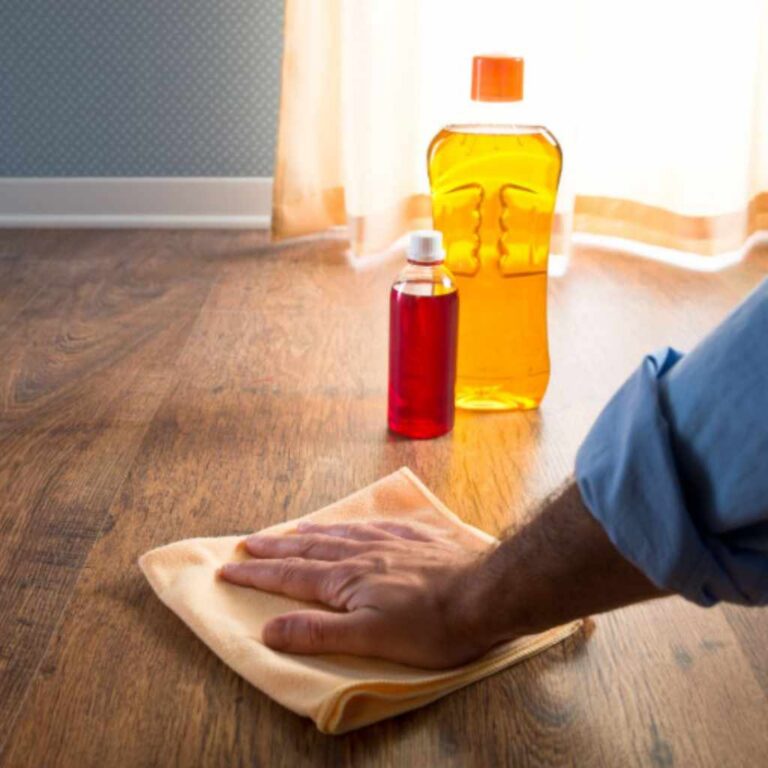
Gathering the right supplies makes the cleaning process easier. You’ll need a pH-neutral hardwood floor cleaner, a microfiber mop, two buckets (one for the cleaning solution and one for rinsing), and a soft cloth for any spills. Having everything ready saves time and ensures a smooth cleaning experience. This preparation ensures everything is on hand when you start washing your floors.
pH-Neutral Cleaner: Designed for hardwood floors.
Make sure you have the right cleaner for your floors. It will protect the finish while removing dirt and grime. Check the manufacturer’s directions for use.
Microfiber Mop: Gentle and effective for cleaning.
Microfiber mops are gentle and absorb water well. They also pick up dirt and dust effectively. Choose a mop with a replaceable head. Change your mop head frequently to get the best clean.
Two Buckets: One for the cleaning solution, one for rinsing.
Use two buckets for efficient cleaning. One holds the clean cleaning solution, and the other is for rinsing the mop head. This prevents you from putting dirty water back on your floor.
Soft Cloth: For spills and quick cleanups.
A soft cloth is useful for quick spill cleanups. This helps to prevent water from damaging your floors. Choose a cloth that won’t scratch the surface.
The Washing Procedure
The washing procedure is simple when you follow the right steps. Mix the cleaner with water in one bucket. Dip the microfiber mop head into the cleaning solution, and wring it out very well. Start washing the floors in sections, always working in the same direction as the wood grain. Rinse the mop head frequently in the second bucket to remove dirt. The goal is to clean your floors while protecting their condition.
Mix Cleaner with Water: Follow the product instructions.
Always mix the cleaner with water as directed on the label. Using the right concentration ensures the cleaner works effectively. Also, using too much cleaner can leave residue.
Wring Out the Mop: Ensure the mop is damp, not wet.
Squeeze out excess water from the mop. The mop should be damp, not dripping wet. Excess water can damage the floor. This also ensures there is minimal water on the floors.
Work in Sections: Clean in the direction of the wood grain.
Work in small sections for better results. This makes the process easier to control. Work in the same direction as the wood grain. This helps to lift dirt and gives the floor a more uniform look.
Rinse the Mop Head: Rinse the mop head in the second bucket frequently.
Frequently rinsing the mop head is important. Rinse it in the second bucket of clean water. This prevents you from spreading dirty water back on the floor. This guarantees you are getting the cleanest result.
Drying the Floor Properly
Drying your floors properly is the final step in the cleaning process. After washing, allow the floors to air dry completely. You can also use a dry microfiber mop to remove any excess moisture. Avoid walking on the floor until it’s completely dry to prevent footprints and marks. Proper drying is vital to keep your floors safe. Drying them correctly will help your floors maintain their shine.
Air Dry Completely: Allow the floor to dry naturally.
Let the floor air dry after washing. This typically takes around 30 minutes to an hour. Open windows and turn on fans to speed the drying process.
Use a Dry Microfiber Mop: Remove excess moisture.
If you need to speed up the drying process, use a dry microfiber mop. This will absorb any remaining moisture and help prevent water damage.
Avoid Walking on the Floor: Wait until the floor is completely dry.
Don’t walk on the floor until it is completely dry. Walking on a wet floor can leave footprints and marks. It also prevents the floor’s finish from drying evenly.
Ventilate the Area: Open windows and use fans for faster drying.
Ventilation helps speed up the drying process. Opening windows and using fans creates airflow. This will also help to prevent the buildup of moisture.
Preventive Measures for Hardwood Floors
Preventative steps are essential for hardwood floor care. Regular cleaning, using doormats, and protecting the floor from scratches will make a big difference in the long run. Good habits can also extend the lifespan of your floors. Using a few simple methods helps keep them looking new. These tips will help protect your investment.
Regular Cleaning and Maintenance
Regular cleaning is key for hardwood floors. Sweep or vacuum your floors at least once a week to remove dust and dirt. Clean spills right away to prevent stains. For high-traffic areas, you might need to clean more often. These simple steps protect your floors and prevent dirt from building up. Staying on top of cleaning will ensure your floors look their best.
Sweep or Vacuum Weekly: Remove dust and debris.
Regular sweeping or vacuuming prevents dirt and debris from scratching your floors. Make it a part of your weekly routine. This is the most effective way to care for your floors.
Clean Spills Immediately: Prevent stains and water damage.
Clean spills as soon as they happen. Blot them up with a soft cloth. This will prevent stains and water damage. Fast action saves your floor.
Avoid Standing Water: Mop up any excess water after cleaning.
Never let water sit on your floor for too long. Excessive water can damage the wood. If your mop leaves water, dry it immediately.
Deep Clean as Needed: Wash floors more often in high-traffic areas.
For high-traffic areas, you might need to clean more often. This prevents dirt from building up and causing wear. Adjust your cleaning routine to match your needs.
Protecting from Scratches and Damage
Protecting hardwood floors from scratches and damage involves several methods. Place doormats at entryways to trap dirt and grit before it reaches your floors. Use furniture pads under the legs of tables, chairs, and other furniture. Trim your pet’s nails regularly to stop them from scratching. Protecting the floors from these common hazards prevents damage and keeps them in good condition.
Use Doormats: Place doormats at entrances.
Place doormats at entrances to catch dirt and grit. This stops debris from being tracked onto your floors. This simple step can prevent many scratches.
Furniture Pads: Use furniture pads to prevent scratches.
Furniture pads are important. They will protect your floors from the legs of tables, chairs, and other items. They also make it easier to move furniture.
Trim Pet Nails: Prevent scratches from pets.
Trim your pet’s nails regularly. Long nails can easily scratch hardwood floors. Regular trimming will protect the finish of your floors.
Avoid High Heels: High heels can cause dents and scratches.
High heels can damage your floors. Ask guests to remove their shoes or to wear softer footwear. This simple precaution will help to protect your floors.
Humidity and Temperature Control
Controlling humidity and temperature is important for hardwood floors. Extreme temperature and humidity changes can make the wood expand or contract. Use a humidifier or dehumidifier to keep the humidity level between 35% and 55%. Keep the temperature consistent to help prevent warping, cracking, or gapping. Doing this will keep your floors in great condition. Taking these measures will protect the wood.
Maintain Consistent Humidity: Use a humidifier or dehumidifier.
Maintain the correct humidity levels in your home. Use a humidifier or dehumidifier to keep it between 35% and 55%. This helps prevent expansion and contraction.
Control Temperature: Keep the temperature stable.
Keep the temperature stable to avoid drastic changes that can impact your floors. Avoid rapid temperature fluctuations. This is especially true during the winter months.
Avoid Direct Sunlight: Use curtains or blinds.
Direct sunlight can fade and damage hardwood floors. Use curtains or blinds to block out the sun. This also helps to protect your floors.
Regular Inspections: Check for any issues regularly.
Perform regular inspections of your hardwood floors. Look for signs of damage. If you see something wrong, act promptly to fix it. This is key for your floors.
Advanced Cleaning Techniques
Some more advanced techniques may be necessary for special situations. Dealing with tough stains, knowing when to refinish your floors, and using specialized cleaning products can help. Knowing these methods will help you maintain your floors. Also, it ensures your floors look their best. Following these guidelines helps you maintain your floors.
Dealing with Stains and Marks
Dealing with stains and marks on hardwood floors involves using different methods. For minor stains, you can try cleaning with a damp cloth and mild cleaner. For tougher stains, you might need a specialized hardwood floor cleaner. Always test any cleaning agent in an unseen area first to ensure it won’t damage the finish. Taking the proper actions removes stains and protects your floors. Knowing how to handle stains helps maintain your floors.
Identify the Stain: Understand the stain type.
Find out what type of stain you are working with. This helps you select the right cleaning approach. Some stains need specific treatments to be removed.
Mild Cleaners for Minor Stains: Use a damp cloth and mild cleaner.
For minor stains, use a damp cloth and a mild hardwood floor cleaner. Gently wipe the affected area. This is a common solution for daily maintenance.
Specialized Cleaners: For tougher stains, use cleaners.
For stubborn stains, use a specialized hardwood floor cleaner. These are designed to target specific stain types. Always follow the product’s directions carefully.
Test in an Unseen Area: Test the cleaner first.
Before applying any cleaner, test it in an area that is not visible. This prevents damage. It also confirms the cleaner won’t damage the floor’s finish.
When to Refinish Your Floors
Knowing when to refinish your floors is important for their long-term care. If you see scratches, dents, or discoloration that cleaning won’t remove, refinishing might be necessary. Also, if the finish is worn or peeling, it’s a good idea to consider it. The refinishing process involves sanding down the existing finish and applying new coats of stain and sealant. Refinishing can restore your floors, making them look great again. Refinishing them will extend their life.
Scratches and Dents: When cleaning does not fix it.
If scratches and dents cannot be cleaned, refinishing may be needed. Deep scratches and dents can damage the wood. Refinishing can restore the appearance.
Discoloration: Refinishing can address sun damage.
Discoloration can be fixed with refinishing. This can be caused by sun damage or wear. Refinishing can make the floor look fresh.
Worn Finish: Refinishing is a good option.
If the finish is worn, refinishing is important. A worn finish is less protective. It is more susceptible to damage. This can revitalize the look of your floors.
Professional Assessment: Consider a professional.
Think about getting a professional to assess your floors. They can tell you the best solution. They can also provide a refinishing estimate.
Specialized Cleaning Products and Tools
Using specialized cleaning products and tools will enhance your results. These products, such as wood floor polish or stain removers, can help with specific problems. Using a steam cleaner is another choice. It can effectively clean without excessive water. For stubborn issues, consider specialized tools and products designed for hardwood floors. Using these tools and products helps maintain and restore their beauty.
Wood Floor Polish: For a shiny finish.
Wood floor polish can give your floors a shiny look. It can also add a protective layer. Always use the product as directed. This ensures an even finish.
Stain Removers: Remove stubborn marks.
Stain removers are designed for tough marks. These can effectively remove stains that basic cleaning can’t remove. Be sure to check it is safe for your floor.
Steam Cleaners: Steam cleaners can be used carefully.
Steam cleaners can deep clean. They release steam that can loosen dirt and grime. Check with the manufacturer to ensure it’s safe for your floor.
Professional-Grade Cleaners: Consider stronger cleaners.
For hard-to-clean areas, professional-grade cleaners can be a choice. These are generally stronger and can tackle dirt. Consider getting professional help.
Frequently Asked Questions
Question: How often should I wash my hardwood floors?
Answer: It depends on how much foot traffic your floors get. In high-traffic areas, you might wash them once a week or every two weeks. For areas that get less use, washing them once a month is often enough.
Question: Can I use a steam cleaner on my hardwood floors?
Answer: It depends. Some steam cleaners are safe for hardwood floors, but not all of them. Check the manufacturer’s instructions. It is also important not to use too much steam, as excess moisture can damage the wood. Always use it on a low setting and not in one place too long.
Question: What’s the best cleaner for hardwood floors?
Answer: Choose a pH-neutral cleaner made for hardwood floors. These cleaners are gentle and won’t harm the finish. Always avoid harsh chemicals, such as bleach or ammonia.
Question: How do I remove scratches from my hardwood floors?
Answer: For light scratches, try using a wood filler or a matching stain marker. For deeper scratches, you may need to sand and refinish the area. If you’re not sure, consider getting help from a professional.
Question: What should I do if water spills on my hardwood floors?
Answer: Clean up spills right away to stop water damage. Use a soft cloth to blot up the water. Make sure the area dries completely. If water sits on the floor for too long, it can cause problems.
Final Thoughts
How to Wash Hardwood Floors the Right Way is easy when you follow these steps. Remember, the key is using the right supplies, preparing your floors well, and washing them correctly. Clean with a pH-neutral cleaner, and always wipe up spills right away. Regular sweeping, vacuuming, and cleaning will keep your floors looking new. Plus, preventing scratches and protecting your floors helps keep them in good condition for years. Following the steps described will make maintaining your floors simple. By taking these actions, you can enjoy your beautiful hardwood floors for a long time.