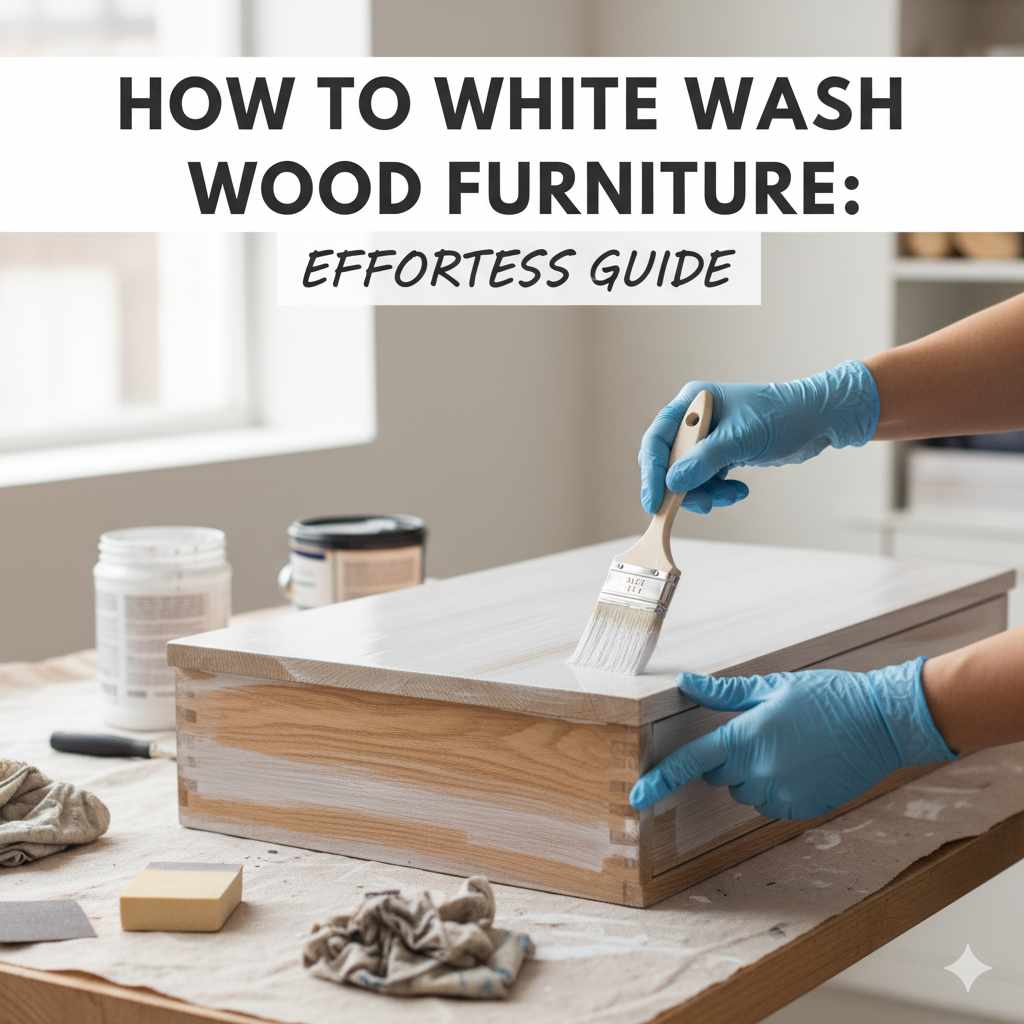
How To White Wash Wood Furniture: Effortless Guide
White washing wood furniture is a simple DIY technique to achieve a light, airy, and rustic look. This effortless guide provides step-by-step instructions using basic materials, perfect for beginners to transform their furniture beautifully. You’ll learn everything from preparing your piece to achieving that perfect, subtle whitened finish.
Hello DIY friends! Md Meraj here. Have you ever looked at a piece of wooden furniture and thought, “This could be so much brighter and more welcoming?” Perhaps you’ve seen those gorgeous, softly whitened pieces in magazines or online and felt a pang of longing, thinking it’s a skill reserved for seasoned pros. Well, I’m here to tell you that white washing wood furniture is easier than you think! It’s a fantastic way to bring a touch of farmhouse charm, coastal vibes, or a clean, modern aesthetic to any room. Forget complicated techniques; this guide is designed for you, the beginner, to achieve stunning results with confidence. Ready to give your furniture a beautiful, breezy makeover? Let’s get started!
Why White Wash Your Furniture?
White washing is a popular finishing technique for wood because it enhances natural wood grain while softening its color. It offers a versatile look that can range from subtly beachy to a more opaque, rustic finish, depending on how it’s applied. The primary benefits include:
- Aesthetic Appeal: It lightens the wood, making spaces feel larger and brighter. The softened, slightly distressed look adds character and warmth.
- Versatility: It works beautifully on various wood types and styles, from vintage dressers and farmhouse tables to modern side tables and shelves.
- Hiding Imperfections: For older pieces with minor blemishes, a white wash can gently camouflage small flaws without covering the entire wood grain.
- Customization: You can control the opacity and intensity of the white wash, tailoring it precisely to your décor preferences.
- Cost-Effective: It’s generally less expensive than other complex wood finishing techniques and often uses readily available materials.
Understanding White Washing: The Basics
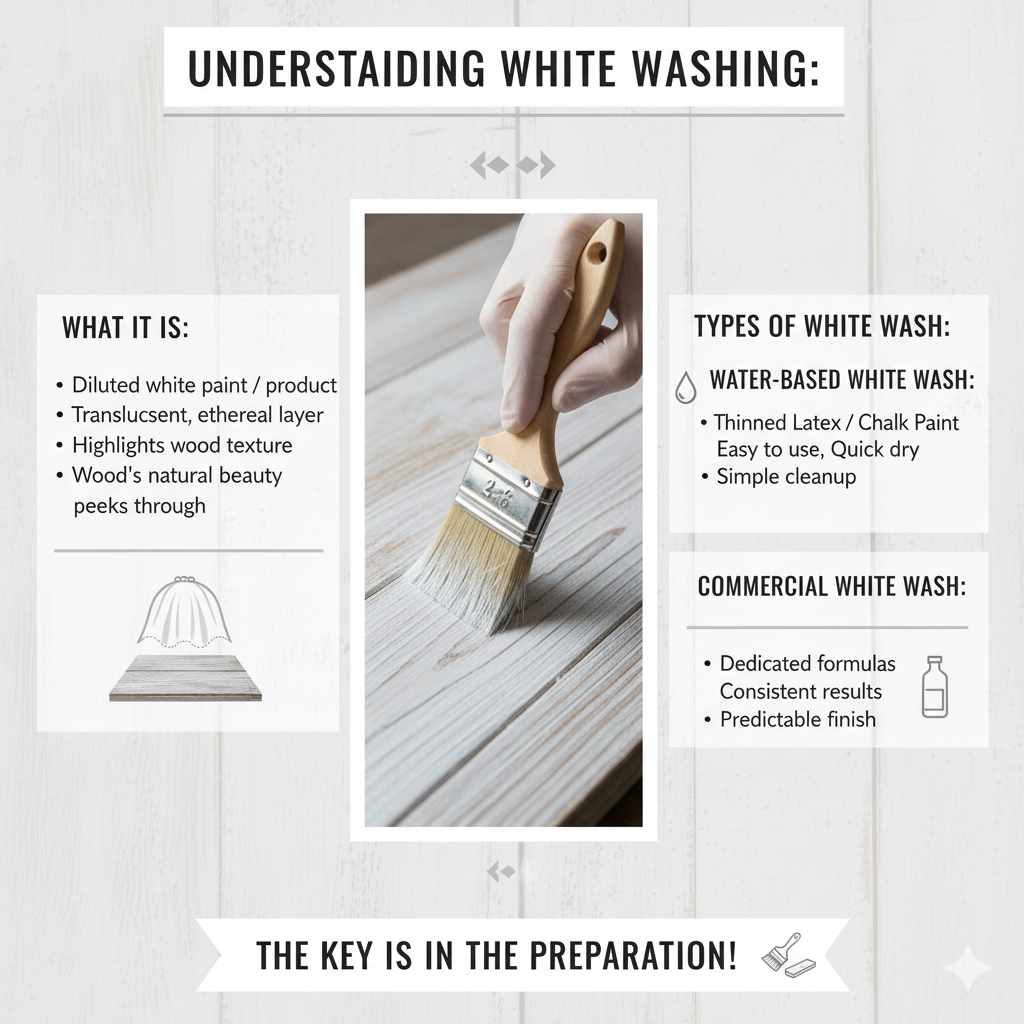
At its core, white washing is a technique that applies a diluted white paint or a specially formulated white washing product to wood. The goal isn’t to cover the wood completely but to create a translucent, ethereal layer that highlights the wood’s texture and grain. Think of it as a veil of white, allowing the wood’s natural beauty to peek through. This approach differentiates it from simply painting wood, where the grain is often obscured.
There are two main types of white wash you’ll likely encounter:
- Water-Based White Wash: This is typically achieved by thinning down latex or chalk paint with water. It’s easy to use, quick to dry, and simple to clean up.
- Commercial White Wash Products: Many brands offer dedicated white wash finishes. These are formulated specifically for this technique and often provide a consistent, predictable result.
The key to a successful white wash lies in the preparation and the application process. We’ll break down each step to make it as simple as possible.
What You’ll Need: Your White Washing Toolkit
Before we dive into the steps, let’s gather our supplies. Having everything ready will make the process smooth and enjoyable. Here’s a list of essentials:
Materials:
- Wood Furniture Piece: The star of our show!
- White Wash Product: Either thinable white paint (latex or chalk paint) or a dedicated white wash product.
- Water: For thinning paint if you’re not using a commercial wash.
- Sandpaper: Grit options like 120-grit for rougher spots and 220-grit for smoothing.
- Tack Cloth or Damp Rag: For removing dust.
- Rags or Foam Brushes: For application.
- Gloves: To protect your hands.
- Optional: Wood Sealer/Topcoat: A clear polycrylic or wax for durability.
- Optional: Painter’s Tape: For protecting areas you don’t want to white wash.
Tools:
- Screwdriver or Wrench: For removing hardware like knobs or hinges.
- Dust Mask: Especially important when sanding.
- Drop Cloth or Old Newspapers: To protect your work area.
- Small Mixing Container & Stir Stick: If thinning paint.
Step-by-Step Guide: How to White Wash Wood Furniture
Let’s get our hands dirty (but not too dirty, thanks to gloves!) and transform that piece of furniture.
Step 1: Clean and Prepare Your Furniture
This is a crucial first step for any furniture refinishing project. A clean surface ensures the white wash adheres properly and looks its best. Even if your piece looks dust-free, give it a thorough cleaning.
- Wipe Down: Use a mild detergent solution and a damp cloth to clean off any dirt, grime, or grease. Rinse with a clean, damp cloth and allow it to dry completely.
- Remove Hardware: Take off any knobs, handles, hinges, or other hardware. This will give you a cleaner finish and make the application easier. Keep them in a safe place so you don’t lose them!
Step 2: Sand the Surface
Sanding is essential for creating a surface that the white wash can adhere to. It also helps to smooth out any rough spots and can remove old, flaky finishes.
- Start with Moderate Grit: If your furniture has a glossy finish or minor imperfections, start with 120-grit sandpaper. Sand with the grain of the wood. Don’t worry about removing all the old finish unless it’s peeling badly; we just need to rough it up a bit.
- Smooth with Finer Grit: Once you’ve gone over the piece with 120-grit, follow up with 220-grit sandpaper. This will create a smoother surface without making it too slick. The smoother the surface, the better the white wash will look.
- Dust Removal: After sanding, use a tack cloth or a slightly damp rag to wipe away all the dust. This is vital; any remaining dust will interfere with the finish. Make sure the piece is completely dry before moving on. A good resource for understanding sanding grits can be found on sites like Woodworker’s Journal, which offers in-depth guides on best practices.
Step 3: Mix Your White Wash (If Using Paint)
If you’re using a regular white paint (like latex or chalk paint), you’ll need to dilute it. The ratio of paint to water determines the opacity of your white wash. For beginners choosing a softer look, a good starting point is:
- Ratio: Mix 1 part white paint with 1 to 2 parts water.
- Experiment: It’s best to test your mixture on a scrap piece of wood or an inconspicuous area of the furniture to see if you like the transparency. You can always add more water for a lighter wash or more paint for a more opaque finish.
- Stir Well: Ensure the paint and water are thoroughly combined.
If you’re using a commercial white wash product, follow the manufacturer’s instructions. They are usually ready to use or require minimal mixing.
Step 4: Apply the White Wash
Now for the fun part! Apply the white wash evenly over the surface you want to treat. Work in small sections, especially if you’re using a water-based mixture, as it can dry quickly.
- Application Method: You can use a rag, a foam brush, or a bristle brush. For a more natural, streaky look, a rag can be excellent. For more control, a foam brush is a good choice.
- Work with the Grain: Always brush or wipe in the direction of the wood grain. This helps achieve that natural, softened look.
- Even Coating: Apply a thin, even coat to start. Don’t try to apply too much at once, as this can lead to an overly opaque or splotchy finish.
Step 5: Wipe Off Excess for the Desired Look
This step is where you control the intensity of your white wash. The key is to wipe away some of the wet white wash before it dries completely, revealing the wood grain underneath.
- Timing is Key: Wait a few minutes after applying the white wash to a section. The exact time will depend on your mixture and your room’s humidity, but typically 5-15 minutes is a good range. You want it to start to set but still be wet enough to wipe off easily.
- Wipe Away: Use a clean, dry rag to gently wipe off the excess white wash. Again, wipe with the grain. You can use a less damp (almost dry) rag for more subtle removal, or a slightly more damp rag for more aggressive removal.
- Build Layers: For a more pronounced white wash effect, you can let the first layer dry and then apply a second coat, repeating the wiping process.
- Detail Areas: For more intricate areas or corners, you might use a smaller brush or cotton swabs to remove excess white wash.
Step 6: Let it Dry Completely
Patience is a virtue! Allow the white washed furniture piece to dry thoroughly, typically for several hours, or as recommended by the product manufacturer.
- Check Dryness: Ensure it’s completely dry to the touch before moving to the next step or handling it extensively.
- Ventilation: Work in a well-ventilated area to speed up drying and for your safety.
Step 7: Apply a Topcoat (Optional but Recommended)
While not strictly necessary for all white wash applications, applying a clear topcoat (sealer) will protect your finish, make it more durable, and easier to clean. This is especially important for furniture that will see a lot of use, like tabletops or chairs.
- Choose Your Sealer: Water-based polycrylic or a clear wax are excellent choices. Polycrylic provides durable protection and is available in matte or satin finishes. Wax offers a softer, more traditional feel.
- Application: Apply thin, even coats of your chosen sealer, following the manufacturer’s instructions. Usually, 2-3 thin coats are sufficient.
- Light Sanding Between Coats: For an ultra-smooth finish, lightly sand with very fine grit sandpaper (like 320-grit or higher) between coats of polycrylic, and wipe with a tack cloth before applying the next coat.
Step 8: Reattach Hardware and Enjoy!
Once the topcoat is fully cured (this might take a few days to a week depending on the product), you can reattach any hardware you removed earlier. Stand back and admire your beautifully transformed furniture!
White Washing vs. Liming Wax: What’s the Difference?
While both white washing and liming wax can give wood a similar light, textured look, they achieve it through different means and offer slightly different results. Understanding these differences can help you choose the right technique for your project. Here’s a breakdown:
| Feature | White Washing | Liming Wax |
|---|---|---|
| Method | Applying diluted white paint or a white wash product that is partially wiped off. | Applying a wax-based product that is designed to fill the wood grain with white pigment. |
| Opacity Control | Easily controlled by the paint-to-water ratio and the amount of product wiped off. Can achieve varying degrees of coverage. | Less control over overall opacity; primarily defines the wood grain. The finish is more consistently transparent over the surface. |
| Application | Can be applied with brushes, rags, or foam applicators. Requires wiping off excess while wet. | Usually applied with a clean rag, working it into the grain, and then buffing off the excess once it has set slightly. |
| Durability | Requires a topcoat (like polycrylic or wax) for significant durability, especially on high-traffic surfaces. | Wax itself offers some protection, but often a clear wax topcoat is recommended for added longevity, especially for tabletops. |
| Look & Feel | Can achieve a softer, more blended, or even opaque look depending on application. Good at masking minor imperfections. | Primarily accentuates the wood grain with a distinct white highlight within the pores. Gives a more “limed” or pickled effect. |
| Best For | General furniture updates, achieving a rustic or coastal look, softening wood tones. Versatile for many applications. | Highlighting prominent wood grain (like oak, ash), achieving a specific antique or pickled appearance. |
For beginners, white washing often feels more forgiving because you can more easily adjust the intensity. Liming wax, while effective, can sometimes feel a bit trickier to apply evenly and achieve the right level of grain accentuation without practice.
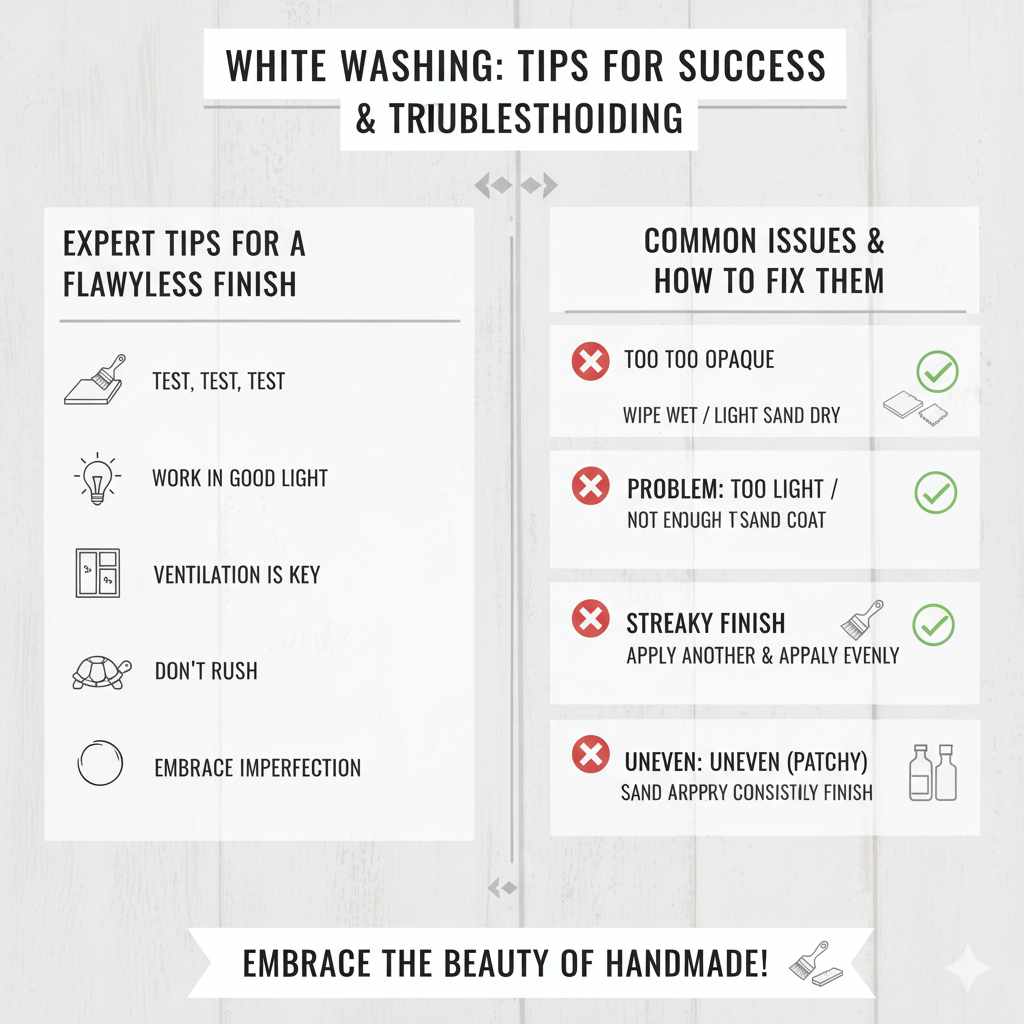
Tips for Success and Troubleshooting
Even with a straightforward process, a few tips can help ensure your white washing project goes off without a hitch.
Expert Tips for a Flawless Finish:
- Test, Test, Test: Always test your white wash mixture and application technique on a scrap piece of wood or an inconspicuous area of the furniture first. This is your best friend for avoiding mistakes.
- Work in Good Light: Proper lighting will help you see streaks, ensure even application, and gauge the color accurately.
- Ventilation is Key: Ensure your workspace is well-ventilated, especially when sanding or using any finishes or sealers. This is good practice for your health and safety. The Occupational Safety and Health Administration (OSHA) provides excellent resources for DIY safety.
- Don’t Rush: Take your time, especially during the wiping phase. The process of removing excess product is what creates the character.
- Embrace Imperfection: White washing is meant to look slightly imperfect and artisanal. Don’t strive for machine-perfect coverage; the beauty is in the subtle variations.
Common Issues and How to Fix Them:
Problem: White Wash is Too Opaque, Covering Too Much Grain
Solution: If it’s still wet, use a clean, damp rag to wipe off more of the white wash. If it’s already dry, you can try lightly sanding the area with fine-grit sandpaper (220-grit or higher) and then wiping again to remove more pigment. For a more drastic fix, you might need to re-wet certain areas and wipe aggressively or even wash it off and start again with a thinner mixture.
Problem: White Wash is Too Light or Not Showing Enough
Solution: If it’s still wet, apply another thin coat of your white wash mixture over the area. If it’s dry, you can simply apply another thin coat and repeat the wiping process. You can also try using a slightly less diluted mixture or wiping off less product on the second coat.
Problem: Streaky Finish
Solution: Streaks often happen if the white wash dries too quickly or if you’re not wiping evenly. If it’s still wet, try to blend the streaks with a clean, slightly damp rag. If it’s dry, a light sanding with fine-grit sandpaper might help even out the finish, followed by another thin coat and wiping. Ensuring you work with the grain throughout the entire process is crucial for preventing streaks.
Problem: White Wash Application is Uneven (Patchy)
Solution: This usually occurs from uneven application or inconsistent drying/wiping times. Once dry, you can try to smooth out the patchiness by lightly sanding the area and then reapplying a thin coat, being careful to wipe consistently across the entire surface. Using painter’s tape around edges can help maintain clean lines if you’re only white washing parts of the furniture.
Frequently Asked Questions (FAQ)
Here are some common questions beginners have about white washing wood furniture:
Q1: Do I need to prime the wood before white washing?
A1: For most projects, priming isn’t necessary, especially if you’ve properly cleaned and lightly sanded the wood. However, if you’re working with a very dark or stained wood and want to ensure a bright white base, or if you’re concerned about tannins bleeding through (common in woods like oak or cedar), a thin coat of a good quality primer could be beneficial. Always test your primer on an inconspicuous spot first.