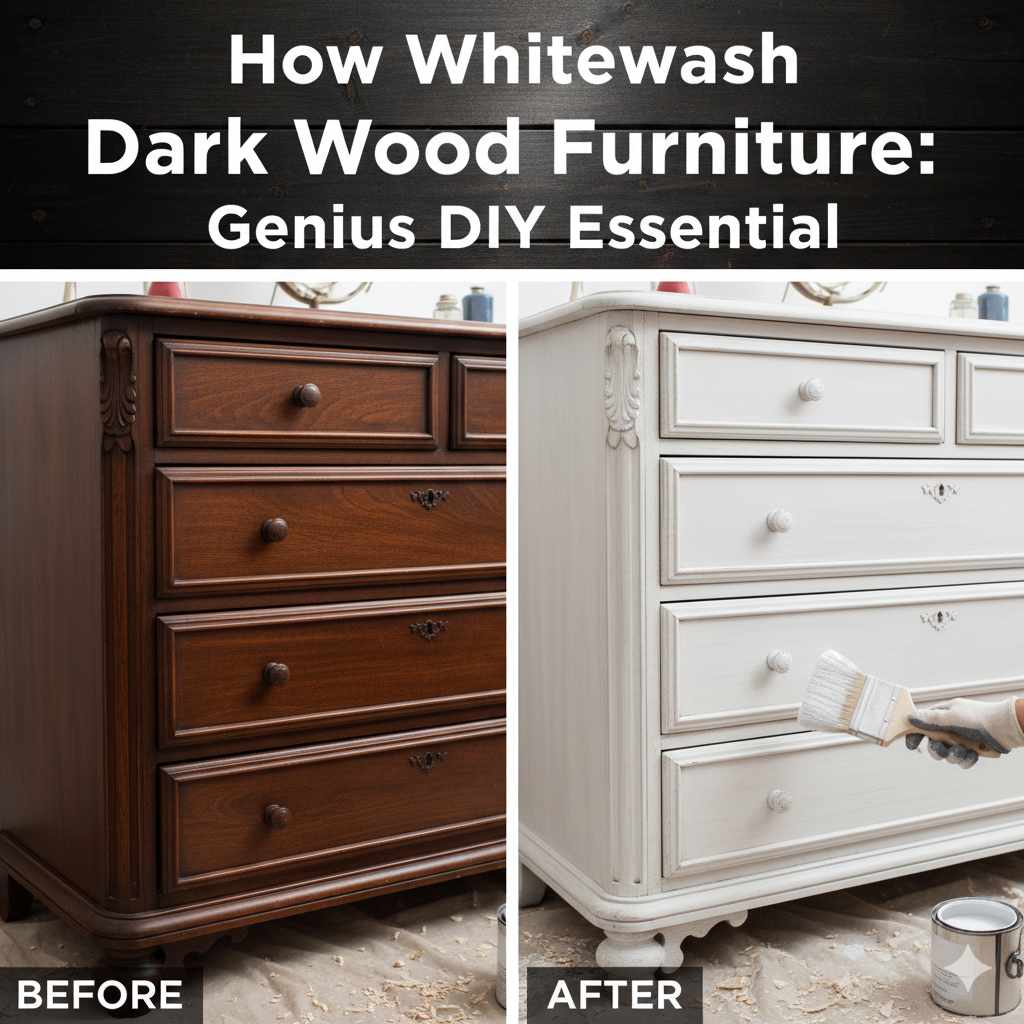
How to Whitewash Dark Wood Furniture: Genius DIY Essential
Cleverly transform dark wood furniture with a DIY whitewash! This guide details simple steps to lighten and refresh your pieces, adding a charming, rustic look easily. Achieve stunning results with basic materials and clear instructions, perfect for beginners updating their home decor.
Have you ever looked at a beautiful, dark wood furniture piece and wished it had a lighter, airier feel? Maybe that antique dresser or sturdy dining table feels too heavy for your room’s aesthetic. Dark wood can be gorgeous, but sometimes it can make a space feel dim. The good news is, you don’t need to replace it or be a master craftsman to give it a whole new life. Whitewashing is a fantastic technique that can beautifully lighten dark wood, revealing some of its natural grain while imparting a soft, aged look. It’s a project that’s surprisingly achievable, even if you’re just starting out with DIY furniture updates. We’ll walk through everything you need to know, step-by-step, to achieve a professional-looking finish right in your own home.
The Magic of Whitewashing: Why It’s a DIY Essential
Whitewashing is a finishing technique that applies a thin, translucent layer of white paint or stain. Unlike solid paint, it allows the wood grain and texture to show through, creating a soft, weathered, and inviting appearance. It’s a favorite among interior designers and DIYers alike for its ability to:
- Lighten and Brighten: Instantly makes dark, heavy furniture feel lighter and more fitting for contemporary or shabby-chic styles.
- Reveal Natural Beauty: Enhances the wood’s texture and grain, adding character rather than covering it up.
- Versatile Style: Works beautifully on various furniture types, from rustic farm tables to elegant bedroom sets.
- Affordable Transformation: It’s a budget-friendly way to update pieces that are structurally sound but stylistically outdated.
- Beginner-Friendly: The forgiving nature of whitewash means minor imperfections are part of the charm.
If you’ve been looking for a way to update your home without breaking the bank or tackling complex woodworking, learning how to whitewash dark wood furniture is a game-changer. It’s a project that offers high impact for relatively low effort.
Gather Your Essential Tools and Supplies
Before we dive into the step-by-step process, let’s make sure you have everything you need. Having your supplies ready makes the project flow smoothly and prevents interruptions. We’ll focus on using readily available materials that offer excellent results.
What You’ll Need:
- Dark Wood Furniture Piece: Ensure it’s clean and structurally sound.
- TSP Cleaner (Trisodium Phosphate) or a good degreaser: For thorough cleaning. You can find this at most hardware stores.
- Sanding Sponges or Sandpaper: Medium-grit (120-150) and fine-grit (220).
- Tack Cloth or Microfiber Cloths: For dust removal.
- Water-Based Latex Paint (White): A quart should be plenty for most projects. Look for an eggshell or satin finish for a subtle sheen.
- Water: To thin the paint for washing.
- Foam Brushes or Paint Brushes: Various sizes, preferably with synthetic bristles for latex paint.
- Clean Rags: Lint-free cotton rags are best for wiping away paint.
- Pre-Stain Wood Conditioner (Optional but recommended): Especially for very dry or unevenly porous wood.
- Water-Based Polyurethane or Sealer: To protect your finished piece.
- Gloves: To protect your hands.
- Safety Glasses: Always protect your eyes.
- Dust Mask: Important when sanding.
- Drop Cloths: To protect your workspace.
Choosing quality materials will make a significant difference in the longevity and appearance of your whitewashed furniture. For example, a good quality latex paint will adhere better and provide a more even finish than cheap craft paint.

Step-by-Step Guide: How to Whitewash Dark Wood Furniture
Now, let’s get to the fun part! Follow these simple steps to transform your dark furniture into a beautifully lightened piece.
Step 1: Thorough Cleaning is Key
This is perhaps the most crucial step for any furniture refinishing project. You need a perfectly clean surface for the whitewash to adhere properly and look its best. Any grease, grime, or old wax will prevent the paint from sticking evenly.
- Lay down drop cloths to protect your floor.
- Mix TSP cleaner with water according to the manufacturer’s instructions (typically about 1/2 cup TSP per gallon of warm water). Alternatively, use a strong degreaser. Always wear gloves and eye protection when working with TSP, as it can be caustic. For more information on safe handling of cleaning products, consult resources from the U.S. Environmental Protection Agency.
- Using a sponge or cloth, thoroughly clean the entire furniture piece. Pay attention to nooks, crannies, and any areas that look particularly grimy.
- Rinse the furniture well with a clean, damp cloth, rinsing the cloth frequently. Make sure no cleaner residue remains.
- Allow the furniture to dry completely. You can speed this up with a fan or by placing it in a well-ventilated area.
Step 2: Light Sanding for Adhesion
While you don’t need to strip the dark finish entirely, a light sanding creates a slightly roughed-up surface that the whitewash can grip onto. This prevents peeling and ensures a durable finish.
- Start with your medium-grit sandpaper (120-150 grit). Lightly sand all surfaces of the furniture you plan to whitewash. You’re not trying to remove the original finish, just to dull its sheen and create microscopic scratches.
- If your furniture has a very smooth or glossy finish, you might want to go over it again with fine-grit sandpaper (220 grit) for an even smoother feel.
- After sanding, use a tack cloth or a dry microfiber cloth to remove all dust. A sticky tack cloth is excellent for picking up fine dust particles that regular cloths might miss.
This step is crucial for ensuring your whitewash doesn’t just sit on top of the old finish but bonds with the wood.
Step 3: Prepare Your Whitewash Mixture
This is where the magic really begins! The key to a good whitewash is the ratio of paint to water. You want it thin enough to be translucent but thick enough to show up.
- Pour some white latex paint into a disposable container.
- Add water. A good starting ratio is 1 part paint to 1 part water. However, you can adjust this based on how much opacity you want. For a more subtle look, use more water (e.g., 1 part paint to 2 parts water). For a slightly more opaque look, use less water (e.g., 2 parts paint to 1 part water).
- Stir thoroughly until the mixture is smooth and well combined.
- Test your mixture on an inconspicuous area of the furniture (like the underside of a drawer or the back of a leg) or a piece of scrap wood. If it’s too opaque, add more water. If it’s too transparent, add a little more paint.
Experimentation is key here! What looks good on one wood type might require a slight adjustment for another.
Step 4: Apply the Whitewash
Now it’s time to apply the wash! Work in sections, and always work with the grain of the wood.
- Dip your foam brush or paintbrush into the whitewash mixture. Don’t overload the brush.
- Apply a thin, even coat onto the furniture surface, brushing in the direction of the wood grain.
- Work relatively quickly. While the paint is still wet, use a clean, lint-free rag to wipe away the excess paint. The amount you wipe away will determine how much of the dark wood grain shows through. Wipe more for a lighter look, less for a deeper wash.
- Continue this process section by section until the entire piece is covered.
Don’t be afraid to overlap slightly between sections to ensure a seamless look. If you notice any areas where the wash looks too thick or uneven, you can often go back with a damp (not wet) rag to lightly blend it before it dries.
Step 5: Let it Dry
Once you’ve applied the whitewash to the entire piece, it’s important to let it dry completely. Drying times can vary depending on humidity and temperature, but generally, allow at least 4-6 hours, or preferably overnight.
Resist the urge to touch it before it’s fully dry. Touching wet paint is a sure way to smudge your hard work!
Step 6: Light Sanding (Optional but Recommended)
After the whitewash has dried, you might notice a slightly rough texture. This is normal and can be easily addressed with a very light sanding.
- Using your fine-grit sandpaper (220 grit) or a sanding sponge, very lightly sand the entire surface. The goal is just to smooth out any roughness, not to remove the whitewash.
- Wipe away all dust with a tack cloth or dry microfiber cloth.
This step helps create a smooth surface for your protective topcoat and enhances the aged look.
Step 7: Apply a Protective Topcoat
To protect your beautiful new finish and make it durable for everyday use, a topcoat is essential. Since you used a water-based paint, a water-based polyurethane or sealer is the best choice.
- Ensure the furniture is completely dust-free.
- Apply a thin, even coat of your water-based polyurethane or sealer using a foam brush or a good quality synthetic bristle brush. Work in the direction of the wood grain.
- Allow the first coat to dry completely according to the manufacturer’s instructions (usually 2-4 hours).
- Gently scuff sand with very fine-grit sandpaper (320 grit or higher) or a fine sanding sponge and wipe clean with a tack cloth.
- Apply a second coat. For high-traffic areas like tabletops or dresser drawer fronts, a third thin coat may be beneficial for added durability.
The polyurethane will provide a protective barrier against moisture, scratches, and daily wear and tear, ensuring your whitewashed furniture remains beautiful for years to come.
Whitewashing Variations for Different Looks
Once you master the basic technique, you can play with variations to achieve different aesthetics.
The “Dry Brush” Technique
For a very subtle, almost distressed look:
- Use a brush lightly loaded with the whitewash mixture.
- Wipe most of the paint off onto a rag or paper towel before applying to the wood.
- Brush lightly over the surface, focusing on edges and raised details. This leaves just hints of white, highlighting the wood’s texture without much coverage.
The “Shabby Chic” or “Distressed” Look
Achieve a more aged, antique feel:
- Apply your whitewash as usual.
- Once dry, use sandpaper or a sanding sponge to lightly distress specific areas—edges, corners, raised panels, or anywhere that would naturally show wear over time.
- Wipe away the sanding dust. You can then selectively rub away more whitewash if desired.
Using Different Colors
While “whitewash” implies white, you can experiment with off-whites, soft grays, or even very pale blues and greens mixed with white paint for unique looks that still offer a faded, airy feel.
Troubleshooting Common Whitewashing Issues
Even with careful planning, you might run into a few snags. Here’s how to handle them:
Issue: Whitewash is too opaque.
Solution: You can either add more water to your mixture and reapply, or go back with a damp cloth to remove more of the dried whitewash. For a more drastic change, you might need to sand lightly and reapply with a thinner mixture.
Issue: Whitewash is too transparent.
Solution: Wait for the layer to dry, then apply another thin coat. You can also mix a bit more paint into your existing mixture for subsequent coats.
Issue: Streaky or uneven application.
Solution: This often happens if you don’t wipe off excess paint quickly enough or if your wood porosity is very uneven. Lightly sand the streaky areas once dry and reapply another thin coat, working carefully to wipe off excess paint evenly. Pre-conditioning very dry or blotchy wood before applying the wash can help prevent this.
Issue: Wood grain is too dark showing through.
Solution: This is a matter of preference! If you want less dark grain to show, apply a second coat of whitewash after the first has dried. If you want more grain to show, you might have made the wash too thin or wiped off too much paint in the original application.
Issue: The finish looks too “flat” or unfinished.
Solution: This is where your topcoat (polyurethane/sealer) comes in! A coat or two of a good quality water-based sealant will add a subtle sheen and depth to the finish, making it look much more polished and professional.
Remember, patience is key. Most issues can be resolved with a little extra sanding, a new thinned coat, or a careful wiping technique.
Preserving Your Whitewashed Masterpiece
Once your furniture is whitewashed and sealed, it’s ready to be enjoyed. However, a little ongoing care will keep it looking its best:
- Regular Dusting: Use a soft microfiber cloth to dust regularly.
- Clean Spills Immediately: Wipe up any spills or messes promptly with a slightly damp cloth. Avoid harsh chemical cleaners, which can break down the topcoat over time.
- Use Coasters and Placemats: For tabletops and dining surfaces, using coasters, placemats, and trivets is crucial to protect the finish from heat, moisture, and scratches.
- Avoid Excessive Moisture: While the sealer protects, it’s not a foolproof barrier against prolonged exposure to water or high humidity.
By following these simple care tips, your beautifully transformed furniture will maintain its charm and durability for many years to come.

Frequently Asked Questions (FAQ) About Whitewashing Dark Wood Furniture
Q1: Do I need to strip my dark wood furniture before whitewashing?
A1: No, you typically don’t need to strip the original finish. A good cleaning and a light scuff sanding to create adhesion are usually sufficient. Stripping is only necessary if the existing finish is damaged, peeling, or incompatible with your chosen products.
Q2: Can I whitewash over a stained dark wood finish?
A2: Yes, you can whitewash over dark stain. The technique works by applying a thin layer of white paint that allows the stain and wood grain to show through. Ensure the stain is fully cured and the surface is clean and lightly scuffed.
Q3: How do I achieve a perfect, even whitewash?
A3: The key to an even whitewash is practicing your ratio of paint to water, working in small sections, and wiping off the excess paint consistently with a rag. Consistent pressure and direction when wiping are also important. Don’t be afraid to test your mixture and technique on scrap wood first.
Q4: How long does it take to whitewash a piece of furniture?
A4: The actual application of the whitewash might take a few hours, depending on the size and complexity of the furniture. However, including drying time for each step (cleaning, sanding, whitewash coats, and topcoat), the entire project can realistically take 2-3 days.
Q5: What’s the best type of paint to use for whitewashing?
A5: For furniture, a water-based latex or acrylic paint is ideal. It’s easy to clean up, dries relatively quickly, and can be thinned with water. An eggshell or satin finish paint often provides a nice subtle sheen once sealed.
Q6: Can I whitewash over a previously painted dark wood piece?
A6: Yes, you can. As long as the existing paint is in good condition (not flaking or peeling), a thorough cleaning and a light sanding for adhesion are all you need before applying your whitewash mixture.