How To Wood Engrave: Genius & Essential
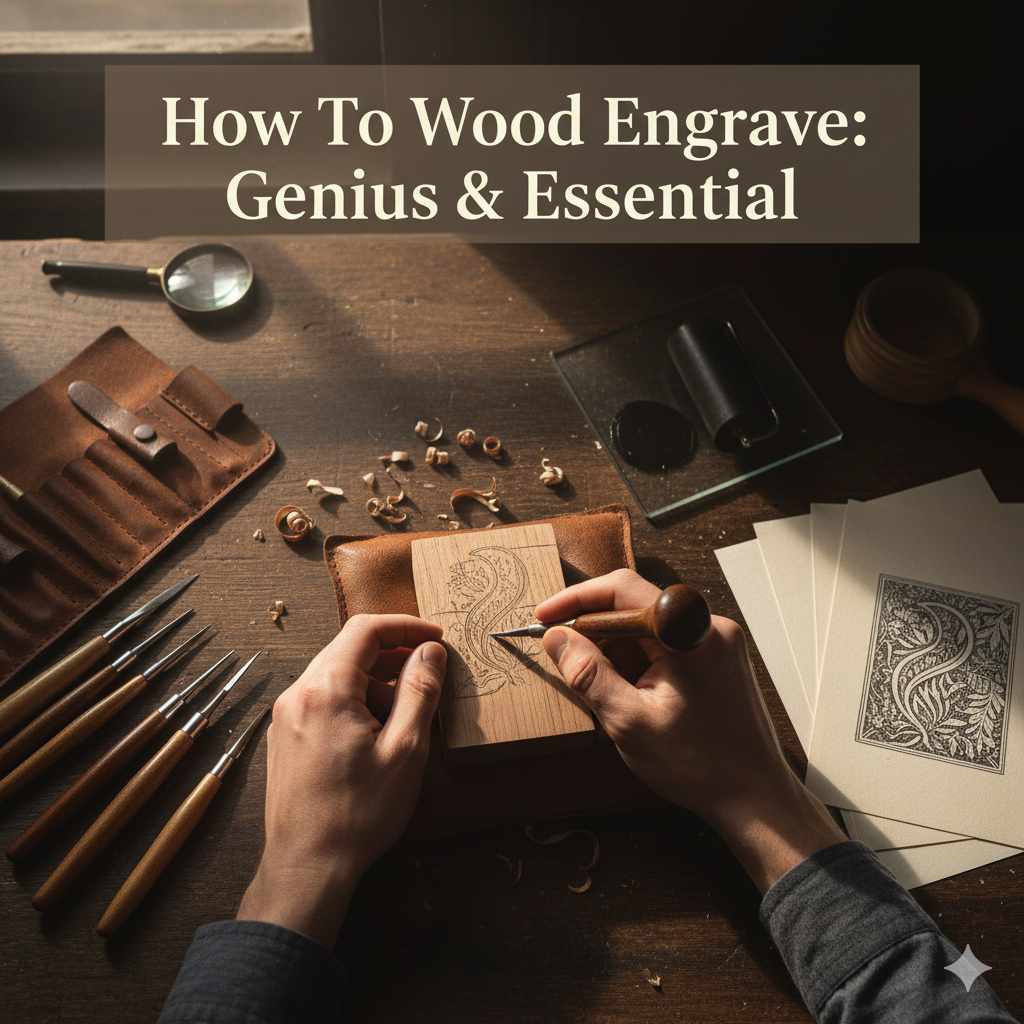
Learn how to wood engrave with simple methods! This guide breaks down essential tools and techniques for beginners to create stunning wood engravings, adding a personalized touch to your projects. Master the basics and unlock your creative potential safely and effectively.
Ever looked at a beautifully carved piece of wood and thought, “I wish I could do that?” Wood engraving might seem like a skill reserved for seasoned artisans, but I’m here to tell you it’s more accessible than you think! Many beginners find themselves intimidated by the tools and techniques, wondering where to even start. You might feel like you need fancy equipment or years of practice.
But the truth is, with the right guidance and a little patience, you can achieve fantastic results right in your own home workshop. This guide is crafted specifically for you, the aspiring wood engraver, to demystify the process. We’ll walk through everything step-by-step, from choosing your wood to making your first mark and bringing your designs to life with confidence. Get ready to transform plain wood into works of art!
What is Wood Engraving?
Wood engraving is a printmaking technique where a design is carved into a block of wood, typically end-grain wood, to create a relief surface. Unlike woodcuts, where the image is carved into the side grain, wood engraving uses the harder end grain, allowing for finer details and sharper lines. Once the design is carved, ink is applied to the raised surface, and then the block is pressed onto paper or fabric to create a print. This method is also often used for decorative purposes directly onto wood, creating engraved patterns or images that become part of the wood itself, rather than for mass printing. It’s a versatile art form that can be used for everything from detailed illustrations for books to personalizing wooden gifts.
Why Try Wood Engraving?
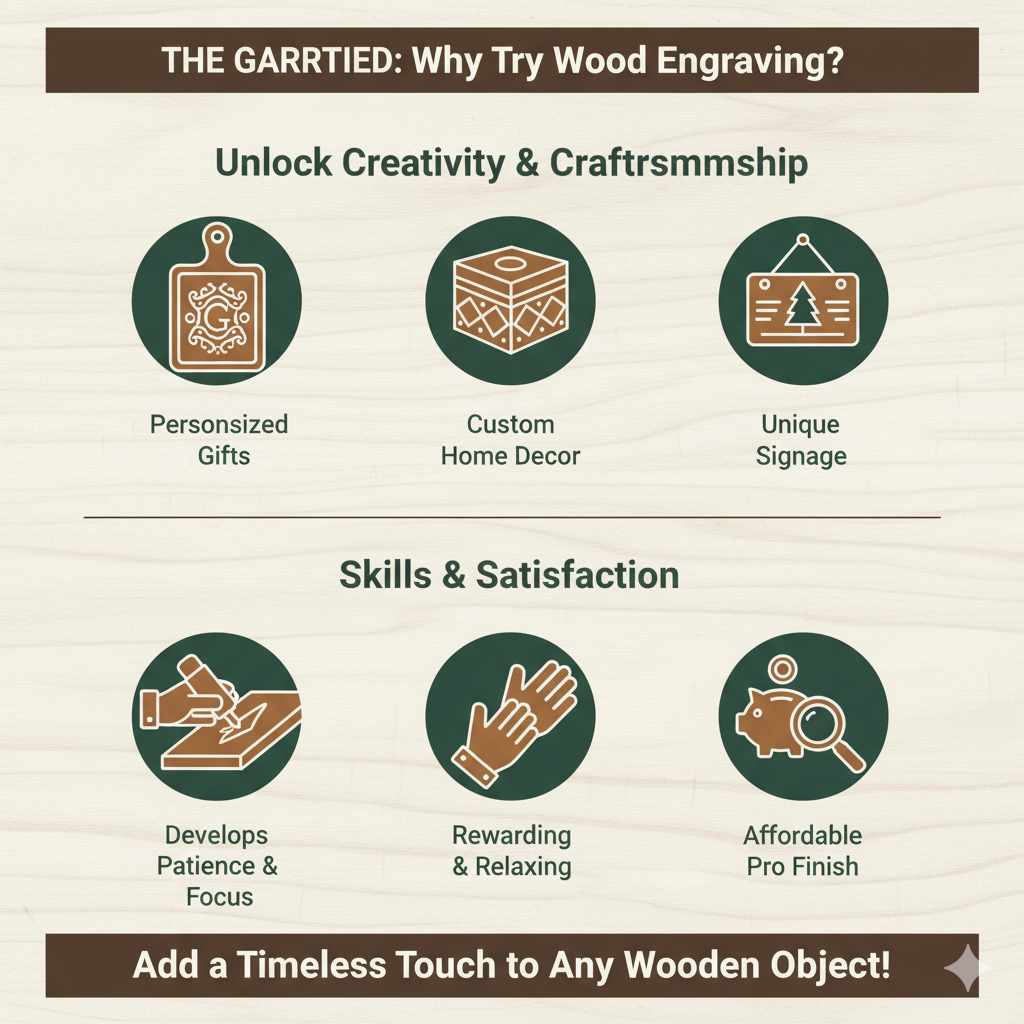
Wood engraving offers a unique blend of precision and artistic freedom. It allows you to imbue wooden objects with a personal touch, creating durable and timeless designs. Imagine personalizing cutting boards, creating intricate patterns on furniture, or crafting custom signs. It’s a rewarding craft that helps you develop patience and fine motor skills. With the right approach, it can be a surprisingly affordable way to add a professional finish to your DIY projects. Plus, working with wood is inherently satisfying, and engraving adds another layer of craftsmanship to that experience.
Essential Tools for Beginner Wood Engravers
Starting out in wood engraving doesn’t require a massive investment. Here’s a breakdown of the essential tools you’ll need to get started, focusing on beginner-friendly options:
1. Wood Blocks
For traditional wood engraving (printmaking), you’ll want a smooth, hard, end-grain wood block. Boxwood is the traditional choice for its fine grain and hardness, allowing for incredibly detailed work. However, for decorative engraving directly onto wood or simpler printmaking, other hardwoods like maple or cherry can also work well. For your first projects, consider getting pre-cut, smooth blocks to save time and effort.
2. Engraving Tools (Gravers or Burins)
These are the heart of your engraving kit. They are small, sharp tools with a wooden handle and a metal tip designed for cutting into wood.
- V-Gouge: Creates V-shaped lines. Essential for drawing lines and details.
- U-Gouge (or Round Nose Gouge): Used for clearing areas and creating rounded shapes or textures.
- Scriber/Lozenge Tool: A sharp point for very fine lines and detail work.
For beginners, a basic set with a few different gouges is usually sufficient. Look for comfort in the handles, as you’ll be holding them for extended periods. Many craft stores and online woodworking suppliers offer affordable starter sets.
3. Transfer Paper and Stylus
To get your design onto the wood, you’ll need a way to transfer it. Graphite transfer paper (also known as carbon paper) is excellent. You’ll also need a stylus or a dull pencil to trace your design onto the paper, which then leaves the graphite marks on the wood.
4. Sandpaper
Smooth wood is crucial for clean engraving. You’ll need sandpaper in various grits, starting from around 120-grit to smooth out any rough patches and progressing to finer grits (220-grit and higher) to achieve a smooth surface. Ensure your wood is perfectly smooth before you begin engraving.
5. Magnification (Optional but Recommended)
Especially for detailed work, a magnifying lamp or a good pair of reading glasses can be a lifesaver. It helps you see fine details and avoid mistakes. Many hobbyists also use a headset magnifier.
6. Safety Gear
This is non-negotiable!
- Safety Glasses: Always wear them. Small wood chips can fly unexpectedly.
- Gloves: While some prefer not to wear gloves for better tool feel, consider thin, snug-fitting gloves to protect your hands from splinters and cuts, especially when handling rough wood.
- Dust Mask: Fine wood dust can be harmful. Wear a mask, especially when sanding or if you’re sensitive to dust.
You can find reliable safety gear at most hardware or craft stores.
7. Clamps or Workbench Vise
Securing your wood block is essential for safety and precision. A sturdy workbench vise or a good set of clamps will hold your wood firmly in place while you engrave, preventing slips and allowing you to concentrate on your carving.
Preparing Your Wood for Engraving
The foundation of a great wood engraving starts with proper preparation. A smooth, clean surface will make your engraving process easier and the results more professional.
- Select Your Wood: As mentioned, end-grain hardwoods like maple, cherry, or boxwood are ideal for fine detail. For projects where extreme detail isn’t the goal, a smooth piece of furniture-grade plywood or even a harder softwood can be experimented with, though results will vary.
- Surface Preparation: If your wood isn’t already smooth, start by sanding it. Begin with a medium grit sandpaper (around 120-grit) to remove any significant imperfections. Progress to finer grits, such as 220-grit or even 320-grit, until the surface is glass-smooth to the touch. A perfectly smooth surface prevents your engraving tools from catching on rough grain.
- Clean Thoroughly: After sanding, wipe down the wood with a clean, dry cloth or a tack cloth to remove all dust particles. Any residual dust can interfere with the transfer of your design and affect the quality of your engraving.
Transferring Your Design Onto Wood
Getting your artwork onto the wood accurately is a key step. Here are a couple of common methods:
Method 1: Using Transfer Paper
- Print or draw your design in reverse if you plan to create a print (mirror image), or draw it normally if you are engraving directly onto the surface.
- Place a sheet of graphite transfer paper onto your prepared wood block or surface, with the graphite side down.
- Position your design on top of the transfer paper. You can tape it down lightly if needed to prevent shifting.
- With a stylus or a dull pencil, firmly trace over all the lines of your design. Apply even pressure.
- Carefully lift the design and transfer paper to check the transfer. If any lines are faint, re-trace them.
- Once satisfied, carefully remove the transfer paper. You should have a clear outline of your design on the wood.
Method 2: Freehand Drawing
If you’re confident with your drawing skills, you can draw your design directly onto the wood using a pencil. This method offers the most freedom but requires a steady hand. For beginners, it’s often best to start with transfer paper until you gain more confidence.
The Art of Engraving: Step-by-Step
Now for the exciting part – making your mark! Remember, patience and a light touch are your best friends here. This process is all about controlled removal of wood to reveal your design.
Step 1: Secure Your Wood
Place your wood block or piece onto a stable surface and secure it firmly with clamps or a vise. Ensure it won’t move at all while you’re working. This is crucial for safety and for achieving clean, precise lines.
Step 2: Choose Your Tool
Start with a V-gouge for drawing the main outlines of your design. For areas you want to remove completely, you might use a U-gouge. For very fine details, a sharp scriber or a fine V-gouge will be your go-to.
Step 3: Making the First Cut
Hold the engraving tool comfortably, like you would a pencil, but with a firm grip. Position the tip on your design line. Apply gentle, consistent pressure and push the tool forward, cutting a shallow groove into the wood. Don’t try to remove too much wood at once. It’s better to make multiple shallow passes than one deep, uncontrolled cut. For beginners, focus on following your transferred lines precisely.
Step 4: Refining Lines and Details
As you get comfortable, you can start to vary your line weight by changing the pressure or the angle of your tool. Use the V-gouge to create sharp, clean lines for details. Use the U-gouge to scoop out larger areas or to create textures. Remember, the wood you remove is what shapes your image or pattern. Think about sculpting the wood away from your design.
Step 5: Working with Grain
Wood grain can be tricky. On end-grain blocks, the grain runs perpendicular to the cutting surface, making it more forgiving. However, on side-grain wood, you might experience tear-out if you try to cut against the grain. If you encounter resistance, try changing your cutting angle or making shallower passes. Sometimes, working in short strokes can help.
Step 6: Cleaning Up
Periodically, brush away the wood shavings with a soft brush. This helps you see your progress clearly and avoid mistakes. If you’ve made a slip-up, don’t panic. Small mistakes can often be worked into the design, or you can carefully try to correct them with your tools. For a printmaking block, ensure all the ink is only on the raised surfaces.
Step 7: Finishing Touches
Once you’ve completed the engraving, you can lightly sand the surface again if needed, being careful not to round over any sharp edges you intended to keep. For decorative pieces, you can then apply a finish like oil, wax, or varnish to protect the wood and enhance its beauty.
Tips for Achieving Genius Results
To elevate your wood engraving from good to “genius,” consider these expert tips:
- Practice on Scraps: Before diving into your main project, spend time practicing your strokes on scrap pieces of the same wood. This helps you get a feel for how the tool interacts with the wood.
- Sharp Tools are Key: Dull engraving tools are frustrating and dangerous. Keep them sharp using a sharpening stone or a honing rod. A sharp tool glides through the wood, requiring less force and producing cleaner cuts. Referencing sharpening guides from reputable sources like Rockler can be very helpful.
- Vary Line Weight: Don’t be afraid to use your tools to create lines of different thicknesses. This adds depth and visual interest to your engravings.
- Negative Space is Your Friend: Sometimes, what you don’t engrave is as important as what you do. Think about the areas you’re leaving raised as much as the areas you’re carving away. This is especially true for printmaking.
- Embrace Imperfection: Especially when starting, don’t strive for absolute perfection. Small quirks can add character and charm to your work.
- Study Existing Engravings: Look at the work of master wood engravers. Observe how they handle line, texture, and form. This artistic study can inspire and inform your own practice.
- Good Lighting: Ensure you have excellent lighting in your workspace. Proper illumination helps prevent eye strain and reduces the chance of errors.
Wood Engraving vs. Other Wood Decoration Methods
It’s helpful to understand where wood engraving fits within the broader landscape of wood decoration. Here’s a quick comparison:
| Method | Description | Best For | Beginner Friendliness | Detail Level | Tools Required |
|---|---|---|---|---|---|
| Wood Engraving | Carving a design into the end-grain of wood for printing or decorative inlay. | Fine detail, creating prints, personalized items, book illustrations. | Moderate (requires precise tool control). | Very High. | Gravers, burins, V-gouges, U-gouges. |
| Wood Carving | Shaping wood using chisels and knives, typically with the grain. Can be shallow (relief) or deep (sculpture). | Decorative reliefs, sculptures, furniture ornamentation. | Beginner to Advanced (depending on complexity). | Moderate to High. | Chisels, knives, gouges, mallets. |
| Pyrography (Wood Burning) | Using a heated tool to burn designs onto the surface of wood. | Detailed designs, shading, adding texture, personalization on various wood types. | Beginner to Advanced. | Moderate to High. | Pyrography pen/tool, interchangeable tips. |
| Wood Inlay | Setting pieces of different materials (wood, metal, shell) into depressions in the surface of another piece of wood. | Creating patterns, borders, or images using contrasting materials. | Advanced (requires precision cutting and fitting). | High. | Various cutting tools, adhesives, router/chisels. |
| Wood Staining/Painting | Applying colorants to alter the wood’s appearance. | Changing color, pattern creation (e.g., faux grain), protective finishes. | Very Easy. | Low to Moderate (depending on application). | Brushes, rags, applicators. |
Safety First, Always!
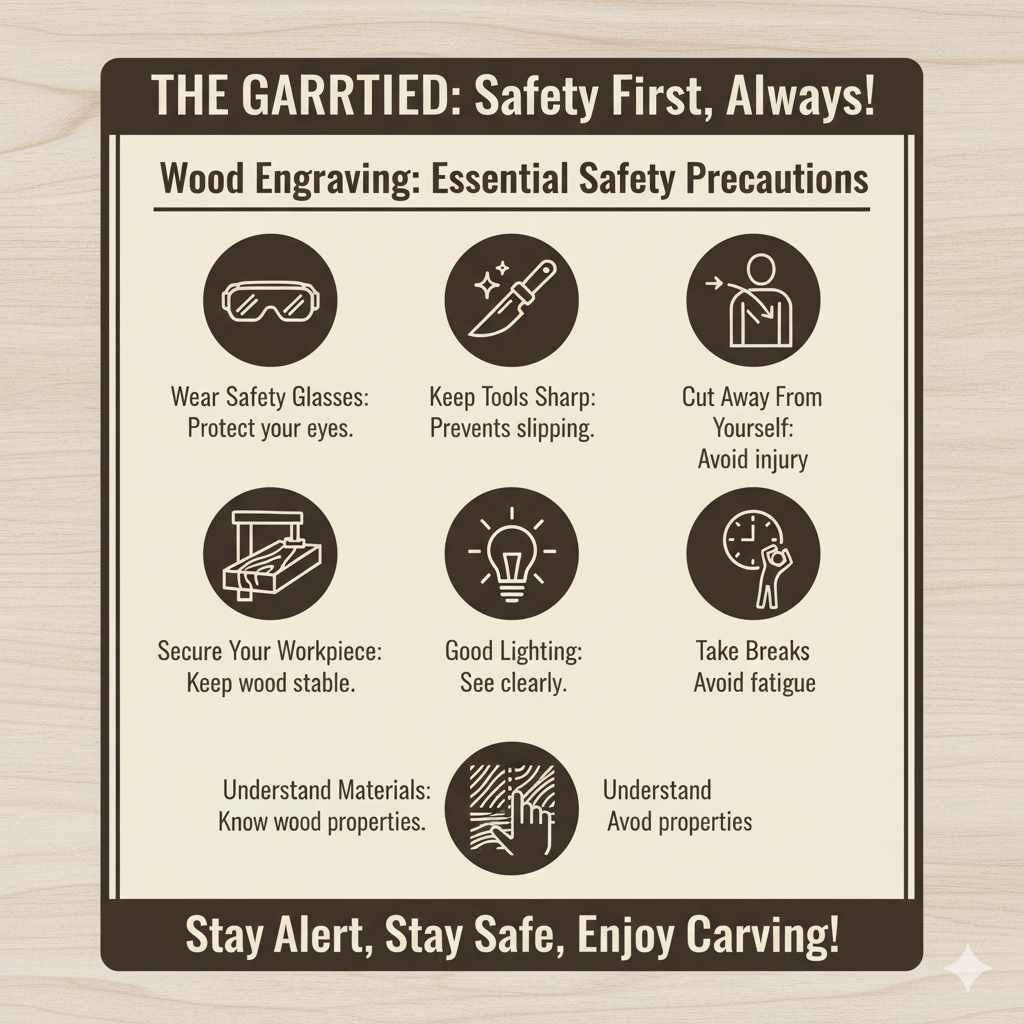
Working with sharp tools and wood requires a commitment to safety. Always take these precautions:
- Wear Safety Glasses: No exceptions! Protect your eyes from errant chips.
- Keep Tools Sharp: Dull tools require more force, increasing the risk of slipping and injury.
- Cut Away From Yourself: Always direct your cuts away from your body and hands.
- Secure Your Workpiece: Ensure the wood is stable and won’t move during engraving.
- Good Lighting: Work in a well-lit area to clearly see what you’re doing.
- Take Breaks: Fatigue leads to mistakes. Step away if you feel tired or your focus is waning.
- Understand Your Materials: Be aware of the properties of the wood you are using and how it might react to your tools.
For more detailed safety guidelines, the Occupational Safety and Health Administration (OSHA) offers general safety practices that are applicable to any workshop environment.
Frequently Asked Questions (FAQ)
Q1: What is the best type of wood for a beginner to engrave?
A: For traditional wood engraving (printmaking), end-grain maple or cherry are excellent choices. They are hard, smooth, and provide good detail. For decorative engraving directly onto wood, ensure the piece is smooth and free of knots.
Q2: How sharp do my engraving tools need to be?
A: Extremely sharp! Like a scalpels. Dull tools will tear the wood, make your work harder, and are more dangerous. You’ll need to hone them regularly.
Q3: My lines are shaky. What can I do?
A: This is common for beginners! Ensure your workpiece is securely clamped. Practice smooth, consistent strokes on scrap wood. Try to initiate the cut at a consistent speed and maintain it. Sometimes, resting your tool hand on the workbench can provide extra stability.
Q4: I made a mistake! Can I fix it?
A: Small mistakes can often be incorporated into the design. For larger errors, you might need to carefully shave away the area and try to blend it in, or if it’s on a printmaking block, you might have to start over on a new block. Don’t get discouraged; mistakes are part of the learning process!