Ipe Wood Vs Teak: Ultimate Comparison for Durable Decking Choices
Choosing the right wood for your outdoor space can feel overwhelming. You want something strong, beautiful, and long-lasting.
That’s where Ipe wood and Teak come in. Both are popular choices, but which one fits your needs better? You’ll discover the key differences between Ipe wood vs Teak. By the end, you’ll feel confident making the best decision for your deck, furniture, or project.
Ready to find out which wood truly matches your style and lifestyle? Keep reading.
Wood Characteristics
Wood characteristics define how wood looks, feels, and performs. These traits affect its use in furniture, decking, and more. Ipe and teak are popular hardwoods. Each has unique qualities worth exploring.
Understanding grain, color, and weight helps you choose the right wood. These features influence durability and style. Let’s compare Ipe wood and teak on these key points.
Grain And Texture
Ipe wood has a fine, straight grain with a smooth texture. Its surface feels dense and hard. The grain pattern is subtle, giving a sleek look.
Teak features a more varied grain. It can be straight or wavy. Teak’s texture is slightly oily, which adds natural water resistance. It feels softer than Ipe.
Color And Appearance
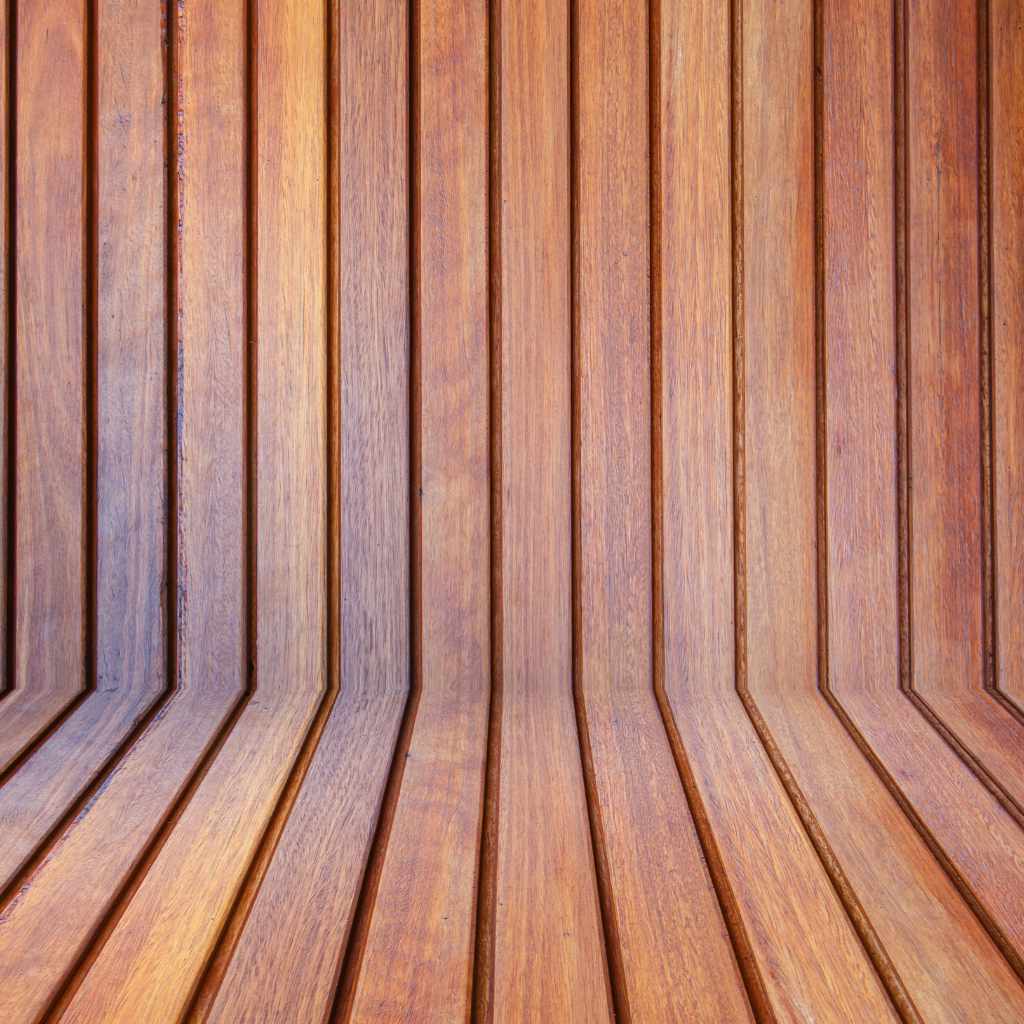
Ipe wood shows rich brown shades with reddish tones. Its color darkens over time if left untreated. The deep hues give a warm, elegant look.
Teak starts golden brown and ages to a silver-gray patina outdoors. Its natural oils keep it shiny and vibrant for longer. The color changes add charm.
Density And Weight
Ipe is one of the densest woods available. It is very heavy and hard. This density makes it extremely durable and resistant to wear.
Teak is lighter and less dense than Ipe. It still offers good strength but feels easier to handle. Teak’s moderate weight suits many outdoor uses.
Durability Factors
Durability plays a key role when choosing wood for outdoor projects. Both Ipe and Teak offer strong resistance but differ in some aspects. Understanding their durability factors helps you pick the right wood for your needs.
Resistance To Rot And Decay
Ipe wood is very dense and naturally resists rot. It holds up well in damp conditions without breaking down. Teak contains natural oils that protect it from decay. This oil keeps the wood strong even after long exposure to rain and humidity. Both woods last a long time outdoors without rotting.
Insect And Pest Resistance
Ipe’s tight grain makes it hard for insects to penetrate. Termites and other pests avoid it due to its density. Teak also has oils that repel insects. This natural defense reduces damage from bugs. Choosing either wood means less worry about pest problems.
Weather And Moisture Tolerance
Ipe handles changes in weather very well. It resists warping and swelling caused by moisture. Teak’s oils help it stay stable in wet or dry conditions. Both woods dry quickly after rain, reducing mold risk. They maintain strength despite sun, rain, or snow exposure.
Maintenance Needs
Both Ipe wood and teak offer beautiful, strong options for outdoor spaces. Their maintenance needs differ but both require care to keep their look and durability. Understanding how to clean, seal, and manage common problems helps your wood last longer and look great.
Proper care also protects your investment and reduces costly repairs. Let’s explore the maintenance needs of Ipe and teak woods.
Cleaning And Sealing
Ipe wood needs regular cleaning with mild soap and water. Avoid harsh chemicals that can damage the surface. After cleaning, applying a UV-blocking sealant helps keep its rich color.
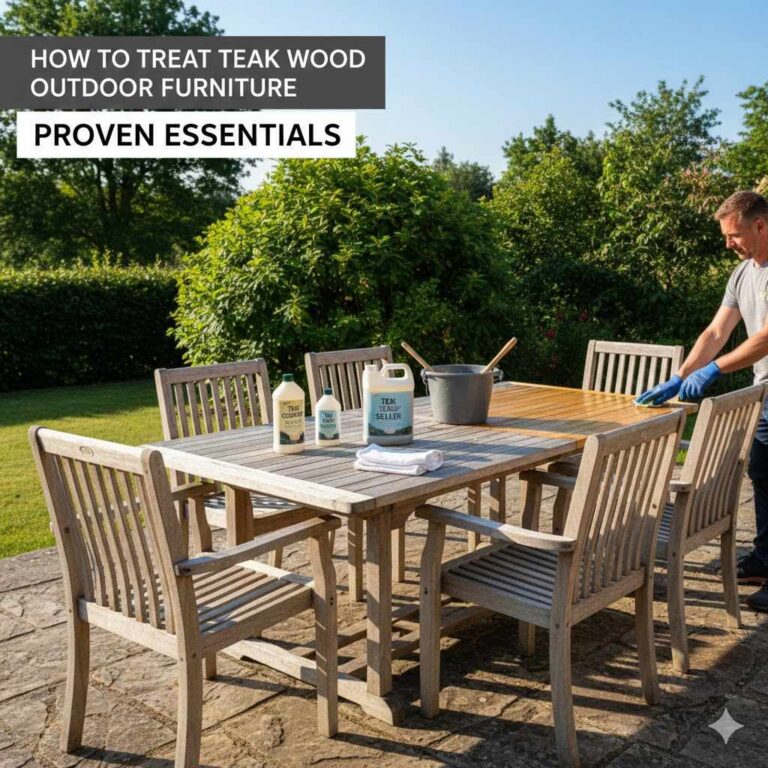
Teak wood naturally resists water and dirt but still benefits from occasional washing. Teak oils or sealers enhance its golden color and protect against weathering. Both woods require sealing about once a year for best results.
Longevity With Care
Ipe wood can last 25 to 40 years with proper maintenance. Sealing and cleaning prevent cracking and fading over time. It stays strong even in harsh weather.
Teak also offers long life, often exceeding 30 years. Its natural oils help resist rot and insects. Regular care maintains its smooth texture and rich look.
Common Maintenance Challenges
Ipe wood may develop small cracks if not sealed well. Dirt can build up in the grain, requiring thorough cleaning. It can also darken without UV protection.
Teak wood can turn gray if left untreated. It may need sanding to remove surface stains. Sometimes, teak oils can build up and cause sticky patches.
Environmental Impact
Choosing between Ipe wood and Teak means thinking about their effects on nature. Both woods come from tropical trees, but their environmental impacts differ. Understanding these differences helps make better choices for the planet.
Sustainability And Harvesting
Ipe wood grows slowly in South America. Overharvesting can harm forests and wildlife. Sustainable harvesting means cutting only mature trees and replanting new ones. Teak comes mainly from Asia. Plantation-grown teak is more common now. Plantations reduce pressure on natural forests. Both woods need careful management to protect forests.
Carbon Footprint
Transport affects the carbon footprint of both woods. Ipe often ships from South America, increasing emissions. Teak from local plantations may have a smaller footprint. Both woods store carbon in their fibers, helping fight climate change. Choosing wood from nearby sources lowers carbon emissions.
Certifications And Eco Labels
Look for FSC or PEFC certifications on wood products. These labels show responsible forest management. Certified Ipe and Teak come from well-managed forests. Certification ensures legal harvesting and protects ecosystems. Always check for eco labels to support sustainable wood use.
Cost Comparison
Comparing Ipe wood and teak includes looking at their costs. This helps you decide which wood fits your budget and needs. Cost includes the price of buying, installing, and keeping the wood over time.
Each type of wood has different costs in these areas. Knowing these differences helps you make a smart choice for your project.
Initial Purchase Price
Ipe wood usually costs more than teak at the start. This is because Ipe is very dense and durable. Teak is still pricey but often less than Ipe. Prices depend on quality and supply. Both woods are more expensive than common softwoods.
Installation Expenses
Ipe wood is very hard, making it tougher to cut and install. This can increase labor costs. Teak is softer and easier to work with. It may save money on installation time. Both woods need special tools and fasteners to last long.
Long-term Value
Ipe wood lasts longer without needing much care. This lowers replacement costs over many years. Teak also resists weather well but may need more maintenance. Regular oiling keeps teak looking fresh. Choosing either wood adds value by lasting longer than cheaper woods.
Aesthetic Appeal
The aesthetic appeal of Ipe wood and teak plays a big role in choosing the right wood for outdoor furniture or decking. Both woods have unique looks that suit different styles and tastes. Their colors, textures, and finishes create distinct feelings and atmospheres in any space.
Natural Beauty
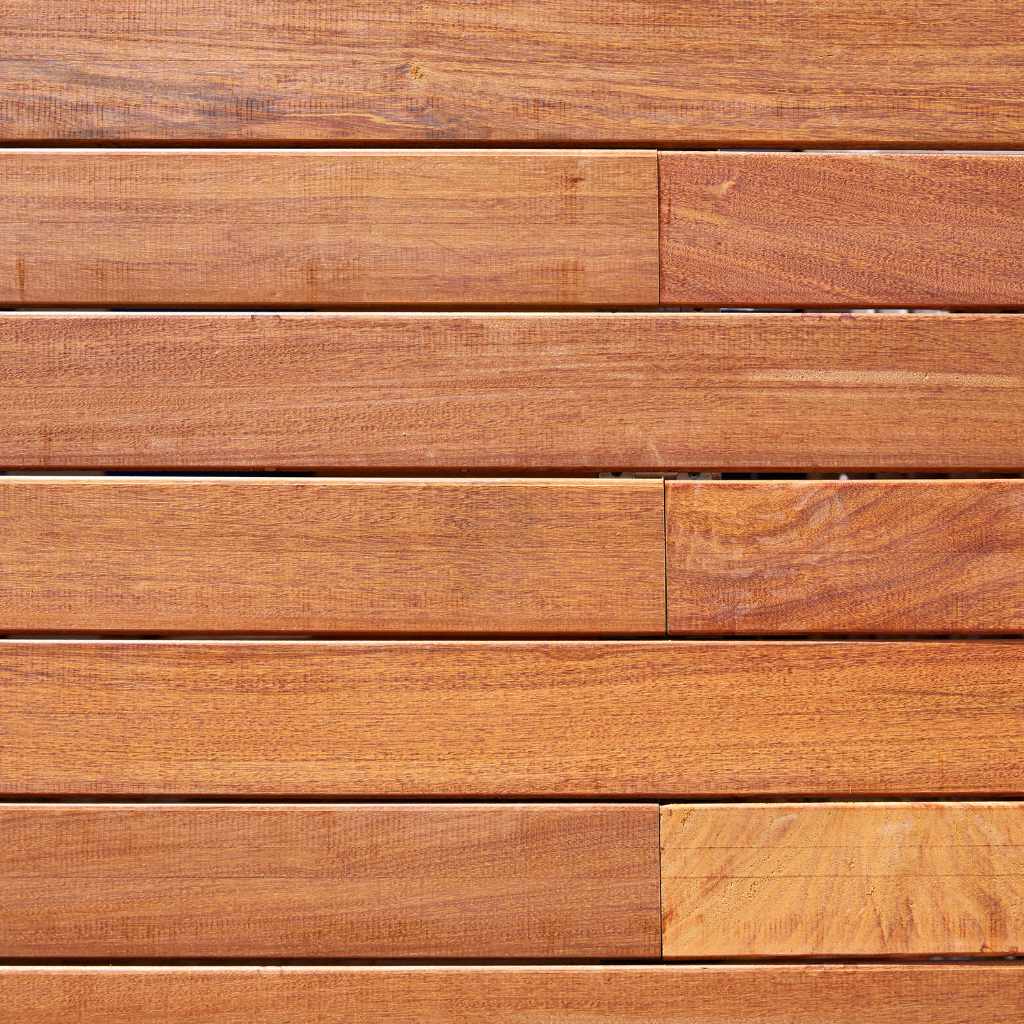
Ipe wood has a rich, dark brown color with fine grain patterns. It looks smooth and polished, even without treatment. Teak shows a warm golden-brown hue that brightens over time. The grain of teak is straight and sometimes wavy, adding character.
Both woods offer a natural beauty that feels inviting and elegant. They fit well with various design themes, from modern to classic.
Aging And Patina
Ipe wood changes to a silver-gray color when exposed to sunlight and rain. This natural aging process adds a soft, weathered look. Teak also develops a silvery patina but keeps some of its golden tones underneath.
The patina on both woods is prized for its beauty and shows their durability. Many people like the aged look because it reflects time and nature.
Customization Options
Both Ipe and teak respond well to sanding and finishing. You can keep the natural look or apply stains and oils for different shades. Teak accepts finishes easily, allowing a brighter or darker appearance.
Ipe wood is harder but can still be customized with the right tools. Its dense texture holds finishes well, providing long-lasting protection and beauty.
Usage And Applications
Choosing the right wood depends on its use and where it will be placed. Ipe and teak are popular hardwoods but serve different roles. Each wood offers unique qualities that suit specific projects.
Understanding their best uses and whether they fit indoor or outdoor settings helps make better choices. Both woods provide beauty and strength but in different ways.
Best Uses For Ipe
Ipe is very strong and dense. It resists scratches and dents well. This makes it ideal for outdoor decks and patios. Ipe holds up against weather, insects, and rot. It is perfect for boardwalks, docks, and outdoor furniture. Its hardness makes it less ideal for fine indoor furniture.
Best Uses For Teak
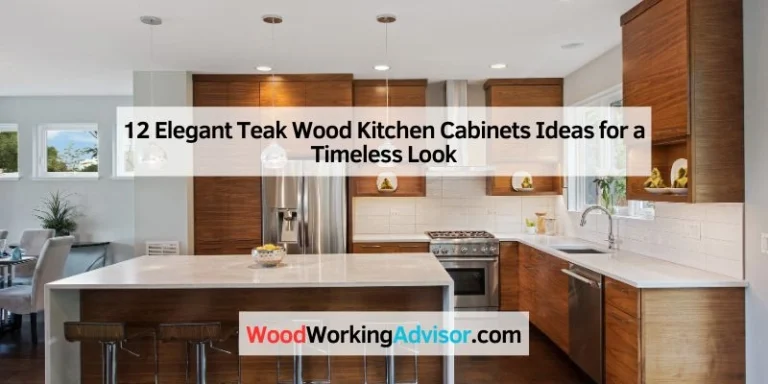
Teak has natural oils that protect it from moisture. It is softer than Ipe, making it easier to work with. Teak is popular for indoor furniture, flooring, and cabinets. Outdoor uses include garden furniture and boat decks. Its smooth texture and warm color add elegance.
Indoor Vs Outdoor Suitability
Ipe excels outdoors due to its toughness and weather resistance. It can last decades without much maintenance. Indoors, Ipe is less common because it is hard to cut and shape.
Teak works well indoors and outdoors. Its oils protect it from humidity and decay. Indoors, teak feels warm and inviting. Outdoors, it weathers gracefully and stays strong.
Frequently Asked Questions
What Are The Main Differences Between Ipe Wood And Teak?
Ipe wood is denser and harder than Teak, making it more durable. Teak has natural oils that resist water and pests. Ipe is darker, while Teak has a golden-brown hue. Both are excellent for outdoor use but differ in maintenance needs.
Which Wood Is More Durable For Outdoor Furniture?
Ipe wood is generally more durable due to its extreme hardness and resistance to wear. Teak is durable too, thanks to its natural oils, but it may require more regular maintenance to keep its appearance.
How Do Ipe And Teak Woods Compare In Price?
Teak is usually more expensive because of its popularity and limited supply. Ipe is more affordable but still considered a premium hardwood. Prices vary based on quality, sourcing, and market demand for both woods.
Can Ipe Wood And Teak Resist Weather And Insects?
Yes, both Ipe and Teak have excellent resistance to weather elements and insect damage. Teak’s natural oils provide strong protection. Ipe’s dense structure makes it highly resistant to moisture and pests without chemical treatments.
Conclusion
Choosing between Ipe wood and Teak depends on your needs. Both woods offer great strength and beauty. Ipe wood lasts long and resists wear well. Teak has natural oils that fight water and bugs. Think about your budget and style preferences.
Both woods work well outdoors and indoors. Quality wood means less repair and more enjoyment. Pick the wood that fits your project best. Either way, you will have strong, good-looking wood. Simple choice, lasting results.