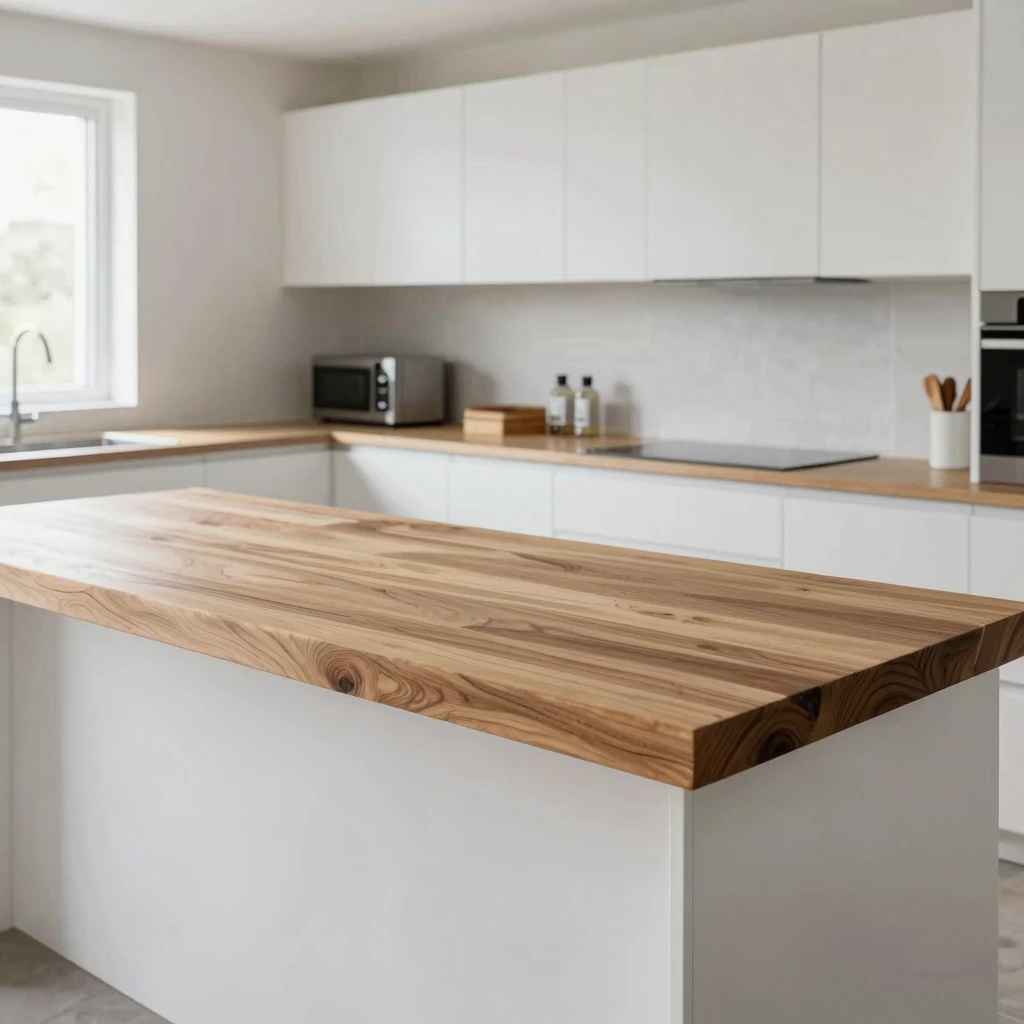
Is Butcher Block Outdated or Still Trending
Many folks wonder, Is Butcher Block Outdated or Still Trending? It sounds like a big question, especially if you’re new to kitchen design. You see it in old homes and fancy new kitchens, so it’s easy to get confused. This guide will make it super simple.
We’ll break down everything you need to know step-by-step so you can decide if butcher block is right for you. Get ready to learn all about this popular material.
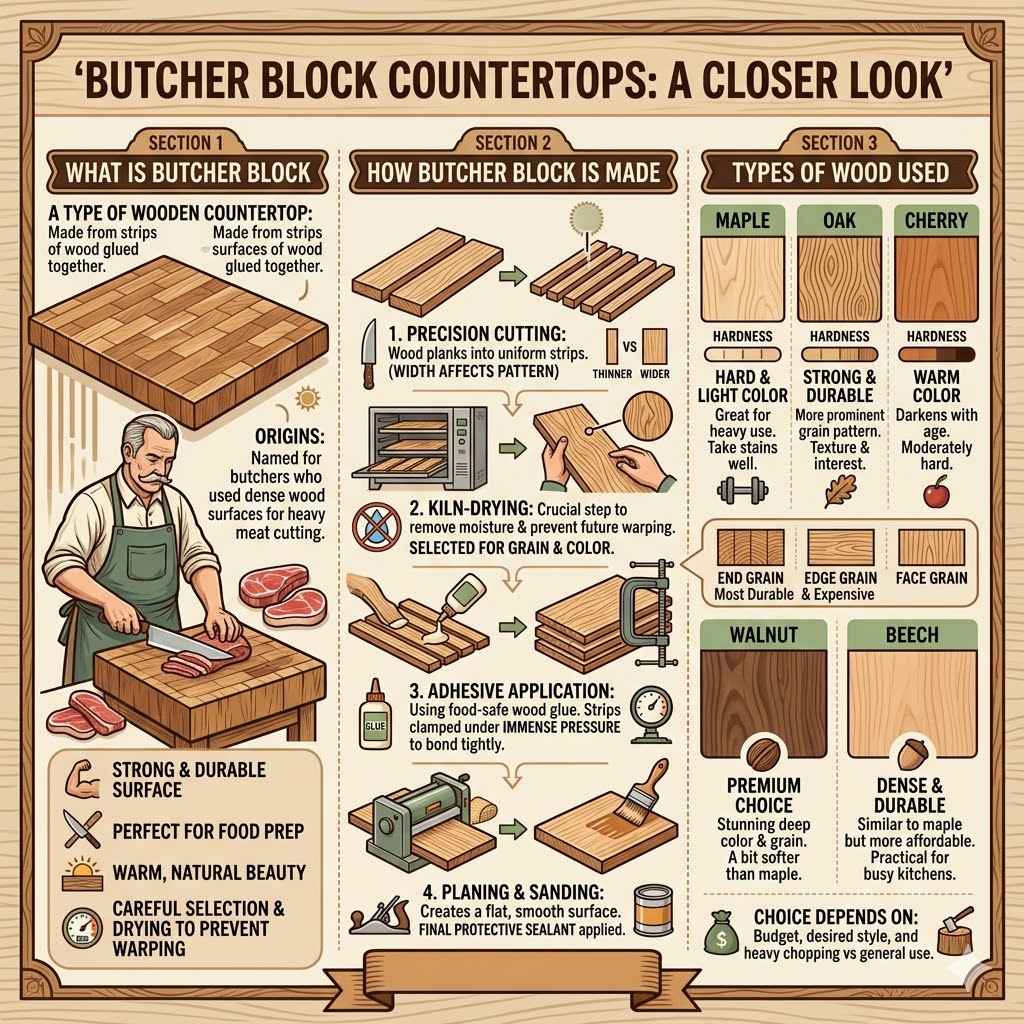
Butcher Block Countertops A Closer Look
Butcher block countertops have been a popular choice for kitchens for a long time. They are made from strips of wood glued together. This creates a strong and durable surface that can be used for preparing food.
The natural beauty of wood adds warmth and a unique look to any kitchen. This section will explore what butcher block is, how it’s made, and why people have loved it for so many years. We will cover the different types of wood used and how they affect the look and durability of the countertop.
What Is Butcher Block
Butcher block is a type of wooden countertop. It is made by gluing together many small pieces of wood. These pieces are usually the same size and are laid side-by-side.
This creates a strong, solid surface. It’s called butcher block because butchers used to use it for cutting meat. The dense wood surface was ideal for heavy use.
The process of making butcher block involves careful selection and preparation of wood. The wood is cut into strips, then dried. This drying process is important to prevent warping later.
After drying, the strips are glued together under pressure. This makes the block very solid and stable. The surface is then sanded smooth and finished.
Many different types of wood can be used for butcher block. Common choices include maple, oak, cherry, and walnut. Each type of wood has its own look and hardness.
Maple is a popular choice because it is hard and has a light color. Oak is also very hard and has a distinct grain pattern. Cherry and walnut are darker and offer a richer, more elegant look.
How Butcher Block Is Made
Making butcher block is a craft that requires precision. First, wood planks are cut into smaller, uniform strips. The width of these strips can vary, influencing the final appearance.
For example, thinner strips create a more intricate pattern, while wider strips give a bolder look.
Next, these strips are carefully selected for grain pattern and color. This ensures a pleasing aesthetic once assembled. The wood is then seasoned or kiln-dried to remove moisture.
This step is crucial to prevent the wood from expanding, contracting, or warping after it’s installed.
The strips are then coated with a strong adhesive, typically a food-safe wood glue. They are placed edge-to-edge or face-to-face depending on the desired pattern. Different patterns exist, such as end grain, edge grain, and face grain.
End grain is the most durable and also the most expensive, often used by professional chefs.
Once glued, the strips are clamped together under immense pressure. This pressure forces the wood pieces to bond tightly. After the glue cures, the block is planed and sanded smooth.
This creates a perfectly flat and even surface ready for finishing. The final finishing step involves applying a protective sealant.
Types of Wood Used
The kind of wood chosen for butcher block has a big impact. It affects the look, durability, and price. Here are some common choices:
- Maple: This is a very popular choice. It’s known for its hardness and light color. It’s great for heavy use and has a smooth, clean appearance. Maple’s fine grain also takes stains well if you want to change its color.
- Oak: Oak is another strong and durable wood. It has a more pronounced grain pattern than maple. This can add texture and visual interest to your countertop. Red oak and white oak are common types, each with a slightly different hue.
- Cherry: Cherry wood offers a warm, reddish-brown color that darkens beautifully with age. It is moderately hard and can show dents and scratches more easily than maple or oak. Its rich color is a major draw for many homeowners.
- Walnut: Walnut is a premium choice, known for its deep, rich brown color and beautiful grain. It is moderately hard and can be a bit softer than maple or oak, but its stunning appearance makes it a favorite for high-end kitchens.
- Beech: Beech is a hard, dense wood that is similar in appearance to maple but often more affordable. It has a pale, fine grain and is very durable, making it a practical option for busy kitchens.
The choice of wood often depends on your budget, desired style, and how you plan to use the countertop. For instance, if you plan to do a lot of chopping directly on the surface, a harder wood like maple or oak might be a better fit.
Is Butcher Block Outdated Or Still Trending
The question Is Butcher Block Outdated or Still Trending? comes up often because trends in home design change quickly. While butcher block has been around for a long time, its popularity has seen ups and downs. This section will explore how butcher block fits into modern design.
We will look at why some might think it’s old-fashioned and why others embrace it. We will also discuss how new styles and finishes are keeping it fresh and relevant for today’s homes.
The Allure of Natural Materials
In today’s world, people are increasingly drawn to natural materials. Wood, in particular, brings a sense of warmth, comfort, and authenticity to a home. Butcher block countertops are a perfect example of this trend.
They offer a connection to nature that manufactured materials often lack.
The beauty of wood is that each piece is unique. The grain patterns, knots, and subtle color variations create a one-of-a-kind surface. This makes a kitchen feel more personal and inviting.
Unlike sterile, uniform countertops, butcher block tells a story with its natural imperfections.
This desire for natural elements extends beyond kitchens. It’s seen in furniture, flooring, and decor. People are looking for ways to make their living spaces feel more grounded and less artificial.
Butcher block fits perfectly into this aesthetic, providing a touch of organic charm.
Furthermore, natural materials often age gracefully. A well-maintained butcher block countertop can develop a beautiful patina over time. This adds character and value to the kitchen.
It’s a material that gets better with age, rather than looking worn out.
Butcher Block in Modern Kitchen Design
When people ask Is Butcher Block Outdated or Still Trending? they often picture rustic kitchens. However, butcher block is far more versatile than that. It can easily be incorporated into modern and contemporary kitchen designs.
The key is in the style of the butcher block itself and the surrounding elements.
For a modern look, consider butcher block with a sleek, smooth finish. Edge grain or face grain patterns with consistent wood strips can offer a clean and minimalist appearance. Darker woods like walnut or stained oak can also lend a sophisticated, contemporary feel.
Pairing butcher block with modern cabinetry and hardware makes a big difference. For instance, flat-panel cabinets in a dark color or a high-gloss finish can create a striking contrast with a warm butcher block countertop. Stainless steel appliances and minimalist faucets complement the wood beautifully.
Lighting also plays a role. Clean, geometric pendant lights over an island with a butcher block top can highlight its natural beauty without making the space feel dated. The goal is to use butcher block as a statement piece that adds warmth and texture to an otherwise sleek design.
Think of it this way: a beautiful piece of art can hang in any room, modern or traditional. Butcher block is similar; its natural beauty can enhance various design styles. It’s about how you present it.
Popularity Trends and Statistics
While specific global statistics for butcher block popularity are hard to pin down, design trends offer clues. Many home renovation shows and interior design magazines feature butcher block. This suggests continued interest from homeowners.
According to a 2022 survey by Houzz, a popular home renovation platform, natural wood tones were a top choice for kitchen cabinets and countertops. While this doesn’t exclusively mean butcher block, it indicates a broader appreciation for wood in kitchens. Butcher block falls directly into this category.
The market for kitchen countertops is vast, with quartz and granite often leading in sales volume. However, butcher block offers a unique selling proposition: affordability and a distinct natural aesthetic. This allows it to maintain a strong niche appeal.
The resurgence of interest in DIY projects also benefits butcher block. Many homeowners enjoy the idea of a countertop they can oil, sand, and refinish themselves, giving them control over its maintenance and appearance. This hands-on approach resonates with a segment of the population.
One study on countertop material preferences found that while durability and ease of cleaning are top priorities for many, aesthetics remain a significant factor. Butcher block excels in aesthetics for those who value natural warmth and character.
Here’s a simple way to think about it: if a material is consistently shown in new designs and discussed in home trends, it’s not outdated. Butcher block is seeing a consistent presence, adapting to new styles.
Benefits of Butcher Block Countertops
Butcher block countertops offer a unique set of advantages that appeal to many homeowners. Their natural beauty is just the start. This section will explore the practical and aesthetic benefits.
We will look at how butcher block can enhance your kitchen’s functionality and appeal. Discover why it remains a compelling choice for kitchens of all styles.
Aesthetic Warmth and Natural Beauty
The most immediate benefit of butcher block is its inherent warmth. Wood has a natural glow that can make a kitchen feel more inviting and cozy. Unlike cold stone or laminate surfaces, wood creates a sense of comfort and homeliness.
Each butcher block countertop is unique. The variations in wood grain and color mean that no two are exactly alike. This personal touch adds character to your kitchen.
It’s a feature that mass-produced materials struggle to replicate.
The look of butcher block can also evolve. With proper care, the wood can age beautifully. It can develop a patina, which is a soft sheen that comes with age and use.
This gives the countertop a rich, lived-in quality that many people find desirable.
For those who love a natural or rustic aesthetic, butcher block is a perfect fit. It complements other natural materials like stone, brick, and plants. It can also provide a grounding element in more modern designs, offering a warm contrast.
Imagine a kitchen bathed in soft light. The butcher block countertop catches the light, highlighting its natural grain. It creates a focal point that feels organic and inviting.
This visual appeal is a major reason for its enduring popularity.
Durability and Repairability
Butcher block countertops are known for their durability, especially when made from hardwoods like maple or oak. These dense woods can withstand significant wear and tear, making them suitable for busy kitchens.
One of the most significant advantages of butcher block is its repairability. Unlike granite or quartz, which can chip or crack and are difficult to fix, butcher block can often be sanded down to remove scratches or stains. Minor damage can be buffed out, making the surface look new again.
For deeper cuts or significant wear, the entire countertop can be sanded and refinished. This process can restore the wood to its original beauty, effectively giving you a “new” countertop without the high cost of replacement. This makes butcher block a very long-term investment.
If you plan to use your countertops for chopping, some types of butcher block (like end grain) are actually designed to be cut on. The wood fibers can close back up after being cut, leaving minimal visible damage. This is a feature often appreciated by home cooks and bakers.
Consider a scenario where a pot is accidentally dropped, leaving a dent. With a granite countertop, this might require professional repair or even
The repairability factor is a key differentiator. It means your butcher block countertop can last for decades, adapting to your needs and forgiving minor accidents.
Cost-Effectiveness
Compared to many other countertop materials like granite, quartz, or marble, butcher block is often more affordable. This makes it an attractive option for homeowners working with a budget.
The initial cost of butcher block can be significantly lower. This allows homeowners to allocate their budget to other kitchen upgrades. It provides a way to achieve a high-end look and feel without the premium price tag associated with some other materials.
Furthermore, the repairability of butcher block contributes to its long-term cost-effectiveness. Instead of replacing a damaged countertop, you can often repair it for a fraction of the cost. This saves money over the lifespan of your kitchen.
The ability to refinish butcher block also means it can be updated to match changing design trends. If you decide to change your kitchen’s style, you might be able to refinish your existing butcher block to fit the new look, avoiding the expense of a complete countertop replacement.
Let’s look at some figures. While prices vary greatly by wood type and thickness, a basic maple butcher block countertop might cost $30-$60 per square foot. In contrast, high-quality quartz can range from $50-$150 per square foot or more.
This shows a clear cost advantage for butcher block.
The combination of a lower initial investment and reduced long-term maintenance costs makes butcher block a very budget-friendly choice for many homeowners seeking both beauty and practicality.
Potential Downsides and Considerations
While butcher block offers many appealing benefits, it’s important to be aware of potential drawbacks. Understanding these can help you make an informed decision. This section will cover the maintenance needs, susceptibility to damage, and other factors to consider before choosing butcher block countertops.
Maintenance Requirements
Butcher block countertops require regular maintenance to stay in good condition. This is one of the main differences compared to low-maintenance materials like quartz.
The most important aspect of butcher block care is sealing and oiling. Depending on the finish used, you will need to reapply oil or sealant periodically. This protects the wood from moisture, stains, and bacteria.
Food-grade mineral oil is a common choice for finishing. It needs to be applied regularly, especially in the beginning. This helps to saturate the wood and create a barrier.
The frequency of oiling depends on usage, but initially, it might be weekly.
If a waterproof sealant like polyurethane is used, it requires less frequent oiling but cannot be cut on. This sealant also needs to be maintained, and if it gets scratched, it can be harder to repair than an oiled finish.
Cleaning is also important. Spills should be wiped up immediately. While the wood is sealed, prolonged exposure to liquid can still cause damage or stains.
Using a mild soap and water for cleaning is usually recommended.
The commitment to regular maintenance is crucial. If you’re looking for a truly “set it and forget it” countertop, butcher block might not be the best fit. It requires a bit more hands-on attention to keep it looking its best.
Susceptibility to Damage
Despite their durability, butcher block countertops can be susceptible to certain types of damage if not properly cared for.
Moisture is the biggest enemy. If liquids are left standing on the surface for too long, they can seep into the wood. This can lead to staining, warping, or even mold growth, especially if the seal is compromised.
Heat can also be a problem. Placing hot pots or pans directly on the butcher block can cause scorching or discoloration. It’s always recommended to use trivets or hot pads, even if the wood has been sealed.
Scratches and dents can occur from daily use. While these can often be sanded out, they are a potential downside. Dropping heavy items can also cause gouges.
Direct sunlight can also affect the wood. Prolonged exposure can cause the color to fade or change unevenly over time. Positioning your kitchen to minimize direct sun on the countertops might be a consideration.
For example, if a large amount of water is spilled around a sink area and not wiped up for several hours, the wood underneath can start to swell and discolor. This kind of moisture damage is common if the sealant isn’t maintained or if the wood isn’t properly sealed initially.
These potential issues mean that while butcher block is strong, it requires a mindful approach to usage and care to prevent damage.
Hygiene Concerns
Hygiene is a common concern with butcher block countertops, particularly for those accustomed to non-porous surfaces like granite or quartz.
Wood is naturally porous. This means it can absorb liquids and potentially harbor bacteria if not properly sealed and cleaned. This is why regular oiling and immediate cleanup of spills are so critical.
When butcher block is properly finished with a food-grade oil or a robust sealant, it significantly reduces the risk of bacterial growth. The key is maintaining that protective layer.
For home cooks who do a lot of raw meat preparation, specific care is advised. Using a separate cutting board for raw meats is always a good idea, regardless of countertop material, but it’s especially important with butcher block.
Some people choose an end-grain butcher block for their kitchen. This type is made by gluing the wood pieces on their ends. It’s considered more hygienic because the wood fibers close up after being cut, sealing minor cuts and reducing spaces where bacteria could hide.
The U.S. Department of Agriculture (USDA) states that “wood cutting boards can be as sanitary as plastic ones if they are properly cleaned and sanitized.” This applies to butcher block countertops as well. The emphasis is on proper maintenance rather than the material itself being inherently unhygienic.
Ultimately, if you are diligent with cleaning and sealing, butcher block can be a perfectly hygienic choice for your kitchen.
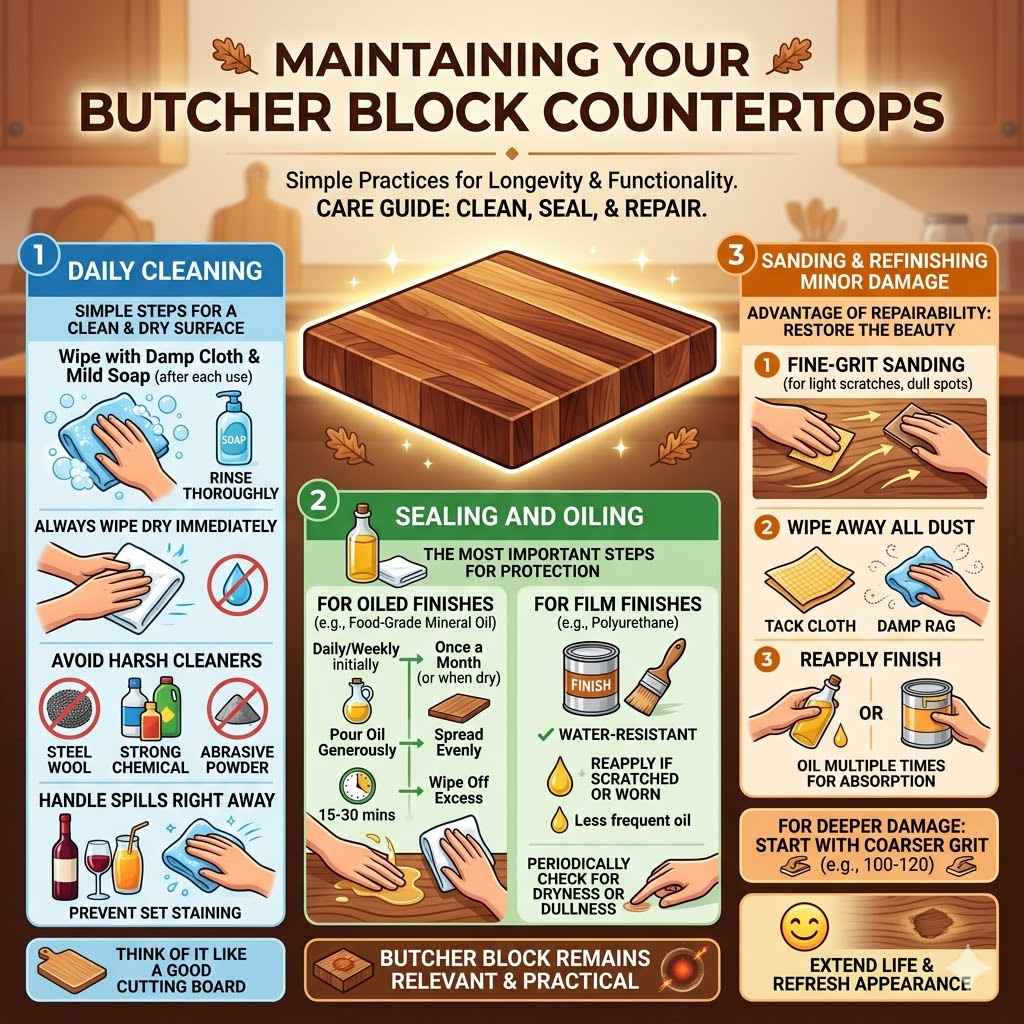
Maintaining Your Butcher Block Countertops
Keeping your butcher block countertops looking great and functioning well involves a few simple practices. This section will guide you through the best ways to care for your butcher block. We will cover cleaning, sealing, and dealing with minor issues.
Following these steps will help ensure your countertops last for years to come.
Daily Cleaning
Daily cleaning of your butcher block countertops is straightforward. The goal is to keep the surface clean and dry.
After each use, wipe down the countertop with a damp cloth. You can use a little mild dish soap if needed, but rinse thoroughly to remove any soap residue.
Always wipe the surface dry immediately after cleaning. This is crucial to prevent moisture from penetrating the wood and causing damage. A clean, dry towel works best.
Avoid using harsh abrasive cleaners, steel wool, or strong chemicals. These can damage the wood’s finish and the wood itself.
For tougher, fresh spills like juice or wine, wipe them up right away. If a stain has already set, you might need to use a more specialized cleaner designed for wood surfaces, or consider sanding it out.
Think of it like caring for a good wooden cutting board. Regular, gentle cleaning is the key to longevity. A quick wipe down after every meal preparation session will make a big difference.
Sealing and Oiling
Sealing and oiling are the most important steps for protecting your butcher block. The method depends on the type of finish you have.
For oiled finishes (often food-grade mineral oil or a blend), regular reapplication is necessary. In the first few weeks after installation, you might need to oil it daily or every few days. As the wood becomes saturated, you can oil it less frequently, perhaps once a month or when the surface starts to look dry.
When oiling, pour a generous amount of oil onto the surface. Use a clean cloth to spread it evenly. Let it soak in for about 15-30 minutes, then wipe off any excess oil.
If your butcher block has a film finish, like polyurethane, it requires different care. This type of finish is more water-resistant and doesn’t need frequent oiling. However, if the finish scratches or wears away, it needs to be reapplied.
The key is to maintain a protective barrier on the wood. This barrier prevents liquids from soaking in and protects against stains and wear. Periodically check the surface for dryness or dullness, which indicates it’s time for more oil or sealant.
Many people prefer the natural feel of an oiled finish because it feels more like a traditional butcher block. Others opt for a sealed finish for less maintenance. Your choice will dictate your routine.
Sanding and Refinishing Minor Damage
One of the greatest advantages of butcher block is its ability to be repaired. Minor damage like scratches, burns, or stains can often be fixed by sanding.
For light scratches or dull spots, you can use fine-grit sandpaper (around 180-220 grit). Sand the affected area gently, following the direction of the wood grain. You can also sand the entire surface for a uniform look.
After sanding, wipe away all dust with a tack cloth or damp rag. Then, you’ll need to reapply your chosen finish. If you used oil, reapply it several times until the wood stops absorbing it.
If you used a film finish, reapply according to the product instructions.
For deeper cuts or more significant damage, you might need to use a coarser grit sandpaper initially (e.g., 100-120 grit), followed by finer grits. Always work your way up to finer grits for a smooth finish.
Sanding and refinishing allows you to refresh your countertops if they become worn over time. It’s a process that can significantly extend the life of your butcher block and restore its beautiful appearance.
Imagine you accidentally left a hot mug on the counter and it left a faint ring. With an oiled finish, you might be able to sand down just that spot and re-oil it. This is a repair that’s difficult or impossible with other countertop materials.
This repairability is a major factor in why butcher block remains a relevant and practical choice for kitchens.
Frequently Asked Questions
Question: Is butcher block hard to maintain
Answer: Butcher block requires more regular maintenance than some other countertop materials. It needs to be oiled or sealed periodically to protect it from moisture and stains. You also need to wipe spills up quickly.
If you’re looking for a very low-maintenance option, it might not be ideal.
Question: Can you cut directly on butcher block
Answer: Some types of butcher block, especially end-grain, are designed to be cut on. However, even with these, it’s often recommended to use a separate cutting board to prolong the life of your countertop and maintain hygiene. Cutting directly on it will cause scratches over time.
Question: How do I clean butcher block
Answer: Clean butcher block with a damp cloth and mild dish soap. Always wipe the surface dry immediately after cleaning. Avoid abrasive cleaners or harsh chemicals, as they can damage the wood.
Question: Will butcher block stain
Answer: Yes, butcher block can stain if liquids are left to sit on the surface for too long, especially if the protective finish is compromised. Promptly wiping up spills helps prevent stains.
Question: Is butcher block a good choice for a busy kitchen
Answer: Butcher block can be a good choice for a busy kitchen if you are prepared for the maintenance. Its durability and repairability are great assets. However, its susceptibility to moisture and stains means it requires more attention than materials like quartz.
Conclusion
Is Butcher Block Outdated or Still Trending? The answer is clear butcher block is still very much on trend. Its natural beauty and warmth fit perfectly with today’s desire for inviting homes. While it needs regular care, its repairability and cost-effectiveness make it a smart choice.
Butcher block offers character and charm that other materials can’t match.