Is It Code to Recoat Pressure Treated Wood Where Cut: Essential Guide
Have you ever tackled a project with pressure treated wood and wondered if you should recoat it after making cuts? This common question might seem minor, but it has a significant impact on the longevity and durability of your woodwork.
Whether you’re building a deck, crafting a garden bench, or just doing a bit of DIY, understanding how to properly care for pressure treated wood is crucial. You’ll discover whether it’s necessary to recoat pressure treated wood where it’s been cut, and why doing so could be the key to preserving your hard work.
Stick around to ensure your project stands the test of time and weather.
Pressure Treated Wood Basics
Pressure treated wood is wood that has been treated to resist rotand insects. Chemicals are forced into the wood under pressure. These chemicals help the wood last longer. The treatment makes the wood strong and durable.
This wood is often used outdoors. Decks, fences, and playgroundsare common places. It is also used for landscaping and building projects. Many use it for building picnic tablesand garden beds.
Pressure treated wood lasts longer than untreated wood. It is resistantto decay and bugs. This wood is also cost-effective. It saves money because it does not need replacing often. Many choose it for its strength and durability.
Credit: www.homedepot.com
Cutting Pressure Treated Wood
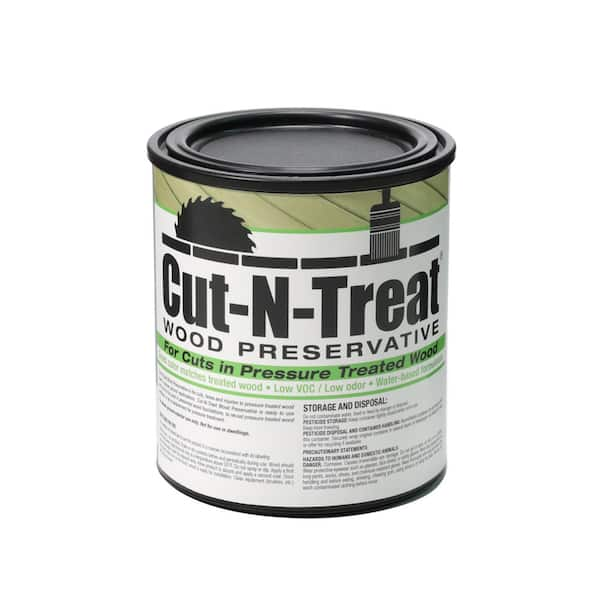
Pressure treated wood has chemicals that protect it. Cutting this wood exposes untreated parts. These cuts can reduce the wood’s ability to resist decay. Water and pests can enter through these cuts. The wood may not last as long if left untreated. Recoating the cut areas helps maintain protection. It’s important to seal these new surfaces. Use a good wood sealer or preservative. Sealing keeps the wood strong and safe.
Safety is important when cutting treated wood. Wear safety goggles to protect your eyes. Use gloves to keep hands safe. Dust from cutting can be harmful. Wear a mask to avoid breathing in dust. Ventilation is important in the work area. Keep the area clean to prevent slips. Use tools carefully and make sure they are sharp. Sharp tools cut better and safer.
Recoating Cut Pressure Treated Wood
Cutting pressure treated wood exposes the inner parts. These parts lack protective layers. Moisture can damage them quickly. Recoating helps protect against rot and decay. It keeps the wood strong and durable. Recoating also extends the wood’s life. It ensures the wood looks good too. Proper care is important.
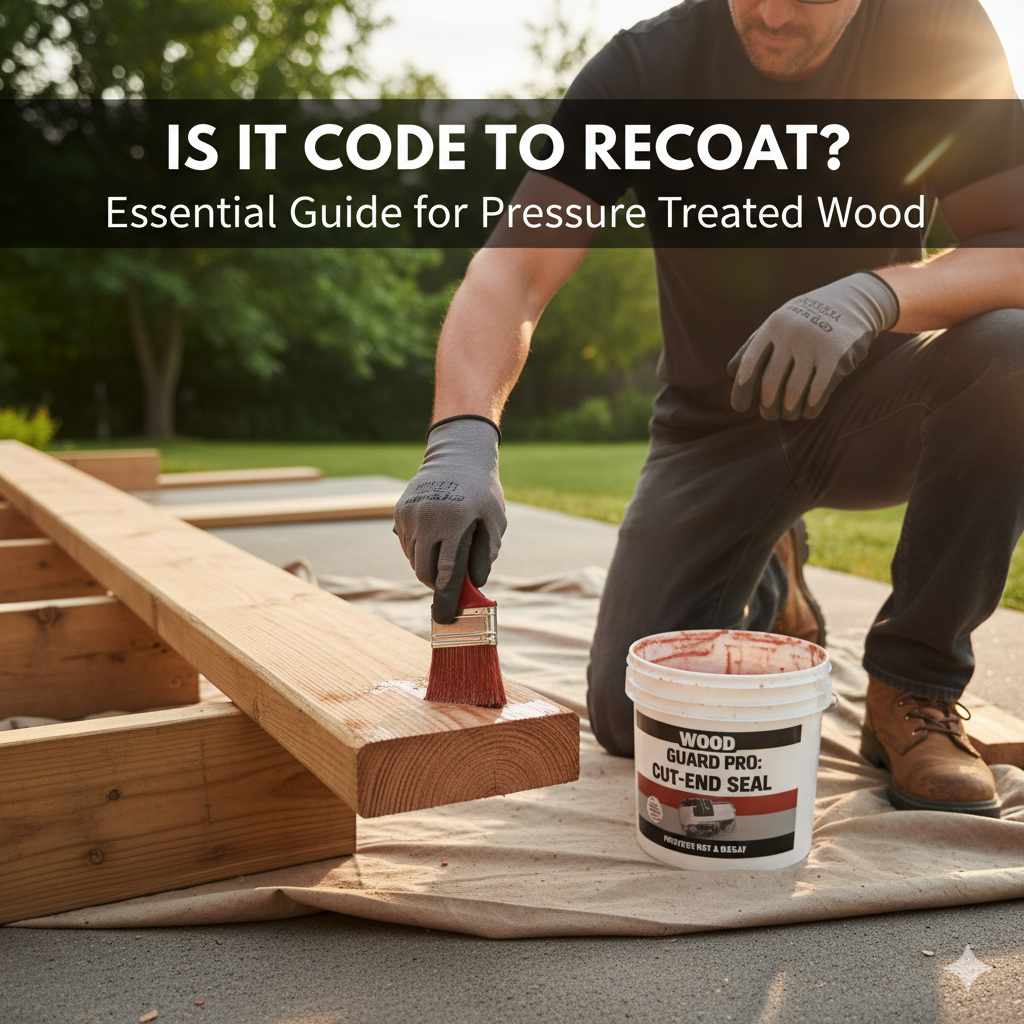
Gather some paint or sealant. Brushes are needed to apply the coat. Have sandpaper ready. A cleaning cloth is useful. Get some gloves to protect your hands. Safety glasses are a good idea. Mask might be needed for strong smells. Ensure all items are in place.
Clean the wood first. Sand the edges gently. Apply the coat evenly. Cover all exposed areas. Let it dry completely. Check for missed spots. Apply another coat if needed. Store the wood properly.

Credit: www.angi.com
Code Requirements For Recoating
Building codes guide how to handle wood. They ensure safety. Pressure treated wood needs special care. It has chemicals to stop rot. When you cut this wood, the inside is not protected. Recoating helps protect the cut parts. Each state can have different rules. Always check local codes. They tell you if recoating is needed. Building standards may suggest what products to use. Some coatings work better with treated wood. Others may not stick well.
Local regulations help keep buildings safe. They may require recoating wood. This stops damage over time. Some places need a permit to recoat. Others do not. Always ask local officials if unsure. They can explain the rules. Following these rules helps avoid problems. It also keeps the wood lasting longer.
Best Practices For Maintenance
Inspect wood often for signs of wear and tear. Check for cracks, splinters, and discoloration. Look at the ends where the wood was cut. Moisture can seep in here. This can cause damage. Ensure all areas are dry. Use a flashlight to see hidden spots.
Wood damagecan appear as soft spots. These spots might feel spongy. You may see rot or mold. Fungi can grow on damp wood. Termites are a threat too. Look for small holes. They are a sign of pests. Damaged wood might change color. It can turn gray or black.
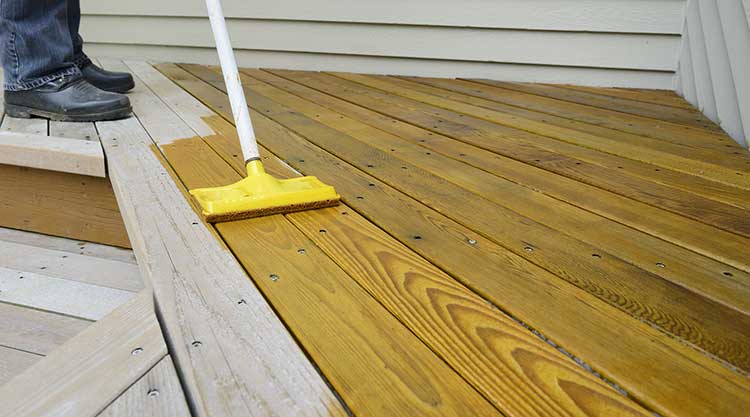
Start by cleaning the wood. Use a soft brush and water. Let it dry completely. Apply a wood sealer on cut edges. This protects from moisture and pests. For deep damage, replace the wood. Sometimes a wood filler can help. Always follow safety instructions. Keep wood safe and strong.
Credit: www.yellawood.com
Frequently Asked Questions
Do I Need To Seal Pressure Treated Wood After Cutting?
Yes, sealing pressure treated wood after cutting protects it from moisture and extends its lifespan. Apply a waterproof sealant to prevent warping and decay. Ensure edges are sealed properly, as cuts expose untreated wood. Regular maintenance enhances durability and appearance.
Always follow manufacturer’s guidelines for best results.
What Is The Code For Pressure Treated Wood?
Pressure treated wood typically follows AWPA standards, coded as UC1 to UC5. These codes indicate specific treatment levels and applications. UC4A to UC4C are common for ground contact use, while UC3B is used for above-ground applications. Always check local regulations for precise requirements.
What Should Never Be Done With Pressure-treated Wood?
Avoid burning pressure-treated wood as it releases toxic chemicals. Do not use it for cutting boards or food prep surfaces. Refrain from inhaling sawdust; wear a mask. Avoid using it in gardens where it contacts edible plants. Do not dispose of it in regular landfills.
Is Pressure-treated Wood Still Good If You Cut It?
Cutting pressure-treated wood doesn’t affect its durability. Apply a wood preservative to exposed cuts for extra protection. This helps maintain its resistance to decay and insects, ensuring longevity. Always use safety precautions when cutting, as sawdust can be harmful.
Conclusion
Recoating cut pressure-treated wood is crucial. It protects and extends its life. Moisture can seep into untreated cuts. This weakens the wood over time. Applying a sealant is simple and effective. It acts as a shield against damage. Always choose the right product for your wood type.
Regular maintenance is key. It ensures your wood stays strong and durable. Prioritize recoating to avoid costly repairs later. Your wood will thank you. Keep it safe and sound.