Is Mulberry Good Firewood? Heat, Smoke, Sparks
Yes, mulberry is excellent firewood when it is fully seasoned and burned in the right setup. It puts out heat on par with many hardwoods, but wet mulberry burns smoky, wastes fuel, and raises creosote risk. Use this guide for stove use, fireplace safety, outdoor burning, and smoking food with mulberry.
Mulberry firewood overview and ratings
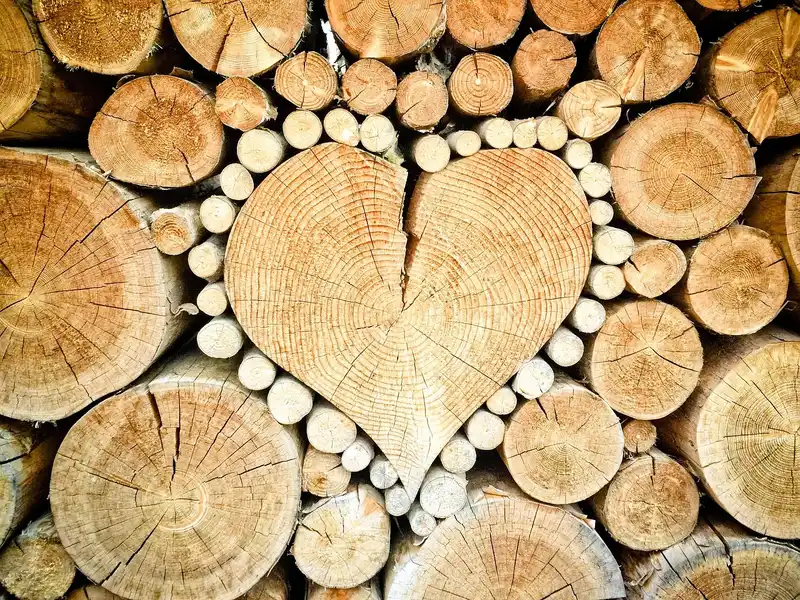


Yes, mulberry is good firewood, and dry mulberry can be excellent firewood. It burns hot, makes strong coals, and holds heat well. The catch is setup: mulberry can spark and pop more than some other hardwoods, so it fits enclosed appliances better than open, uncovered fires.
Mulberry wood, including red, white, and black mulberry, is a hardwood fuel choice that often comes from removed trees rather than purchased logs. That matters because supply can be uneven. When a mulberry tree comes down, the wood is often worth saving for fuel if you can split and season it properly.
Mulberry firewood fit check
| Appliance type | Dryness level | Sparking tolerance | Best use | Not recommended use | Yes/no recommendation |
|---|---|---|---|---|---|
| Open fireplace | Fully seasoned only | Low to moderate | Short, controlled fires with a screen | Unscreened burning, overnight fires | No, unless screened and closely attended |
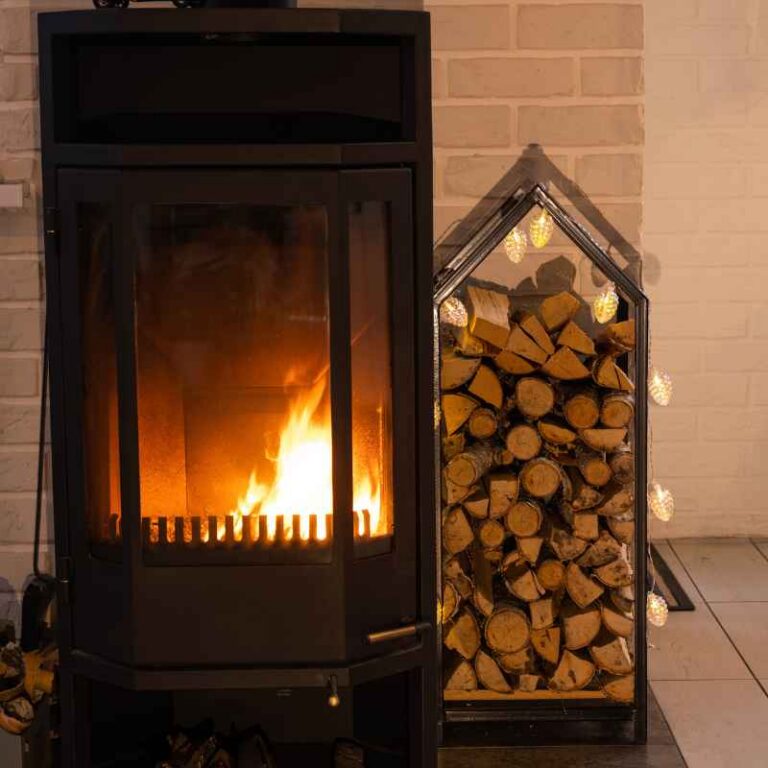
| Enclosed wood stove | Fully seasoned | Moderate | High-heat burns, coal bed, overnight heat | Green wood, oversized rounds, restricted draft | Yes |
| Outdoor fire pit | Very dry | Low | Social fires with spark control | Windy conditions, dry grass, close crowding | Yes, with caution |
| Smoking food | Well seasoned and clean-burning | Low | Meat and vegetables with sweet smoke | Resinous, moldy, or painted wood | Yes, for secondary use |
How much heat does mulberry give?
Mulberry gives strong heat. A commonly cited figure is about 25.8 million BTUs per cord, which puts it in the upper tier of common hardwood firewood. It is not the hottest wood available, but it does deliver serious heat once it is split and seasoned.
In practical terms, mulberry is often compared with other dense hardwoods like oak, maple, hickory, apple, beech, and black locust. Oak and hickory are often used as high-heat benchmarks. Maple and beech are also solid heat producers. Apple is valued for smell as much as heat, while black locust is often treated as the stronger heat reference point in many firewood charts.
That heat level matters in use. Mulberry can work well for shoulder-season heat when you want a stove to run steadily without constant reloading. It also works well for overnight burns in a wood stove because it holds coals. In an open fireplace, that same heat matters less if the fire throws sparks or burns too quickly through the room.
Suppose a homeowner has a mid-sized enclosed stove and wants a steady late-evening burn. Dry mulberry can fit that task well because the coal bed keeps giving off heat after the flames settle. If the same wood is loaded into an open fireplace with no screen, the spark risk can outweigh the heat benefit.
Does mulberry spark or pop?
Yes, mulberry can spark and pop enough to matter. That is one of the main reasons it should be treated as a safety decision, not only a heat decision. Fully seasoned mulberry is still usable, but open fireplaces are the hardest fit because sparks can escape into the room or onto the hearth.
Enclosed wood stoves are safer because the appliance contains the fire and the door limits flying embers. Screened fireplaces are a better option than open, unscreened setups because the screen adds protection. Outdoor fire pits can also work, but only if you accept the spark behavior and keep the area clear.
What happens when mulberry is not fully dry? Sparking and popping usually get worse, and the fire tends to smoke more while burning less efficiently. Green or high-moisture wood wastes heat boiling off water, which can make the fire lazy, smoky, and harder to control.
A common first-timer mistake is loading a fireplace with thick, partly dry mulberry rounds because the wood looks sound on the outside. If those rounds are still holding moisture, the fire may hiss, spit, and send more smoke up the flue than expected. Split smaller pieces season faster and are easier to burn safely.
How long does mulberry take to season?
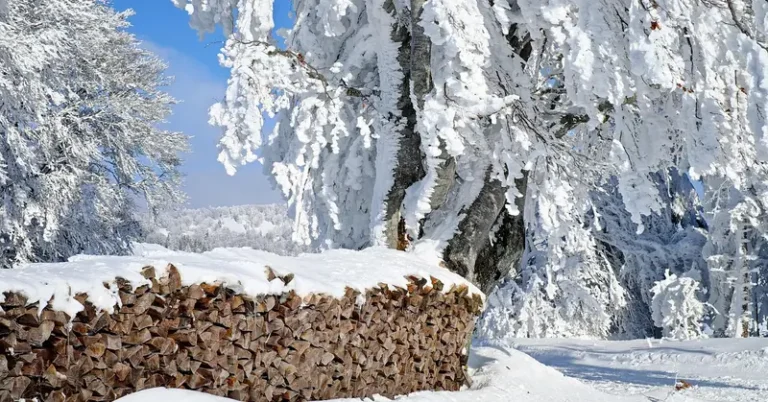
Mulberry typically needs 12 months or more to season well, and some sources cite a range of 6 to 24 months. The wide spread comes from differences in split size, airflow, stack height, weather, and starting moisture. The safest answer is to dry it long enough and verify dryness with a moisture meter.
Drying time is not a guess you should make from appearance alone. Fresh-cut mulberry can look ready long before the center dries out. A moisture meter gives a practical check, especially on larger splits or rounds that stayed bark-on for part of the drying period.
How to verify dryness
- Split a representative piece before checking.
- Measure the freshly exposed face, not the bark.
- Check several pieces from different parts of the stack.
- Look for a low reading that is appropriate for burning, not just a dry exterior.
- If readings vary widely, keep seasoning and retest later.
Seasoning also depends on size. Oversized rounds take longer than split firewood, even when the same tree species is involved. If mulberry is stacked too tightly or kept where air cannot move through it, even 12 months may not be enough.
Smoke, coals, and chimney safety
Properly seasoned mulberry usually produces moderate to low smoke. Green or high-moisture mulberry smokes more and burns dirtier. Once dry, it tends to burn cleaner than wet wood and gives a pleasant fire, but it still needs normal chimney care because any wood fire can leave deposits over time.
Mulberry’s coal production is one of its best traits. It makes excellent coals and can support long-lasting heat. That is why it is often a strong choice for overnight burns in a stove, where a stable coal bed can carry the fire through the night and make relighting easier in the morning.
Its creosote risk is generally lower than that of resinous softwoods because mulberry is commonly reported to have less sap and resin. That does not make chimney maintenance optional. A clean, properly vented flue still matters, especially if you burn a mix of species or if any of the wood is not fully dry.
Think of mulberry this way: good fuel, not maintenance-free fuel. A well-seasoned stack helps reduce smoke and deposits, but it does not replace periodic chimney inspection and cleaning.
Can you use mulberry for smoking food?
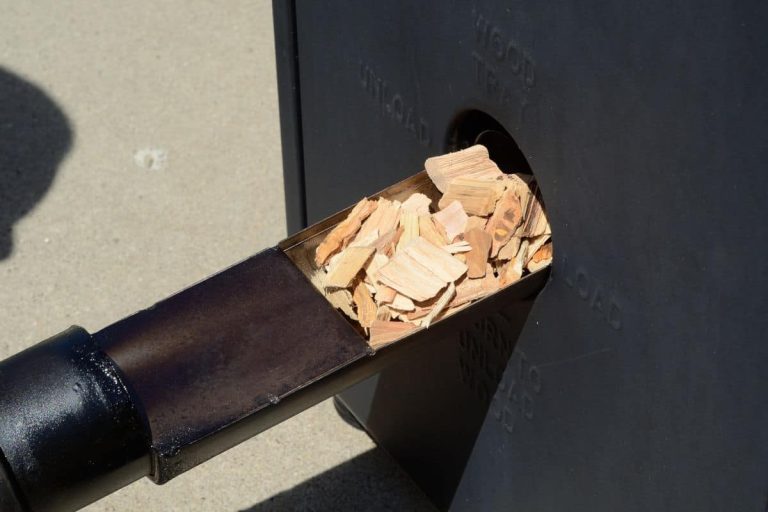
Yes, mulberry can be used for smoking food, but it is a secondary use case rather than the main reason to buy it. Its smoke is often described as sweet and pleasant, and it works for meats and vegetables when you want a mild fruitwood-style profile without a strong resinous note.
It is a good fit for foods that can take a gentle smoke, such as poultry, pork, fish in light amounts, vegetables, and some cheeses if the smoker setup is appropriate. The main rule is to use clean, fully seasoned wood that has not been painted, pressure-treated, or contaminated by dirt and mold.
Do not use green mulberry for food smoke. High moisture can create a heavy, sooty burn that muddies the flavor. If you want a predictable smoke profile, start with small chunks from dry mulberry instead of large, damp rounds.
Frequently asked questions
Is mulberry good firewood for fireplace?
Mulberry can be good fireplace wood, but only with caution. It burns hot and makes strong coals, yet it also sparks and pops enough that an open fireplace is not the safest match. A screened fireplace is a better choice, and fully seasoned wood is essential before use.
Is mulberry good firewood for smoking?
Yes, mulberry can be good for smoking food because it gives a sweet, pleasant aroma. It works best as a mild fruitwood smoke for meats and vegetables. Use fully seasoned, clean wood only, and avoid green, moldy, or contaminated pieces that can create harsh smoke.
Is white mulberry good firewood?
Yes. White mulberry is considered excellent firewood once seasoned. It shares the same general fuel value as other mulberry types and can produce strong heat and long coals. The same cautions apply: dry it fully, and treat sparking as a real concern in open setups.
Is red mulberry good firewood?
Yes. Red mulberry is also regarded as excellent firewood when seasoned. It is a hardwood fuel choice with high heat output and long-burning coals. For best results, split it promptly, give it enough drying time, and use it in a stove or screened fireplace when possible.
Is black mulberry good firewood?
Black mulberry is commonly included with other mulberry species as good firewood once dry. It has the same practical strengths: strong heat, excellent coaling, and useful overnight burn potential. The key limits are sparking behavior and the need for complete seasoning before burning.
Does mulberry spark when burned?
Yes, mulberry can spark and pop. That does not rule it out, but it changes where it fits best. Enclosed wood stoves are safer than open fireplaces, and a screen helps in a fireplace. The spark issue becomes worse when the wood is not fully dry.
Is mulberry tree good for firewood?
Yes, the mulberry tree is a good source of firewood when the wood is properly dried. It is valued for heat output, coals, and steady burning. If the tree is removed, the wood is often worth saving, especially for stove use or controlled outdoor burning.
Is fruitless mulberry good firewood?
Yes, fruitless mulberry can still be good firewood. The lack of fruit does not change the basic fuel value in a meaningful way for burning. Dryness, split size, and appliance choice matter far more than whether the tree produced fruit.
Is mulberry wood good for burning?
Yes, mulberry wood is good for burning when it is fully seasoned. It gives strong heat, lasting coals, and a pleasant smell. It is less forgiving when wet, though, so unseasoned pieces should be left to dry before they go in a stove or fireplace.
Sponsored / affiliate links. As an Amazon Associate I earn from qualifying purchases. I may earn additional commission from eligible campaigns.