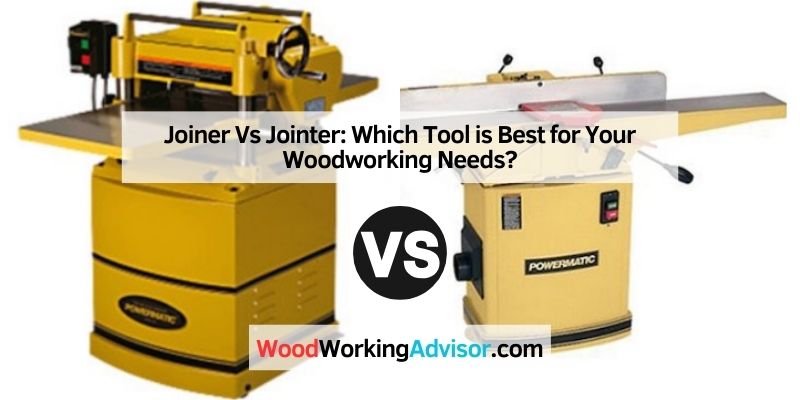
Joiner Vs Jointer: Which Tool is Best for Your Woodworking Needs?
Understanding the difference between a joiner and a jointer is crucial for woodworking enthusiasts. Both tools are essential, but they serve different purposes.
Woodworking can be a rewarding hobby or profession. It requires the right tools and skills. Knowing which tool to use can make a big difference in your projects. A joiner and a jointer are often confused due to their similar names.
But, they have distinct functions. This comparison will help you understand their roles better. By the end of this post, you will know which tool is best for your needs. Whether you’re a beginner or an experienced woodworker, this guide will clear up any confusion. Let’s dive in and explore the joiner and jointer.
Introduction To Woodworking Tools
Choosing the right tool is crucial in woodworking. It makes the work easier. It also ensures better results. A wrong tool can ruin your project. It can also waste your time and materials. Always pick the right tool for the job. This helps you work safely and efficiently.
Woodworking involves various tools. Some are basic, like hammers and saws. Others are specialized, like joiners and jointers. Each tool has its unique purpose. Knowing their uses helps you choose wisely. Always keep your tools in good condition. This ensures they work well and last longer.
Credit: www.woodworkersjournal.com
What Is A Joiner?
A joiner is a woodworker. They join pieces of wood. Their main job is to create strong connections. They often make things like doors, windows, and furniture. Joiners use many tools. These tools help them cut and shape wood.
| Type | Description |
|---|---|
| Cabinet Joiner | Makes cabinets and shelves. |
| Bench Joiner | Works in a workshop, making furniture. |
| Site Joiner | Works on construction sites, fitting woodwork. |
What Is A Jointer?
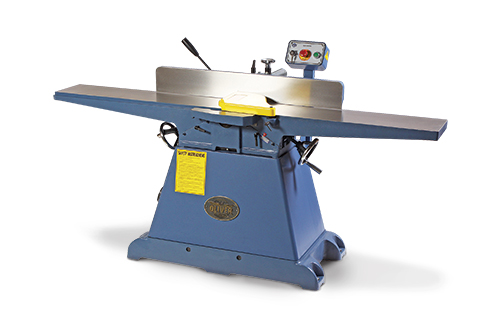
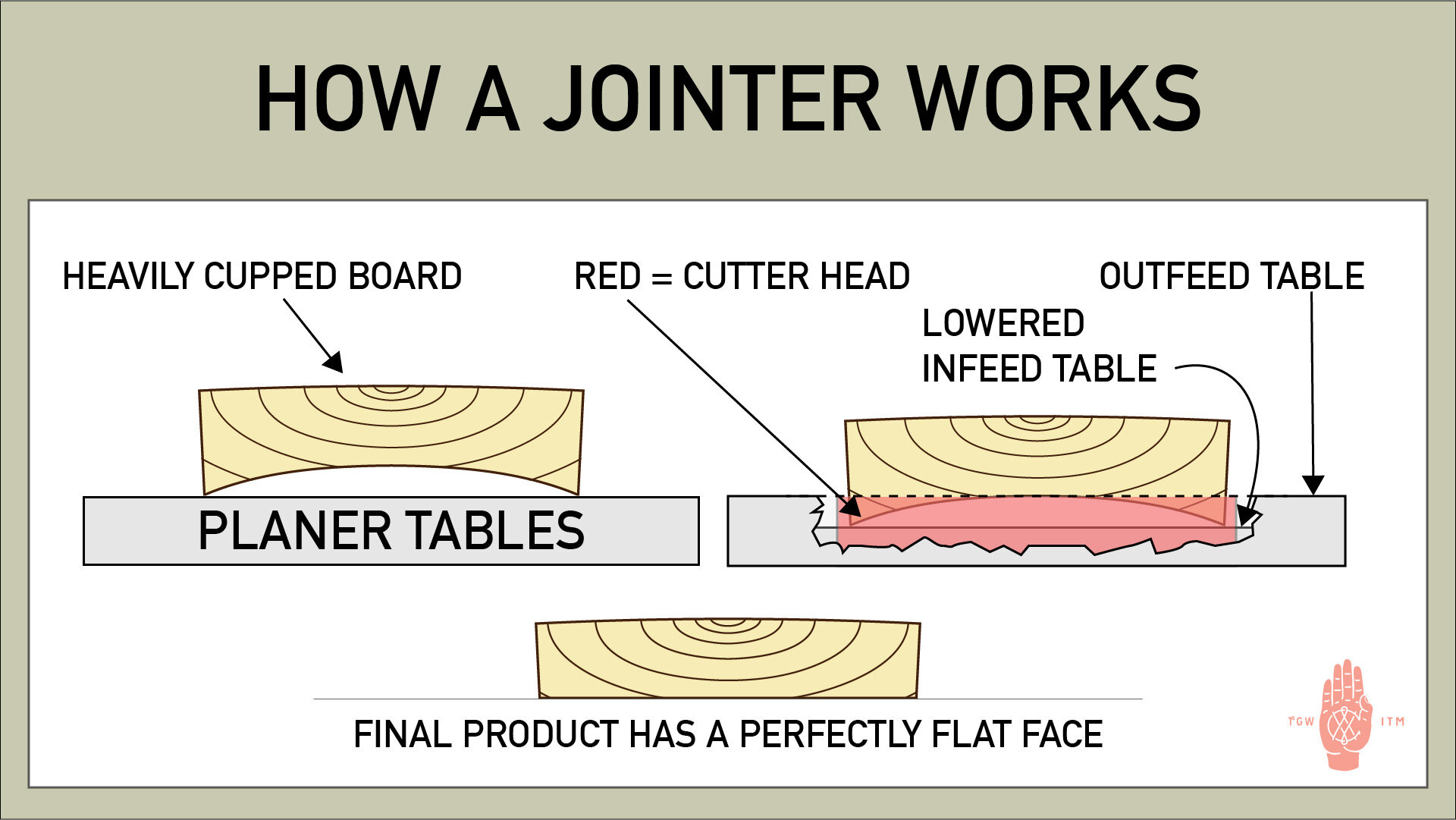
A jointer smooths wood. It makes edges straight. This tool is important in woodworking. It helps create flat surfaces. These surfaces are easy to join together. A jointer makes work easier and faster. It is a key tool in any workshop.
There are several types of jointers. Each has a special use. Benchtop jointers are small and portable. Long bed jointers are bigger and more stable. Closed stand jointers offer more power. Open stand jointers are lighter and cost less. Choosing the right jointer depends on the project. Different types fit different needs.
Credit: craftswright.com
Key Differences Between Joiner And Jointer
A joiner is a person who makes wooden furniture and structures. They use hand tools and machines to cut, shape, and join wood. Joiners often work on doors, windows, and stairs. Their work is detailed and precise.
A jointer is a machine used to smooth and flatten wood surfaces. It has blades that trim edges and make wood straight. Woodworkers use jointers to prepare wood for further use. This machine is vital for getting perfect edges.
Joiners create furniture and structures from wood. They make items like cabinets, tables, and chairs. Their work is often seen in homes and buildings. Joiners also repair wooden items.
Jointers are tools used by woodworkers to prepare wood pieces. They make wood flat and straight before other steps. This tool is key for getting smooth surfaces and perfect edges.
Pros And Cons Of Using A Joiner
A joiner can make edges smooth. It helps in making strong joints. With a joiner, wood pieces fit perfectly. This tool is great for making cabinets. It can save time on big projects. Portable joiners are easy to use. They do not need much setup.
Joiners can be expensive. They may not be suitable for small projects. Sometimes, they need regular maintenance. Blades can get dull fast. This tool can be heavy to move around. There can be a learning curve. Mistakes can ruin the wood.
Pros And Cons Of Using A Jointer
A jointer makes wood pieces flat and smooth. Flat wood is easier to work with. Jointer machines save time. Precise cuts are possible. Uneven wood is fixed quickly. Edges can be trimmed well. Large pieces can be handled easily. Perfect alignment is achieved.
Jointer machines can be costly. Initial cost is high. Maintenance is required. Safety must be considered. Space is needed for storage. Noise can be a problem. Dust might be created. Skills are necessary for use.
Choosing The Right Tool For Your Project
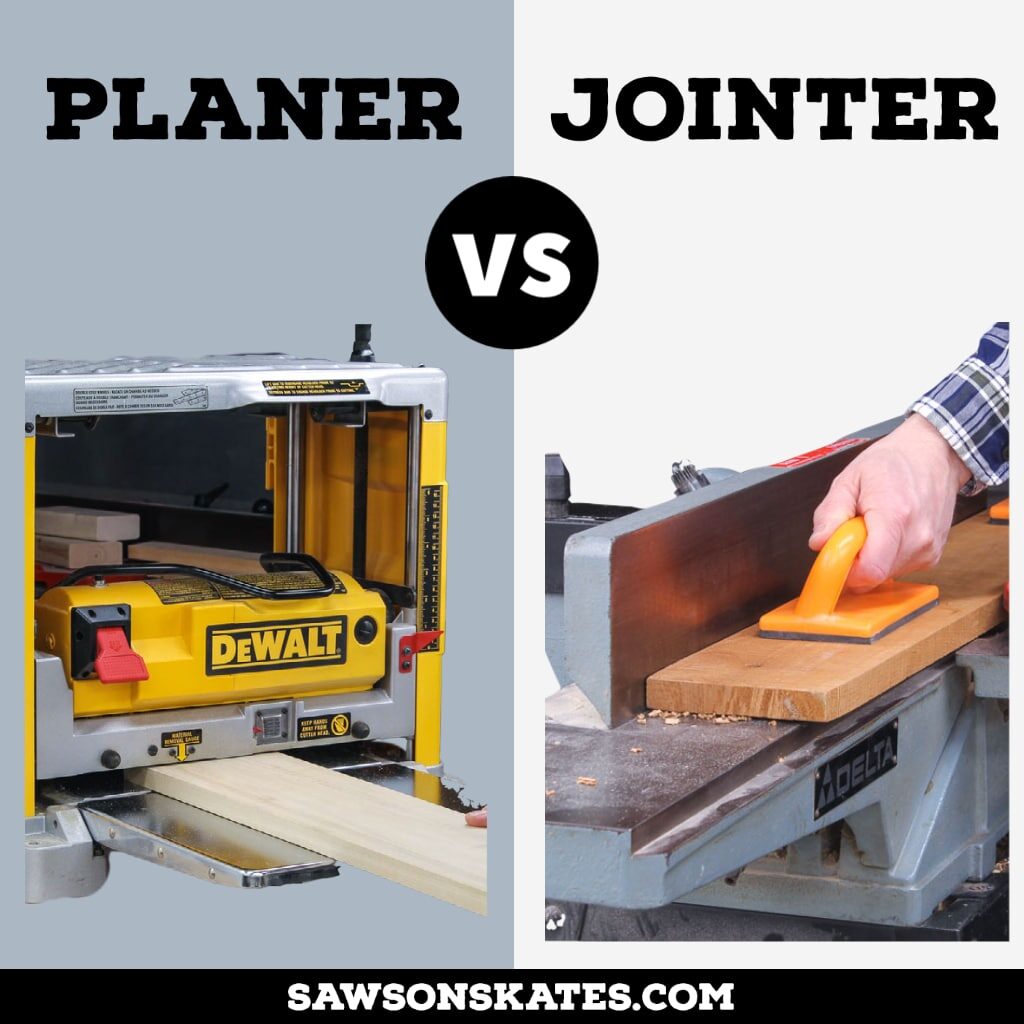
Project requirements are the first thing to think about. A joiner is great for connecting pieces of wood. A jointer makes edges smooth and flat. They serve different purposes. Decide what your project needs.
Consider the size of your project. Big projects may need a jointer. Small ones might only need a joiner. Think about your workspace. Jointers are bigger and need more space. Joiners are smaller and easier to store.
Look at your budget. Jointers are often more expensive. Joiners can be cheaper. You must think about the cost. Quality matters too. Cheaper tools might not last long.
Credit: sawsonskates.com
Frequently Asked Questions
Is It A Jointer Or A Joiner?
A jointer smooths and flattens wood surfaces. A joiner joins pieces of wood together. They serve different purposes.
Why Is A Jointer Called A Jointer?
A jointer is called a jointer because it is used to create flat surfaces, allowing wood pieces to join seamlessly.
What Is A Joiner Tool Used For?
A joiner tool is used to create precise, strong joints in woodworking projects, ensuring a seamless fit.
Why Are Joiners Called Joiners?
Joiners are called joiners because they specialize in joining wood pieces together to create structures and furniture.
Conclusion
Choosing between a joiner and a jointer depends on your woodworking needs. Joiners help in assembling pieces, while jointers make edges straight and smooth. Each tool serves a unique purpose. Understand your project requirements to decide wisely. Investing in the right tool can enhance your woodworking skills.
Happy woodworking!