Maple Hardwood Flooring vs Oak: Which Scratches Less?
Maple hardwood is usually harder than oak and can resist dents a bit better, while oak often hides light scratches more effectively because its grain can break up small marks. If dent resistance matters most, Maple has the edge. If you care more about how visible wear will be under daily light, Oak often looks better longer. This guide compares scratch resistance, scratch visibility, grain, and finish so you can pick the better floor for your home.
| Decision factor | Maple Hardwood Flooring | Oak | Winner |
|---|---|---|---|
| Scratch visibility | Lighter, smoother surfaces can make fine marks easier to see. | Open grain and color variation help blend minor scuffs. | Oak |
| Dent resistance | Usually harder than red oak, so it often resists dents well. | Red oak is softer; white oak is closer, but still usually below hard maple. | Maple Hardwood Flooring |
| Grain masking | Fine grain leaves less visual noise to hide wear. | Open grain can interrupt the look of small scratches. | Oak |
| Pet-friendliness | Can look marked sooner if claws and grit cut across a smooth finish. | Often hides small claw marks better, especially in a matte finish. | Oak |
| Finish sensitivity | Glossy finishes can make marks stand out sharply. | Also affected by sheen, but grain often softens the look of wear. | Oak |
What each score means for scratches, dents, grain, pets, and finish
These scores are about what you see, not just what the wood can absorb. The Janka hardness scale measures resistance to denting under an indenter, so it is commonly used to compare species, but it does not capture the full picture of surface scratches, finish wear, or how clearly damage shows in a room.
Scratch visibility is about appearance. A floor can be harder and still show more fine lines if it has a light color, a smooth grain, and a glossy topcoat. Pet-friendliness depends on how well the floor hides claw marks, chair drag, and grit tracked in from outside.
Does maple flooring scratch more than oak?
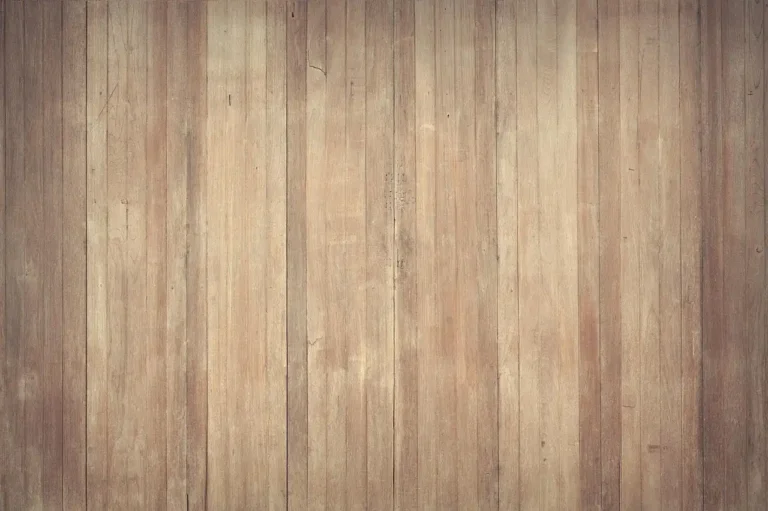
Maple flooring does not always scratch more than oak in a physical sense, but it often shows scratches more clearly than oak. That is because oak’s open grain and stronger color variation can break up light scuffs, while maple’s tighter grain and lighter, cleaner look leave marks easier to spot.
Why maple can look more marked sooner
Hard maple, often sold as sugar maple, is commonly harder than red oak on the Janka scale. Even so, a small surface scratch on a pale, smooth maple floor can stand out in daylight more than the same mark on oak, especially if the finish is glossy.
Say your kitchen has a pale maple floor, three rolling chairs, and a back door that tracks in grit. The floor may still resist dents well, but the tiny abrasive marks from chair legs and shoes can read as fresh wear long before the wood itself is deeply damaged.
Why oak can hide minor wear better
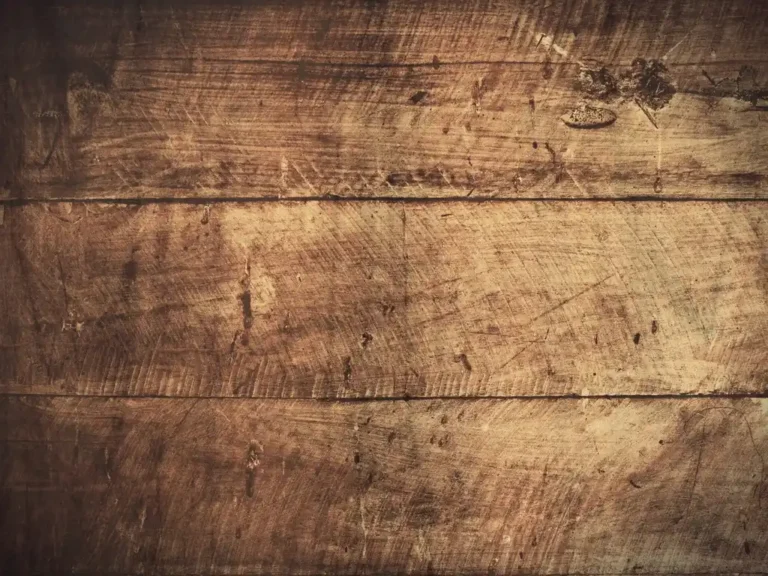
Oak’s grain is the visual advantage. Red oak and white oak both have more texture than maple, so small scratches can disappear into the pattern instead of tracing a clean line across the board. That does not make oak scratch-proof; it just makes minor wear less obvious.
A common first-timer mistake is choosing the hardest wood and assuming it will look best under daily use. In a bright room with lots of foot traffic, the floor that hides marks may look better longer than the floor with the better hardness number.
Is red oak or white oak harder for floors?
White oak is usually harder than red oak, so it generally offers better dent resistance for floors. Both are common flooring species in the U.S., but red oak is the softer baseline of the two, while white oak usually lands higher on the Janka scale and holds up better under impact.
How the Janka scale separates the oaks
The Janka hardness scale measures how much force is needed to embed a steel ball into wood. Higher numbers usually mean better dent resistance, which matters for dropped cookware, moving furniture, and high heels. For those impacts, white oak has the edge over red oak.
Red oak can still be a practical floor, especially if you want a familiar grain and a lower-cost option in many markets. It just gives up some dent resistance compared with white oak, which matters in kitchens, halls, and other rooms where objects are more likely to land hard.
Where red oak still makes sense
Red oak remains a solid pick when you want a traditional look and a grain pattern that helps mask everyday wear. If the room does not see much dropped-object damage, and you plan to use rugs, felt pads, and regular sweeping, red oak can perform well enough without feeling precious.
How finish changes scratch visibility
Finish choice can change how both maple and oak wear in daily use. Polyurethane, aluminum oxide, oil-modified finish, and hardwax oil all protect the surface in different ways, but sheen level often changes scratch visibility more than people expect. Matte and low-sheen finishes tend to hide marks better than gloss because they scatter light instead of producing sharp reflections.
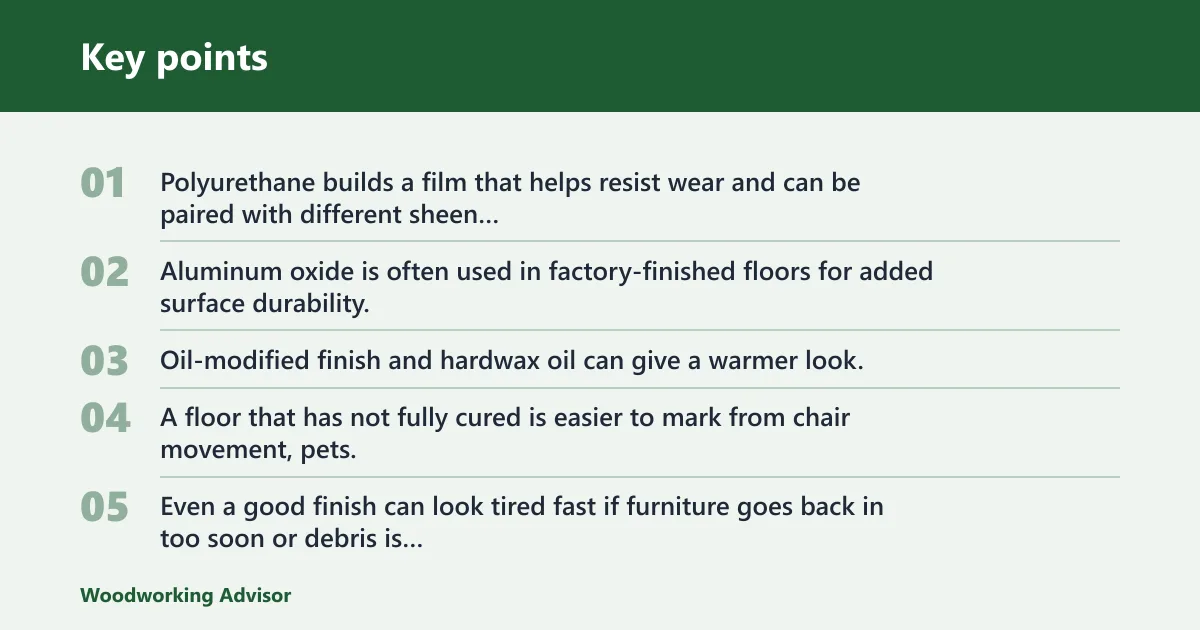
Polyurethane, aluminum oxide, oil-modified finish, and hardwax oil
Polyurethane builds a film that helps resist wear and can be paired with different sheen levels. Aluminum oxide is often used in factory-finished floors for added surface durability. Oil-modified finish and hardwax oil can give a warmer look, but the exact scratch behavior depends on build, sheen, and how the finish cures.
Cure time matters most early on. A floor that has not fully cured is easier to mark from chair movement, pets, and grit under shoes. Even a good finish can look tired fast if furniture goes back in too soon or debris is left to grind across the surface.
Why matte hides marks better than gloss
Gloss reflects light strongly, so fine scratches catch your eye. Matte and low-sheen finishes scatter light more, which makes small scuffs less obvious on both maple and oak. If visibility is the issue, sheen choice can matter as much as species.
Finish color also matters. Some floors amber with age, and UV exposure can change how scratches read against the surrounding surface. A mark that looks pale on day one may be less noticeable after the finish tones shift, or more noticeable if the surrounding floor darkens unevenly.
Choose Maple Hardwood Flooring if… / Choose Oak if…
Choose Maple Hardwood Flooring if you want stronger dent resistance, a cleaner and more uniform look, and you are willing to keep the finish low-sheen and the room clean. Choose Oak if you want a floor that is more forgiving visually under day-to-day scuffs, especially in homes with pets, chairs, and grit near the entry.
Choose maple hardwood flooring if…
- You care more about resisting dents from dropped objects or high heels.
- You prefer a smoother, more uniform look across the floor.
- You are comfortable using rugs, felt pads, and careful grit control.
- You plan to use a matte or low-sheen finish to limit visible scratches.
Choose Oak if…
- You want light scratches and scuffs to blend into the grain.
- You have pets that track in grit or leave micro-scratches from claws.
- You expect chair legs, barstools, and frequent foot traffic.
- You want a floor that looks lived-in without showing every small mark.
Best pick for busy households, pets, and high-traffic rooms
For a busy household, Oak is usually the safer visual choice, while White Oak is the stronger oak option for dent resistance. For pets, oak often hides claw marks better, but only if you keep nails trimmed and use felt pads and rugs where furniture moves. For high-traffic rooms, finish quality and daily cleaning matter almost as much as species.
- Sweep or vacuum grit often so abrasive particles do not grind into the finish.
- Add felt pads to chair and table legs.
- Use rugs or runners in entry paths and under rolling chairs.
- Trim pet nails regularly.
- Choose a low-sheen finish if scratch visibility is a concern.
Choose Maple Hardwood Flooring if the room sees more impact than abrasion. Choose Oak if the room sees more visible scuffs than dropped objects. In many homes, that means oak is the better-looking floor over time, while maple is the stronger dent fighter.

Frequently asked questions
Which hardwood is better for pets, maple or oak?
Oak is usually better for pets if you care about how scratches look, because its grain can hide claw marks and small scuffs. Maple may resist dents well, but it can show fine surface wear more clearly. Regular nail trimming and felt pads still matter with either species.
Does maple dent easier than oak?
Compared with red oak, maple usually dents less because it is harder on the Janka scale. Compared with white oak, the gap is smaller, but maple often still has the edge in dent resistance. That advantage does not automatically make it the better-looking floor under scratches.
Should I choose red oak, white oak, or maple for a kitchen?
For a kitchen, white oak is often the safest all-around pick if you want better dent resistance and decent scratch camouflage. Maple makes sense if you want a harder floor with a cleaner look, while red oak works if you want a traditional floor that hides minor wear well.
Does floor finish change how much maple or oak scratches?
Yes. Finish changes both protection and visibility. Matte or low-sheen finishes usually hide scratches better than gloss, while durable factory finishes can resist wear longer. Cure time matters too, because a floor can be easier to mark before the finish fully hardens and settles.
Sponsored / affiliate links. As an Amazon Associate I earn from qualifying purchases. I may earn additional commission from eligible campaigns.