MDF Advantages and Disadvantages: Key Insights Unveiled
When it comes to choosing materials for your home or office projects, Medium Density Fiberboard (MDF) often comes up as a popular option. But is it the right choice for you?
Understanding the advantages and disadvantages of MDF could save you time, money, and potential headaches in your DIY or professional endeavors. Imagine creating a beautiful, durable piece of furniture or a sleek cabinet that perfectly fits your space. But, what if it doesn’t hold up as expected?
Wouldn’t you want to know beforehand if MDF can meet your needs? By learning about both its strengths and weaknesses, you can make an informed decision that aligns with your goals and expectations. Keep reading to discover everything you need to know about MDF, so you can decide if it’s the ideal material for your next project.
What Is MDF?
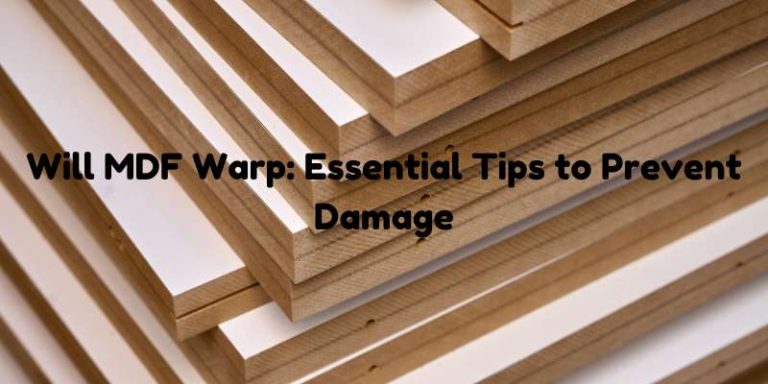
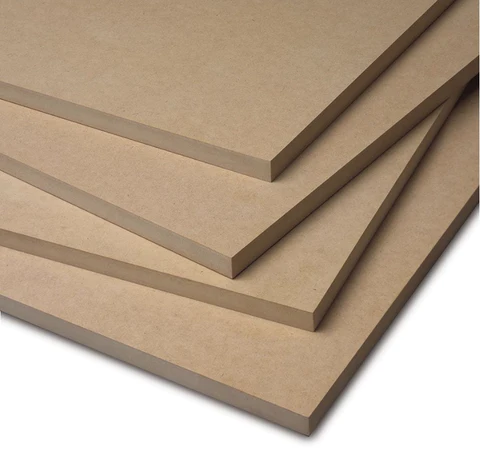
MDF stands for Medium Density Fiberboard. It is a type of wood product. MDF is made by breaking down hardwood or softwood. The wood is mixed with wax and resin. Then, it is pressed into panels. MDF is smooth and dense. It is used in furniture and cabinets. MDF is less expensive than solid wood. It is easy to paint and shape. MDF is heavier than plywood. It is not as strong as solid wood. MDF is not water-resistant. It can swell if it gets wet. MDF is a popular choice for many projects.
Manufacturing Process
MDF stands for Medium Density Fiberboard. Wood fibers are used to make MDF. These fibers come from wood waste. Wax and resin glue are added to the fibers. This mix is heated and pressed. This step makes the board dense and firm. A machine cuts the MDF into sheets. The sheets are smooth and flat. MDF is easy to shape and cut. This makes it useful for furniture. It is also used in cabinets. MDF is cheaper than solid wood. But it is not as strong. It can break if not handled carefully. MDF can swell with water. So, it must be kept dry. MDF is heavy. Moving it requires care. It is good for indoor use. Always seal MDF with paint or laminate.
Advantages Of MDF
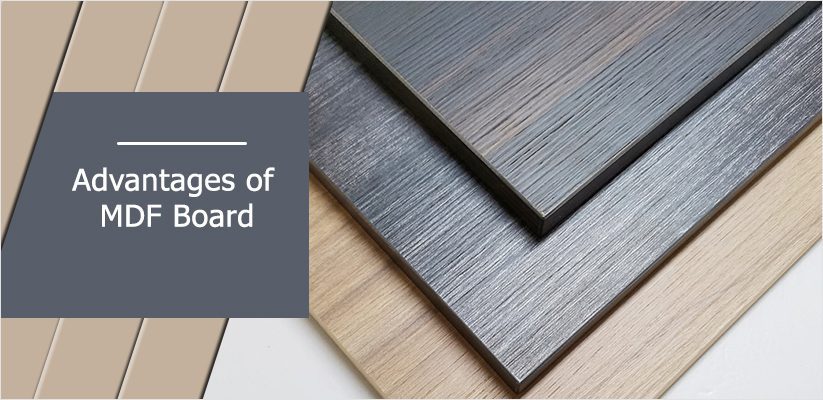
MDF is usually cheaper than solid wood. Its production costs are low. This makes it affordable for many people. Budget-friendly option for furniture and projects. Saves money while still being useful. Good choice for those with limited budgets.
MDF has a smooth surface. Easy to paint or laminate. No knots or grain like wood. Ideal for fine finishes. Looks nice and clean. Perfect for detailed work. Can be used in many settings.
MDF is highly versatile. Can be shaped easily. Allows for creative designs. Can be cut, drilled, and molded. Endless possibilities for design. Used in various furniture styles. Ideal for custom projects.
MDF uses wood fibers. Reduces waste. Eco-friendly choice for builders. Recycles wood products. Helps reduce deforestation. Good for the environment. Supports sustainable practices. A responsible choice for eco-conscious people.

Credit: pakitchencabinets.com
Disadvantages Of MDF
MDF is not as strong as solid wood. It can break easily. Heavy loads can damage it. It might sag over time.
MDF swells with water. It is not waterproof. Wet areas are bad for it. Bathrooms and kitchens can harm it.
MDF can release dust. Dust might cause breathing problems. It has formaldehyde. This chemical can be harmful.
MDF does not last long. It can wear out quickly. Frequent use can damage it. Scratches and dents are common.
Comparing MDF To Other Materials
MDF and plywood are popular for furniture. MDF is smooth and easy to paint. Plywood is strong and resists water. MDF can chip easily. Plywood holds screws well. MDF is cheaper than plywood. Plywood can warp. MDF is perfect for indoor use. Plywood works well outdoors.
Solid wood is natural and beautiful. MDF is cheaper than solid wood. Solid wood lasts a long time. MDF is smooth and easy to cut. Solid wood can be heavy. MDF is lighter than solid wood. Solid wood can handle water. MDF may swell with water. MDF is great for painted surfaces.
Credit: guilincabinets.com
Applications Of MDF
MDF is used to make furniture. It is smooth and easy to shape. This makes it good for tables and chairs. It is cheaper than solid wood. Many people like this. Also, it holds paint well. This makes it look nice in homes.
MDF is used in interior design. It is easy to cut and shape. Designers use it for walls and ceilings. It can be painted in many colors. This makes rooms look pretty. MDF is also light. Moving it is easy.
MDF is popular for making cabinets. It is strong and holds screws well. This keeps cabinets together. It is also smooth. This makes it good for kitchen and bathroom cabinets. People like its neat look. It is easy to clean. This keeps homes tidy.
Tips For Working With MDF
MDF offers a smooth surface for painting and cutting. Its affordability attracts many, but it can be heavy and not water-resistant. Carefully consider its application to avoid mishaps in humid areas.
Cutting And Shaping
Use sharp tools for clean cuts. MDF can dull blades quickly. Wear a mask to protect from dust. Support the board while cutting. Avoid chipping by cutting slowly. Sanding edges smooths them. Plan your cuts carefully. Use a guide for straight lines. Check measurements twice.
Finishing Techniques
Seal MDF before painting. Use primer for best results. Sand between coats for smoothness. Apply paint evenly with a roller. Choose quality paints for durability. Decorate with varnish for shine. Test colors on a small area. Protect edges with extra coats. Avoid water-based paints without sealing.
Safety Precautions
Wear goggles for eye safety. Use gloves to protect hands. Ensure ventilation in the work area. Avoid inhaling dust particles. Keep tools away from children. Use clamps to secure MDF. Store MDF flat to avoid warping. Keep a first-aid kit handy.
Frequently Asked Questions
What Are 5 Advantages Of MDF?
MDF is cost-effective and versatile, allowing easy customization and a smooth finish. It resists warping and cracking, offering durability. It’s eco-friendly, often made from recycled wood fibers.
What Are The Disadvantages Of MDF?
MDF lacks water resistance, making it unsuitable for damp areas. It can easily dent or scratch. MDF contains formaldehyde, which can off-gas. It is not as strong as solid wood, limiting load-bearing use. MDF requires a sealed finish to prevent moisture damage.
When Should You Not Use MDF?
Avoid using MDF in high-moisture areas like bathrooms or kitchens. It swells and deteriorates when wet. MDF is not suitable for structural applications due to its lack of strength. Use alternatives for outdoor projects as MDF can’t withstand weather exposure.
Choose solid wood for durability and load-bearing needs.
How Long Will MDF Board Last?
MDF board typically lasts 10-15 years if properly maintained. Its lifespan depends on usage and environmental conditions. Regular cleaning and avoiding moisture exposure can extend its durability. Ideal for indoor use, MDF is less suitable for areas with high humidity.
Proper care ensures longer-lasting performance and aesthetic appeal.
Conclusion
MDF provides a budget-friendly option for many projects. Its smooth surface is ideal for painting. Easy to cut and shape, it suits various designs. Yet, it absorbs moisture quickly, risking damage. Heavy in weight, it can be hard to handle.
Not as strong as solid wood, so it may not last as long. Consider your needs carefully before choosing MDF. It works well for indoor uses but is less suited for wet areas. Balancing the pros and cons helps make the right choice.
Use MDF wisely to achieve the best results.