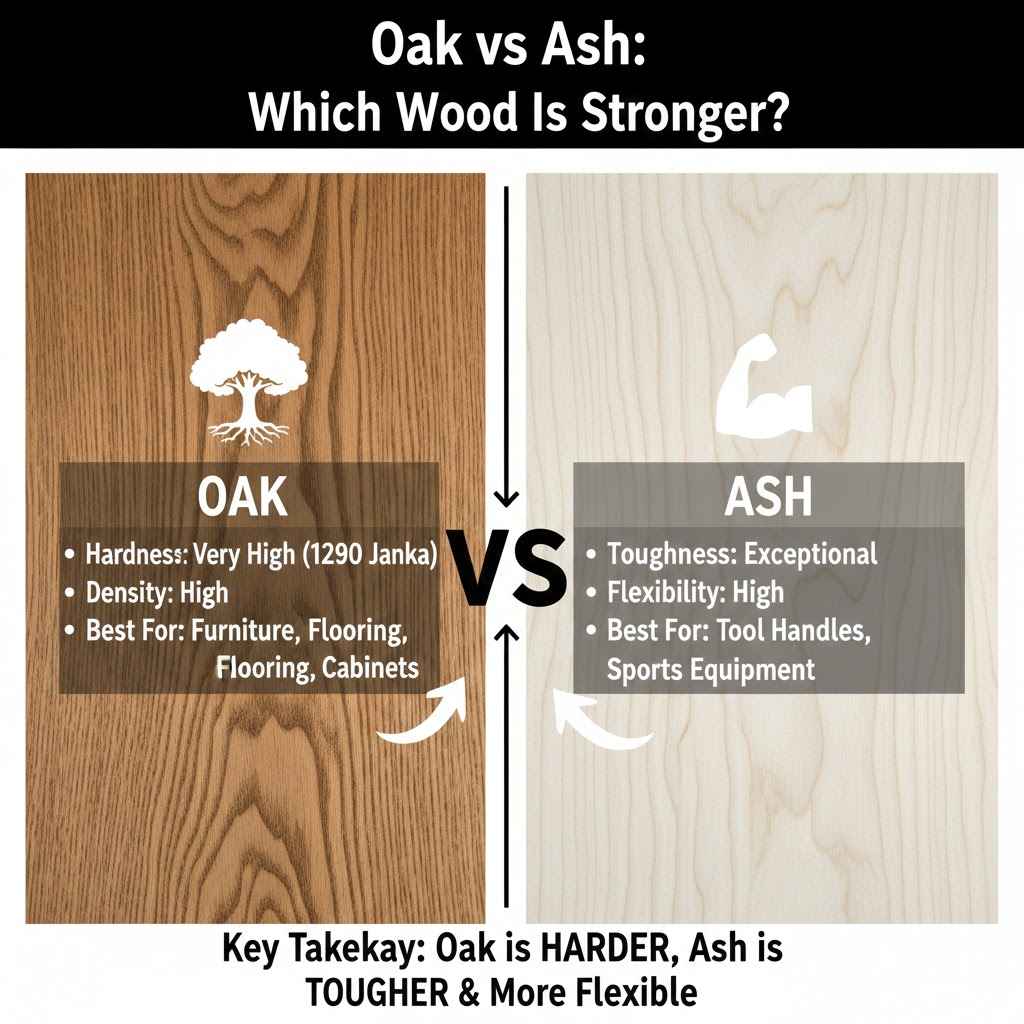
Oak vs Ash: Which Wood Is Stronger?
Deciding between oak and ash for a project can feel tricky. You hear they are both super strong woods, but which one truly wins? It’s a common question for anyone starting out with woodworking or furniture making.
Don’t worry! This guide breaks it all down super simply. We’ll look at what makes each wood great and help you pick the best one.
Get ready to see how easy it is to figure out Oak vs Ash: Which Wood Is Stronger?
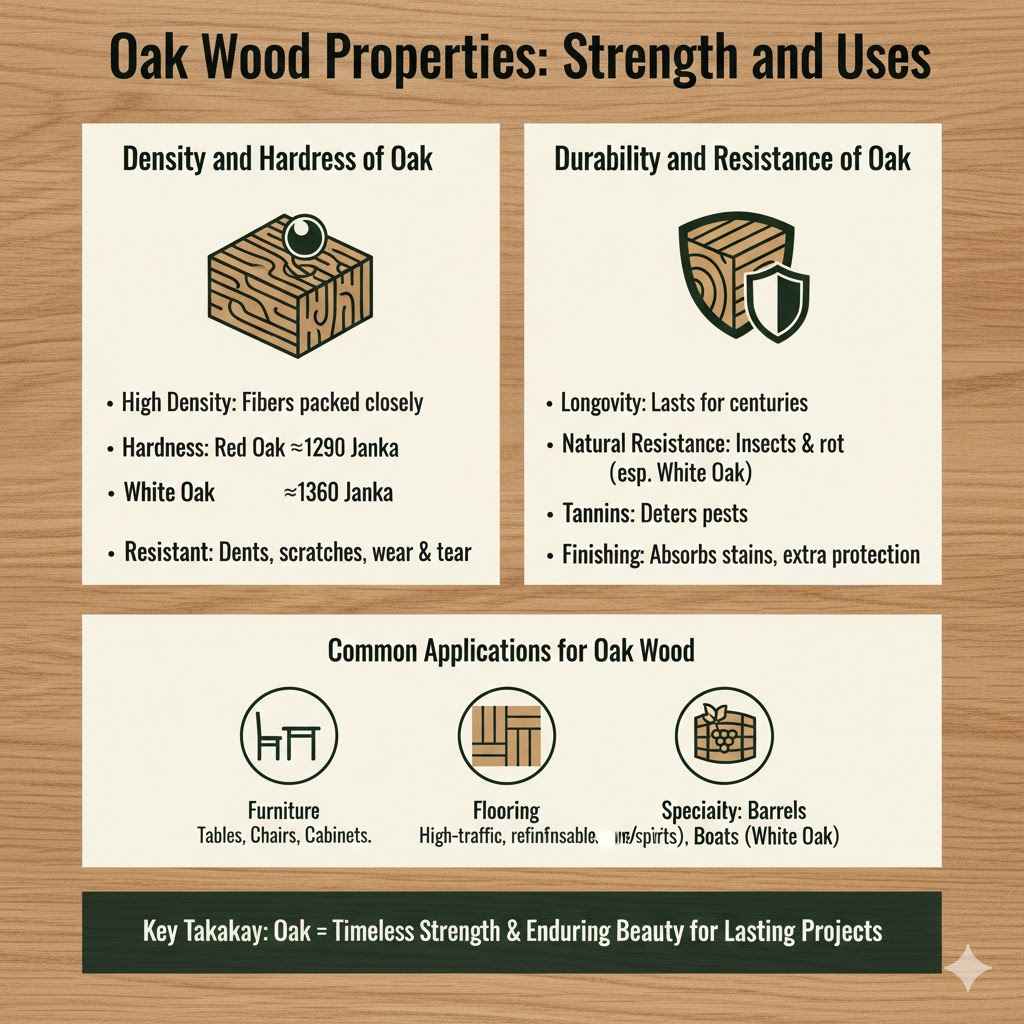
Oak Wood Properties Strength and Uses
Oak is a classic choice for many reasons. It’s known for its tough nature and how well it holds up over time. This makes it a go-to for things that need to last.
We will explore what makes oak so special, looking at its natural toughness and all the cool stuff people build with it. You’ll learn why it’s been a favorite for ages.
Density and Hardness of Oak
Oak wood is quite dense. This means there are a lot of wood fibers packed closely together. Think of it like a really solid sponge versus a fluffy one.
The tighter the packing, the harder it is to dent or scratch. This density is measured on scales like the Janka hardness test.
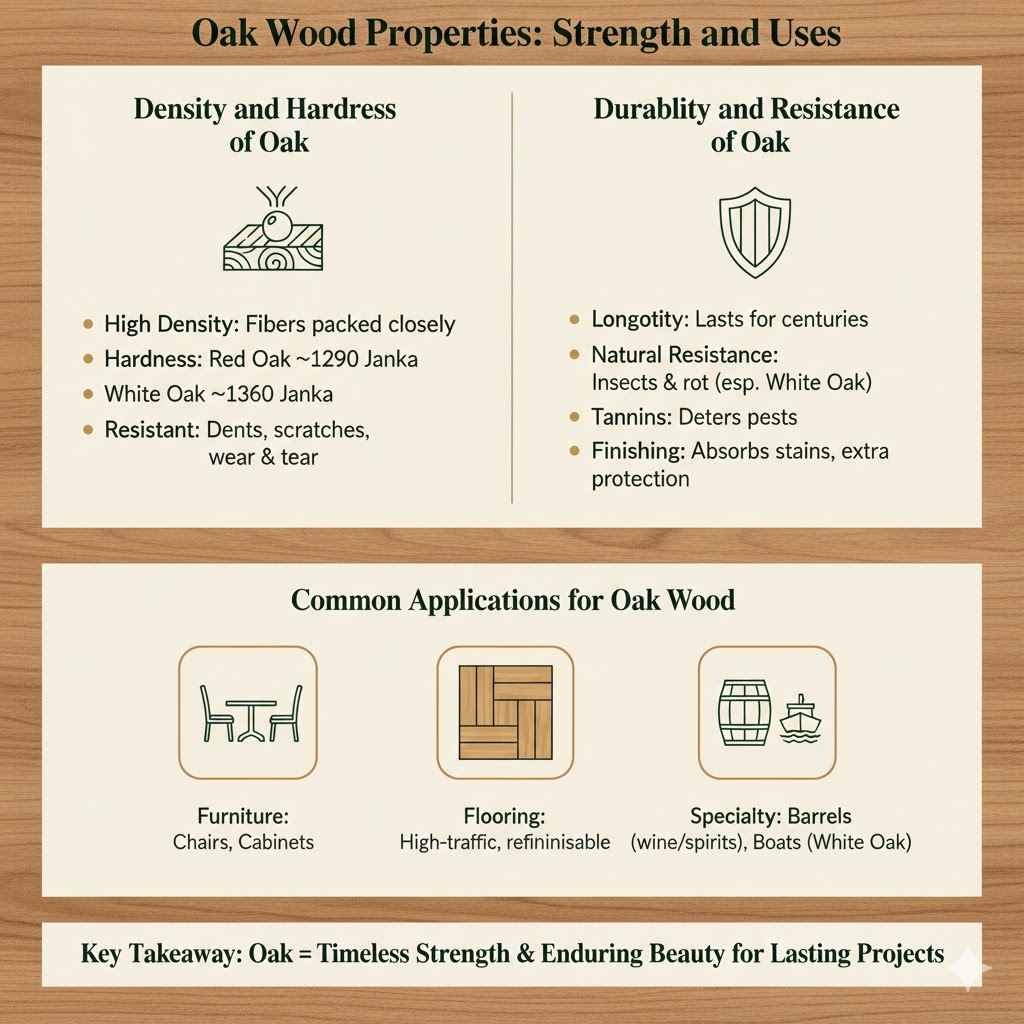
The Janka scale shows how much force it takes to push a steel ball halfway into a piece of wood. For red oak, this is around 1290 pounds-force. White oak is even harder, coming in at about 1360 pounds-force.
This tells us oak is a hard wood, much harder than softer woods like pine.
The hardness makes oak very resistant to wear and tear. This is why it’s used for flooring, which gets a lot of foot traffic. It also means oak furniture can handle being used every day without easily getting scratched or dinged.
Its natural toughness is a big part of its appeal.
The structure of oak also contributes to its strength. It has a cellular structure with tyloses, which are balloon-like growths that fill the large pores. This makes white oak very resistant to water and decay, adding to its durability.
Red oak doesn’t have as many tyloses, making it a bit less resistant to moisture.
When you compare oak to other woods, its hardness stands out. It’s significantly harder than woods like maple or cherry, though these woods have their own unique strengths. For projects where maximum durability is key, oak often rises to the top.
The dense nature of oak also means it can be heavier than many other wood types. This weight is another indicator of its solid construction. When you pick up a piece of oak, you can feel its substantial quality.
This heft is part of why it feels so strong.
Durability and Resistance of Oak
Oak is famous for being a durable wood. It can last for a very long time, even when exposed to different conditions. This is why old oak furniture and structures are still around today.
They have stood the test of time because of oak’s natural resistance.
One key factor in oak’s durability is its natural resistance to insects and rot. White oak, in particular, is very resistant to decay. This is due to its tight grain and the presence of tannins, which are natural compounds that deter pests and fungal growth.
This makes it a great choice for outdoor projects or areas where moisture might be an issue.
Red oak is also quite durable, though not as much as white oak when it comes to moisture. It still offers good resistance to decay and insects compared to many other hardwoods. This means both types of oak can be used for a wide range of applications where longevity is important.
The open-grained structure of oak, especially red oak, allows for good penetration of finishes. This means stains and sealants can soak in well, offering extra protection. Proper finishing can further enhance oak’s natural durability, making it even more resistant to scratches and stains.
Consider historical buildings that have stood for centuries; many of them feature oak beams and structures. This is a testament to its remarkable ability to withstand the elements and the passage of time. The wood’s resilience means less frequent repairs and replacements.
When selecting oak, understanding the difference between red and white oak is helpful. White oak is generally preferred for outdoor use due to its superior water resistance. However, both types offer excellent durability for indoor furniture, flooring, and cabinetry.
The natural oils present in oak also play a role in its durability. These oils act as a protective barrier, repelling moisture and contributing to the wood’s long lifespan. This inherent quality makes oak a reliable material for demanding projects.
Common Applications for Oak Wood
Because of its strength and beauty, oak is used in many different ways. Furniture makers love oak for building strong, lasting tables, chairs, and cabinets. Its classic look fits well in many home styles.
Flooring is another big use for oak. Hardwood floors made from oak can last for many decades. They can be sanded and refinished multiple times, giving them a new look and extending their life even further.
This makes oak floors a smart investment for many homes.
Oak is also a popular choice for cabinetry in kitchens and bathrooms. Its durability means it can handle the daily use these areas see. The rich grain patterns add a touch of elegance to any room.
Cabinets made from oak tend to be very sturdy and look great for years.
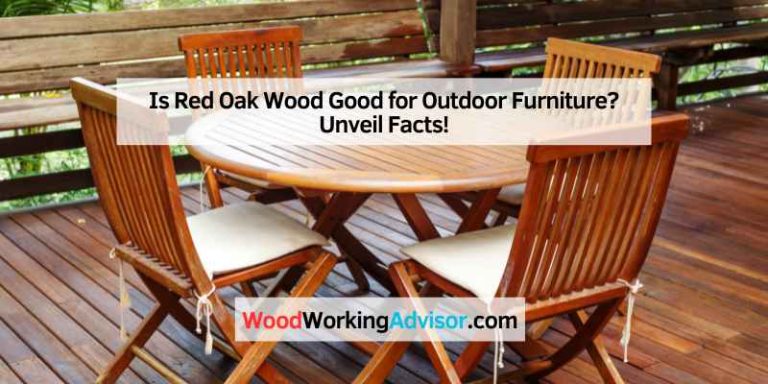
You’ll also find oak used in exterior applications like decking, fences, and even boat building, especially white oak. Its resistance to moisture and decay makes it ideal for these tougher environments. It can withstand exposure to the weather better than many other woods.
Other uses include architectural elements like trim, molding, and stair railings. These pieces often see a lot of contact and need to be strong and visually appealing. Oak delivers on both fronts, providing a sense of quality and permanence.
In barrel making, especially for wine and spirits, oak is the traditional material. The wood imparts flavor and allows for controlled aging. This specialized use highlights oak’s unique properties and its interaction with liquids over time.
Its workability is also good for its hardness. While it can dull tools faster than softer woods, oak can be cut, shaped, and joined with proper equipment. This makes it accessible for both professional woodworkers and serious DIY enthusiasts.
The distinct grain of oak, which includes ray flecks, gives it a beautiful and recognizable appearance. This natural pattern is often highlighted when finished, adding to its aesthetic appeal in various applications.
Ash Wood Properties Strength and Uses
Ash is another strong wood that people often consider. It’s known for being tough and flexible, which is great for certain kinds of projects. We will look at what makes ash such a reliable material and where it shines best.
You’ll learn why it’s a favorite for things that need to bend without breaking.
Density and Hardness of Ash
Ash wood is also quite dense and hard. It has a good weight to it, showing its solid structure. This density contributes a lot to its overall strength and durability.
Like oak, its hardness is measured to give us an idea of its toughness.
On the Janka hardness scale, white ash typically falls around 1320 pounds-force. This puts it very close to white oak in terms of its resistance to denting and scratching. It’s definitely a hard wood, capable of withstanding a good amount of wear.
The grain pattern of ash is usually straight and coarse. This consistent grain structure helps it achieve high tensile strength, meaning it can resist being pulled apart. This is a key characteristic that sets ash apart from some other hardwoods.
While its hardness is comparable to oak, the way ash performs under stress can differ. Its toughness and ability to absorb shock are often highlighted as key advantages. This makes it suitable for applications where impact is a concern.
The density also means ash has a good weight, similar to oak. This solid feel is often associated with quality and longevity in wooden items. When working with ash, you’ll notice its substantial presence.
The cellular structure of ash contributes to its strength. It has large pores, but the wood itself is robust. This combination of density and grain structure allows it to be both hard and somewhat shock-absorbent.
Compared to oak, ash might be slightly less resistant to decay, but its hardness is very competitive. The choice between them often comes down to specific performance needs and aesthetic preferences.
The smooth, straight grain can also make ash easier to work with in some ways compared to the more irregular grain sometimes found in oak. This can be an advantage for craftsmen looking for predictable machining. However, its density still requires sharp tools.
Durability and Resistance of Ash
Ash is known for its excellent durability and its ability to withstand significant stress. It’s a tough wood that can handle a lot of use and abuse. This makes it a great choice for items that need to be strong and long-lasting.
One of the standout qualities of ash is its shock resistance. This means it can absorb impacts without breaking or cracking. This is why ash has historically been used for tool handles, baseball bats, and even some types of sporting equipment.
The wood has good flexibility, allowing it to bend under pressure before failing. This combination of hardness and flexibility makes it very resilient. It can spring back from impacts rather than splintering or snapping.
Ash is also reasonably resistant to decay, though typically not as much as white oak. It can be used for outdoor applications, but it might require more diligent sealing and maintenance to protect it from moisture and insects. For indoor use, its durability is excellent.
The straight grain of ash contributes to its strength. This consistent structure means that stress is distributed evenly throughout the wood, reducing the likelihood of weak points.
When compared to other hardwoods, ash often ranks highly for its toughness. It’s a wood that can take a beating and keep on performing. This makes it a practical choice for projects that will be subjected to frequent use or impact.
While ash doesn’t have the same natural pest resistance as some other woods, its strong structure provides a good defense. Proper finishing can further enhance its protective qualities against environmental factors.
The way ash responds to steam bending is another aspect of its durability. It can be bent into curved shapes without losing much of its structural integrity, making it useful for furniture with intricate designs.
Ash is a wood that can offer a great balance of strength, toughness, and aesthetic appeal. Its ability to withstand shock and bending makes it a practical and reliable material for many demanding applications.
Common Applications for Ash Wood
Ash is a very versatile wood, and its unique properties make it ideal for specific uses. One of its most famous applications is in the making of tool handles, like those for hammers, axes, and shovels. The wood’s shock-absorbing quality means the handle won’t transmit as much jarring force to the user’s hands.
Baseball bats are another iconic use for ash. The wood’s ability to withstand repeated high-impact hits is crucial for this sport. Many professional players prefer ash bats for their combination of strength, flex, and feel.
Furniture makers also love ash. It’s used for crafting sturdy chairs, tables, and cabinets. Its straight grain and attractive appearance lend themselves well to both traditional and modern furniture designs.
The wood takes finishes nicely, allowing for a variety of looks.
Ash is also used in cabinetry and interior trim work. Its hardness and durability make it a good choice for areas that see a lot of daily wear and tear. It can add a classic or contemporary feel depending on the design.
In the past, ash was a common material for car and truck bodies, especially for the framing. Its combination of strength and flexibility was vital for creating structures that could withstand the rigors of the road.
Some musical instruments, particularly electric guitar bodies, are made from ash. Its density and resonant qualities contribute to the instrument’s tone and sustain. Different cuts of ash can provide slightly different sonic characteristics.
Ash is also used for sports equipment like tennis rackets and bows. These applications require materials that are strong, light, and can handle dynamic forces. Ash’s properties fit these demands well.
While not as common as oak for outdoor furniture, ash can be used with proper sealing. Its ability to withstand some moisture makes it suitable for covered porches or other less exposed outdoor areas.
The beauty of ash’s grain, often with a prominent figuring, makes it a popular choice when a natural, appealing wood look is desired. It can be stained or left natural to highlight its unique patterns.
Comparing Oak vs Ash Strength and Performance
Now that we know more about oak and ash separately, let’s put them side-by-side. We will look at how they measure up in terms of strength and how they perform in real-world situations. This comparison will help clear things up and make your choice easier.
We’ll answer the question: Oak vs Ash: Which Wood Is Stronger? by examining their key differences and similarities.
Janka Hardness Comparison
When we talk about how strong a wood is, one of the first things we look at is its hardness. The Janka hardness test gives us a clear number for this. It tells us how much force it takes to dent a wood.
As mentioned before, white oak typically scores around 1360 pounds-force on the Janka scale. Red oak is a bit less hard, usually around 1290 pounds-force. These numbers show that oak is a very hard material.
It’s good at resisting dents and scratches, which is important for flooring and furniture.
Ash, specifically white ash, scores around 1320 pounds-force. This puts it very close to red oak and just slightly behind white oak. So, in terms of sheer hardness, ash is almost as tough as oak.
Both are significantly harder than many common woods like pine or fir.
What does this mean in practice? It means both woods will hold up well to everyday wear and tear. You can expect furniture made from either to resist dings and scuffs reasonably well.
Floors made from oak or ash will be durable underfoot.
However, even a small difference on the Janka scale can matter for certain applications. If you need the absolute maximum resistance to denting, white oak has a slight edge. But for most uses, the difference between ash and red oak, or even white oak, might not be immediately noticeable.
It’s important to remember that hardness is just one aspect of strength. Other factors like stiffness, bending strength, and shock resistance also play a big role in how a wood performs. So, while Janka hardness gives us a good starting point, it doesn’t tell the whole story.
When selecting wood, consider the specific demands of your project. If surface resistance is your main concern, compare the Janka ratings. But also think about how the wood will be used and what other properties are important.
Both oak and ash offer a high level of hardness, making them excellent choices for durable applications. The choice between them might depend more on other factors like cost, appearance, or specific performance needs beyond just surface hardness.
| Wood Type | Janka Hardness (pounds-force) |
|---|---|
| White Oak | ~1360 |
| White Ash | ~1320 |
| Red Oak | ~1290 |
Flexibility and Shock Resistance
While both oak and ash are hard, they have different strengths when it comes to flexibility and handling impacts. This is where their performance can really differ, and it’s key to understanding which is better for specific jobs.
Ash wood is particularly famous for its flexibility and shock resistance. This is why it has been the traditional choice for baseball bats. A bat needs to be strong enough to hit a ball hard but also flexible enough to bend slightly on impact without breaking.
Ash can absorb a lot of the energy from the swing and the hit.
Tool handles, like those for hammers and axes, are also often made from ash. When you swing a hammer, there’s a lot of force involved. Ash handles can absorb the shock of the hammer striking a nail or surface, protecting the user’s hands and wrists from excessive vibration.
Oak, while hard, is generally less flexible than ash. It tends to be stiffer. If an oak handle were subjected to the same level of repeated impact as an ash handle, it might be more prone to cracking or splintering over time.
Oak is more rigid.
However, oak’s stiffness can be an advantage in other situations. For a table leg or a structural beam, a wood that doesn’t flex much is often desirable. It provides a very stable and rigid structure.
Think about it like this: if you were building a trampoline frame, you’d want a material that can handle the constant bouncing and flexing. Ash would be a better candidate. If you were building a very strong, unmoving workbench, oak’s stiffness might be more appealing.
The straight grain of ash contributes to its ability to flex without breaking. Oak, with its more varied grain and pore structure, is incredibly strong in compression and tension but might not absorb shock in the same way.
So, when asking Oak vs Ash: Which Wood Is Stronger? for shock absorption and flexibility, ash clearly wins. For pure rigidity and resistance to deformation under static load, oak often performs very well.
This difference is why you see ash used for items that get hit or bent repeatedly, while oak is favored for items that need to remain solid and stable.
Understanding this difference is crucial when selecting the right wood. If your project involves impacts, vibration, or bending, ash is likely the better choice. If stability and resistance to bending are paramount, oak might be preferred.
Grain Structure and Appearance
The way wood looks is very important, and the grain structure plays a big part in this. Oak and ash have distinct appearances that can influence the choice for furniture and decorative items.
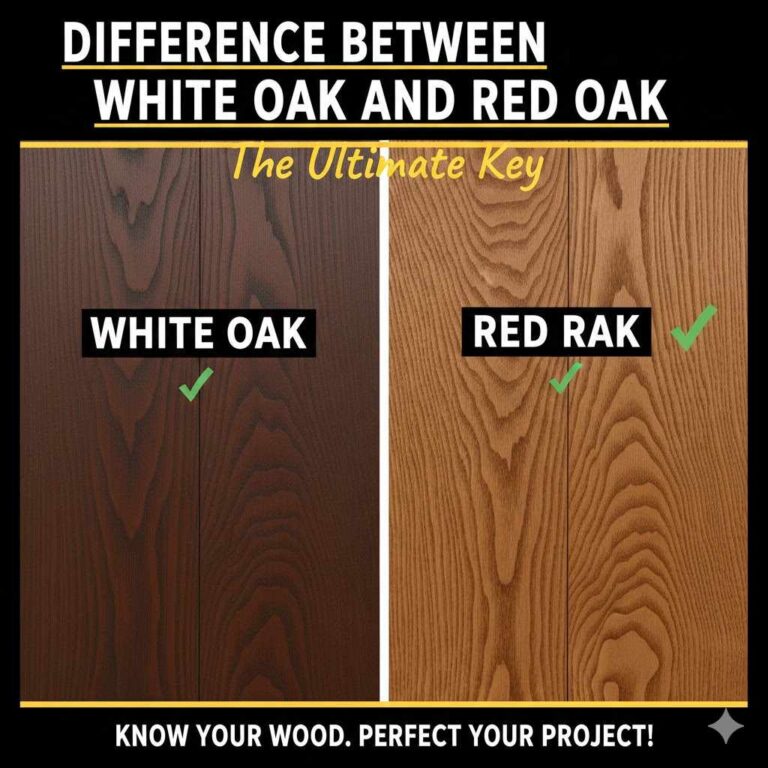
Oak is well-known for its prominent, open grain. You can often see the large pores and the attractive ray flecks, which are small lines running perpendicular to the growth rings. White oak has a more open grain than red oak and is also known for its distinctive ray flecks, which can create a beautiful, shimmering effect when the wood is finished.
The grain of oak can be straight, but it often has a more irregular or wavy pattern, especially in quarter-sawn cuts. This contributes to its classic, traditional look. The pronounced texture can be emphasized with stains and finishes.
Ash, on the other hand, typically has a straighter and more uniform grain. It has larger, more open pores than oak but generally lacks the prominent ray flecks. The appearance of ash is often described as more plain or consistent.
The straight grain can give it a more modern or sleek look.
The color of oak can range from light tan to reddish-brown for red oak, and from light brown to grayish-brown for white oak. Ash is generally lighter in color, often appearing pale yellow to light brown. This lighter color can make ash easier to stain in a wide range of shades.
For a rustic or traditional feel, oak’s strong grain and potential for ray flecks are often desired. For a cleaner, more contemporary aesthetic, ash’s straight grain and lighter color might be preferred. Both woods accept finishes well, but the final look will be influenced by their inherent grain patterns.
When it comes to durability and strength, the grain structure also plays a role. Ash’s straight grain contributes to its excellent tensile strength and flexibility. Oak’s structure, with its tyloses in white oak, enhances its resistance to water and decay.
So, the grain impacts not just looks but also performance.
The choice between oak and ash based on appearance is highly subjective. Some people love the bold, textured look of oak, while others prefer the simpler, cleaner lines of ash. Both offer a natural beauty that can enhance any project.
Consider how the wood will be finished. Stains can bring out the grain in oak beautifully, while lighter finishes can highlight the natural color and subtle grain of ash.
The difference in grain also affects how the wood feels. Oak can feel more textured due to its larger pores, while ash often feels smoother. This tactile quality can be a factor in choosing wood for furniture.
Moisture Resistance and Rot Durability
When we think about how long wood will last, especially if it’s used outdoors or in damp places, its resistance to moisture and rot is super important. This is a key area where oak and ash show significant differences.
White oak is widely recognized for its exceptional resistance to moisture and rot. This is largely due to the presence of tyloses. These are balloon-like structures that form within the wood’s vessels, effectively sealing them off.
This makes it very difficult for water and decay-causing fungi to penetrate the wood.
Because of this, white oak is often the preferred choice for outdoor applications such as boat building, outdoor furniture, and decking. It can withstand exposure to the elements much better than many other hardwoods, leading to a longer lifespan in challenging conditions.
Red oak, while still a hardwood, is not as resistant to moisture as white oak. Its pores are not as well blocked by tyloses, allowing water to penetrate more easily. This makes red oak less suitable for direct, prolonged contact with water or damp environments.
Ash wood falls somewhere in between. It has good durability but is generally not as resistant to rot and decay as white oak. It can be used for some outdoor projects, but it typically requires more diligent sealing and maintenance to protect it from moisture and insects.
If a project is going to be exposed to rain, humidity, or ground contact, white oak is usually the safer bet for long-term durability. Ash might be a suitable option if the exposure is limited or if a robust finishing and maintenance plan is in place.
The natural oils and tannins present in wood also contribute to rot resistance. While both woods have these compounds to some extent, the structural characteristics of white oak give it a distinct advantage in this regard.
For interior projects, moisture resistance is less of a primary concern, though good finishing practices are always recommended. In dry indoor environments, the rot resistance differences between oak and ash are less critical.
Therefore, when considering Oak vs Ash: Which Wood Is Stronger? in terms of longevity in damp conditions, white oak stands out as the superior choice. Ash is a good, durable wood, but it doesn’t quite match white oak’s natural defense against decay.
It’s always a good idea to use appropriate sealants and finishes, regardless of the wood type, to maximize its lifespan, especially in demanding environments.
Which Wood is Stronger Oak vs Ash
So, we’ve explored oak and ash in detail. Now, let’s bring it all together to answer the main question: Oak vs Ash: Which Wood Is Stronger? It’s not a simple yes or no answer, as strength can mean different things. We’ll look at the overall picture to help you make the best choice for your needs.
Conclusion on Strength and Performance
When we talk about “stronger,” it’s helpful to break it down. If you mean resistance to dents and scratches, both oak and ash are very strong, with white oak having a slight edge due to its Janka hardness. They both stand up well to daily wear and tear.
If “stronger” means ability to absorb shock and resist breaking under impact, ash generally performs better. Its flexibility makes it ideal for things like tool handles and baseball bats, where it needs to bend and bounce back without snapping.
For resistance to moisture and rot, especially in outdoor environments, white oak is significantly stronger. Its dense structure and tyloses provide a natural defense that ash doesn’t quite match.
In terms of bending strength and stiffness, both are very capable hardwoods. Oak is often considered more rigid, which is good for stable structures. Ash’s ability to be steam-bent makes it excellent for curved furniture pieces.
Appearance is also a factor. Oak has a more pronounced grain and texture, often with attractive ray flecks, giving it a classic look. Ash has a straighter, more uniform grain, offering a cleaner, often more modern aesthetic.
So, to directly answer Oak vs Ash: Which Wood Is Stronger?
- For overall hardness and resistance to surface damage: Very similar, with white oak slightly ahead.
- For shock absorption and flexibility: Ash is stronger.
- For moisture and rot resistance: White oak is stronger.
- For appearance: This is subjective and depends on your preference.
Ultimately, the “stronger” wood depends on what you need it to do. Both are excellent, durable hardwoods that have been used for centuries. Understanding their specific strengths will guide you to the best choice for your project.
Frequently Asked Questions
Question: Is oak or ash better for furniture making?
Answer: Both oak and ash are excellent for furniture. Oak is known for its hardness and classic appearance, making it great for tables and chairs that get a lot of use. Ash is lighter and more flexible, which can be good for chairs with curved backs or for pieces that might experience some impact.
Question: Which wood is easier to stain?
Answer: Ash is often considered easier to stain evenly because of its more uniform grain. Oak’s prominent grain and pores can sometimes lead to blotchy results if not properly prepared, but stains can also be used to highlight oak’s beautiful texture.
Question: Is ash more expensive than oak?
Answer: Pricing can vary based on location, availability, and specific grade. Generally, oak and ash are in a similar price range for common hardwoods. Sometimes, specific types of oak or ash might be more or less expensive depending on demand.
Question: Can ash be used outdoors?
Answer: Yes, ash can be used outdoors, but it is not as naturally resistant to moisture and rot as white oak. It will require more thorough sealing and regular maintenance to protect it from the elements and ensure its longevity in outdoor conditions.
Question: Which wood is heavier, oak or ash?
Answer: Both oak and ash are dense hardwoods and are relatively heavy. Their weight is quite comparable, though specific densities can vary between species and even within different cuts of the same wood. You will find both to be substantial materials.
Wrap Up
When comparing oak and ash, remember each has its own strengths. Oak offers superior resistance to moisture and rot, especially white oak, and is very hard. Ash shines with its flexibility and shock resistance, making it ideal for impact-prone items.
Both are strong, durable hardwoods, but the best choice depends on your project’s specific needs and desired look.