Polyurethane Stains for Wood: Types, Application & Fixes
Polyurethane stains combine wood color and a protective topcoat in one product, letting you skip separately staining and then sealing a piece – but they build up color and sheen together, so they’re less forgiving to lighten mid-project than a traditional stain-then-poly approach. Skipping the buffing/wiping step or applying too thick a coat is what usually causes the sticky, uneven finish people complain about. This guide covers the oil, water, and hybrid types, how to apply them without streaks, and how to pick the right one for your wood.
What Polyurethane Stains Actually Do (and When to Use Them)
Best One-Step Stain & Poly Pick
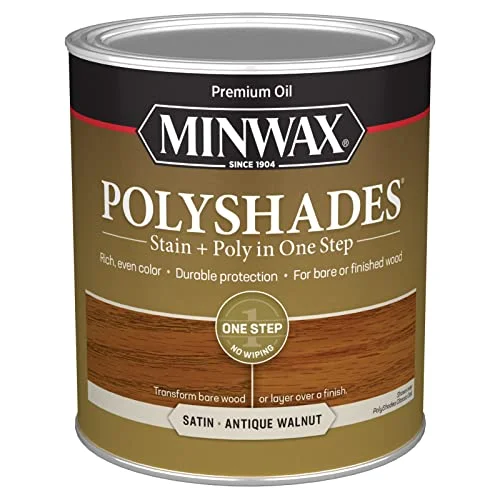 |
Minwax PolyShades – Stain & Poly in One (Antique Walnut, Satin) – $21.98 This is the type of one-step oil-based stain-and-polyurethane product described in this guide – it lets you change the color of previously stained or varnished wood without stripping first.
|
A polyurethane stain is a combined finish that deposits pigment for color and a polyurethane resin for protection in the same coat, instead of requiring a separate stain and clear topcoat. It’s a good fit when you want to change the color of previously finished wood without stripping it first, or when you’re finishing a project and want fewer steps – but it’s a worse fit when you need precise, adjustable color, since color and protection build up together with every coat.
They’re commonly used on furniture, cabinets, trim, and floors that don’t need a perfectly color-matched, professional stain job – for a project where color accuracy matters most, a separate stain followed by a dedicated topcoat still gives more control. See our matte polyurethane finish guide if you want the protection without any added color.
Oil-Based, Water-Based, and Hybrid Polyurethane Stains
Oil-based polyurethane stains penetrate deeper into the wood grain and generally hold up better in high-traffic areas, but they take longer to dry, have a stronger odor, and need mineral spirits or paint thinner for cleanup. Water-based versions dry faster, clean up with soap and water, and have far less odor – but they sit more on the surface than penetrating deeply, so color can look slightly less rich. Hybrid formulas try to split the difference, offering easier cleanup than straight oil-based products with more of the depth oil-based stains provide.
| Type | Dry Time | Best For |
|---|---|---|
| Oil-based | 6–24 hrs between coats | High-traffic furniture and floors needing depth and durability |
| Water-based | 2–4 hrs between coats | Indoor projects where low odor and fast turnaround matter |
| Hybrid | 4–6 hrs between coats | Projects wanting a balance of penetration and easy cleanup |
How to Apply Polyurethane Stain Without Streaks or Lap Marks
Most uneven polyurethane stain jobs come down to two mistakes: applying too thick a coat, or letting one section start to dry before the next section is blended in.
- Sand and clean the wood: sand with fine-grit sandpaper, then wipe away all dust with a tack cloth or damp rag.
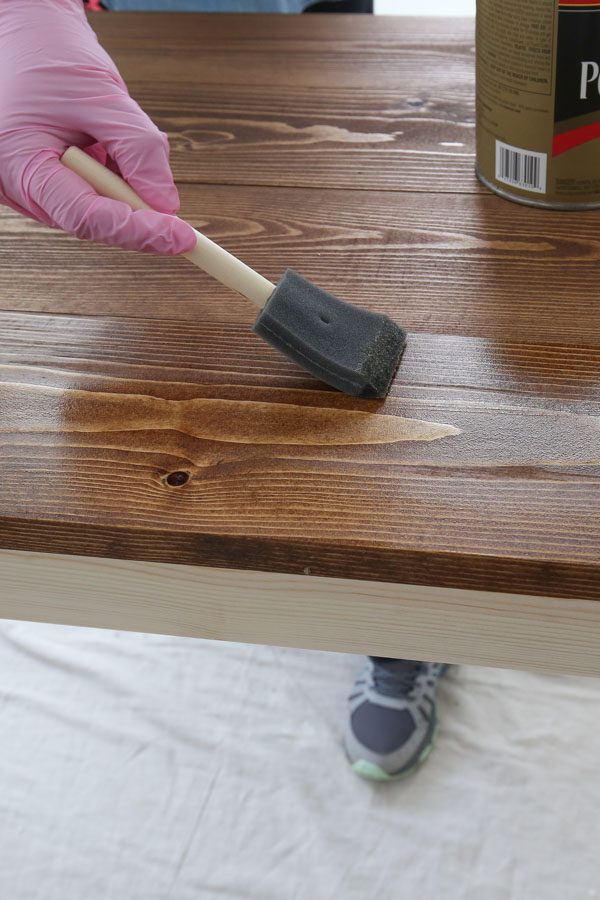
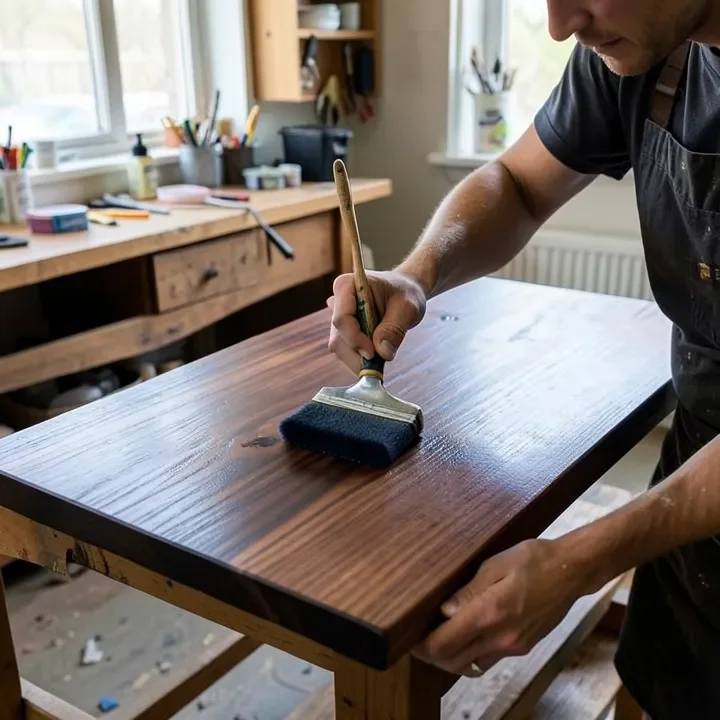
- Work in small sections: apply with a natural-bristle brush or foam applicator, keeping a “wet edge” so each new section blends into the last before it starts to dry.
- Apply a thin, even coat: a thick coat is the most common cause of a sticky or blotchy finish – two thin coats always look better than one heavy one.
- Wipe off excess if the label calls for it: some formulas want excess wiped off after a few minutes for even color; check your specific product’s instructions.
- Let each coat dry fully before recoating: recoating too soon can lift the previous coat or trap solvent underneath.
Common Mistakes That Ruin a Polyurethane Stain Finish
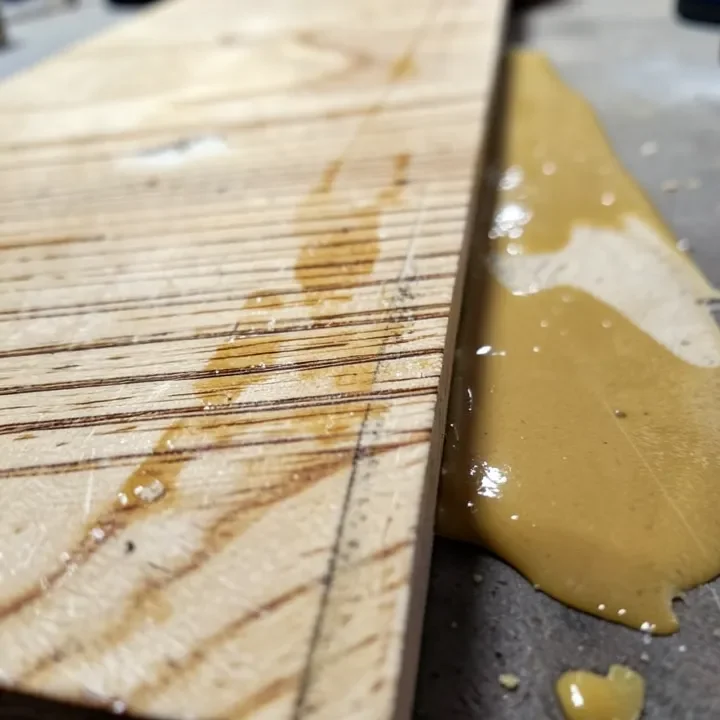
Skipping surface prep is the single biggest cause of a bad result – dirt, wax, or rough spots left on the wood show up magnified once the stain and topcoat go on together. Applying too much product at once is the second most common issue: because polyurethane stain carries both color and film-forming resin, a heavy coat can stay tacky far longer than a thin one and never fully cure.
Once cured, clean finished surfaces with a soft cloth and avoid abrasive pads that can scratch the finish. For a lower-sheen look on the same wood, our satin hardwood floor finish guide covers how sheen choice affects the final look.
Frequently Asked Questions
What are polyurethane stains used for?
Polyurethane stains combine wood color and a protective topcoat in a single product, so they’re used to color and seal furniture, floors, cabinets, and trim in one application instead of staining and top-coating separately.
How do you apply polyurethane stain on wood?
Sand the wood smooth, remove all dust, then apply a thin, even coat with a brush or foam applicator following the grain. Let it dry fully per the label, then add a second coat if you want a darker color or more protection, scuff-sanding lightly between coats.
How long does polyurethane stain take to dry?
Most polyurethane stains are dry to the touch in 4–6 hours and ready for a recoat in about 24 hours, though humidity and temperature can extend that. Always check the specific product’s label, since oil-based and water-based formulas dry at different rates.
Is polyurethane stain safe for indoor use?
Yes, with ventilation. Oil-based polyurethane stains release stronger fumes and need good airflow during application and drying; water-based versions emit less odor and are generally easier to use indoors.
Can you put a separate polyurethane coat over a polyurethane stain?
Yes – adding a clear polyurethane topcoat over a cured polyurethane stain increases durability, which is worth doing on floors or tabletops that see heavy wear. Let the stain coat cure fully first, and lightly scuff-sand for adhesion.
Conclusion
Polyurethane stains earn their popularity by combining color and protection into one product, saving a step compared to staining and top-coating separately. The tradeoff is less control over final color once you’ve committed to a coat, so test on scrap wood first, apply thin coats with a wet edge, and let each coat cure fully before judging the result.
Sponsored / affiliate links. As an Amazon Associate I earn from qualifying purchases. I may earn additional commission from eligible campaigns.