Sawzall vs Angle Grinder: Which Cuts What, and Why Not Wood
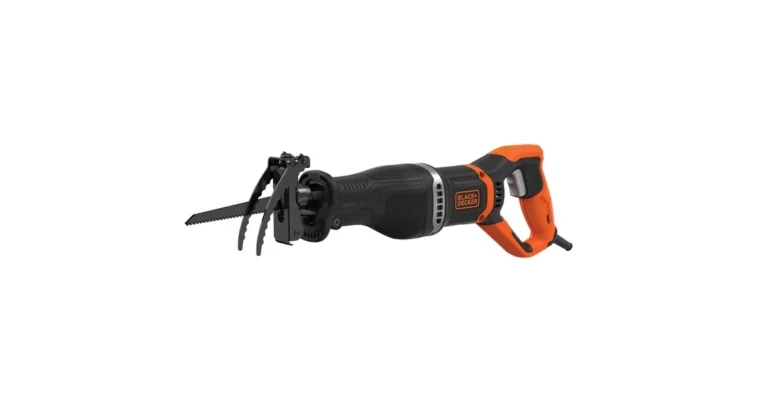
Use a reciprocating saw (Sawzall) for wood, lumber with nails in it, pipe and cuts in tight spaces. Use an angle grinder for steel, bolts, tile and masonry, fitted with the disc made for that material. Do not use an angle grinder to cut wood.
These two tools overlap only on metal, and that is where most of the confusion comes from. A reciprocating saw pushes a straight blade back and forth. An angle grinder spins a thin disc at high speed. That single difference explains almost every rule below, from which material each tool suits to why they fail differently and hurt you differently.
Below you will find a material-by-material chooser, what the motion difference means for speed, control and kickback, a safety checklist for each tool, and the blade and disc basics. If you are also weighing other saws, our Sawzall vs chainsaw and reciprocating vs oscillating saw comparisons cover the neighboring choices.
Which Tool Should You Use? Start With the Material
Best Reciprocating Saw Pick
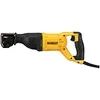 |
DEWALT Reciprocating Saw, 12 Amp, 2,900 RPM, 4-Position Blade Clamp, Variable Speed Trigger, Corded (DWE305), $129.00 A plain corded reciprocating saw with no battery to buy into, aimed at demolition cuts through wood, nails and pipe.
|
Use the chart below before you buy or pick up either tool. The blade and disc column matters as much as the tool, because the wrong consumable is where most bad cuts and accidents start.
| What you are cutting | Better tool | Blade or disc to use |
|---|---|---|
| Framing lumber, possibly with nails | Reciprocating saw | Bi-metal wood-and-nail blade, about 6 to 9 TPI |
| Steel pipe, angle iron, rebar | Either; saw is slower but easier in tight spots, grinder is faster but throws sparks | Metal blade about 14 to 18 TPI, or a metal cut-off disc |
| Bolts, rusted fasteners, welds | Angle grinder | Thin metal cut-off disc or grinding disc |
| Tile, brick, concrete, stone | Angle grinder | Diamond or masonry disc made for the material |
| Drywall, plastic, plumbing in a wall | Reciprocating saw | Blade matched to the material; check for wires and pipes first |
| Rust, paint, weld cleanup | Angle grinder | Wire wheel, flap disc or grinding disc |
| Any wood where the cut must be clean | Neither; use a circular saw, jigsaw or hand saw | Saw blade matched to the cut |
The TPI ranges above are the commonly published guideline: fewer, larger teeth clear wood chips and survive nails, while finer teeth are needed to stay engaged in metal. Our guide to what TPI means on Sawzall blades explains the trade-off in detail.
How Each Tool Actually Cuts, and Why It Matters
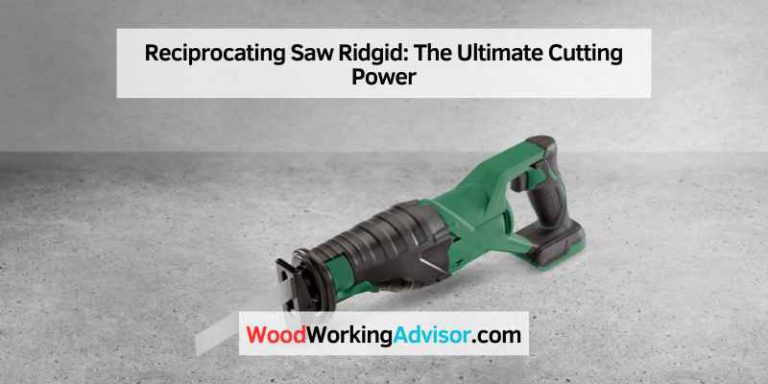
A reciprocating saw like the one in the box above cuts with a blade that moves back and forth in a line. The listing for that model gives 0 to 2,900 strokes per minute and a 1-1/8 inch stroke. The cut is a narrow slot, and the tool can reach into a wall cavity, under a deck or along a pipe because the blade is a long, thin strip you can push into the gap.
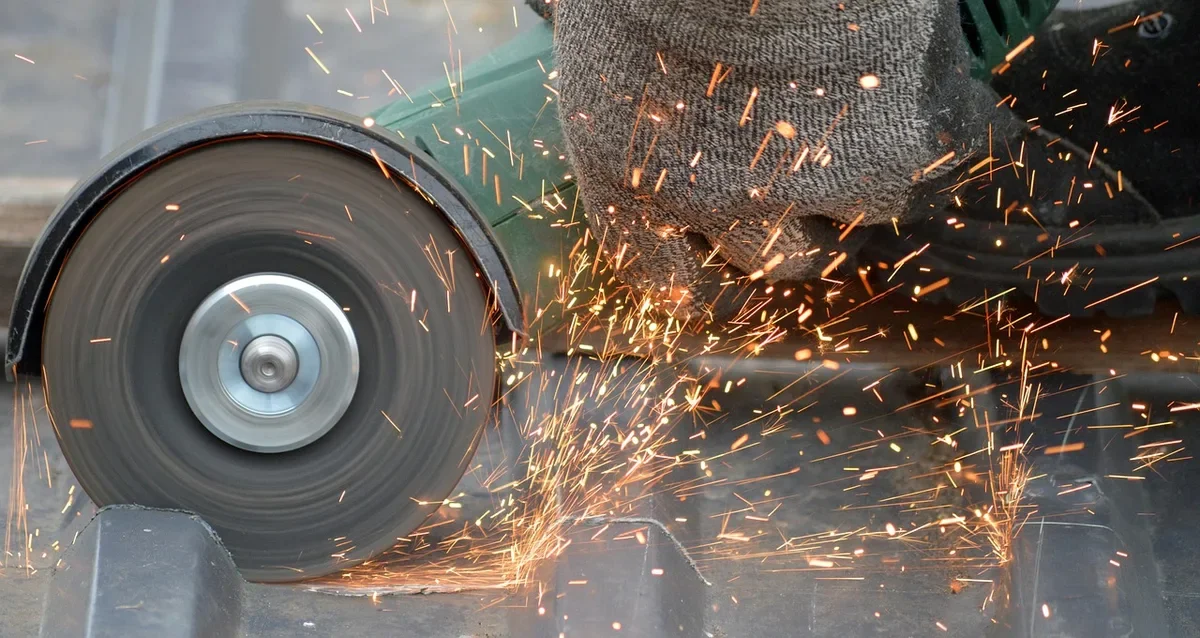
An angle grinder abrades material away with a fast-spinning disc. Published figures for these tools put disc speeds from around 6,000 rpm upward, with some models well into five figures. That speed is why a grinder cuts steel so quickly and why the sparks travel several feet. It also means all of the tool’s energy sits in a thin, brittle disc that is only safe when it is undamaged, guarded and rated above the grinder’s speed.
| Reciprocating saw | Angle grinder | |
|---|---|---|
| Motion | Blade moves back and forth in a line | Disc spins in one direction at high speed |
| Speed measure | Strokes per minute (up to 2,900 on the featured model) | RPM (from about 6,000 up on common models) |
| Sparks and heat | Little on wood; some heat on metal | Heavy sparks and hot metal debris |
| Access | Long blade reaches tight, awkward spots | Bulky head needs open space around the cut |
| Best materials | Wood with nails, pipe, plastic, demolition | Steel, tile, masonry, grinding and rust removal |
| Main failure mode | Blade binds or bounces and the saw jumps | Disc pinches and the whole tool kicks; disc can shatter |
Here is the part most comparisons skip. Because the saw cuts in a line and the grinder spins, a bind on each tool pushes the tool in a different direction. When a saw blade binds, the saw tends to jerk along the line of the cut. When a grinder disc pinches, its rotation drives the tool sharply toward you or sideways. That is why the grinder needs a side handle and both hands on it, and why a saw needs its shoe held firmly against the work.
Can You Cut Wood With an Angle Grinder?
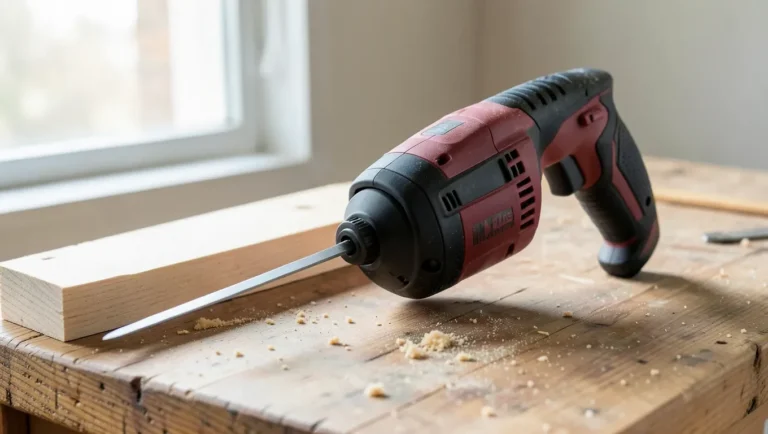
You should not. This is the one myth worth correcting, because it leads to injuries. A standard abrasive or metal cut-off disc is built for metal and masonry. On wood it clogs, scorches the surface and grabs. A grinder also has no kickback protection like a circular saw does.
Some accessories are sold for cutting or carving wood with a grinder, such as toothed or carbide-grit carving discs. Safety guidance is consistent on two points: never run a circular saw blade on an angle grinder, because its teeth will pull the wood and it can shatter, and never take the guard off to make a disc fit. For clean or accurate cuts, a circular saw, jigsaw or hand saw is the right tool. Our comparison of a cut-off tool versus a circular saw covers the same material-first thinking.
The reverse is fine. A reciprocating saw with a bi-metal blade cuts wood, including boards with embedded nails, and that ability is why it is the standard demolition tool. Just expect a rough edge, not a finished one.
Safety Checklist for Each Tool

The grinder points below follow a Cornell EHS angle grinder toolbox talk. Read your own tool’s manual too, since it overrides any general list.
Angle grinder
- Keep the guard and handles secure, and attach the side handle. Grip both handles while it runs.
- Check that the disc’s maximum rpm rating is higher than the grinder’s operating speed, and use the correct flange and locking nut for that disc.
- Inspect the disc before every use. Throw away any disc that has been dropped, because a cracked or weakened disc can shatter in use.
- Wear wide-vision goggles or safety glasses and a face shield, plus hearing protection.
- Hold it against the work with light pressure so the disc does not dig in and kick back. Never bump the disc onto the work.
- Clear flammable material from the area, since the sparks travel, and clamp the work rather than holding it by hand.
Reciprocating saw
- Hold the shoe firmly against the work while you cut. A loose saw bounces and can kick back.
- Use a sharp blade that is right for the material. A dull or damaged blade cuts slowly and raises the chance of binding.
- Support the material so it cannot pinch the blade, and keep both hands on the tool.
- Before cutting into a wall, floor or ceiling, check for wires and pipes. Cutting live wiring is a shock risk.
- Wear eye and hearing protection and gloves, and keep your body out of the line of the blade.
Blades and Discs: What to Buy
For a reciprocating saw, buy blades by material. A 6 to 9 TPI bi-metal blade handles wood with nails, while a 14 to 18 TPI metal-cutting blade suits pipe and angle iron. Most brands use a universal shank, so you are not locked into one maker, and the details are in our Sawzall blade compatibility guide.
For a grinder, buy the disc by the job: a thin cut-off disc for cutting metal, a grinding disc for removing material, a flap disc for blending, and a diamond disc for masonry. Do not grind sideways with a thin cut-off disc, since it is designed to cut, not to take side load. If you would rather have a cordless saw than a corded one, see our cordless reciprocating saw comparison.
What Should Most Woodworkers Buy First?
If your work is mostly wood, buy the reciprocating saw first. It handles demolition, cutting out a section of a stud wall, cutting nails in reclaimed lumber and pipe, and it covers the occasional metal job a woodworker meets. An angle grinder becomes worth owning when you regularly cut or grind metal, tile or masonry, for example when you build a steel frame, fabricate a metal base for a table or clear rust from old tools. Treat them as two different tools that happen to share the word cutting.
Frequently Asked Questions
Is an angle grinder or a reciprocating saw better?
Neither is better overall. A reciprocating saw is the better pick for demolition, pipe and lumber with nails in it, and for cuts in tight spaces. An angle grinder is the better pick for cutting or grinding steel, bolts, tile and masonry with the correct disc, and for removing rust or weld spatter. Match the tool to the material first.
Can you cut wood with an angle grinder?
You should not. Standard abrasive and cut-off discs are made for metal and masonry, and they clog and burn wood. Discs sold for cutting or carving wood exist, but a grinder has no kickback protection like a circular saw does, and safety guidance says never to fit a circular saw blade to one. For wood, use a reciprocating saw, a circular saw or a hand saw.
Is a Sawzall the same as a reciprocating saw?
In everyday use, yes. Sawzall is a Milwaukee brand name that people use for any reciprocating saw. Blades from different brands generally fit any reciprocating saw that takes a standard universal shank, which is covered in our blade compatibility guide.
What is kickback on an angle grinder?
Kickback happens when the spinning disc pinches or digs into the work. The disc’s rotation then drives the whole tool sharply back or sideways toward you. Using both hands with the side handle attached, keeping the guard in place and applying light pressure all reduce the risk.
Which tool is safer for a beginner?
Neither is risk free, but a reciprocating saw is usually easier to control for a first cut because it has no exposed spinning disc and no high-speed disc that can shatter. Whichever you use, wear eye protection and hearing protection, clamp the work and read the manual for the tool.
Bottom Line
Pick by material. The Sawzall is the wood, nails, pipe and tight-space tool. The angle grinder is the steel, tile, masonry and rust tool, and it is not a wood-cutting tool. Keep the guard on, use the right consumable and clamp the work, and whichever you choose will do its job safely.
Sponsored / affiliate links. As an Amazon Associate I earn from qualifying purchases. I may earn additional commission from eligible campaigns.
 MORETOPGOOD 9 Inch 10/14 TPI Bi-Metal Reciprocating Saw Blades with Arc Edge, Japanese Teeth Saw Blades for Nail-Embedded Wood Cutting, Pallet Cutting, Garden Trimming, 3 Pack
 MORETOPGOOD 6 Inch 10/14 TPI Bi-Metal Reciprocating Saw Blades with Arc Edge, Japanese Teeth Saw Blades for Nail-Embedded Wood Cutting, Pallet Cutting, Garden Trimming, 3 Pack