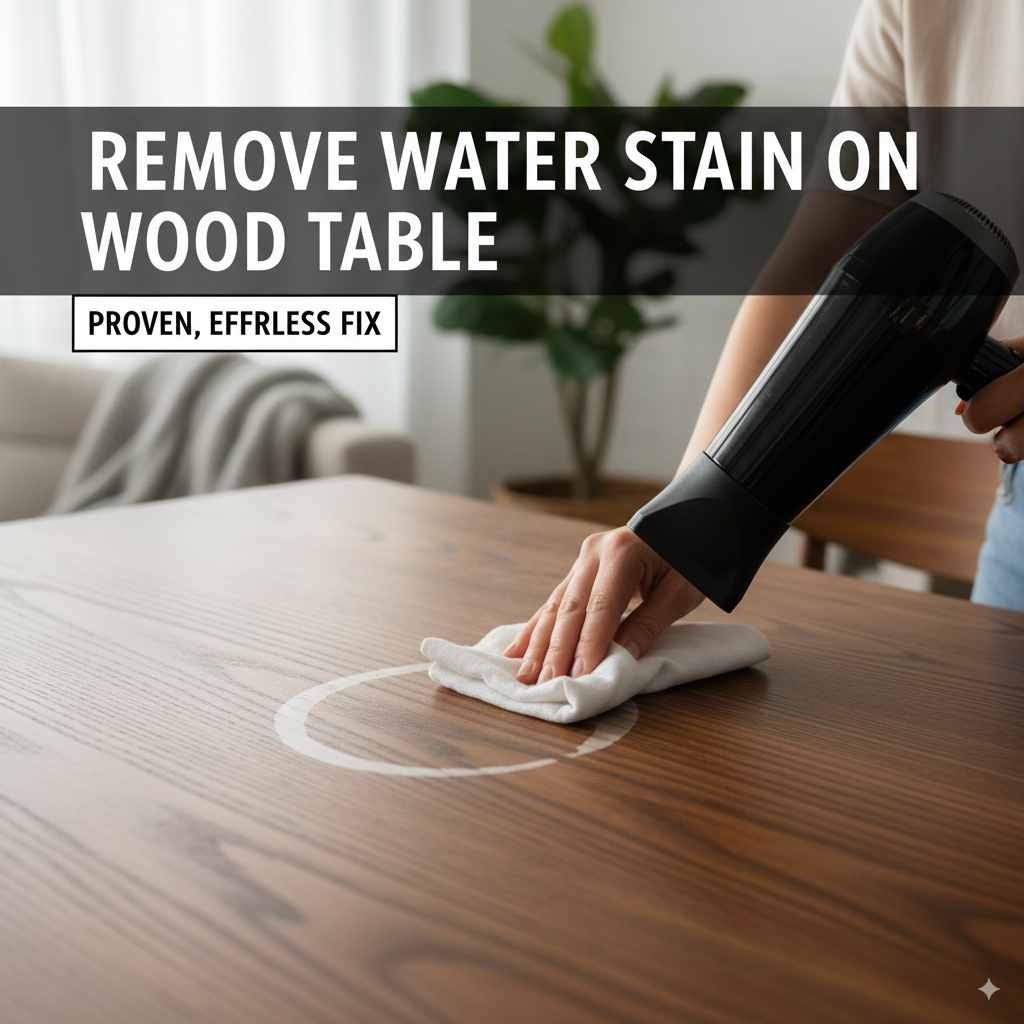
Remove Water Stain on Wood Table: Proven, Effortless Fix
Water stains on your wood table can be frustrating, but thankfully, you can easily remove them! With common household items and simple techniques, you can restore your table’s beauty effortlessly. This guide provides proven, beginner-friendly methods to tackle those annoying white rings and dark spots, bringing back the smooth, natural finish of your wood furniture.
Wood tables can get water stains. It happens when moisture gets into the wood’s finish. White rings are the most common type. They mean the water only damaged the top layer of protection. Darker stains can be a bit trickier. They suggest moisture has gone deeper into the wood itself. Don’t worry, though! These aren’t permanent disasters. We’ll walk you through easy ways to fix them. You’ll be amazed at how simple it is to make your table look new again. Ready to restore that beautiful wood grain? Let’s get started!
Understanding Wood Table Water Stains
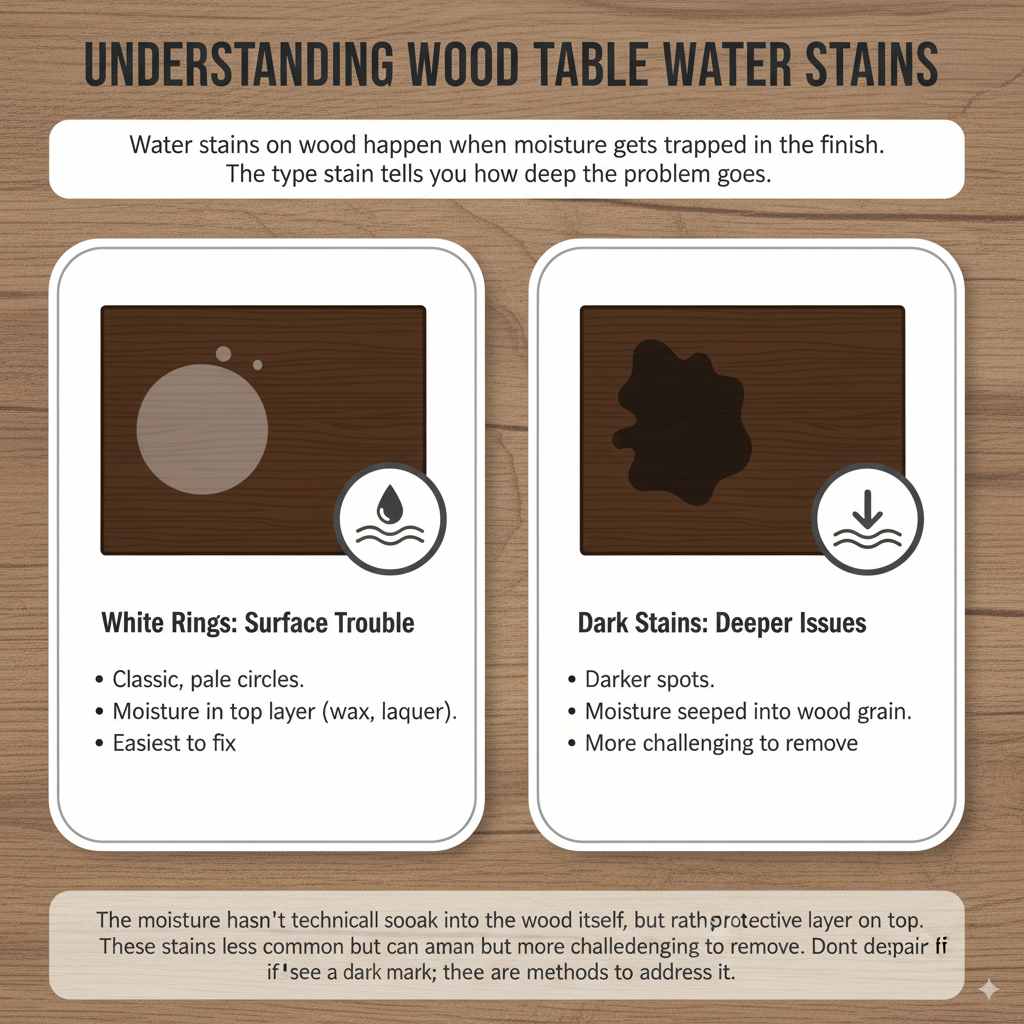
Water stains on wood happen when moisture gets trapped in the finish. It’s like a tiny flood that can’t escape. This trapped moisture disrupts the protective coating on your table. The type of stain often tells you how deep the problem goes.
White Rings: Surface Trouble
These are the classic, pale circles or cloudy patches. They show that the water or liquid only affected the very top layer of the finish, like wax or lacquer. Think of it as a temporary cloudiness in the finish. The good news is, these are usually the easiest to fix. The moisture hasn’t technically soaked into the wood itself, but rather the protective layer on top.
Dark Stains: Deeper Issues
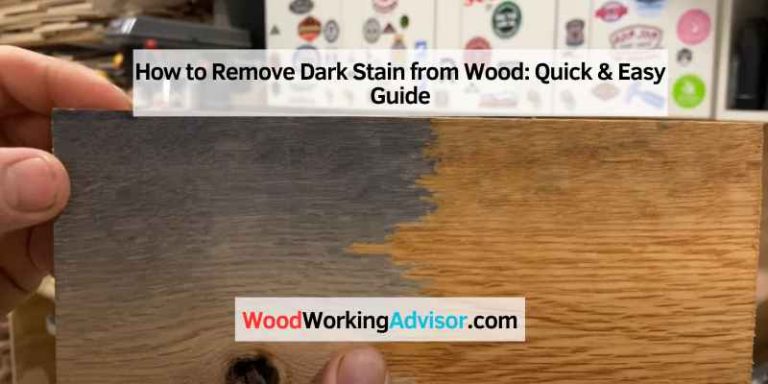
Darker spots are a sign that the moisture has seeped deeper. It might have gone through the finish and into the wood grain. This can happen with prolonged exposure or acidic liquids. These stains are less common but can be more challenging to remove. They might require a bit more effort, but they are often still fixable. Don’t despair if you see a dark mark; there are methods to address it.
Gathering Your Arsenal: Tools and Supplies
Before we begin tackling those stubborn water stains, let’s make sure you have everything you need. Most of these items are probably already in your home, which makes this process even more convenient.
Essential Household Items
- Soft, clean cloths (microfiber is ideal)
- Cotton balls or swabs
- Paper towels
Cleaning and Repair Solutions
- Mayonnaise (full-fat is best)
- Toothpaste (white, non-gel variety)
- Baking soda
- Rubbing alcohol (isopropyl alcohol)
- Furniture polish or wax
- Iron and a thin cloth (like a pillowcase or tea towel)
- Hair dryer
- Steel wool (very fine grade, #0000)
- Mineral oil or lemon oil (for deep stains)
- Wood filler or stain pen (for severe cases, though we aim to avoid this)
Effortless Fixes for White Water Rings
White water rings are the most common type of wood stain, and thankfully, they are usually the easiest to tackle. These methods work by gently lifting the trapped moisture or re-sealing the finish.
Method 1: The Mayonnaise Magic
This might sound strange, but mayonnaise is a surprisingly effective remedy. The oils in mayonnaise can help displace the moisture trapped in the finish.
- Clean the area: First, gently wipe the stained area with a damp cloth to remove any surface dust or debris. Dry it thoroughly with a clean, soft cloth.
- Apply mayonnaise: Dab a generous amount of full-fat mayonnaise onto the white ring. Make sure to cover it completely.
- Let it sit: Leave the mayonnaise on the stain for at least an hour, or even overnight for stubborn marks.
- Wipe and buff: Using a clean, soft cloth, wipe away the mayonnaise. You might need to use a slightly damp cloth to remove any residue, then dry and buff the area until it shines.
Method 2: Toothpaste’s Gentle Abrasion
White, non-gel toothpaste acts as a very mild abrasive. It can gently buff away the top layer of the finish where the moisture is trapped.
- Mix if needed: For extra gentleness, you can mix a bit of baking soda with the white toothpaste. Use a 1:1 ratio.
- Apply to the stain: Gently rub a small amount of the toothpaste onto the white ring using a soft cloth or your finger. Don’t scrub too hard, as you don’t want to damage the finish further.
- Rub in circles: Work the toothpaste in small, circular motions directly on the stain.
- Wipe clean: After a minute or two of gentle rubbing, wipe the area clean with a damp cloth. Then, dry and polish with a clean, soft cloth.
Method 3: The Iron and Cloth Trick
This method uses gentle heat to help evaporate the trapped moisture. It’s crucial to use low heat and protect the wood.
- Empty the iron: Make sure your iron is completely free of water. Any steam will make the problem worse.
- Set to low heat: Set your iron to the lowest possible heat setting. No steam should be active.
- Place the cloth: Lay a clean, dry cloth (a pillowcase or thin tea towel works well) over the water stain. This acts as a barrier.
- Briefly apply heat: Gently and quickly pass the warm iron over the cloth-covered stain. Do not let the iron sit in one place for too long. A few seconds is usually enough.
- Check and repeat: Lift the cloth and check the stain. If it’s improving, repeat the process a few more times, always checking frequently. The goal is to gently draw out the moisture.
Method 4: Rubbing Alcohol’s Drying Power
Rubbing alcohol can help to dry out the moisture. It’s best for less severe white rings.
- Dampen a cloth: Lightly dampen a cotton ball or the corner of a soft cloth with rubbing alcohol. Do not soak it.
- Gentle wipe: Gently rub the stained area. Work from the outside of the stain inward to avoid spreading it.
- Wipe and dry: Immediately after, wipe the area with a clean, dry cloth.
- Assess and repeat: See if the stain is lifting. If needed, repeat carefully, always using minimal alcohol and wiping dry right after.
Important Note: Always test any cleaning method on an inconspicuous area of the table first to ensure it doesn’t damage the finish.
Tackling Darker Water Stains on Wood
Dark water stains indicate moisture has penetrated the wood’s surface. These require a more intensive approach, but they are often still salvageable without needing to refinish the entire table.
Method 1: Baking Soda Paste for Mild Dark Stains
Similar to toothpaste, baking soda provides gentle abrasion, useful if the dark stain is not too deep.
- Create a paste: Mix baking soda with a few drops of water to form a thick paste.
- Apply to the stain: Dab the paste onto the dark stain with a soft cloth.
- Gentle scrubbing: Rub the paste very gently in a circular motion. Be cautious not to oversaturate the wood or scrub too aggressively.
- Wipe and dry: After a minute or two, wipe the paste away with a damp cloth, then a dry one.
- Repeat if necessary: For persistent stains, you might need to repeat the process. Follow up with a light application of furniture polish.
Method 2: Steel Wool and Oil for Deeper Penetration
This method uses very fine steel wool (#0000 grade is essential) to gently abrade the stained wood, often combined with an oil or lubricant to protect the surrounding finish.
- Protect surrounding areas: If your table has a delicate finish or intricate details, you might want to mask off the surrounding areas with painter’s tape.
- Use #0000 steel wool: Obtain the finest grade of steel wool available (#0000). Any coarser grade can scratch the wood.
- Lubricate the area: Apply a small amount of mineral oil, lemon oil, or even furniture polish to the stained area and the steel wool. This helps the steel wool glide smoothly without damaging the finish.
- Gentle, directional rubbing: Gently rub the stained area with the lubricated steel wool. Always rub with the grain of the wood. Work slowly and apply very light pressure.
- Wipe and check: Frequently wipe away the residue with a clean cloth and check your progress. You are trying to lift the stain, not remove the finish.
- Assess and refine: Once the stain is gone or significantly reduced, wipe the entire area clean with a soft cloth. You may need to reapply a bit of mineral or lemon oil to the area to restore moisture and sheen.
For more information on wood finishing and care, resources like This Old House offer excellent guidance.
Method 3: Wood Bleach (For Severe Stains)
Wood bleach is a more aggressive option and should be used as a last resort for very deep or stubborn dark stains that other methods cannot tackle. There are two main types: oxalic acid (for mineral stains, including water) and chlorine bleach (for organic stains). Oxalic acid is typically what you’d use for water-induced dark stains.
- Safety first: Wear gloves, eye protection, and ensure good ventilation. Read and follow the manufacturer’s instructions precisely.
- Prepare the area: Lightly sand the stained area with fine-grit sandpaper (e.g., 220 grit) only if necessary to expose the wood grain. Clean off all dust.
- Apply wood bleach: Mix and apply the oxalic acid wood bleach solution according to the product directions. Usually, it’s applied with a brush or cloth.
- Let it work: Allow the bleach to dry completely. It often works best in sunlight.
- Neutralize and rinse: After the bleach has worked, it must be neutralized. Typically, this involves wiping with a solution of baking soda and water, followed by a clean water rinse. Refer to your product’s instructions carefully for neutralization.
- Dry thoroughly: Let the wood dry completely.
- Light sanding: Once dry, you may need to lightly sand the treated area with very fine grit sandpaper to smooth it out.
- Refinishing: After using wood bleach, the area will likely be lighter than the surrounding wood and will need to be re-stained and finished to match. This is why it’s a last resort.
Using wood bleach is a delicate process that requires careful attention to detail. For more advanced techniques with wood bleach, the U.S. Department of Agriculture’s Forest Products Laboratory provides in-depth research, though it can be technical: Wood Finishing and Refinishing. For most beginners, the earlier methods are safer and more effective for common stains.
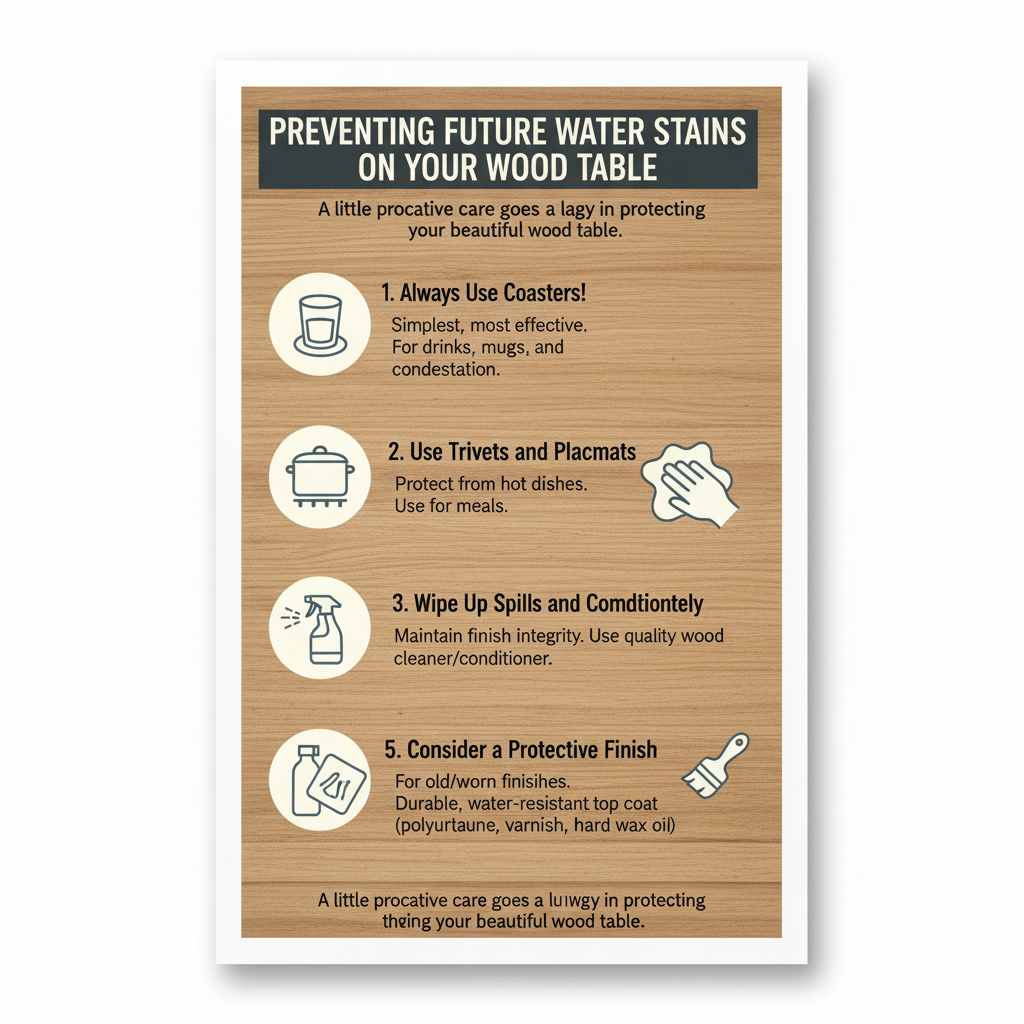
Preventing Future Water Stains on Your Wood Table
The best way to deal with water stains is to prevent them from happening in the first place. A little proactive care goes a long way in protecting your beautiful wood table.
1. Always Use Coasters!
This is the simplest and most effective preventative measure. Invest in a good set of coasters and make it a habit for everyone in the household (and guests!) to use them for drinks, mugs, and even condensation-prone glassware.
2. Use Trivets and Placemats
Hot dishes or pots can also damage wood finishes, sometimes causing marks similar to water stains. Use trivets or hot pads for anything hot and placemats for meals.
3. Wipe Up Spills Immediately
Don’t let spills linger. As soon as any liquid hits the table, grab a soft cloth and wipe it up gently. Then, dry the area to ensure no moisture is left behind.
4. Regular Cleaning and Conditioning
Keep your table clean. Dust it regularly with a soft, dry cloth. Periodically, use a good quality wood cleaner and/or conditioner. This helps to maintain the integrity of the protective finish, making it more resistant to moisture.
5. Consider a Protective Finish
If your table has a very old or worn finish, you might consider refinishing it with a more durable, water-resistant top coat. Options include polyurethane, varnish, or a hard wax oil finish. For guidance on applying these finishes, reputable DIY sites like Popular Mechanics offer detailed tutorials.
When to Call a Professional
While most water stains can be handled with these DIY methods, there are times when it’s best to seek professional help. If your table is a valuable antique, has a complex finish, or if the stains are extremely deep and widespread, a professional furniture restorer can assess the damage and recommend the best course of action without risking further harm.
FAQ: Your Top Wood Stain Questions Answered
Q1: Will toothpaste damage my wood table finish?
A1: White, non-gel toothpaste is a very mild abrasive. When used gently and sparingly, it’s generally safe for most finished wood surfaces. Always test in an inconspicuous area first and avoid aggressive scrubbing.
Q2: How long should I leave mayonnaise on a water stain?
A2: For minor white rings, 30 minutes to an hour might be enough. For more stubborn stains, leaving it on for several hours or overnight can yield better results. The key is allowing the oils time to work.
Q3: Can I use commercial wood stain removers?
A3: Yes, there are commercial products designed to remove water stains. However, always follow the product instructions carefully and test them in a hidden spot first, as some can be harsh on certain finishes.
Q4: What’s the difference between a white and a dark water stain?
A4: White rings mean moisture is trapped in the top layer of the finish. Dark stains indicate moisture has penetrated deeper into the wood itself, which can be more challenging to remove.
Q5: My table has a lot of water stains. Should I refinish it?
A5: If you have numerous deep stains or extensive damage, refinishing the entire table might be the most effective solution. This is a more advanced DIY project or a job for a professional restorer.
Q6: How can I prevent rings from forming on my table?
A6: The best prevention is using coasters for all drinks and trivets for hot items. Wiping up spills immediately is also crucial. Regular cleaning and conditioning of the finish will keep it protected.
Conclusion: Enjoy Your Beautiful, Stain-Free Table!
Dealing with water stains on your wood table doesn’t have to be a source of stress. As you’ve seen, a few common household items and simple, straightforward techniques can effectively lift those pesky white rings and even tackle tougher dark spots. Whether you choose the creamy power of mayonnaise, the gentle scrub of toothpaste, the historical heat trick with an iron, or the targeted approach of steel wool, you have a range of proven methods at your fingertips.
Remember, the key is to start with the least invasive methods and proceed with caution, always testing in an inconspicuous area first. By arming yourself with these easy-to-follow steps, you can confidently restore the beauty of your wood table, bringing back its smooth, rich finish. And the best part? You’ve learned how to protect it from future damage, ensuring it remains a cherished centerpiece in your home for years to come. So go ahead, give these tips a try, and enjoy your revitalized, stain-free wood table!