Ryobi BT3100 Table Saw Parts: What to Replace & Where to Buy
The Ryobi BT3100 is a discontinued benchtop table saw, which means parts availability comes mostly from aftermarket suppliers and used listings rather than Ryobi directly. Keeping one running long-term is entirely doable, but it helps to know which components actually wear out, which upgrades are worth doing, and where to realistically source parts for a saw Ryobi hasn’t sold new in years.
Key Components of the Ryobi BT3100
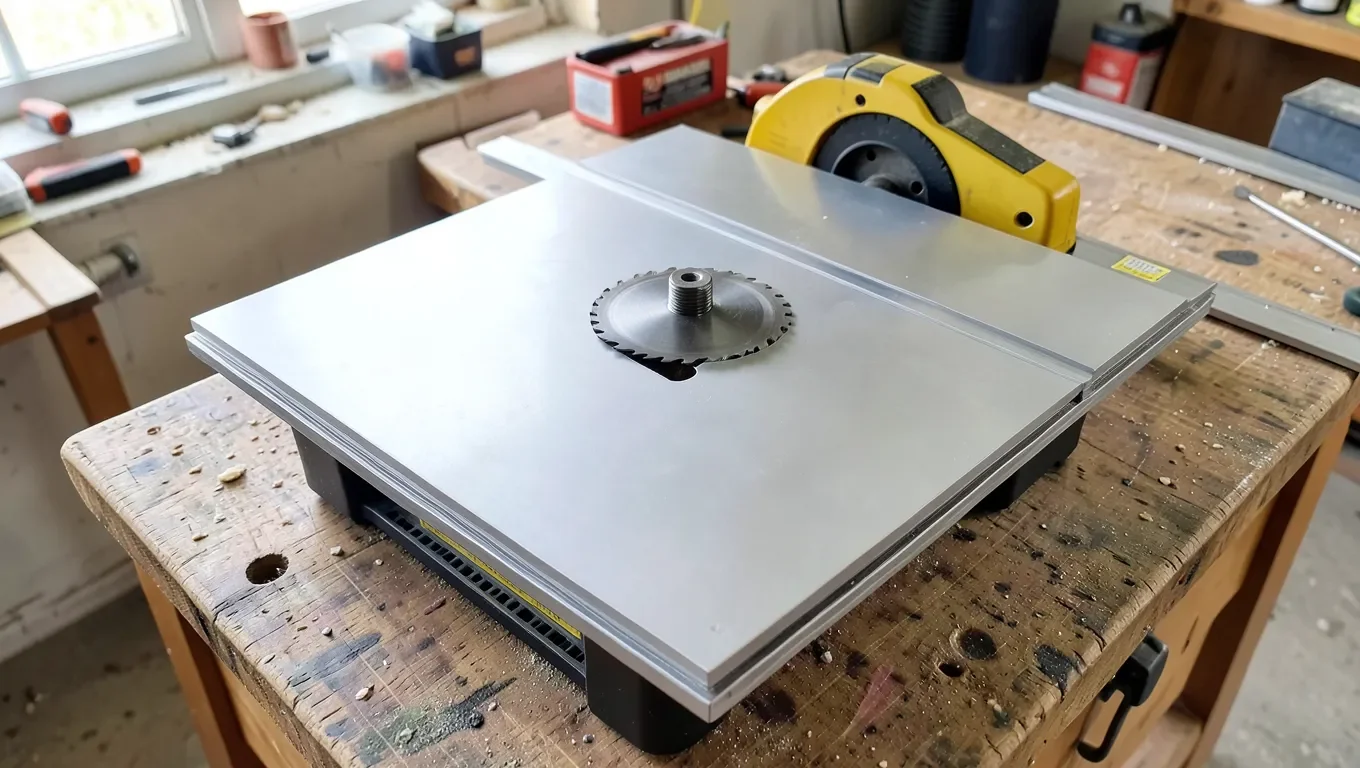
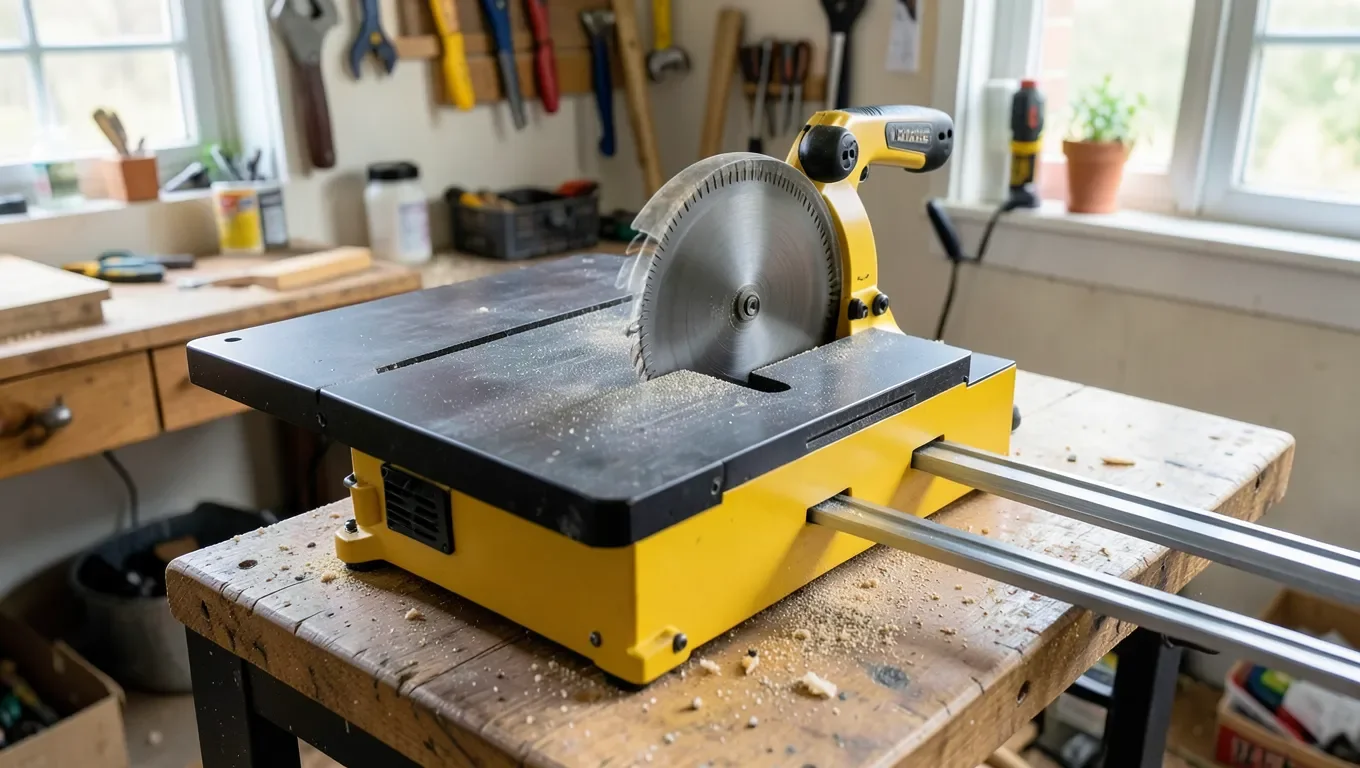
The BT3100’s core assembly is straightforward for a benchtop saw: a direct-drive motor turns the 10-inch blade, a rip fence and rail system keeps crosscuts and rip cuts straight, and a sliding miter table (rather than a separate miter gauge slot, which sets it apart from most benchtop saws in its class) handles angled and crosscuts. The sliding table is one of the BT3100’s more distinctive features and also one of the more common points of wear, since its rails see repeated back-and-forth motion on every crosscut.
A Direct Blade Upgrade
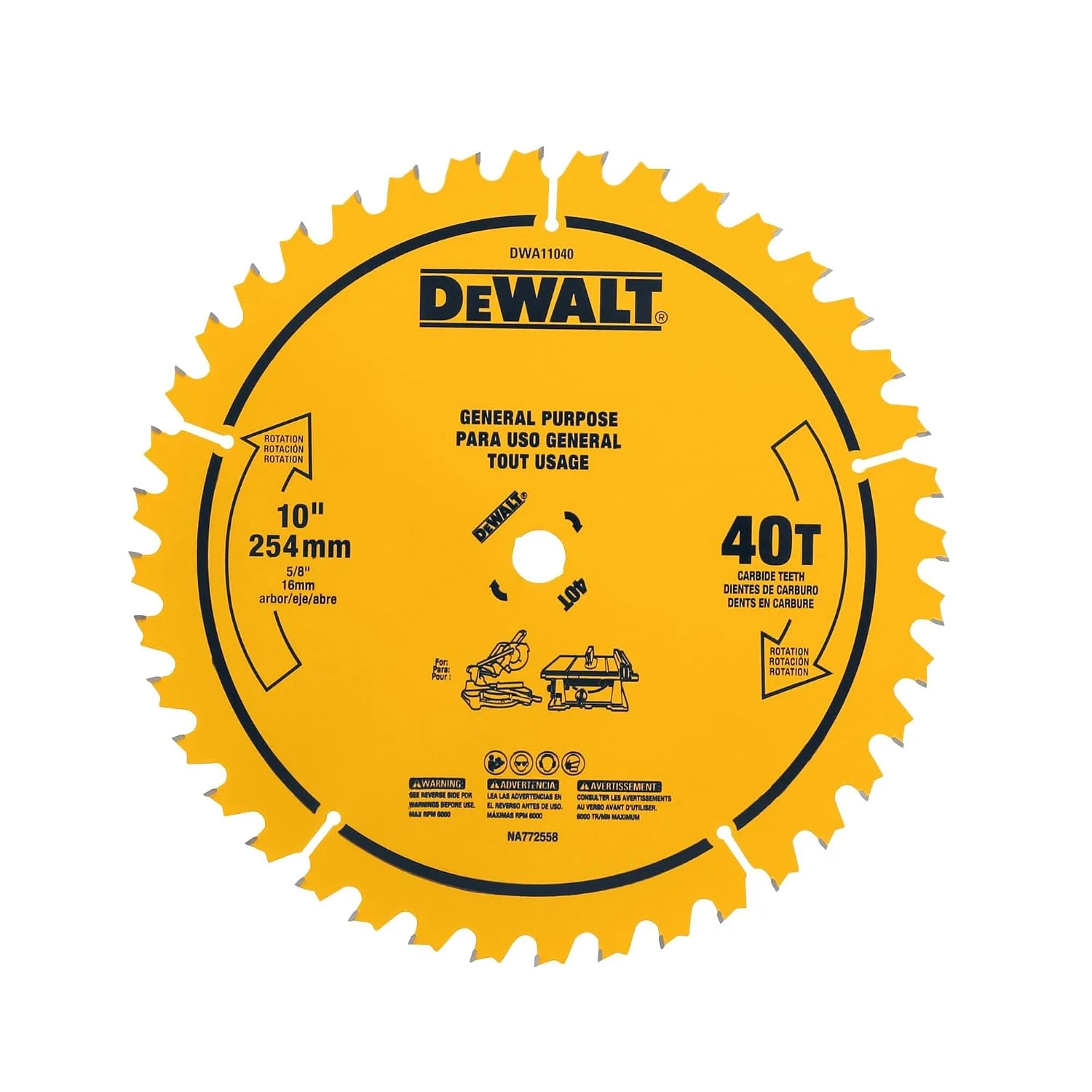 |
DEWALT DWA11040 10″ 40-Tooth Blade – $22.97 The BT3100’s standard 10″ bore fits any general-purpose 10″ blade — this one’s a common, well-reviewed replacement.
|
The blade guard and anti-kickback pawls are the other components worth checking regularly, since they’re the saw’s primary safety hardware and take direct wear from wood contact and dust exposure. A guard that’s cracked, doesn’t sit flush, or has pawls that no longer bite into the wood should be replaced before continuing to use the saw, not repaired around.
Choosing a Replacement Blade
The BT3100 takes a standard 10-inch blade with a 5/8-inch arbor, the same size used across most consumer table saws, so you’re not limited to Ryobi-branded blades. Tooth count is the main thing to match to your work: a 24-40 tooth blade rips faster through dimensional lumber but leaves a rougher edge, while a 60-80 tooth blade cuts more slowly but gives a much cleaner finish on plywood, veneer, and cross-grain cuts. A 40-tooth combination blade, like the one above, is the reasonable default for general shop use if you don’t want to swap blades between tasks.
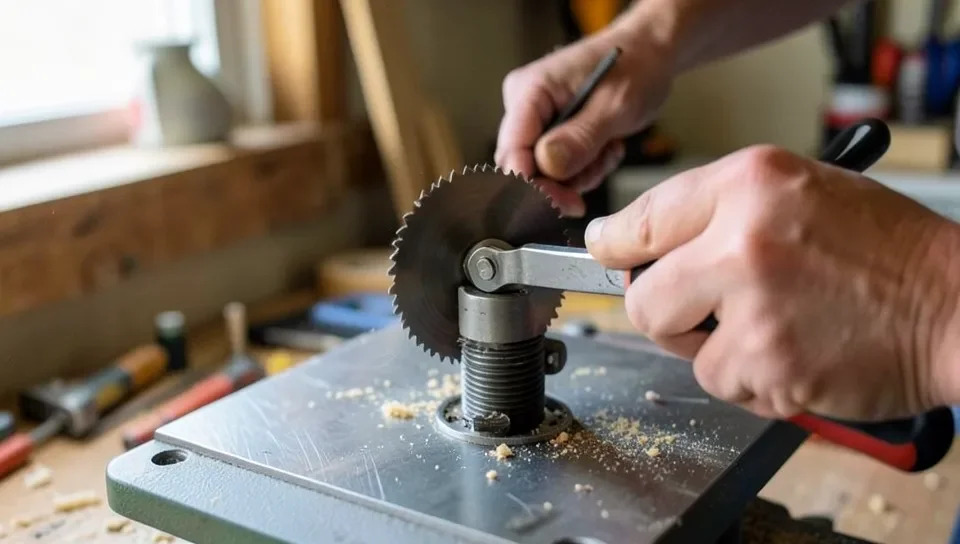
To swap the blade: unplug the saw, raise the blade to its maximum height for clearance, engage the arbor lock if the saw has one, and loosen the arbor nut with a wrench. Table saw arbor nuts vary by manufacturer on whether they’re standard or reverse-threaded, so if the nut doesn’t budge turning counterclockwise with reasonable force, don’t force it — try clockwise instead, or check the BT3100’s manual to confirm before applying more torque. Remove the old blade, seat the new one with the teeth pointing in the direction of blade rotation (typically toward the front/operator side at the top), and tighten the arbor nut securely before lowering the blade and reconnecting power.
Improving Dust Collection
The BT3100’s stock dust port is modest by modern standards, and connecting a shop vac to it (rather than relying on the small onboard dust bag some units shipped with) makes a real difference in how much sawdust ends up on the floor versus captured. A universal dust port adapter, sized to match both the saw’s port and your vacuum hose diameter, is usually the missing piece if the stock port doesn’t fit your existing shop vac hose.
Safety Hardware Worth Checking
Beyond the blade guard and anti-kickback pawls mentioned earlier, check the riving knife or splitter (whichever the BT3100’s specific configuration uses) for proper alignment with the blade — a misaligned splitter can itself cause the wood to bind and kick back, defeating its purpose. If any of this hardware is missing entirely on a used unit, replacing it should be a priority before using the saw regularly, not an optional upgrade.
Extending the Table Surface
Aftermarket extension wings or a shop-built outfeed table both help support larger workpieces, which matters more on a benchtop saw with a smaller stock table than on a full cabinet saw. Whatever you add, check that the extension surface sits exactly level with the main table — even a slight step at the seam will throw off the accuracy of long rip cuts.
Maintenance for Longevity
Since the BT3100 hasn’t been in production for years, keeping the one you have running well matters more than it would for a saw with easy factory support. Wipe down the sliding table rails regularly and apply a light coat of dry lubricant (paste wax works well and doesn’t attract dust the way oil does) to keep the slide smooth. Periodically check that the rip fence stays parallel to the blade and that the miter table’s stops are still accurate, since repeated use can gradually loosen the fasteners holding these in alignment.
Where to Find Replacement Parts
Since Ryobi discontinued the BT3100 line, replacement parts come mainly from three sources: specialty tool-parts retailers that stock exploded diagrams and part numbers for discontinued models, general marketplaces like eBay (a good source for used or new-old-stock OEM parts), and Amazon for universal components like blades, belts, and dust adapters that aren’t model-specific. When ordering anything model-specific (fence rails, table inserts, switch assemblies), confirm the exact part number against your saw’s specific BT3100 revision before buying, since Ryobi made minor design changes across the production run.
Frequently Asked Questions
What Are the Main Parts of a Ryobi BT3100?
The BT3100 includes a direct-drive motor assembly, a rip fence and rail system, a sliding miter table (rather than a standard miter gauge slot), a blade guard, and anti-kickback pawls. It also has a dust collection port at the rear of the saw. Regular maintenance and periodic alignment checks keep these components working accurately.
How Do I Replace the Ryobi BT3100 Blade?
Unplug the saw, raise the blade to full height, and loosen the arbor nut with a wrench. If it doesn’t turn counterclockwise with reasonable force, try clockwise instead rather than forcing it, since arbor nut thread direction varies by manufacturer. Remove the old blade, install the new one with teeth pointing in the direction of rotation, and tighten the arbor nut securely before lowering the blade and reconnecting power.
Where Can I Buy Ryobi BT3100 Replacement Parts?
Since the BT3100 is discontinued, parts come primarily from specialty tool-parts retailers, eBay listings (including used and new-old-stock OEM parts), and Amazon for universal items like blades and dust adapters. Always confirm the exact part number matches your saw’s specific production revision before ordering.
How Do I Maintain a Ryobi BT3100 Table Saw?
Clean sawdust from the saw regularly, lubricate the sliding table rails with a dry lubricant like paste wax, and periodically verify the rip fence is parallel to the blade and the miter table’s angle stops are still accurate. Inspect the blade guard and anti-kickback pawls for wear or damage as part of routine maintenance.
Conclusion
The Ryobi BT3100 is a capable benchtop saw that’s well worth keeping running, even though Ryobi discontinued it years ago. A quality replacement blade, attention to the sliding table and safety hardware, and knowing where to source parts for a discontinued model are what keep it cutting accurately for years beyond its original production run.
Sponsored / affiliate links. As an Amazon Associate I earn from qualifying purchases. I may earn additional commission from eligible campaigns.