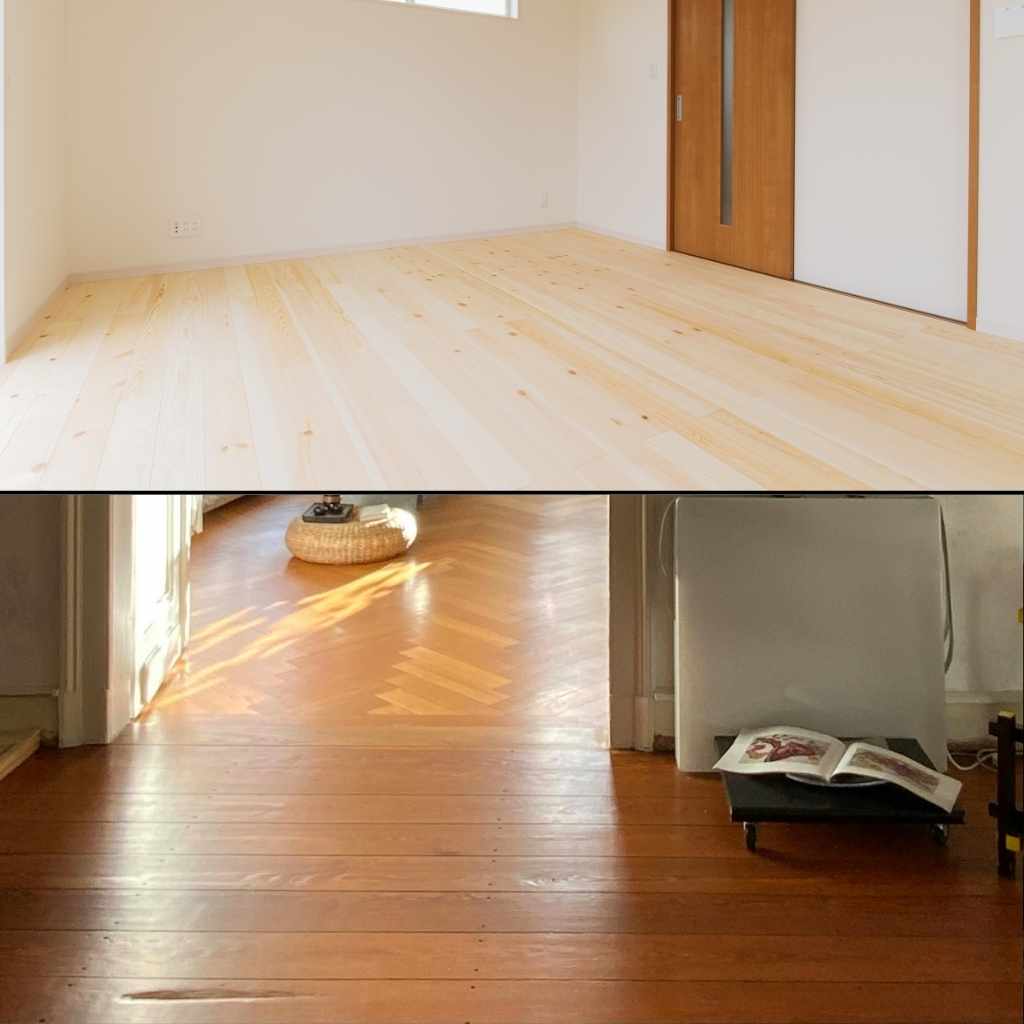
Satin vs Semi-Gloss Wood Floors: Best Finish for Homes
Picking the right finish for your wood floors can feel a bit tricky, especially when you’re just starting out. You’ve probably seen plenty of gorgeous floors and wondered what makes them look so good. The big question often comes down to Satin vs Semi-Gloss Wood Floors: Best Finish for Homes.
It’s a common choice many homeowners face, and it can be confusing with all the options. Don’t worry, though! This guide will make it super simple.
We’ll walk through everything you need to know, step by step, so you can pick the perfect look for your space. Get ready to see your floors in a whole new light.
Understanding Satin vs Semi-Gloss Wood Floor Finishes
When you’re choosing a finish for your wood floors, the look and feel are super important. You want something that not only looks good but also holds up well to everyday life. Satin and semi-gloss are two of the most popular choices, and for good reason.
They offer different levels of shine and durability, making them suitable for various styles and needs. Many homeowners find themselves weighing these two options heavily because they represent a significant difference in the final appearance of their floors.
This section will break down exactly what satin and semi-gloss finishes are. We’ll talk about how they are made and what makes them distinct. You’ll learn about the materials used and how they affect the look and protection of your wood.
By the end, you’ll have a clear picture of each finish and how it contributes to the overall aesthetic and performance of your floors.
What is a Satin Finish on Wood Floors
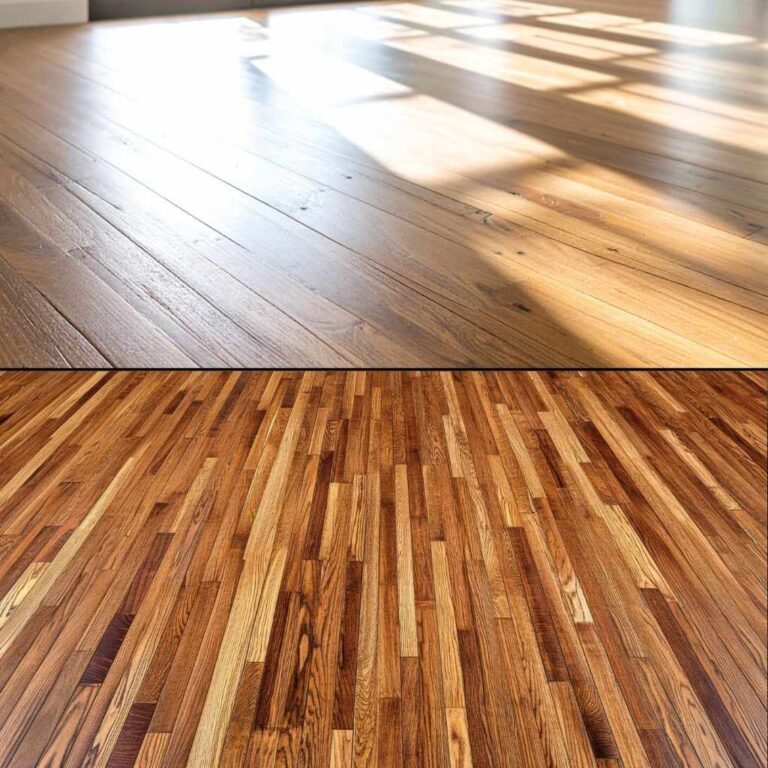
A satin finish is a type of wood floor coating that offers a soft, muted sheen. It’s not completely flat, but it’s also far from being super shiny. Think of it as having a gentle glow that reflects light in a diffused way.
This makes it look sophisticated and natural, allowing the beauty of the wood grain to shine through without being overpowering. The protective layer is smooth to the touch and provides a good balance between appearance and practicality.
The sheen level of a satin finish typically falls between 10% and 25% gloss. This range is considered a sweet spot for many because it hides minor imperfections and scuffs better than higher gloss finishes. It also means fewer fingerprints and dust are visible, which is a big plus for busy households.
The application process involves spreading a liquid coating that dries to form a clear, protective film over the wood surface. This film is designed to resist wear and tear, moisture, and common household spills.
- Soft Sheen Level
The defining characteristic of a satin finish is its understated luster. Unlike glossy finishes that brightly reflect light, satin diffuses it, creating a warm and inviting glow. This subtle shine enhances the natural beauty of the wood without making it look artificial or overly reflective.
It’s a look that complements a wide range of interior design styles, from modern farmhouse to classic traditional.
- Durability and Protection
Satin finishes are known for their good durability. The protective layer formed by the coating acts as a shield against everyday wear and tear. This includes protection from scratches, scuffs, and moisture.
While not indestructible, a well-applied satin finish can last for many years with proper care. It offers a solid defense for your wood floors against the rigors of daily life.
- Maintenance and Ease of Cleaning
One of the advantages of a satin finish is that it tends to hide minor scratches and dirt better than higher gloss finishes. This makes it a practical choice for families with children or pets. Cleaning is usually straightforward, involving regular sweeping or vacuuming and occasional damp mopping with a wood floor cleaner.
You don’t need special tools or complicated routines.
- Visual Appeal in Different Lighting
The way a satin finish looks can change subtly depending on the lighting conditions. In natural daylight, it appears soft and welcoming. Under artificial light, it can offer a gentle gleam.
This adaptability means it looks good throughout the day and night, fitting seamlessly into the atmosphere of your home. It avoids the glare that can sometimes be an issue with shinier finishes.
What is a Semi-Gloss Finish on Wood Floors
A semi-gloss finish brings a noticeable shine to wood floors. It has a higher level of reflectivity than satin, making the wood appear brighter and more polished. This finish offers a distinct gleam that can make a room feel more elegant and expansive.
It’s a popular choice for those who want their wood floors to stand out and have a polished, almost luxurious look.
The gloss level for semi-gloss finishes typically ranges from 35% to 55% gloss. This means it reflects a good amount of light, which can highlight the wood’s color and grain patterns. While it offers a beautiful aesthetic, it also means that dirt, dust, and minor imperfections are more easily visible compared to lower sheen finishes.
However, the increased shine can also make a room feel more open and airy.
- Moderate Sheen Level
Semi-gloss finishes provide a moderate level of shine that is clearly visible. They reflect light more than satin finishes, giving the floors a polished and elegant appearance. This shine can enhance the richness of the wood’s color and make the entire room feel brighter and more vibrant.
It’s a step up in shininess from satin, offering a noticeable gleam.
- Enhanced Visual Depth
The higher reflectivity of semi-gloss finishes can create a sense of visual depth. This means the wood can appear to have more texture and character. The way light bounces off the surface can make the grain patterns more prominent, adding a dynamic quality to the floor.
It gives the wood a more luxurious and high-end feel.
- Increased Visibility of Imperfections
With a higher shine comes a greater likelihood of showing minor scuffs, scratches, and dust. This is an important consideration for busy households. While the beautiful shine is appealing, it requires a bit more attention to keep the floors looking pristine.
Regular cleaning becomes even more important to maintain that polished look.
- Durability and Protection Aspects
Similar to satin, semi-gloss finishes offer good protection against everyday wear and tear. The protective coating is robust and designed to shield the wood from moisture and abrasion. The durability is generally comparable to satin finishes, focusing on longevity and resistance to damage.
The main difference lies in how the shine level affects the visibility of wear.
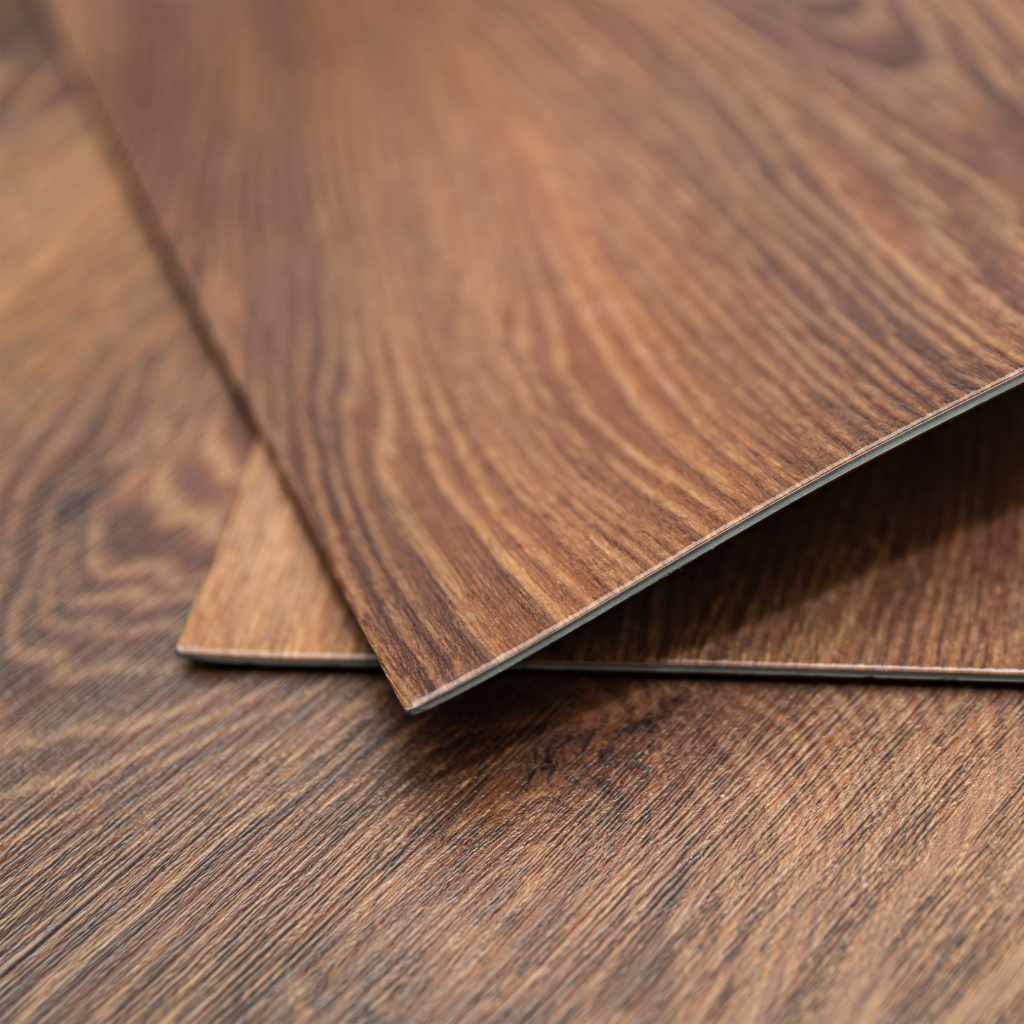
Satin vs Semi-Gloss Wood Floors Best Finish for Homes Comparison
Deciding between satin and semi-gloss finishes for your wood floors often comes down to your personal style and how you use your home. Both offer excellent protection, but they create very different visual effects. Understanding these differences is key to making the right choice that you’ll be happy with for years to come.
We’ll look at how they perform in different areas and what makes one a better fit than the other for certain situations.
This comparison will directly address the core question: which is the better finish for your home? We’ll explore factors like how they handle wear and tear, how easy they are to clean, and how they impact the overall look and feel of a room. By the end of this section, you should feel much more confident about which finish aligns best with your needs and preferences.
We aim to simplify the decision-making process, providing clarity on the benefits and drawbacks of each option.
Appearance and Aesthetics
The most striking difference between satin and semi-gloss finishes lies in their appearance. Satin offers a subtle, soft sheen that feels natural and understated. It allows the wood’s inherent beauty to take center stage without any distracting glare.
Semi-gloss, on the other hand, presents a more pronounced shine. This higher reflectivity can make the wood appear richer and more vibrant, giving rooms a polished and elegant feel.
Consider the overall style of your home. If you prefer a more relaxed, organic, or traditional look, satin might be your preference. Its muted sheen blends well with many decor styles and doesn’t demand too much attention.
If you’re aiming for a more sophisticated, modern, or dramatic aesthetic, the increased reflectivity of semi-gloss could be the perfect choice. It can make a space feel grander and more luxurious. The way light plays off the surface is a significant factor in how each finish impacts the room’s ambiance.
Visual Characteristics Compared
| Feature | Satin Finish | Semi-Gloss Finish |
|---|---|---|
| Sheen Level | Low to moderate (10-25% gloss) | Moderate to high (35-55% gloss) |
| Light Reflection | Diffused, soft glow | Brighter, more noticeable reflection |
| Imperfection Visibility | Good at hiding minor scuffs and dust | More prone to showing minor scuffs and dust |
| Wood Grain Emphasis | Subtle enhancement | More pronounced enhancement |
| Overall Mood | Natural, relaxed, understated | Elegant, polished, sophisticated |
The table above provides a quick snapshot of how these two finishes differ visually. Satin’s diffused light reflection means less glare, which can be more comfortable for the eyes in brightly lit rooms. Semi-gloss’s brighter reflection can actually make a space feel larger by bouncing more light around.
This is why homeowners often consider the natural light in their rooms when making this choice.
Durability and Maintenance Needs
When it comes to everyday life, durability and ease of maintenance are often top priorities for homeowners. Both satin and semi-gloss finishes provide a protective barrier for your wood floors, but their performance in terms of showing wear and tear can differ slightly. Understanding these aspects will help you pick the finish that best suits your lifestyle.
While the actual protective layer quality is similar between satin and semi-gloss, the visible effect of daily use varies. The shine level plays a key role in how quickly a floor appears to age or require attention. For busy households with children or pets, this difference can be quite significant in terms of how much effort is needed to keep the floors looking their best.
Wear and Tear Resistance
Both satin and semi-gloss finishes are formulated to be durable and resistant to common household issues like scratches, spills, and scuff marks. The protective coating forms a hard shell over the wood, preventing damage to the surface. The lifespan of both finishes, when properly maintained, is typically quite long, often lasting for several years before recoating is necessary.
However, the way wear and tear becomes visible is where they differ. A satin finish, with its lower sheen, is more forgiving. Minor scratches and scuffs tend to blend in better with the softer light reflection.
In contrast, the higher shine of a semi-gloss finish makes these same imperfections much more noticeable. A light scratch on a semi-gloss floor can appear as a distinct line, whereas on a satin floor, it might be less apparent. This means that while both are durable, semi-gloss requires a bit more attention to maintain its flawless appearance.
- Scuff Mark Visibility
Scuff marks, often caused by furniture legs or shoes, are a common issue on wood floors. On a semi-gloss floor, these marks can stand out as bright lines against the shinier surface. They are easier to spot and can make the floor look less clean.
Satin finishes are much better at camouflaging these marks. The softer sheen diffuses the light, making scuffs less prominent and easier to overlook until a deeper clean is performed.
- Scratch Appearance
When it comes to scratches, the depth of the scratch is the primary factor. However, the way it looks is influenced by the finish. A deep scratch will be visible on any finish.
But shallower scratches and micro-abrasions, which accumulate over time from everyday foot traffic, are far more noticeable on a high-gloss surface. The light bounces directly off these small imperfections on a semi-gloss floor, highlighting them. On a satin floor, the light is diffused, making these minor abrasions less obvious.
- Dust and Dirt Accumulation
Both finishes will show dust and dirt, but the shine of a semi-gloss floor can sometimes make accumulated dust appear more obvious, especially in direct light. The smooth, reflective surface can catch and highlight any particles. Satin finishes, with their less reflective surface, tend to hide dust and minor debris a little better.
This doesn’t mean they don’t need cleaning, just that they might look cleaner for a slightly longer period between sweeps.
- Ease of Touch-Up and Repair
When minor repairs are needed, such as fixing a small scratch, it can be easier to achieve a consistent look with a satin finish. The subtle sheen makes blending in touch-ups less critical than with a highly reflective semi-gloss finish. Achieving a seamless repair on a semi-gloss floor often requires more skill to match the exact reflectivity and avoid visible patches.
Practicality for Different Home Environments
Choosing a floor finish involves considering the practical demands of your living space. Factors like foot traffic, presence of pets or children, and overall lifestyle play a significant role in determining which finish will be the most suitable and enjoyable for your home. What works well for one household might not be the best fit for another.
This section will help you think about how each finish performs in real-world scenarios. We’ll explore which finish is generally recommended for high-traffic areas, families with young kids, or households with pets. The goal is to provide you with the information needed to select a finish that not only looks great but also stands up to the daily activities of your household without causing undue stress.
Homes with Children and Pets
For homes with active children and pets, durability and ease of maintenance are paramount. In this context, a satin finish often emerges as the more practical choice. Children can be rough on floors, and pets can track in dirt, shed fur, and sometimes have accidents.
The ability of a satin finish to mask minor scratches and scuffs means that the floors will continue to look good even with daily use. It reduces the stress of constantly worrying about minor damage.
Semi-gloss finishes, while beautiful, can be more challenging in such environments. The increased visibility of every scuff and scratch can be frustrating for parents who are already managing a busy household. While both finishes offer good protection against spills and moisture, the aesthetic aspect of how they show wear makes satin a more forgiving option.
You can enjoy a beautiful wood floor without the constant need for touch-ups or deep cleaning to maintain its appearance.
A real-life example: The Miller family has two young children and a golden retriever. They initially considered a semi-gloss finish for their living room because they loved the bright, polished look. However, after speaking with their flooring contractor, they opted for satin.
Six months later, with countless toy car races across the floor and muddy paw prints after walks, they are thrilled with their decision. The satin finish hides most of the scuffs and dirt, and they only need to do a thorough clean once a week to keep it looking presentable.
- Reduced Worry About Damage
With a satin finish, parents can feel more relaxed about their children playing on the floor. There’s less concern about crayons scratching the surface or toys being dropped. The finish is forgiving, allowing kids to be kids without constant supervision to protect the floors.
This peace of mind is invaluable for busy families.
- Easier to Maintain a Good Appearance
The ability of satin to hide dirt and minor wear means the floors often look tidier between cleanings. This is a significant advantage when you have limited time for household chores. A quick sweep or vacuum is often enough to keep the floors presentable, rather than needing to constantly buff out marks.
- Pet-Friendly Qualities
Pets can bring their own set of challenges, from shedding to accidental messes. The forgiving nature of satin makes it a good choice for pet owners. While all wood floors need to be cleaned up quickly after pet accidents, the satin finish is less likely to show nail scratches or paw prints as prominently as a shinier finish.
- Long-Term Aesthetic Appeal
Choosing satin can mean your floors maintain their attractive appearance for longer without requiring frequent professional refinishing. This translates to cost savings and less disruption over the years. The understated beauty of satin endures well through various stages of family life.
High-Traffic Areas and Commercial Spaces
In areas that experience heavy foot traffic, such as hallways, entryways, or even small commercial spaces like boutiques or cafes, the choice of finish is critical for longevity and appearance. Both satin and semi-gloss can hold up well, but their visual performance under constant use differs.
For very high-traffic zones where scuffs and wear are inevitable, the practical advantages of satin often outweigh the desire for a high shine. However, modern polyurethanes used for both finishes are very tough. The decision often hinges on whether you prioritize hiding wear or showcasing the floor’s sheen.
A scenario: A popular local bakery decided to refinish their main customer area. They wanted a warm, inviting look. After much consideration, they chose a satin finish for their oak floors.
This decision proved wise, as the area sees hundreds of customers daily. Even with dropped flour, shoe scuffs, and the occasional dropped tray, the satin finish did an excellent job of hiding the wear. This meant they could maintain a professional and appealing look with minimal effort, allowing them to focus on baking and serving customers.
- Hallways and Entryways
These are typically the busiest parts of a home. People constantly walk through them, bringing in dirt and moisture from outside. The satin finish is beneficial here because it hides the scuffs and marks that are bound to accumulate quickly in these zones.
A semi-gloss finish would highlight every footprint and scuff mark, making the area appear worn and unkempt much sooner.
- Kitchens and Dining Areas
These areas also see significant activity, with food spills, dropped items, and chair movement. While both finishes offer protection, satin can be more forgiving of minor spills that might dry and leave marks on a shinier surface. However, prompt cleaning is always recommended for any finish to prevent staining or damage.
- Small Commercial Settings
For businesses like small shops, studios, or galleries, maintaining a polished appearance is important for customer perception. A satin finish can provide a professional look without the high maintenance demands of a semi-gloss. It allows the focus to remain on the products or services being offered, rather than constant floor upkeep.
Light Reflection and Room Ambiance
The way a finish interacts with light has a profound impact on the perceived size, mood, and overall ambiance of a room. Satin and semi-gloss finishes achieve this in distinctly different ways, making the choice a key element in interior design. It’s not just about how shiny the floor is, but what that shine does for the space.
Understanding how light is reflected is essential. A more reflective surface can bounce light around, potentially making a room feel brighter and larger. A less reflective surface absorbs more light, creating a softer, more intimate atmosphere.
This consideration is crucial when aiming for a specific feel or trying to optimize the natural or artificial lighting in your home.
Impact on Room Brightness and Size
A semi-gloss finish is known for its ability to enhance room brightness. Because it reflects a larger percentage of light, it can make a room feel more open and expansive. This is particularly beneficial in smaller rooms or spaces with limited natural light.
The increased reflectivity can create a sense of depth and make the floor appear more dynamic.
Conversely, a satin finish absorbs more light. This doesn’t mean it makes a room dark, but rather that the light is diffused. The result is a softer, more subdued ambiance.
Satin finishes can make a room feel cozier and more intimate. They are excellent for creating a relaxed atmosphere where the floors are a beautiful, grounding element rather than a dominant feature.
Creating Different Moods and Styles
The choice between satin and semi-gloss can significantly influence the mood and style of a room. For a sophisticated, modern, or glamorous look, semi-gloss is often preferred. It adds a touch of luxury and can make a space feel more formal.
It’s a popular choice for dining rooms or living areas where a polished look is desired.
For a more casual, natural, or rustic aesthetic, satin is often the better fit. It complements styles like farmhouse, bohemian, or Scandinavian design. Its understated elegance provides a warm and inviting backdrop that allows other decorative elements to shine.
It creates a comfortable and approachable atmosphere that’s perfect for everyday living.
Consider this scenario: A homeowner is renovating their master bedroom. They want a serene and relaxing retreat. They’ve chosen a light-colored wood for their floors.
They are debating between satin and semi-gloss. A satin finish would contribute to the calm and tranquil mood they are trying to create, reflecting light softly and avoiding any harsh glare that might disrupt their relaxation. A semi-gloss finish, while elegant, might be too bright and potentially distracting for a sleep sanctuary.
Therefore, satin is the more appropriate choice for their desired bedroom ambiance.
Application and Finish Types
Wood floor finishes are typically made from polyurethane, which is a durable plastic material. This material forms a protective coating over the wood. The primary types you’ll encounter are oil-based and water-based polyurethanes, each with its own characteristics that influence the final look, durability, and application process.
The choice of polyurethane type can also affect the sheen and color of the finish.
Understanding the differences between oil-based and water-based finishes is important, as they behave differently during application and once cured. This section will explore these distinctions, including how they affect the color of the wood, their drying times, and their environmental impact. This knowledge will help you make a more informed decision when it comes to applying or selecting pre-finished wood floors.
Oil-Based Polyurethane
Oil-based polyurethane is a traditional choice for wood floor finishes. It is known for its durability and its ability to impart a warm, amber tone to the wood. This ambering effect deepens the natural color of the wood, giving it a rich, classic appearance.
It tends to darken over time, which some homeowners find desirable as it adds to the aged beauty of the wood.
Oil-based finishes are also very hard-wearing and offer excellent resistance to abrasion and wear. However, they have a longer drying time compared to water-based finishes, meaning the floor will be unusable for a longer period after application. They also emit stronger odors during application and curing, requiring good ventilation.
The cleaning of application tools is done with mineral spirits.
- Durability and Hardness
Oil-based polyurethane creates a very hard and durable finish that is highly resistant to scratches and dents. This makes it a great choice for high-traffic areas where the floors will experience a lot of wear and tear. Its robust nature ensures it can withstand the rigors of daily life for many years.
- Amber Toning Effect
One of the most distinctive features of oil-based finishes is their tendency to yellow or amber over time. This effect deepens the color of the wood, giving it a warm, rich, and aged appearance. For woods like oak or maple, this ambering can significantly enhance their natural beauty, providing a classic look.
- Slower Drying Times
Compared to water-based finishes, oil-based polyurethanes take longer to dry. This means that the floor will be off-limits for a longer period after application, typically 24-72 hours before light foot traffic is allowed, and up to 30 days before furniture can be replaced and the finish is fully cured. This extended drying time needs to be factored into renovation plans.
- Strong Odor During Application
Oil-based finishes have a strong, solvent-like odor during application and curing. Adequate ventilation is crucial to manage these fumes and ensure a healthy environment. This strong smell can be a drawback for some homeowners, especially if they are sensitive to chemical odors.
Water-Based Polyurethane
Water-based polyurethane, also known as polycrylic or acrylic urethane, is a more modern option. It dries much faster than oil-based finishes and has a lower odor. A key characteristic is its clarity; it typically dries clear, meaning it doesn’t significantly alter the natural color of the wood or add an amber tone.
This makes it ideal for preserving the original look of lighter woods or for achieving a very clean, contemporary aesthetic.
While water-based finishes have improved significantly in durability over the years, some still consider oil-based to be slightly harder wearing. However, for most residential applications, modern water-based polyurethanes offer excellent protection and are a popular choice due to their quick drying times and low VOC (volatile organic compound) emissions, making them more environmentally friendly and user-friendly.
- Clear Finish and Color Preservation
Water-based polyurethanes dry clear, meaning they do not impart an amber or yellow hue to the wood. This is excellent for maintaining the natural color of light-colored woods like birch or ash, or for achieving a very modern, bright look. It prevents the wood from darkening over time, preserving its original tone.
- Fast Drying Times
One of the biggest advantages of water-based finishes is their rapid drying time. Floors can typically be walked on in a light capacity within a few hours, and furniture can often be returned within 24-48 hours. This significantly reduces the downtime and inconvenience associated with floor finishing.
- Low Odor and VOCs
Water-based finishes have a much lower odor compared to oil-based alternatives and contain fewer VOCs. This makes them a more environmentally friendly choice and significantly more pleasant to work with, especially in occupied homes. The reduced fumes contribute to better indoor air quality.
- Good Durability
Modern water-based polyurethanes offer excellent durability and resistance to scratches, scuffs, and moisture. While historically oil-based was considered superior, advancements have made water-based finishes highly competitive for residential use, providing a long-lasting protective layer for wood floors.
Making Your Final Satin vs Semi-Gloss Wood Floors: Best Finish for Homes Choice
You’ve learned about the distinct characteristics of satin and semi-gloss finishes, how they compare in appearance, durability, and maintenance, and how they impact your home’s ambiance. Now it’s time to bring it all together and make the decision that’s right for your specific needs and preferences. There isn’t a single “best” finish; it’s about finding the best fit for your lifestyle, your home’s design, and your expectations.
Consider the information we’ve covered and weigh it against your personal priorities. Do you value a low-maintenance option that hides wear well, or are you willing to put in a bit more effort for a brighter, more polished look? Thinking through these questions will guide you towards the finish that will best serve your home and bring you satisfaction for years to come.
Factors to Consider for Your Home
When deciding between satin and semi-gloss finishes for your wood floors, several key factors should guide your choice. It’s about matching the finish to your lifestyle and the overall design of your home. Think about how much wear and tear your floors will endure, the aesthetic you’re aiming for, and how much effort you’re willing to put into maintenance.
The primary considerations boil down to appearance and practicality. If hiding everyday scuffs and maintaining a natural look is paramount, satin is likely your best bet. If you prefer a more reflective, elegant sheen and are committed to regular cleaning to keep it looking pristine, semi-gloss could be the winner.
It’s a trade-off between visual impact and ease of maintenance.
- Your Home’s Style and Design
Reflect on the overall interior design of your home. Is it modern and minimalist, traditional and cozy, or rustic and natural? Satin finishes often complement warmer, more relaxed styles, while semi-gloss can elevate a more formal or contemporary setting.
Choose a finish that harmonizes with your existing decor and the mood you want to create.
- Household Activity Levels
Consider how your floors are used daily. If you have young children, pets, or a lot of foot traffic, a satin finish will be more forgiving of wear and tear, requiring less frequent deep cleaning to look its best. For quieter households with less daily activity, a semi-gloss finish can be maintained more easily.
- Desired Level of Shine and Light Reflection
Think about how much light you want your floors to reflect. Semi-gloss will make a room feel brighter and more open due to its higher reflectivity. Satin offers a softer, more diffused glow, which can create a cozier atmosphere.
Your preference for the amount of shine and its impact on room ambiance is a critical factor.
- Maintenance Commitment
Be honest about how much time and effort you are willing to dedicate to floor maintenance. Semi-gloss finishes will show dust, scuffs, and minor scratches more readily, requiring more frequent cleaning and attention to keep them looking their best. Satin finishes are more forgiving and can maintain their appearance with less intensive upkeep.
Sample Scenarios for Decision Making
To help solidify your choice, let’s look at a few common scenarios that homeowners face when selecting a wood floor finish. These examples illustrate how different lifestyles and home styles might lean towards one finish over the other, providing a clearer picture of what works best in practice.
By examining these situations, you can better identify which scenario most closely matches your own living conditions. This can make the decision-making process less abstract and more grounded in real-world application, helping you anticipate how each finish will perform in your home.
- Scenario 1: The Young Family Home
Imagine a household with two young children and a playful puppy. Their days are filled with running, playing, and occasional spills. In this case, a satin finish is the highly recommended choice.
It’s durable enough to handle the daily wear and tear, and its subtle sheen helps to camouflage minor scratches from toys and pet claws. This means less worry for the parents and more time for family fun, as the floors will continue to look good with regular cleaning.
- Scenario 2: The Elegant Entertainment Space
Consider a homeowner who frequently hosts dinner parties and gatherings. They want their living and dining areas to exude sophistication and style. A semi-gloss finish would be an excellent option here.
The enhanced shine reflects light beautifully, making the space feel more formal and luxurious. While it requires more diligent cleaning to maintain its pristine appearance, the dramatic visual impact is often worth the effort for such a space.
- Scenario 3: The Cozy, Natural Retreat
Picture someone who values a calm, relaxed atmosphere in their home, perhaps a nature lover or someone who prefers a minimalist, organic aesthetic. For them, a satin finish would be ideal. It enhances the natural beauty of the wood without being ostentatious, creating a warm and inviting ambiance.
This finish complements natural materials and softer decor, contributing to a tranquil living environment.
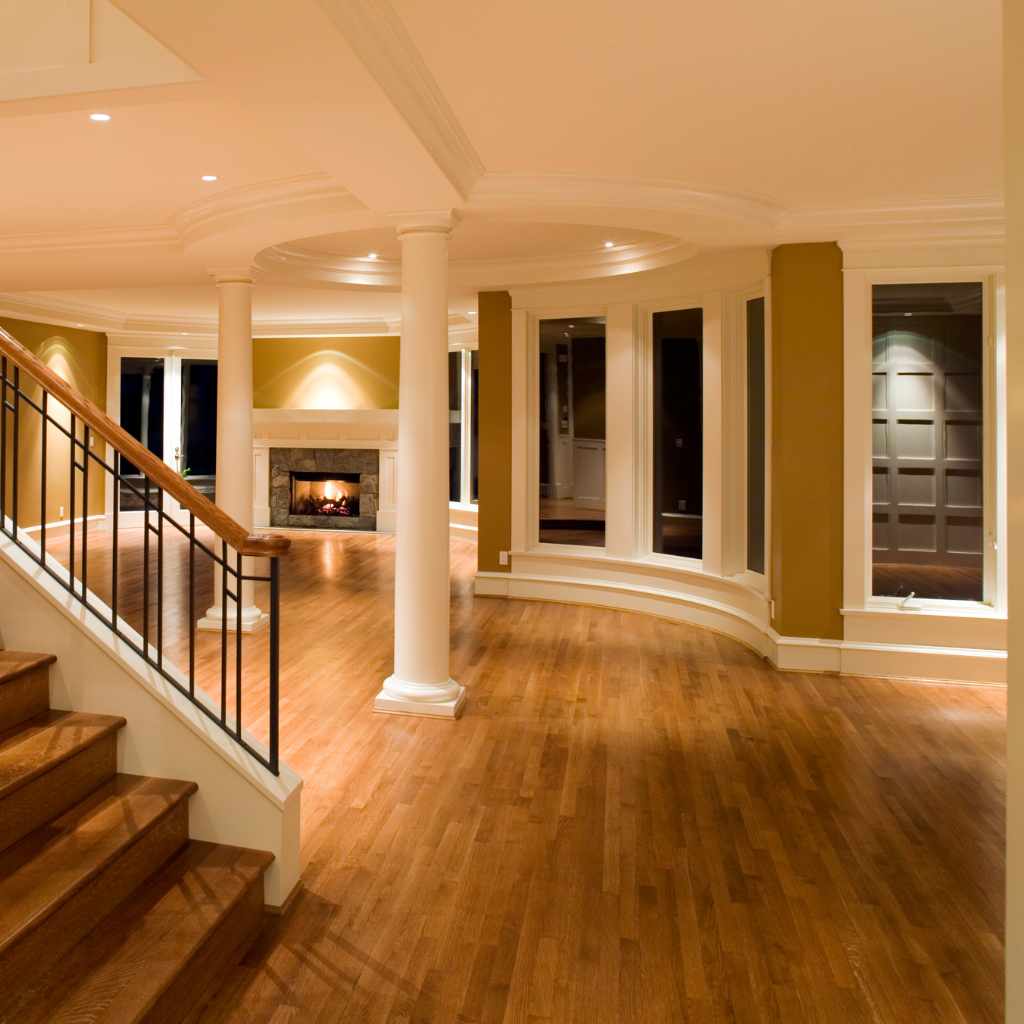
Frequently Asked Questions
Question: Which finish lasts longer satin or semi-gloss
Answer: Both satin and semi-gloss finishes are typically made from the same types of polyurethane and offer comparable durability in terms of protecting the wood. The lifespan of the finish depends more on the quality of the product used, the number of coats applied, and how well the floors are maintained, rather than the sheen level itself. However, semi-gloss may show minor wear like scuffs and scratches more visibly than satin, potentially making it appear “worn” sooner, even if the protective layer is still intact.
Question: Is satin or semi-gloss better for hiding scratches
Answer: Satin finishes are generally better at hiding scratches and minor imperfections compared to semi-gloss finishes. The lower sheen of satin diffuses light, making small scuffs and scratches less noticeable. Semi-gloss finishes reflect more light, which tends to highlight any surface marks, making them more apparent.
Question: Can I get a Satin vs Semi-Gloss Wood Floors: Best Finish for Homes in different colors
Answer: The satin and semi-gloss sheens refer to the level of shine, not the color. You can typically get both satin and semi-gloss finishes in clear formulations or tinted versions. The tinting is applied to the wood itself (stain) before the protective finish is applied, or sometimes the finish itself can have a slight color added.
The sheen is a characteristic of the top protective layer.
Question: Which finish is easier to clean satin or semi-gloss
Answer: Satin finishes are generally considered easier to maintain in terms of appearance because they hide dust, scuffs, and minor scratches better. This means they often look cleaner between deep cleaning sessions. Semi-gloss finishes require more frequent wiping and buffing to keep them looking spotless due to their higher reflectivity making imperfections more visible.
Question: Is a semi-gloss finish more slippery than satin
Answer: The difference in slipperiness between satin and semi-gloss finishes is usually negligible for most residential settings. Both provide a smooth surface. While a higher gloss might seem like it would be more slippery, the texture of the polyurethane and the finish’s overall hardness play a larger role.
Both finishes are generally safe for normal household activity.
Final Thoughts
Choosing between satin and semi-gloss for your wood floors involves balancing aesthetics with practicality. Satin offers a subdued, natural sheen that excels at concealing minor wear and tear, making it an excellent, low-stress option for active households. Its gentle reflection creates a warm, inviting atmosphere that complements many decor styles.
On the other hand, semi-gloss provides a more pronounced shine, lending an air of elegance and sophistication to a room by reflecting more light and enhancing the wood’s vibrancy. This higher shine, however, means that scuffs and imperfections are more readily visible, requiring a bit more attention to maintain that polished look. Consider the daily life in your home, the desired ambiance, and your commitment to maintenance.
For many families, the forgiving nature of satin makes it the preferred choice, ensuring lasting beauty with less worry. If you prioritize a brighter, more dramatic look and are prepared for diligent upkeep, semi-gloss can be a stunning option. Ultimately, the best finish is the one that aligns with your lifestyle and brings you the most joy in your home.