Shellac Cut Ratio Calculator: Mix the Right Batch
I mix shellac by matching the cut in pounds to the final batch volume in gallons, then weighing flakes to suit that ratio; for a 2-lb cut, use 2 pounds of flakes per 1 gallon of alcohol. Wrong ratios leave brush marks, a soft film, slow dry times, or a pad that starts to drag. This guide gives exact batch formulas, quick volume tables, and fixes for mixes that are too thick or too thin.
How is this calculated?
Press Calculate to see the math with your numbers.
What a shellac cut ratio means
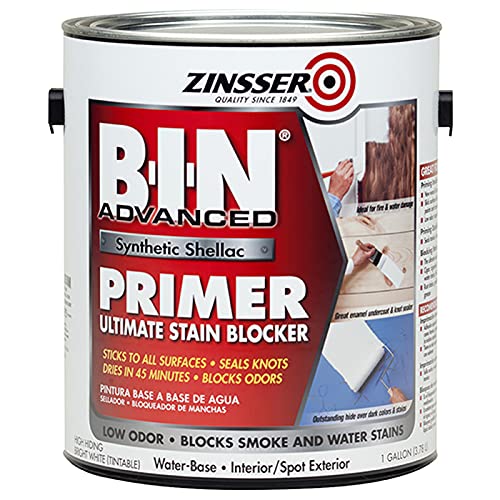


A shellac cut is the weight of flakes dissolved in alcohol, stated as pounds of flakes per gallon of alcohol. A 1-lb cut equals one pound of flakes per gallon of alcohol, and shellac can be wiped or brushed onto wood surfaces. Heavier cuts build faster; lighter cuts flow out and seal with less film.
Cut, flakes, and alcohol: the working definition
Shellac flakes are dry resin measured by weight in ounces, pounds, or grams. Denatured alcohol is commonly used as the solvent for shellac, and it should match the finish family you are working with. The liquid shellac you pour is not the same volume as the alcohol you started with, because the flakes take up space as they dissolve.
Why thicker cuts behave differently at the bench
A higher shellac ratio makes a thicker mix that can feel sticky. A higher alcohol ratio makes a thinner mix for a light sealer. That is why I would use a heavier cut for heavy sealing work, while a lighter cut suits wash coats and sanding sealer. The mix handles very differently under the brush.
How to calculate a shellac batch
Calculate shellac by keeping the cut ratio constant across any batch size: ounces, milliliters, pints, quarts, or gallons all work if you scale both ingredients together. I find it easiest to choose the alcohol volume first, then weigh flakes to match the cut. Label the jar before the flakes hit the alcohol.
The pounds-per-gallon basis, converted for smaller batches
A 1-lb cut equals one pound of flakes per gallon of alcohol. The same cut is also framed as 1 oz flakes per 8 fl oz alcohol. That gives a simple small-batch rule: once the alcohol amount is set, the flakes follow the same proportion.
How to use ounces and grams for flakes
A 1-lb cut is equivalent to 120 grams per litre. That lets you switch between imperial and metric without guessing. For example, a half-liter batch at a 1-lb cut uses roughly 60 grams of flakes; a liter at a 2-lb cut uses roughly 240 grams.
How to use milliliters, pints, quarts, and gallons for alcohol
Use the alcohol container as the batch anchor. A pint, quart, or gallon can be measured first, then flakes are added to match the cut. Because flakes displace volume, the final liquid yield will be larger than the alcohol volume alone, so do not pre-fill a jar to the final mark before dissolving the flakes.
- Choose the cut for the task.
- Measure the alcohol volume first.
- Weigh flakes to match the cut ratio.
- Add flakes to the jar, then pour in alcohol.
- Cap, shake, and let the mix dissolve fully.
- Label the jar with cut, date, and batch size.
Which cut should you use for the task?
The best cut depends on the job. A 0.5- to 1-lb cut suits wash coats and sanding sealer. A 1.5- to 2-lb cut is common for French polishing and general finish work. A 2- to 3-lb cut is better for heavier build, knot sealing, and odor blocking. A 2-lb cut is described as common for a full-finish wood coat.
Wash coats and sanding sealer: 1/2- to 1-lb cuts
Use thin cuts when the goal is pre-stain conditioning or a barrier coat that does not load the surface. A thinner batch dries faster and sands lightly. If shellac starts to drag the pad or leave brush streaks, the cut is usually too heavy for sealer work.
French polishing: 1.5- to 2-lb cuts
Woody Calc lists a 1.5-lb cut for French polishing. That range is also where padding work usually stays, because it gives enough body without turning gummy under the pad. Woody Calc lists a 2-lb cut for standard brushing and spraying topcoat.
Heavier builds and spot repairs: 2- to 3-lb cuts
Woody Calc lists a 3-lb cut for sealing pine knots and odor blocking. That heavier mix can help with spot sealing and problem areas, but it needs careful application. Too much shellac in one pass can trap solvent and leave a soft, tacky surface.
Do you need dewaxed or wax-containing shellac?
Dewaxed shellac is the safer universal undercoat when a project will receive polyurethane or a waterborne topcoat. Wax-containing shellac is still useful as a traditional final finish, especially where compatibility with later coats is not a concern. The right choice depends on what comes next in the finishing schedule.
When dewaxed shellac fits under polyurethane and waterborne finishes
Dewaxed shellac is the common choice when a shellac coat must stay compatible with later film finishes. It is the better undercoat for polyurethane and many waterborne topcoats because the wax layer is removed. Lighter grades are also useful when the goal is a clear barrier without extra color.
Where wax-containing shellac still makes sense
Wax-containing shellac can still work as a traditional final finish layer or a standalone sealer. It is not the first choice under many modern topcoats, but it remains useful when the shellac itself is the finish. That includes some repair work and older finishing schedules.
Button lac and seedlac are part of the traditional shellac family and may contain more natural wax than dewaxed flakes. Wax-in flakes also belong in that group. In practice, I treat them as finish materials for shellac-only schedules, not automatic undercoats for everything else.
Printable mixing table and calculator workflow
This table is built as a shop reference. It shows the common cuts in both imperial and metric terms, with batch sizes that can be scaled up or down. Most pre-mixed commercial shellac comes at a 3-lb cut, so the table also helps you compare fresh batches to what is already on the shelf.
| Cut | Flakes per 8 fl oz alcohol | Flakes per 1 pint alcohol | Flakes per 1 quart alcohol | Flakes per 1 gallon alcohol | Metric equivalent |
|---|---|---|---|---|---|
| 1/2-lb cut | 0.5 oz | 1 oz | 2 oz | 8 oz | 60 g per litre |
| 1-lb cut | 1 oz | 2 oz | 4 oz | 16 oz | 120 g per litre |
| 1.5-lb cut | 1.5 oz | 3 oz | 6 oz | 24 oz | 180 g per litre |
| 2-lb cut | 2 oz | 4 oz | 8 oz | 32 oz | 240 g per litre |
| 3-lb cut | 3 oz | 6 oz | 12 oz | 48 oz | 360 g per litre |
How to label the jar with cut, date, and batch size
Write the cut, the alcohol volume, and the date on the container before mixing. Mixed shellac has a limited shelf life of about one year, and old liquid shellac is more likely to misbehave on the surface. Clear labeling also helps when a partly used batch is later thinned or corrected. (en.wikipedia.org)
- Pick the cut from the table.
- Choose your alcohol volume.
- Weigh flakes from the matching line.
- Add alcohol, cap tightly, and shake.
- Let solids dissolve fully, then strain if needed.
- Mark the jar with cut, date, and color.
How do I fix an off-ratio shellac mix?
Off-ratio shellac is usually fixable if it is still liquid and not contaminated. If the mix is too thick, thin it with more alcohol in measured increments. If it is too thin, add flakes and allow them to dissolve fully. If the batch has gone gummy, cloudy, or stringy, filtration or replacement may be the safer choice.
Over-thick mix: how to thin it without guessing
If the shellac drags, flashes too slowly, or leaves heavy ridges, add denatured alcohol in small measured amounts and remix. Stir or shake, then test on scrap. The goal is to step the batch down toward the cut that matches the task rather than flooding the jar with solvent all at once.
Over-thin mix: when to add more flakes and remix
If the coat looks starved, dry spray is weak, or the film is too lean for the intended work, add weighed flakes back into the same solvent base. Let the flakes dissolve completely before using the batch. This is the cleaner fix when the jar is clearly below the needed cut.
Gummy shellac: causes, filters, and when to scrap the batch
Gummy shellac usually points to too much resin for the solvent, contaminated alcohol, or material that has aged poorly. If it still seems usable, strain it and test on scrap after thinning. If it remains stringy, refuses to flow, or stays tacky after a normal dry period, scrap it and start fresh.
How long does mixed shellac last?
Mixed shellac has a limited shelf life of about one year. Old shellac can still look usable in the jar and fail on the board. If the batch has been stored a long time, check for poor flow, slow dry time, and odd residue before applying it to a project surface.
How to verify the mix before committing to a project surface
Brush or wipe a small test area on scrap from the same wood species, then inspect the dry film for drag, streaking, and surface tack. Shellac can be wiped or brushed onto wood surfaces, so a quick scrap test is easy to do. If the test patch looks wrong, correct the batch before moving to the project.
What alcohol should I use to mix shellac flakes?
Use denatured alcohol that is intended for shellac work and keep the container away from sparks and open flame. Ventilation matters because the solvent is volatile and flammable. If a product is not suited to shellac or the finish family on hand, do not assume it will behave the same way in the jar.
Frequently asked questions
How do I calculate a shellac cut ratio from flakes and alcohol?
Use the cut as pounds of flakes per gallon of alcohol, then scale both ingredients together for any batch size. For smaller batches, the same ratio can be converted to ounces or grams. The key is keeping the same proportion, not forcing everything into one container size.
How much shellac flakes do I need for 8 oz of alcohol?
For a 1-lb cut, 8 fl oz of alcohol takes 1 oz of flakes. For a 1/2-lb cut, it takes 0.5 oz. For a 2-lb cut, it takes 2 oz. Match the weight to the cut you want, then allow time for full dissolution.
What is a 1-lb cut of shellac?
A 1-lb cut means one pound of flakes per gallon of alcohol. It is also commonly expressed as 1 oz flakes per 8 fl oz alcohol, or 120 grams per litre. That makes it a useful middle point for sealing and general finish mixing.
What is the difference between 1-lb, 2-lb, and 3-lb shellac cuts?
A 1-lb cut is thinner and better for sealing. A 2-lb cut is common for a full-finish wood coat. A 3-lb cut is thicker and often used for knot sealing or odor blocking. As the cut rises, the mix builds faster but can become stickier and harder to brush.
How much alcohol do I add to thin shellac?
Add denatured alcohol in measured amounts until the mix reaches the cut you need. If the shellac is already mixed, thinning is a correction step, not a guess. Add a little, shake, and test again on scrap so you do not overshoot and make the batch too weak.
Can I use shellac cut ratios in grams and milliliters?
Yes. A 1-lb cut is equivalent to 120 grams per litre. Once you know that, the rest is proportional: half that for a 1/2-lb cut, one-and-a-half times that for a 1.5-lb cut, and so on. Metric batching is often easier for repeatable small mixes.
Do I need dewaxed shellac under polyurethane?
Dewaxed shellac is the safer choice under polyurethane and many waterborne topcoats. Wax-containing shellac can interfere with later adhesion in some systems. If the shellac is only the final coat, wax content may be acceptable, but undercoat compatibility should be checked before the finish schedule starts.
How long does mixed shellac last?
Mixed shellac has a limited shelf life of about one year. Fresh batches behave more predictably than old liquid shellac, especially when the project needs a clean barrier coat or fine French polishing work. If the batch is old, test it on scrap before putting it on the piece.
What alcohol should I use to mix shellac flakes?
Use denatured alcohol made for shellac mixing. Keep the shop ventilated and keep the solvent away from flame or sparks. If the container label is unclear, treat the solvent carefully and do not assume every alcohol product will behave the same in shellac.
Sponsored / affiliate links. As an Amazon Associate I earn from qualifying purchases. I may earn additional commission from eligible campaigns.