Can You Sand Shellac? Yes: Grit, Timing and Stearated Paper
Yes, you can sand shellac. It sands more easily than lacquer or varnish once it is hard enough to produce dry powder instead of gum. Zinsser says to wait 1 hour and use 220 grit or finer, while forum finishers favor 320 to 400 grit stearated paper. This guide covers a shellac state by sanding approach table, why stearated paper resists clogging, and when not to sand at all.
What Grit Sandpaper Should You Use on Shellac?
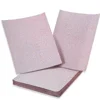 |
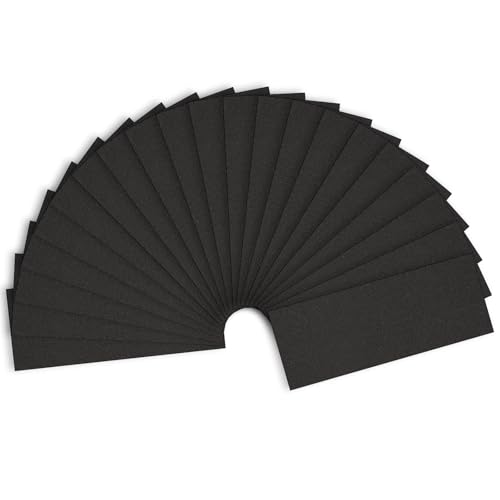
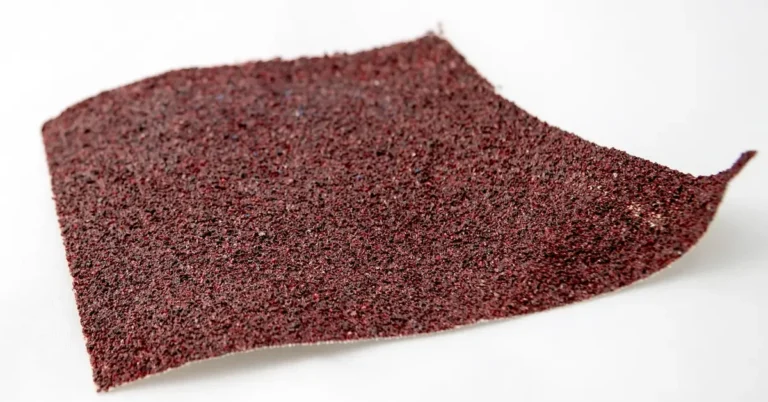
Best Stearated Sandpaper Pick Sungold Abrasives 400 Grit Stearated Aluminum Oxide Sheets, 9 x 11 in, 25-Pack ($13.03) Stearated paper is what the finishers quoted below reach for when shellac gums up regular sandpaper, and 400 grit sits at the fine end of the 320-400 range they use between coats.
|
As an Amazon Associate we earn from qualifying purchases.
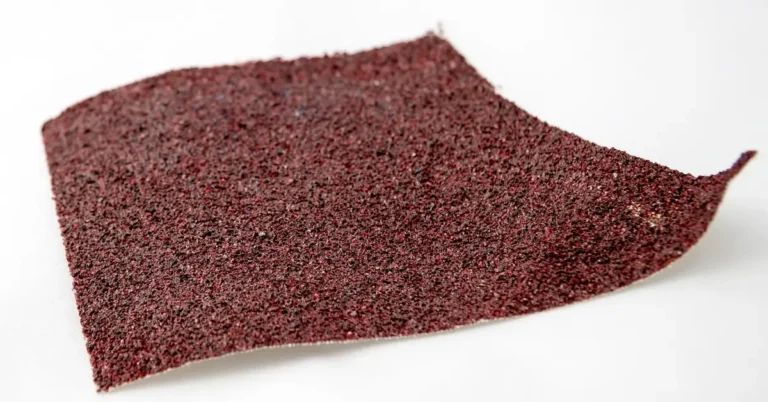
Start with the manufacturer. Zinsser’s data sheet for Bulls Eye Shellac says to apply several light coats, let them dry for 1 hour, then sand with 220 grit or finer paper, and to allow at least 1 hour before sanding any later coat lightly. Woodworkers in a Fine Woodworking forum thread go finer: one poster recommends 320 grit because its scratches are erased by the next coat of shellac, which dissolves into the one below.
Those two answers do not conflict. 220 grit is the coarsest paper the manufacturer calls for between coats, and 320 to 400 is what experienced finishers use when all they want is to flatten dust nibs and brush marks. Zinsser’s data sheet reserves coarser 80 to 100 grit for one job only: removing weathered fibers from bare wood that has been exposed for more than 4 weeks.
Data point: at 70F and 50% relative humidity, Zinsser lists Bulls Eye Shellac as dry to the touch in 30 minutes, recoatable in under 1 hour and fully cured in 24 hours. Source: Zinsser Bulls Eye Shellac technical data sheet BEY-06
Shellac State vs. Sanding Approach: A Quick Reference
Most advice online says “wait until it is dry” without defining dry. The table below lines up each stage of a shellac coat with what the manufacturer and working finishers say to do, so you can match what you see on the surface to the right abrasive.
| Shellac state | Timing and source | What to do | Abrasive |
|---|---|---|---|
| Wet or tacky, paper gums or balls up | Zinsser: dry to touch in 30 min, recoat under 1 hr at 70F and 50% RH; longer when cooler | Do not sand. Gum on the paper means the coat is not hard yet | None, wait |
| Thin coat, hard, sands to white powder | Zinsser: 1 hr before sanding. One Fine Woodworking poster: about 30 min for a thin coat | Scuff lightly to remove dust nibs and brush marks | 220 grit or finer (Zinsser), or stearated 320-400 |
| Thick or heavily brushed coat | Forum posters report anywhere from a couple of hours to overnight | Give it extra time and test an edge first | Stearated 320-400, light pressure |
| Zinsser SealCoat (dewaxed) as a sealer on bare wood | 20-30 min for the first coat, 1 hr for later coats (Zinsser BEY-07) | Sand the first coat, then sand lightly between coats | 120 grit or finer first, 220 or finer between coats |
| Fully cured, after the final coat | Zinsser: full cure in 24 hours | Rub out to the sheen you want, or wax | 0000 steel wool (shellac.net) or a gray pad |
Two things in that table are worth underlining. First, the powder test is the real signal, not the clock. Second, the SealCoat row comes from a different Zinsser data sheet (BEY-07) than the Bulls Eye Shellac rows because the products differ: SealCoat is a 100% de-waxed shellac sanding sealer, and Bulls Eye Shellac is not.
How Long to Wait Between Coats of Shellac Before Sanding
Between coats the wait is short. Zinsser’s figures are 30 minutes to the touch and under 1 hour to recoat at 70F, but both depend on temperature: Zinsser says warmer temperatures speed drying and cooler ones prolong it. A Fine Woodworking poster says a couple of thin coats typically need about 30 minutes before sanding, with thicker films needing longer.
Forum finishers who brush on heavier coats report much longer waits, from a couple of hours up to overnight, before the paper stops loading. Treat any number from a forum as a starting point and use the powder test on an edge or the underside of the piece before you commit to the whole surface.
Do You Have to Sand Between Shellac Coats?
Not for adhesion. The shellac.net common questions page explains that a fresh coat of shellac dissolves into the existing coat and bonds chemically with it, and a Fine Woodworking poster says sanding between coats is never needed to assure adhesion. Sanding earns its place only when there is something to fix: dust nibs, raised grain, brush marks or drips.
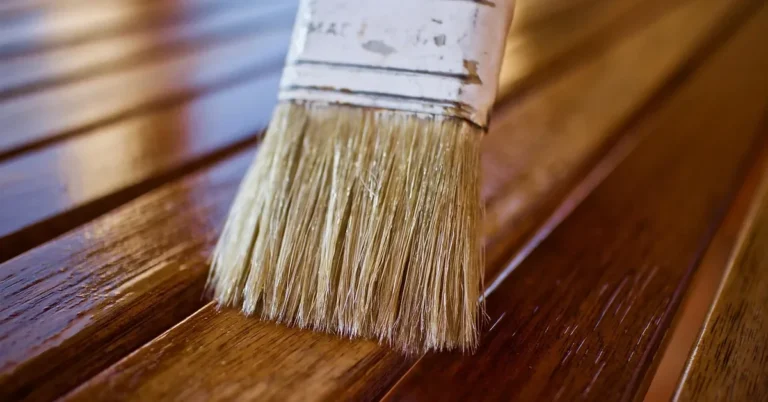
That also answers the second-coat question many people search. Apply it thin, with the same tool, and avoid overworking it. Zinsser’s SealCoat sheet advises brushing back into wet material to keep a wet edge and not brushing again once the surface turns tacky, because dragging a brush through tacky shellac tears up the coat below. For a longer walkthrough of application and mixing, see our guide on how to use shellac on wood and the shellac cut ratio calculator.
Why Stearated Sandpaper Does Not Clog on Shellac
Shellac is a soft resin that can smear instead of cutting, which is why ordinary paper loads up. Stearated paper carries zinc stearate, which Popular Woodworking’s Bob Flexner describes in his column on sealers as a type of soap. The soap acts as a dry lubricant, so the dust stays powdery and falls off the paper. A Fine Woodworking poster describes the same effect: zinc stearate in the paper lubricates the cut without needing a liquid.
Here is the part most shellac articles get tangled. Stearates are also what make a “sanding sealer” sand easily. Flexner explains that sanding sealers are finishes with zinc stearate added, and that the soap makes them powder when sanded but also reduces moisture resistance and weakens the bond of later coats. His advice for hard-to-sand finishes like lacquer and varnish is to use stearated sandpaper instead of a sealer unless the project is large. In another column he notes shellac sands less easily than a sanding sealer, though more easily than alkyd varnish or lacquer, which is exactly the gap stearated paper fills.
One more point from the forums: a poster in a WoodCentral thread warns that machine sanding can heat shellac enough to soften it, and recommends light hand sanding while clearing the swarf often. Another forum poster states that shellac melts at only 150F, though that figure comes from a forum post, not a manufacturer, so treat it as a caution rather than a spec.
Waxed vs. Dewaxed Shellac: What Changes When You Sand and Topcoat
Shellac.net says the natural wax in wax-containing grades runs about 5 to 6 percent and can interfere with adhesion under certain polyurethanes, so dewaxed grades are the pick under poly. Zinsser agrees on the product level: its Bulls Eye Shellac sheet says it is not recommended as a sealer under polyurethane and points to SealCoat instead, and Flexner notes the wax is why polyurethane does not bond well to traditional shellac.
Sanding does not change that. Scuffing a waxed shellac coat roughens the surface, but it does not turn it into a dewaxed one, so choose the shellac for the topcoat, not for the sandpaper. If you are unsure which shellac is in your can, read is Zinsser shellac dewaxed and sanding sealer vs. shellac. For a lacquer topcoat, Flexner says the shellac already seals the wood and you can continue with lacquer coats right over it, with no lacquer sanding sealer in between; see what type of lacquer to use on wood for choosing one.
Scuffing, Steel Wool and Rubbing Out
Steel wool is the usual alternative to paper. Shellac.net says 0000 steel wool can cut back finishes between coats of shellac, French polishes, varnishes and paint or oil finishes. Several woodworking forum posters prefer 0000 or 000 steel wool or gray synthetic pads on shellac because they avoid the loading problem entirely.
For the final rub-out, Fine Woodworking posters mention waxing with steel wool after the last coat. Opinions differ on lubricants for wet sanding: one poster in a Fine Woodworking thread called mineral spirits a poor idea and suggested water with a little dish detergent, while a WoodCentral poster uses mineral spirits to prevent loading. With no manufacturer guidance either way, test on scrap first. A Fine Woodworking poster also notes that the white or amber powder residue from wet-sanding disappears once the next coat goes on.
Avoiding Burn-Through on Edges and Corners
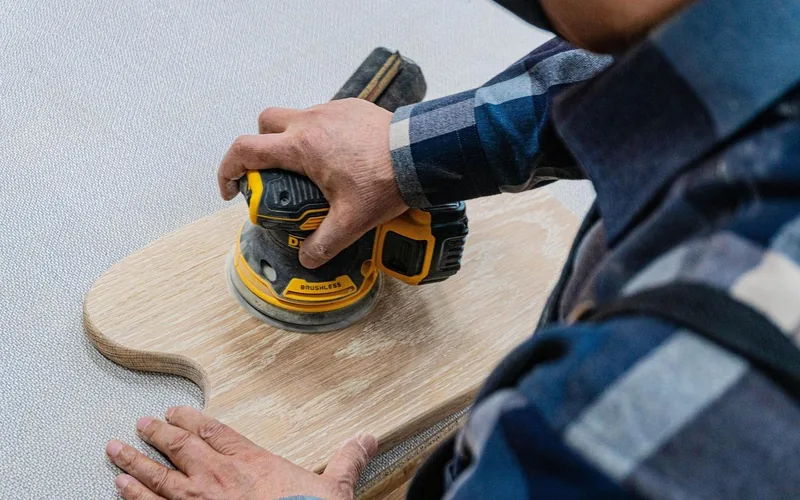
Thin shellac films are easy to cut through, especially at edges and corners where the coat is thinnest. Zinsser’s SealCoat sheet makes the same point for wipe-on application: a second application may be needed to avoid sanding through the sealer and the stain beneath. Keep these habits:
- Use light pressure and let the stearate-lubricated paper do the cutting
- Hand-sand edges and curves; a belt or orbital sander (see our belt sander vs. orbital sander comparison) is better kept for large flat panels
- Change or tap out clogged paper often so it does not burnish the surface
- Stop as soon as the sheen is uniformly dull instead of chasing every tiny imperfection
- Build several thin coats rather than one thick one, since thin coats need less sanding
When Not to Sand Shellac
- When it is not hard yet. Gum on the paper means more drying time, not a coarser grit.
- When there is nothing to fix. Since the next coat bonds to the last one without help, a smooth coat can be left alone.
- Over old painted surfaces. Zinsser warns that scraping, sanding or removing old paint can release lead dust, and calls for a NIOSH-approved respirator and HEPA cleanup.
A video from the Woodworkers Guild of America on preventing “corning” when sanding shellac shows the clogging problem in action:
Safety Notes for Sanding and Cleanup
Zinsser lists the flash point of brush-on Bulls Eye Shellac at 60F (16C) and recommends denatured alcohol for cleaning wet tools and spills, so keep cleanup rags and open containers away from sparks, pilot lights and other ignition sources, and ventilate the room. Zinsser describes the dried film as non-toxic and hypo-allergenic, but that statement is about the film, not airborne sanding dust, so wearing a dust mask while sanding any finish is sensible.
Common Mistakes When Sanding Shellac
- Sanding before the powder test passes, which gums the paper and smears the coat
- Pressing hard on thin coats and cutting through to bare wood
- Using ordinary paper when stearated paper is available
- Leaving dust on the surface before recoating, where it gets trapped in the film
- Assuming sanding will make a waxed shellac compatible with polyurethane
Frequently Asked Questions
Can you sand shellac after it dries?
Yes. Shellac sands more easily than lacquer or varnish once it is hard enough to turn to dry powder. Zinsser’s data sheet for Bulls Eye Shellac says to let thin coats dry 1 hour before sanding with 220 grit or finer paper. If the paper gums or balls up, the coat needs more time.
What grit sandpaper is best for shellac?
Zinsser’s data sheet calls for 220 grit or finer between coats of Bulls Eye Shellac. Fine Woodworking forum posters commonly use 320 to 400 grit, ideally stearated paper, because the scratches from that grit disappear under the next coat of shellac.
How long should you wait to sand shellac?
At 70F and 50 percent humidity, Zinsser lists Bulls Eye Shellac as dry to the touch in 30 minutes, recoatable in under 1 hour, and fully cured in 24 hours. Cooler or more humid rooms take longer, and thick brushed coats can need much longer than thin wiped ones.
Do you have to sand between coats of shellac?
No. A forum poster on Fine Woodworking states sanding is never needed for adhesion, and shellac.net explains why: a fresh coat dissolves into the existing coat and bonds with it. Sand only to remove dust nibs, brush marks or other defects before the next coat.
Can you use steel wool instead of sandpaper on shellac?
Yes. Shellac.net says 0000 steel wool can cut back shellac between coats, and several woodworking forum posters prefer steel wool or gray synthetic pads because they do not load the way sandpaper can. Remove all wool fibers and dust before recoating.
Conclusion
Shellac sands easily once it is hard: 220 grit or finer per Zinsser, stearated 320 to 400 paper per working finishers, and a powder test instead of a clock. Sand to fix defects, not for adhesion, keep a light hand on edges, and save 0000 steel wool for the final rub-out once the coat has cured.
Sponsored / affiliate links. As an Amazon Associate I earn from qualifying purchases. I may earn additional commission from eligible campaigns.